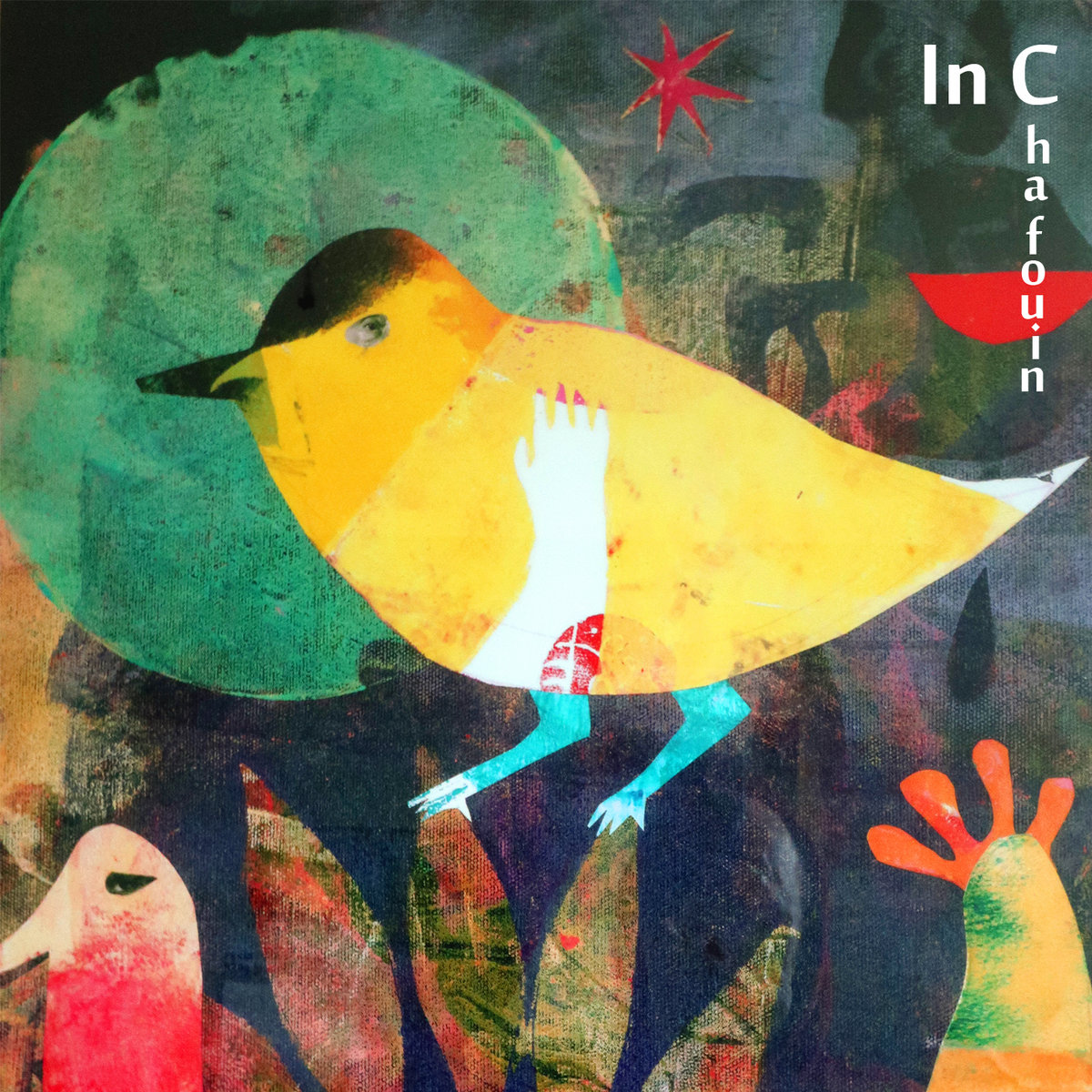
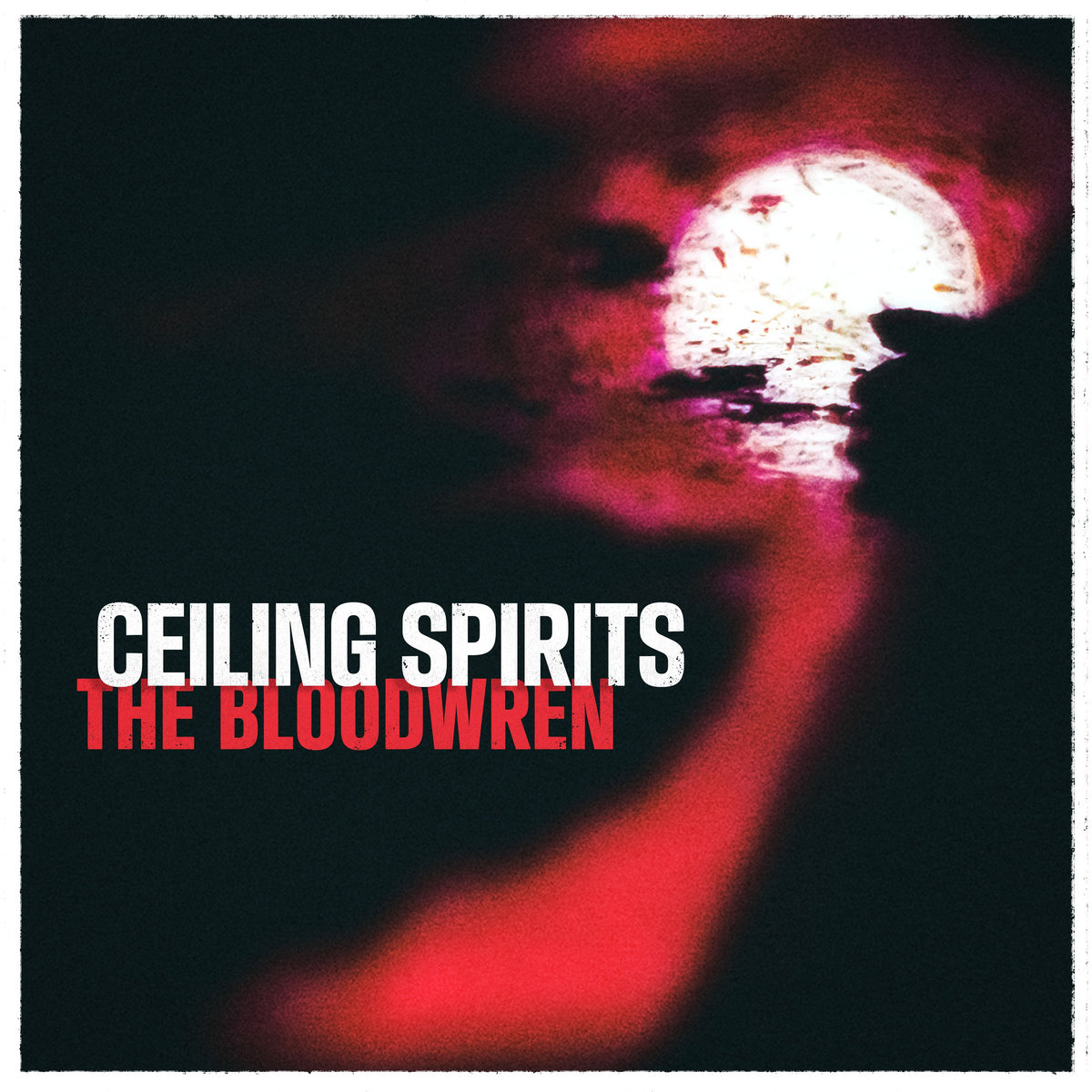
Band: Chafouin | Album:In C | Genre: Minimalism, Krautrock, Math rock | Bandcamp
For their latest release, Chafouin tackle minimalist composer Terry Riley’s 1968 work, In C. This work has been covered by a number of other rock bands, most notably Acid Mothers Temple. The music has a tense, anxious feel to it, and the ritualistic repetition calls to mind other proggy subgenres, like krautrock and zeuhl. King Crimson’s work on THRAK also bears similarities, with the jagged, hypnotic, interlocking guitar lines.
Score: 79/100
Artist: Clarissa Connelly | Album:World of Work | Genre: Progressive folk, Experimental pop | Bandcamp
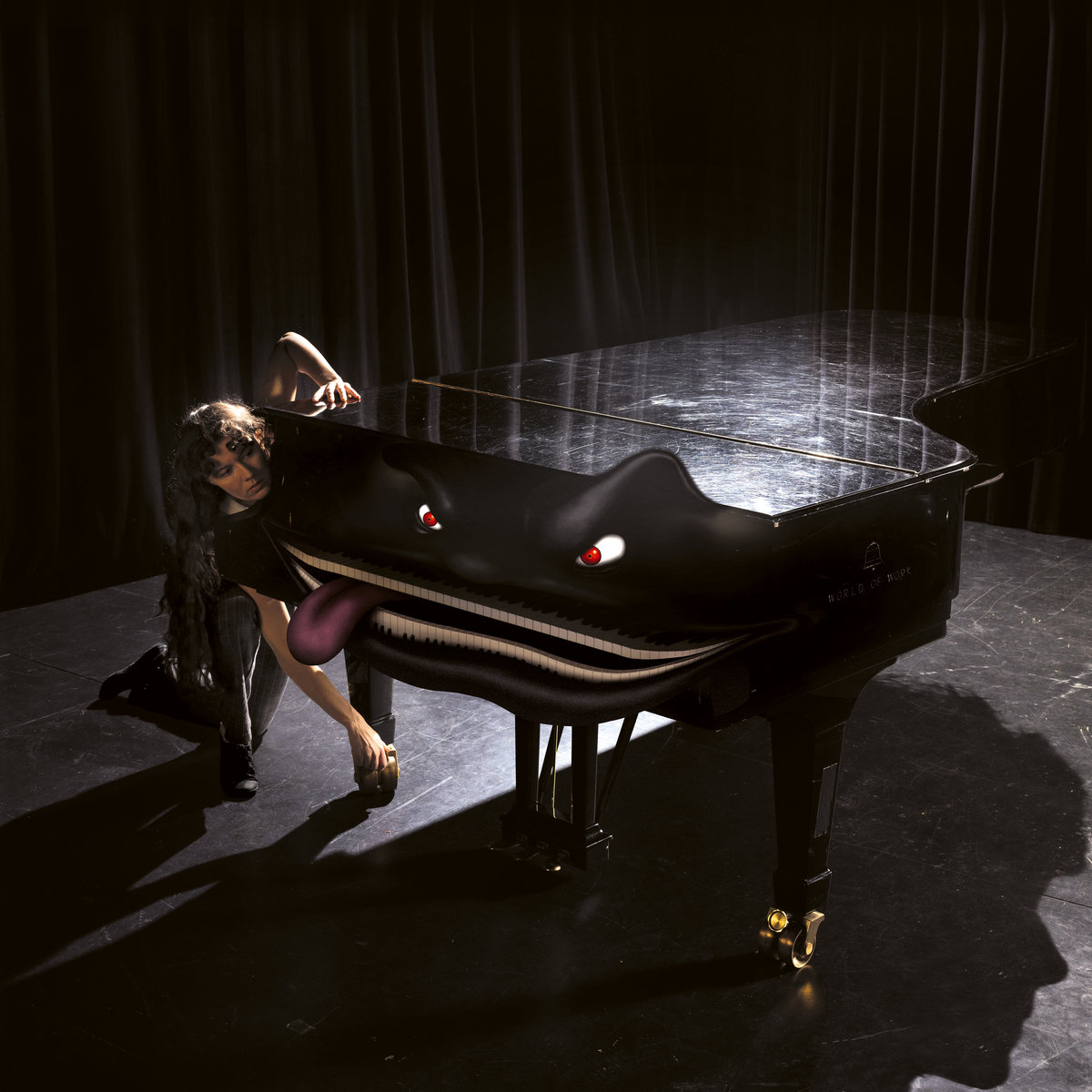
Before addressing the music, let me just compliment this album cover. I love that goofy, devious-looking piano. The music on World of Work is piano-forward, and Connelly’s voice is distinctive and emotive. Arrangements are minimal but inventive, and the vocal arrangements are intricate and charming. Things are rather sonically similar song-to-song, so it can kinda bleed together into a bit of a mush by the end of the album. I still like it overall, but a bit more variation would’ve been nice.
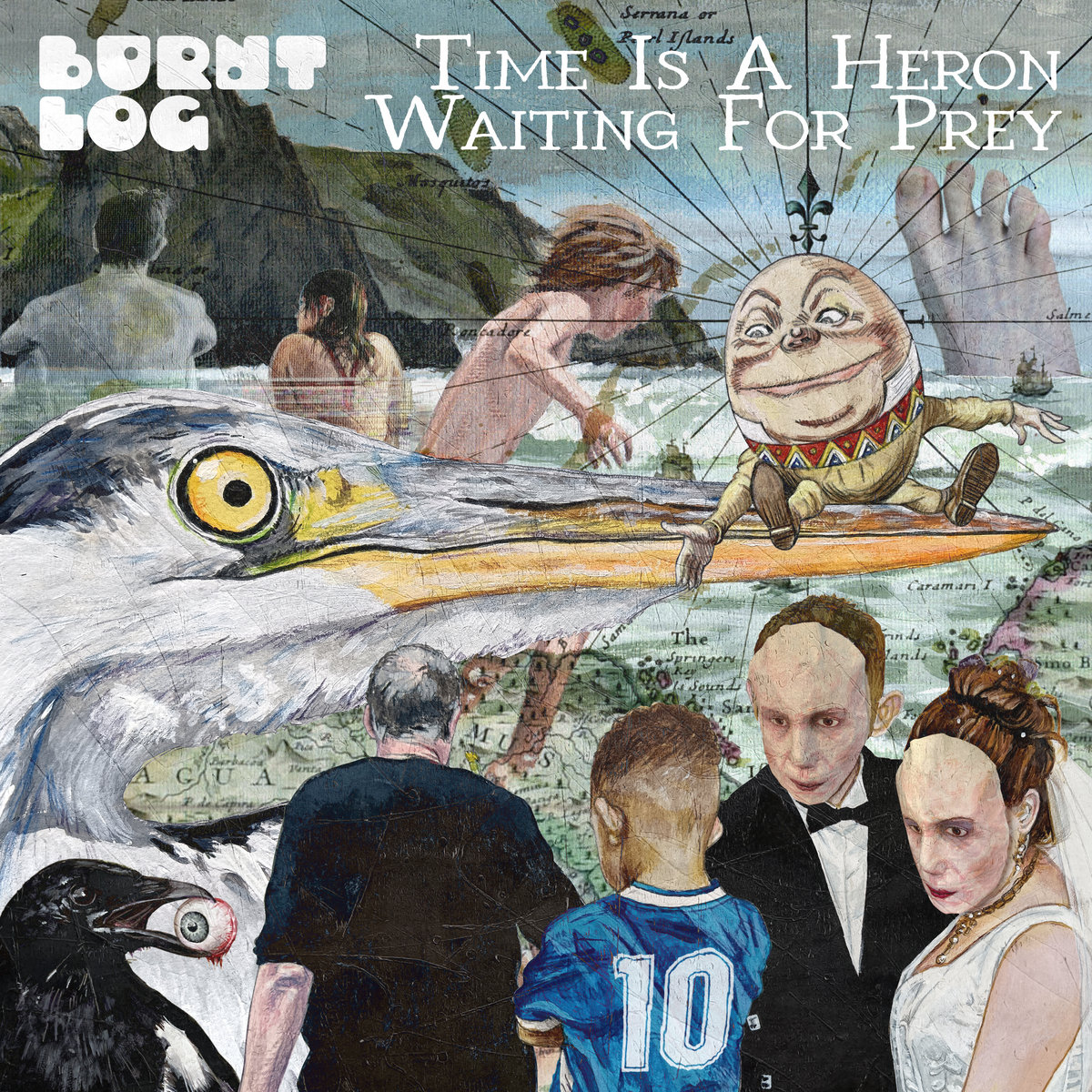
Band: Burnt Log | Album:Time Is a Heron Waiting for Prey | Genre: Progressive rock, Dream pop | Bandcamp
Burnt Log is a one-man project based out of Scotland. The songs skillfully combine intelligent, progressive song structures with floating, dreamy atmospheres. Melodies are smart but accessible, and there’s a vague sense of nostalgia to much of the music here. Touches of post-punk, new wave, and even post-rock crop up here and there. Some passages are perhaps a bit too dream-poppy for my taste, but this is still an overall solid and interesting release.
Score: 72/100
Band: FILESHAREMAIDEN | Album:Veuve | Genre: Progressive metal, Technical death metal | Bandcamp
The first full-length release from Quebecois death metallers File Share Maiden is a swirling, tangled thicket of finger-twisting riffs, guttural vocals, and even moments of surprising lightness. There are many exciting, fun passages that demonstrate both technical skills and songwriting smarts. However, this band also falls victim to the common excesses of other tech-death acts. Many songs are longer than they need to be, and a number of cuts border on purposelessness. That said, there’s still plenty of great material here.
Hailing from Milwaukee, this classical-influenced ensemble plays a spacey, morose variety of post-rock. Violin and piano weave evocative textures, and the individual passages range from fluid and mournful to jittery and technical. Guitar is minimized overall on this release, but when it shows up, either as a lead instrument or as support, the tones utilized are always a perfect complement to the atmosphere. I often find post-rock to be aimless, but this album does a great job at maintaining focus. The rich orchestration does an amazing job of adding emotional weight to everything as well. The closing drone track isn’t even that bad, though it definitely didn’t need to be 8 minutes long.
Gender Studies is a Ukrainian band that plays a garage-y, jazz-inflected variety of progressive rock. The six songs on this LP demonstrate intelligent and creative writing, catchy melodies, and diverse influences. Slavic folk crops up here and there amid Return to Forever-style jazz-rock and harder-rocking passages.
This Russian quartet plays a smart, artsy variety of folk rock. They blend their own Slavic roots with jazz, modern classical, indie rock, and other bits and pieces from around the globe. The instrumentation is often intricate and full of unexpected twists. They build lush and varied textures, and they’re able to blend strong pop sensibilities with a spirit of adventurousness and experimentation.
Score: 81/100
Band: Agusa | Album:Noir | Genre: Progressive rock, Space rock | Bandcamp
I liked this release a lot more than I expected to. Agusa is a band I like–each of their last two albums have made my year-end Top 50 lists, after all–but one of my gripes is that they can be a bit noodly and long-winded. This album is a soundtrack for a film, so I was particularly cautious. Would the scattershot nature of soundtracks hamstring this work? Instead, this is a delightfully varied yet purposeful and coherent release. Folk, jazz, and space rock elements are incorporated naturally, alongside Agusa’s usual prog stylings. This album is also more consistently lighthearted than much of their other work, which is a nice change of pace. The shorter runtimes for these tracks also behoove the band, as they’re able to put forward fun ideas and meditate on them for a bit without needing to build some huge suite. Things do sag and slow down a bit near the album’s end, but it’s far from a fatal flaw in this case.
Band: April 1830 | Album:The Adventures of Space Pig | Genre: Progressive rock | Bandcamp
This Philadelphian band claims to write songs about “pig failure,” and that alone grabbed my attention enough to give this record a spin. (For what it’s worth, the vocals are relatively low in the mix and somewhat willowy, so actual themes of pig failure can be hard to discern.) The music is energetic, often drawing from pop and punk. Certain passages remind me of Cardiacs, if Cardiacs were a very synth-forward, female-fronted band. It’s fun and inventive, and I had a good time listening to this.
Custard Flux’s fifth full length album is their first fully-electric endeavor. They’ve ditched their (mostly) acoustic schtick, and it has resulted in a pretty good release. The band tightened up their songwriting after 2022’s bloated-as-hell Phosphorus, and that renewed focus is appreciated. The music here is catchy and punchy, and the swirling, psychedelic textures are enjoyable. Hints of alternative rock crop up on occasion, too.
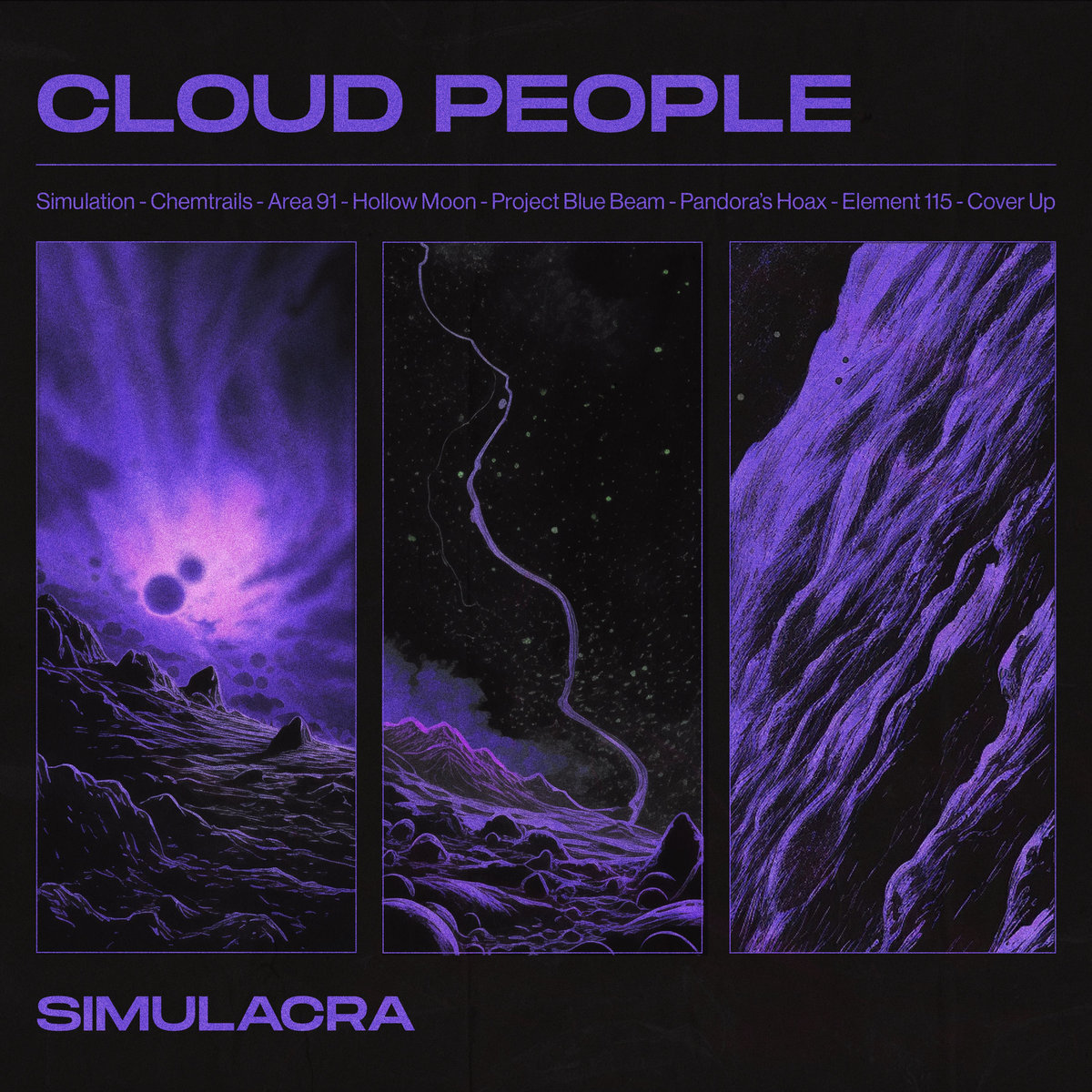
Band: Cloud People | Album:Simulacra | Genre: Progressive rock, Jazz-fusion | Bandcamp
This Norwegian sextet’s debut album is themed around conspiracy theories, and it’s a pretty fun listen. The music ranges from delicate and anxious to fairly heavy and aggressive. Bits of tinfoil-laden narration are woven into the music in a way that enhances the overall effect. I love the keyboard tones the band deploys, and saxophone is integrated wonderfully. Electronic elements are incorporated smoothly to give many cuts an edgy, sci-fi feel.
Last year, Rhùn put out Tozïh, their second album, ten years after their debut, Ïh. Tozzos was recorded at the same time as Tozïh, but the band opted to wait and release two separate albums instead of one double album, and I’m glad they did. Tozzos is enjoyable, but it’s not on the same level as Tozïh. Here, the band incorporates more overt avant-garde influences, which aren’t always a success. The weirdest bits of acts like Frank Zappa and Samla Mammas Manna are difficult to synthesize, and while Rhùn mostly does a good job, significant swaths of this record come off as muddled and unfocused. I still enjoy this record overall, but there are some drawbacks to it.
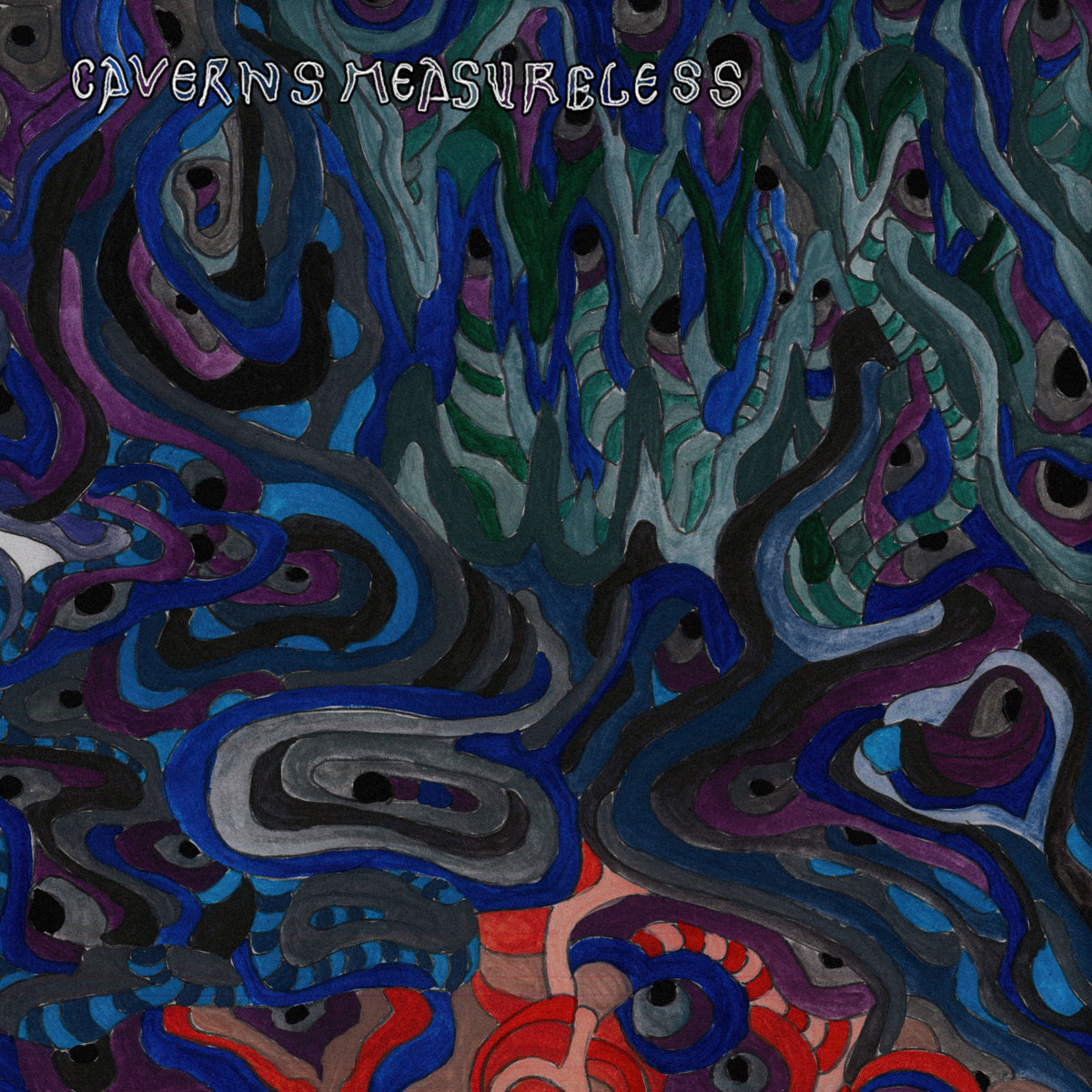
Scottish one-man experimental act Caverns Measureless plays a creepy, unsettling, and adventurous variety of folk-rock on their self-titled sophomore album. Acoustic guitar and mandolin plink alongside violin and flutes, while the occasional brash stab of electric guitar sends the atmosphere careening in another direction. The compositions are wiry and fluid, often changing path suddenly. All the songs here are complex, creative, and moody.
Hizbut Jámm is an interesting quartet. It consists of two Poles on guitar and drums, a Senegalese musician on guitar and vocals, and a Burkinabe musician playing the kora–a type of lute from West Africa. The lyrics are sung in Wolof and French, and West African melodies and scales are woven into the music. But this fusion also draws heavily from the tradition of Euro-American psychedelia. Textures are lush and dreamy, and the overall mood is hypnotic. Hizbut Jámm is an entrancing listen, and it’s a rewarding experience both as passive background music and as the subject of more active listening.
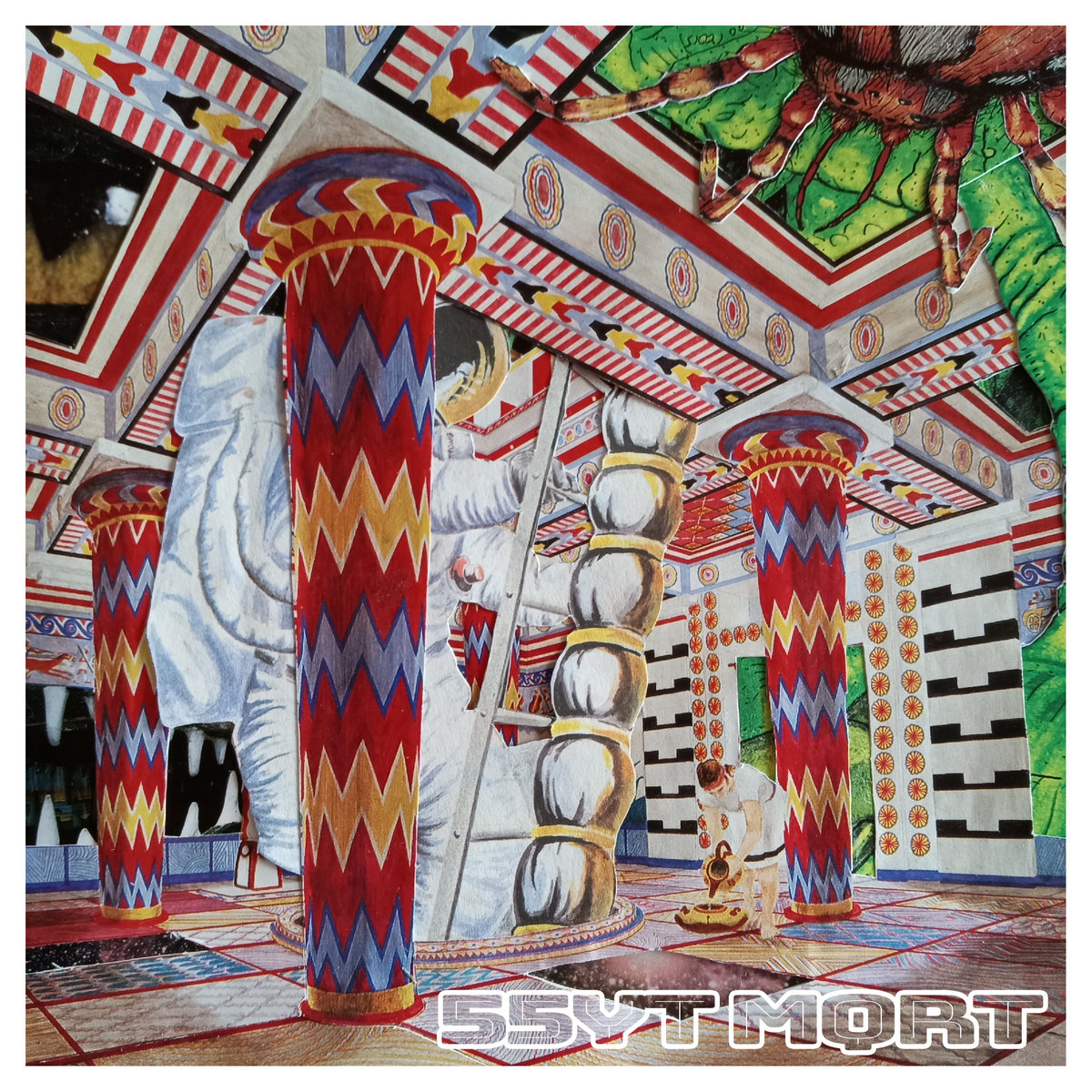
Band: 55YT MQRT | Album:55YT MQRT | Genre: Space rock, Progressive rock | Bandcamp
This band’s name might look like a license plate number, but their sound isn’t nearly that ordinary. They play a vast, cosmic variety of heavy psych and prog, and the album art of an astronaut traveling through an ancient temple is weirdly fitting. The soundscapes are vast and huge, and everything has a massive amount of weight behind it. Even though this album is a bit on the long side, it works. This is the sort of music where stretching out benefits the band.
Score: 80/100
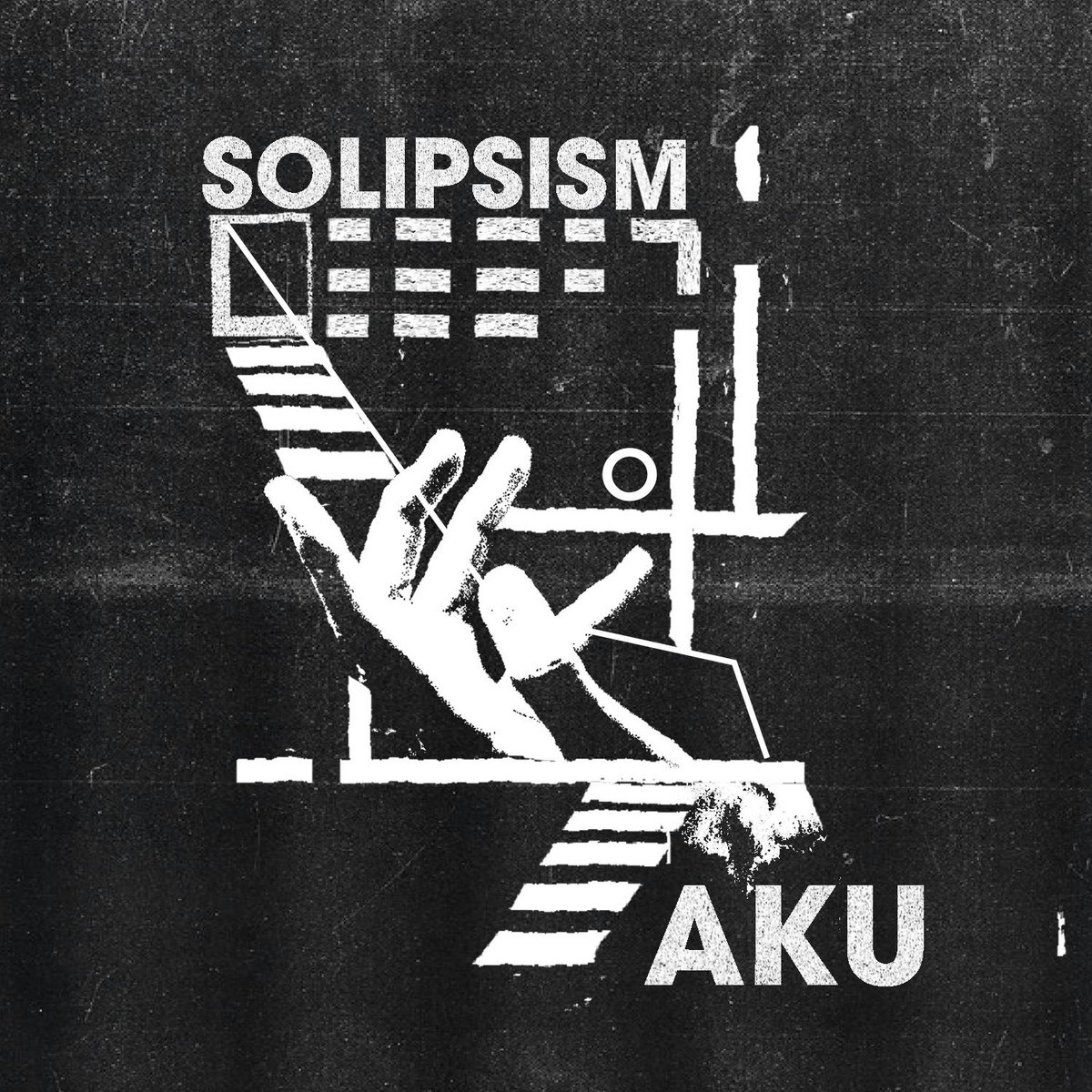
Band: AKU | Album:Solipsism | Genre: Jazz-fusion | Bandcamp
The six songs on Solipsism effortlessly blend jazz and progressive rock into a rich, organic melange. Each of the four members of the band puts on a great showing. Guitar is the lead instrument more often than not, but the keys are smartly deployed and add a great depth. The bass playing is punchy and energetic, and the drumming is skillful and varied.
My view of what is actually popular and successful is probably skewed by where I spend my time online. A lot of that time is on Reddit, and a not-insignificant portion of that time in turn is spent perusing r/progmetal. One of the most beloved bands on that subreddit is Caligula’s Horse, and if you’ve paid attention to my comments on other darlings of that subreddit (Nospūn, recent Leprous, and recent Haken) or compared my year-end list to theirs, it should come as little surprise that this is a band that’s never really clicked with me.
Their brand of prog metal is melodic and in the same general vein as Dream Theater. The vocals are clean, and there’s a strong emphasis on majestic climaxes. Everything is well-played, and the songs are smartly-structured, so I’m struggling to articulate why this record isn’t resonating with me. It’s not particularly derivative of any one act, but I suppose there’s not much that really stands out about it either. The production is a bit soupy, as the guitars bleed together into an indistinct distorted mush, and the vocals get swallowed up by the backing. That lack of definition can make it tough for individual elements to stand out.
Ellesmere is an Italian band whose music draws heavily from neo-prog and ‘80s arena rock. It’s big, loud, complex, and showy, and if you like acts like Marillion, IQ, or Asia, you’re probably going to like Ellesmere. The production isn’t great, and the vocals are fairly rough, but nevertheless it’s clear the music has some strong bones. The 12-minute title track is especially good, featuring smart structuring choices and dynamic musicianship.
Band: Everything Oscillating | Album:The Taboo Against Knowing Who You Are | Genre: Progressive rock | Bandcamp
Everything Oscillating is an instrumental act that focuses on flashy, technical shredding. Two of the three members are the guitarist and bassist for the Seattle-based band Moon Letters, whom I’ve covered a couple times. EO does a great job threading the needle of balancing flashy instrumental antics and engaging songwriting. The best moments here call to mind classic bombastic ‘90s and early ‘00s prog bands like Liquid Tension Experiment and Transatlantic, with a bit more of a classic heavy metal influence. Jazz and Latin flavors are included naturally, and the (abbreviated) instrumental cover of “Achilles’ Last Stand” is done well, too. (I feel like I could write a short essay on my love for the original version of that song, and EO absolutely does it justice here. It’s right up there with “Carouselambra”, “In the Light”, and “The Rain Song” among my favorite Led Zeppelin cuts. (I know, shocker, my favorite Zeppelin songs are all among the band’s longest.))
Score: 79/100
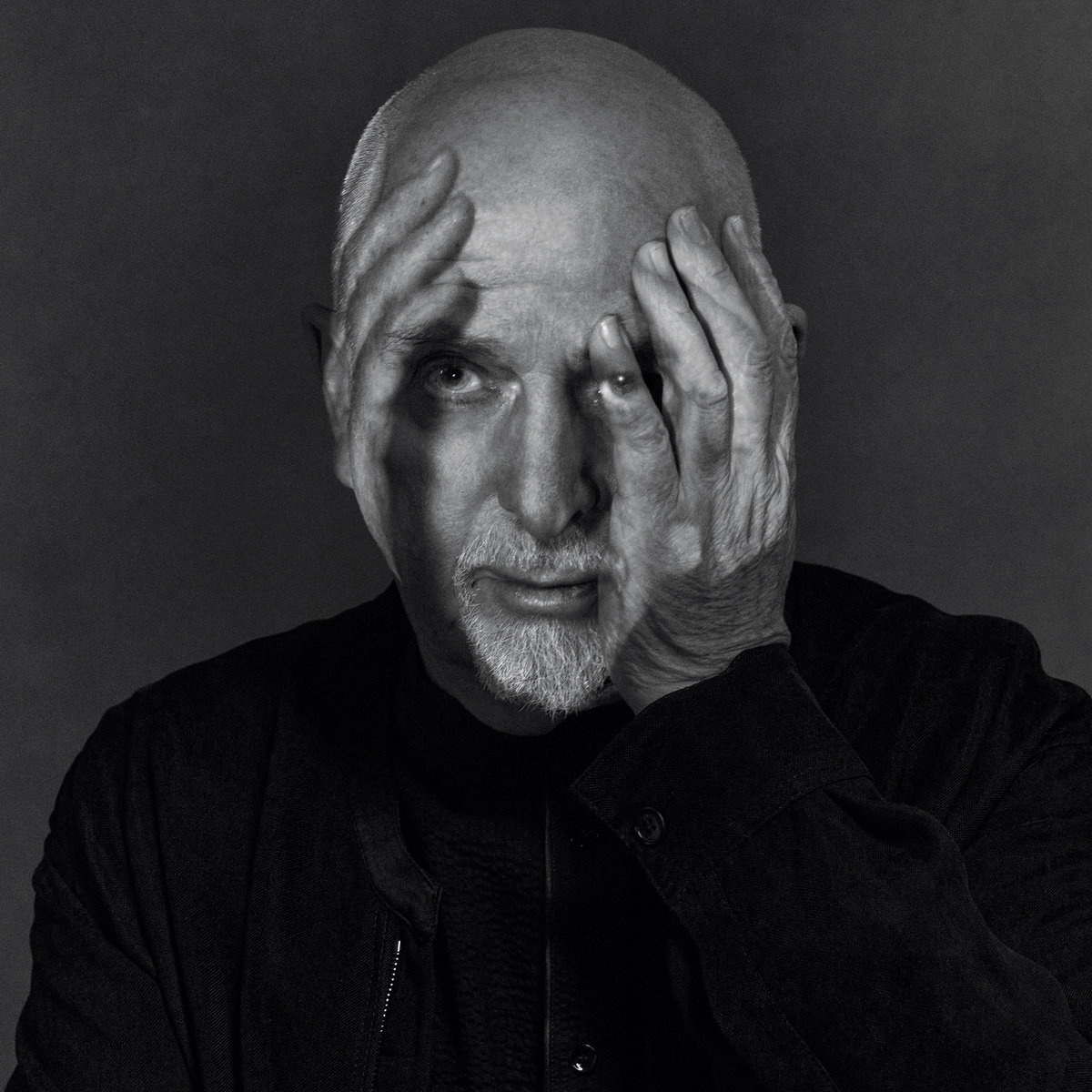
Artist: Peter Gabriel | Album:i/o | Genre: Art pop | Bandcamp
Peter Gabriel’s first new album in 20 years is enjoyable. It’s decent, fairly arty pop with some good melodies and interesting ideas. His vocal performance is strong, and the production is clean, crisp, and professional. Compositionally, though, it doesn’t stand out. Post-rock flavors weave themselves into Gabriel’s usual somewhat-spacey writing style. It’s competent but not particularly memorable. i/o comes in two different mixes: the so-called “bright-side” and “dark-side” mixes. These two mixes are not meaningfully different. Yes, if you listen to each song’s bright and dark version, you can tell them apart, but the differences between the two are insubstantial, surface-level, and borderline-gimmicky. Publications (especially prog-focused ones) that included this on their best-of 2023 lists make me question if they just reflexively put every release from major ‘70s players on their year-end lists, regardless of quality. (In fact, I know several included Yes’s abysmal The Quest on their 2021 lists, so I suppose they do.) If you want some keyboard-forward art-pop to put on in the background, i/o will work, but this album doesn’t leave a lasting impression.