Over the last year or so, I’ve received a handful of emails asking why my site doesn’t have a search function. The short answer is that WordPress wants more money for it than I’d like to spend.
As a workaround, I’ve compiled links for every review I’ve written for this site into a new Page: the Post Archive! It’s got all my reviews in chronological order, newest to oldest.
I’ve got it organized by post type, album and artist, and genres covered in a given post. I may not have a proper search bar, but now you can go there and Ctrl+F for whichever artist or genre or post type you like.
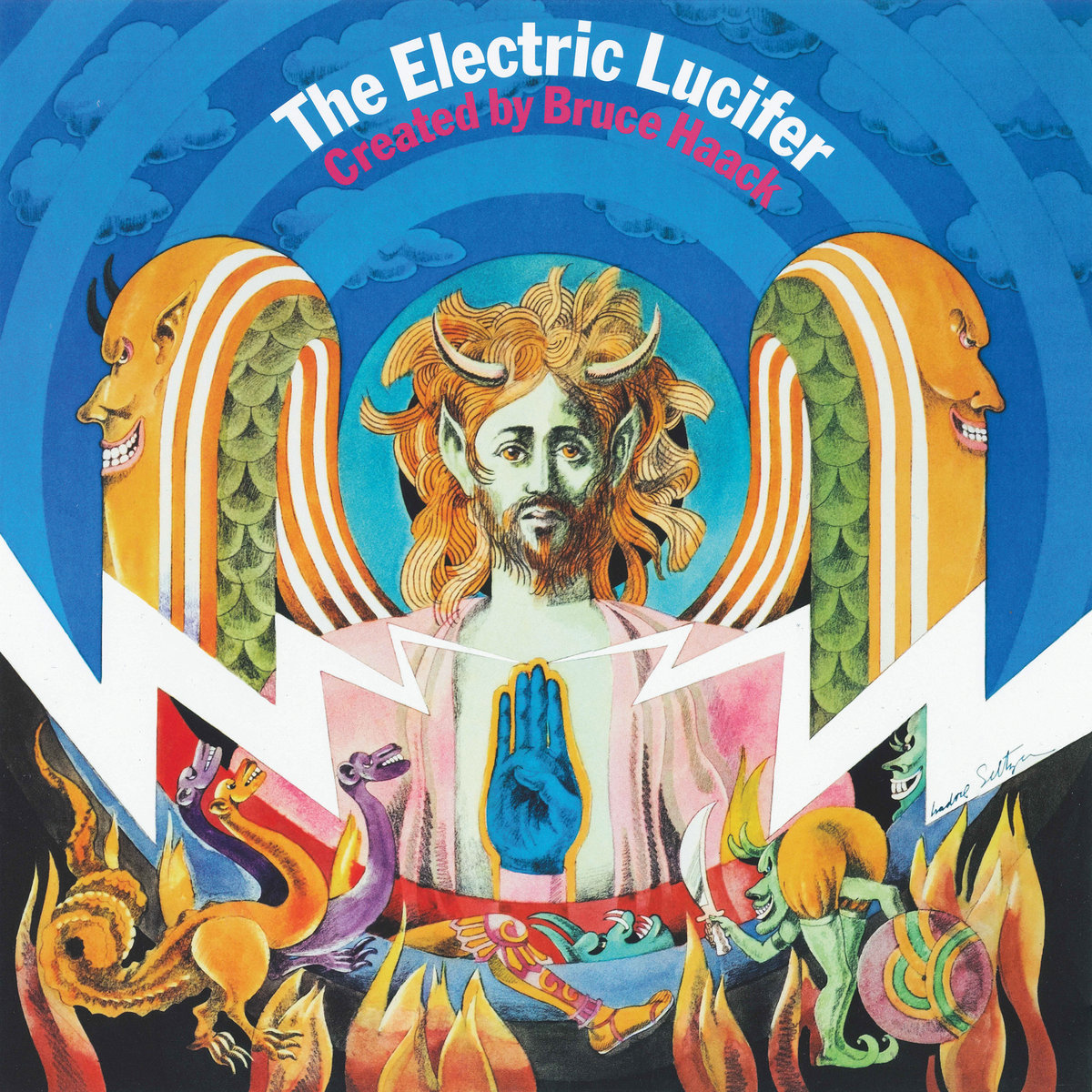
The Electric Lucifer is the kind of crazy, oddball shit that I really love discovering and then sharing. I’ve known about this record for a while, and it is pretty wild. Bruce Haack (pronounced like “hack”) was a Canadian musician who started off his career dabbling in a lot of different styles. He briefly studied at Juliaard, and he also worked in theater, pop, and Ukrainian folk music throughout his early life. As synthesizers became more widely available, he began dabbling in proto-electronic music, and if his poorly-written and shoddily-sourced Wikipedia article is to be believed, he achieved some degree of notoriety.
Starting in the 1960s, Haack began releasing children’s music. But it was really weird children’s music, full of strange synth effects and hypnotic rhythms. Just take a listen to 1968’s The Way-Out Record for Children. So, while there may have been a thematic shift in Haack’s music, he was always dabbling in electronic experiments. The jump from his “children’s music” to The Electric Lucifer wasn’t as big as one might expect. The lyrics are markedly more serious, however, featuring a very strong anti-war message.
Zeuhl has always been a weird, insular pico-genre. Browsing through RateYourMusic’s timeline of all releases tagged as zeuhl, the first one that was unambiguously unassociated with Magma was not until 1976, six years after Magma’s debut. (And the first non-French release wasn’t until 1991!)
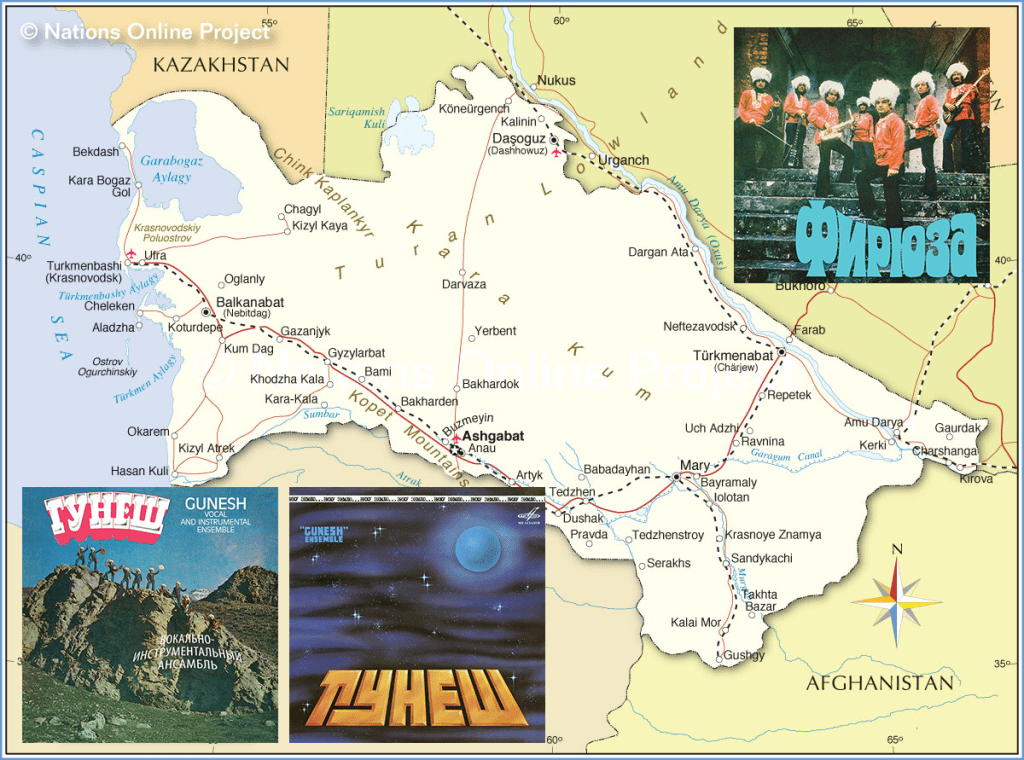
I mentioned Eskaton last week in the Firyuza/Gunesh column, so that inspired me to highlight them for their own piece! Eskaton was one of the first zeuhl bands to arise without any direct connections to Magma. Their music was largely in the same vein, though, if more synth-heavy. I really like their music a lot, and their sophomore release, 4 Visions, is probably my favorite of theirs.
January is always a weird time of year for me to write. I’m done with my 2025 best-of lists, and I do have some music to cover, but not a ton. Or, at least, I need to spend some more time combing Bandcamp to find new stuff to cover and build up a backlog. The Elite Extremophile isn’t all recent album reviews and lists of blurbs, though. I do have two other (very) occasional columns: Deep Dive and Lesser-Known Gems.
On the Deep Dive front, sorry for not putting one out last year. I got about a third of the way through writing one for Camel, but then I kinda lost motivation. I enjoy Camel; I just find them weirdly hard to write about. I think I may set that one aside and do ELP or Kate Bush or something.
On the Lesser-Known Gems front, January offers a great opportunity for that. I can pound out 3-4 LKG columns in an afternoon or two, leaving me with the rest of January to discover and write about more-current releases.
So, without further ado, welcome to Lesser-Known January. Or, alternatively, Lesser-Known Gem-uary. Let me know which name you prefer.
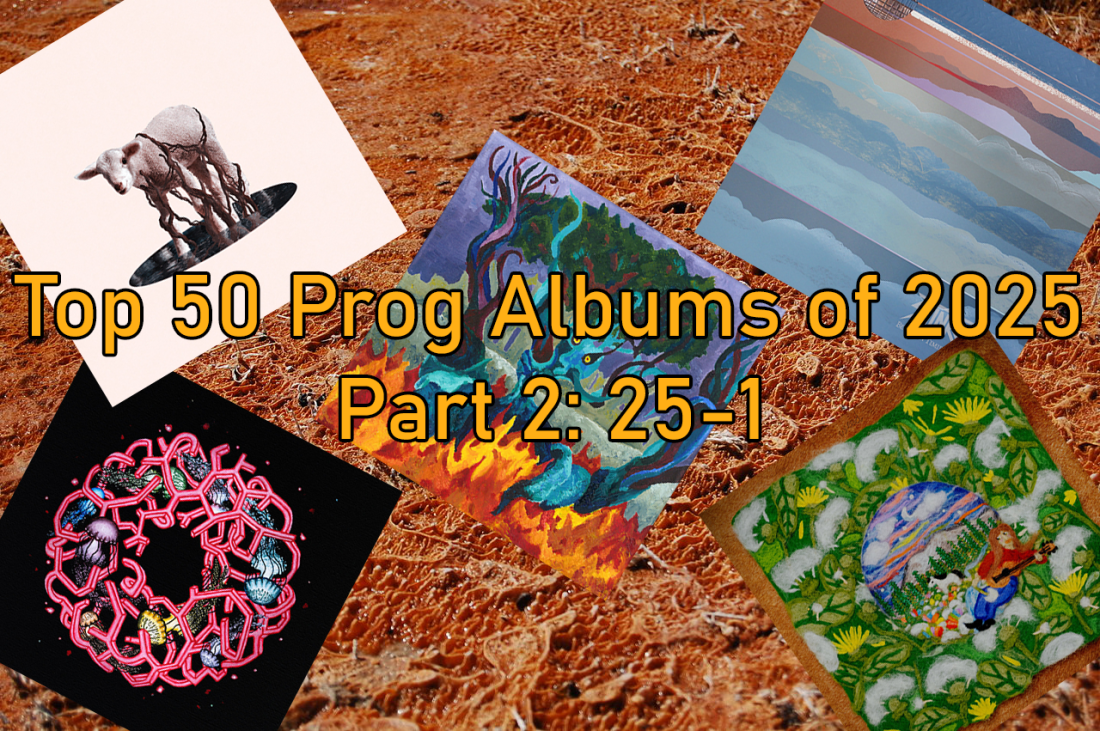
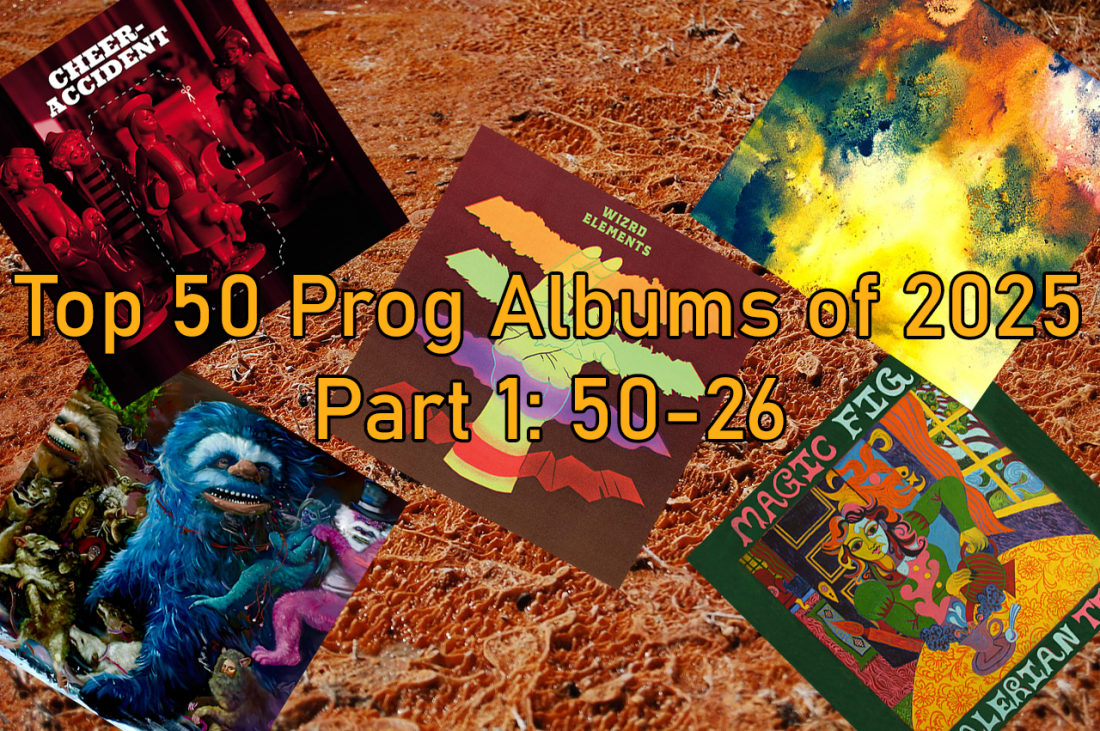
Welcome to The Elite Extremophile’s Top Prog Albums of 2025! As usual, this is a two-part list of 50 total entries. Part two is here.
As a reminder, the music on this list spans December 2024 through November 2025. Music from December 2025 will be on the 2026 list. I’m sure there is plenty of good music I missed, but when it comes to the reviewing, this is a one-man operation. (My proofreaders/editors, Kelci and Dan, have been very helpful, as always.) There are also certain trends and styles I simply don’t like very much.
2025 was a fantastic year for progressive rock and related genres. I was spoiled for choice with this list, and this may be the overall-strongest batch of recommendations I’ve given to date.
Welcome back to The Elite Extremophile’s Best of 2025 week. Here, I am highlighting the top EPs from last year.
This list in particular has always been a somewhat squishy column. My general rule of thumb on separating EPs from LPs is if it’s over or under 30 minutes. However, there are occasional exceptions. This year I have chosen seven EPs to highlight. There were more great EPs that got released, but if I didn’t cut the list at seven, I was probably going to wind up with a dozen; and my plate was full enough as it was.
Welcome to the first installment of The Elite Extremophile’s Best of 2025! Today, I’m starting off with Cool Songs. Tomorrow will feature the Top EPs, and the Top Albums will follow on Wednesday and Thursday.
Before we get to it, let me give my usual Best-Of disclaimers. This is a one-man operation, in regard to writing the reviews. (My proofreaders Kelci and Dan are very helpful.) I’m sure there was plenty of great music I just simply missed. I’ve also got my own personal biases against certain styles and trends.
As a reminder, this list covers what I call the “music year” 2025, which covers December 2024 through November 2025.
This segment is meant to show off great tracks that do not appear on my other year-end lists. If a release makes my best EPs or best albums list, it is disqualified from appearing in this particular segment.
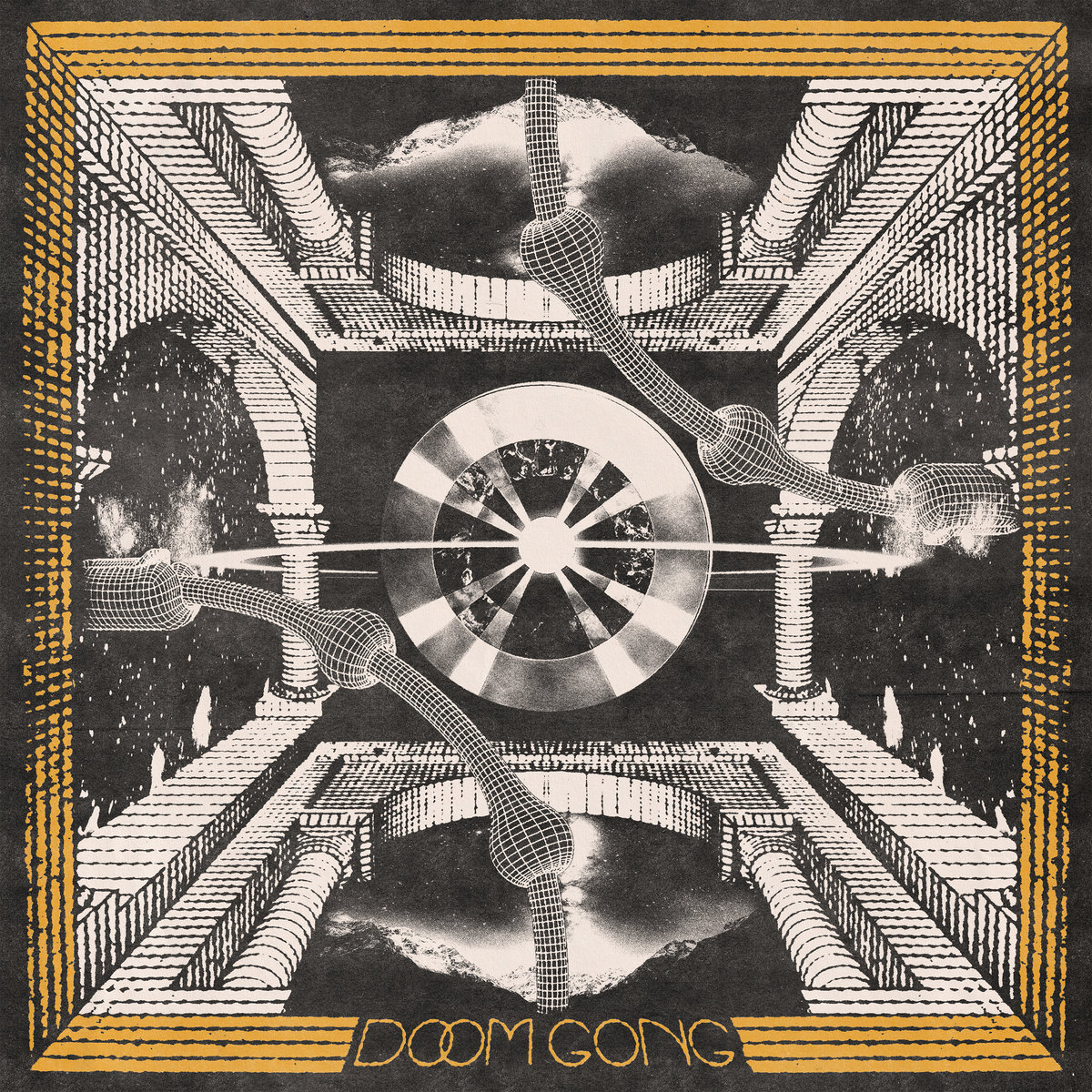
Band: Doom Gong | Album:Megagong | Genre: Psychedelic rock | Bandcamp
Doom Gong’s latest record is by turns exhilarating and idyllic. The band nimbly alternates between speedy instrumental antics and moments of lush abstraction. In general, the tempo is upbeat, and the easiest stylistic comparison here would be King Gizzard. These guys have a bit more fuzz to them, often channeling Ty Segall and Ty Segall-adjacent acts, like Wand or Fuzz. The sound is maximal, often bordering on suffocating, but Doom Gong makes it work.
The debut record from this instrumental duo is an engaging excursion. Riffs are speedy and complex, and song structures are often surprising. The synth inclusions are a lot of fun, and the band demonstrates a good knack for knowing when to take their foot off the gas for a moment.
The debut album from this Finnish quartet is a highly melodic brand of proggy alt-metal. The riffs are powerful, and the vocals are strong. The band demonstrates a strong ear for catchy melodies. There are a few moments in the second half of the album I’m not nuts about; the overly-pop-infused “Ocular” and the butt-rock influenced “Rover” are the main culprits. Overall, though, this is an enjoyable record. The musicianship is top-notch without being needlessly flashy, and there are plenty of great structural twists.
Score: 74/100
Band: Khan | Album:That Fair and Warlike Form/Return to Dust | Genre: Heavy psych, Post-metal | Bandcamp
The latest release from Khan, an Australian trio, consists of just two massive tracks. The first is the overall heavier of the two, providing a cavalcade of evolving musical themes that weave prog rock, psychedelia, alternative metal, and post-metal. “Return to Dust” features more contrasts with quieter, cleaner passages. Both epics hold together very well and have lots of small things that reveal themselves on subsequent listens.
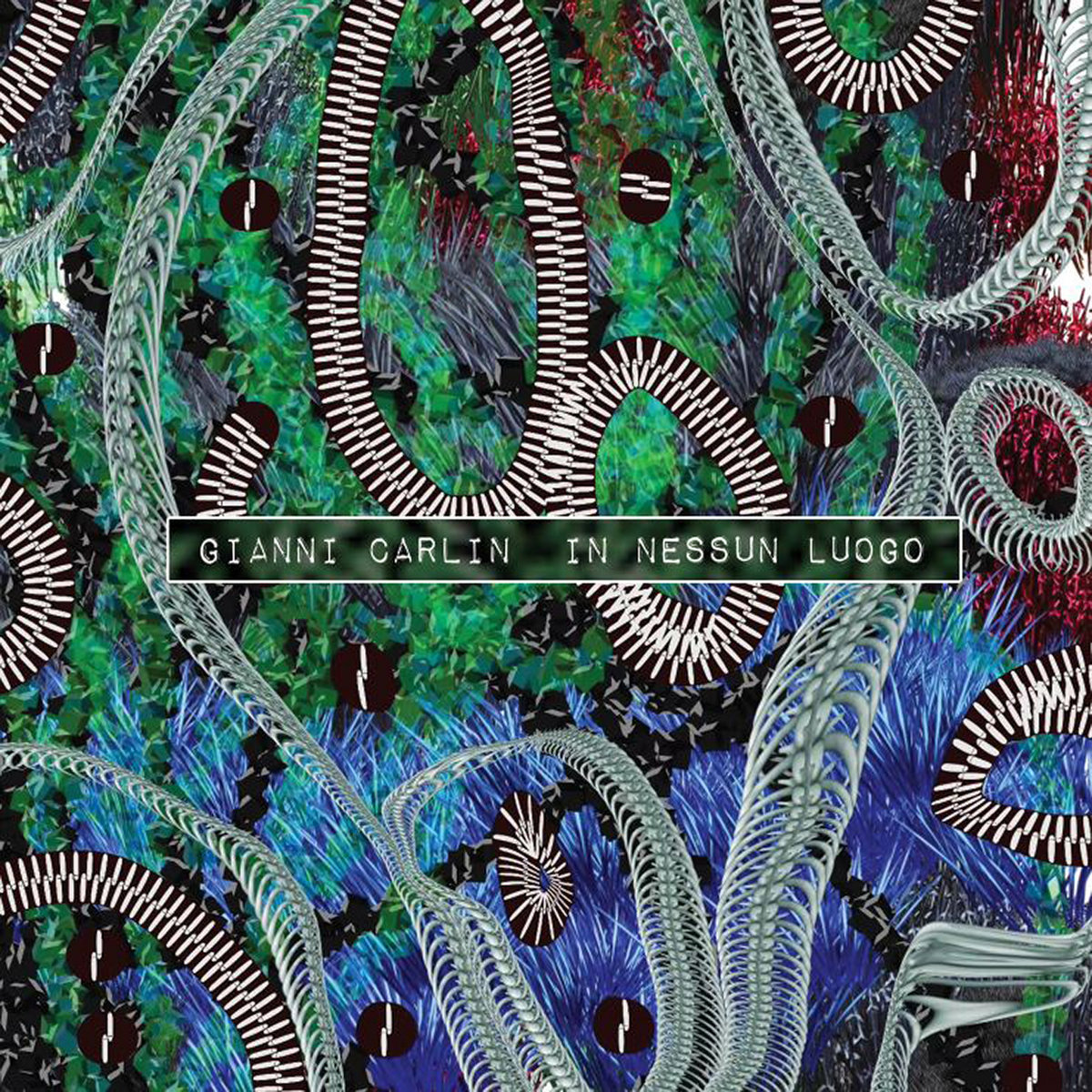
Artist: Gianni Carlin | Album:In nessun luogo | Genre: Progressive rock | Bandcamp
In nessun luogo features a mildly-lo-fi sound, but it works well. Flute is always prominent, providing some great, breathy contrast to the fat and rubbery bass that underpins much of the music. The songwriting is overall solid, though the 21-minute album opener is a bit unfocused at moments. There are some surprisingly catchy passages mixed in, and with the occasional dash of jazz and blues, it makes for a well-balanced record.
The debut record from this Chilean ensemble features intricately structured epics that unfold slowly. Delicate moments contrast heavier passages. Post-punk and art rock influences abound, and there is also clearly a deep debt to Windmill scene bands like black midi and Squid. While I overall like this record, it does have one glaring flaw, and that it is way too damn long. 78 minutes across eight songs leaves a lot of fat to trim, even when taking into account the fact that this is a post-rock record. This band is at their best during their heavier moments, like on “A. Latur”.








 The Elite Extremophile