Over the last two decades, Scandinavia has become one of the most prolific producers of prog in the world. Big-name acts (by prog standards) like Wobbler, Opeth, and Beardfish have made huge waves in the scene. Meer, a Norwegian octet, continues in this trend, blending complex compositions and arrangements with accessible, catchy pop tendencies (another Scandinavian tradition, which I’m considerably less fond of).
The eleven songs on Meer’s sophomore album, Playing House, show intense structural ambition. The music is densely layered, and the band utilizes dynamics to great effect.
I covered Toboggan’s debut EP back in 2019, and I really liked what I heard. It was jazzy, funky, and high-energy instrumental zeuhl. Toboggan’s guitar/keyboard player, Etienne Mazoyer, is in another zeuhl band, ZWOYLD, which draws more heavily from traditional prog and psych tones. There’s a lot of shared DNA between these acts, so if you like what you hear here, I strongly recommend checking out ZWOYLD. (Especially their 2016 album, ZGOND.)
The cover art of Première Descente suits the music quite well. The twisting, spiral slide gives a sense of the wild, swerving nature of the songs. Structurally, the individual tracks follow a long-short pattern, with long cuts running 9-14 minutes, followed by sub-two-minute breathers.
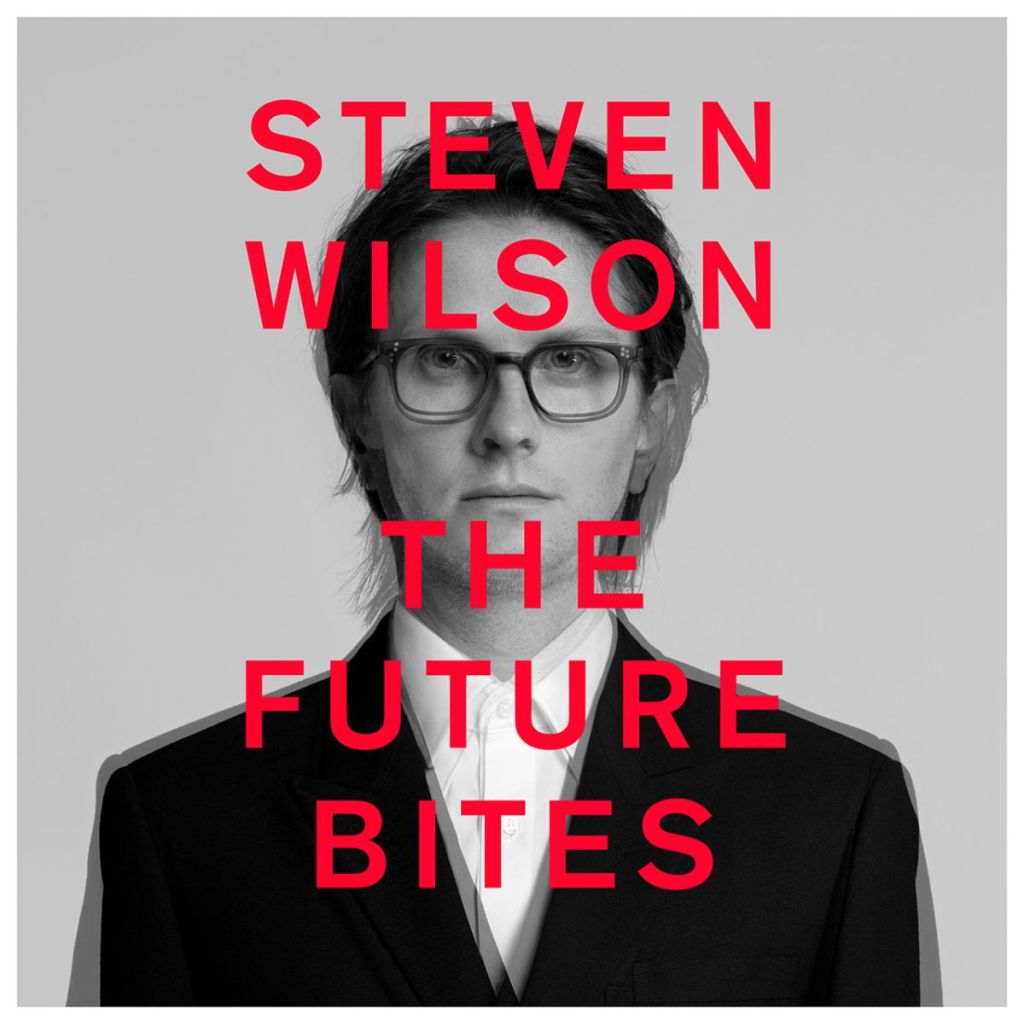
Steven Wilson, likely the biggest individual name in the current world of prog, returns with his sixth solo album. After making a name for himself with his longtime prog metal/rock band, Porcupine Tree, he struck out on a solo career (which I’ve documented here) that has tacked increasingly poppy over his last few releases.
Wilson had commented that he currently does not feel inspired when playing guitar, and his continued gravitation toward synthesizers is evident on The Future Bites. I have to give him kudos for following his musical heart and not kowtowing to prog traditionalists demanding another Deadwing or Hand. Cannot. Erase. I really respect him for broadening his horizons and playing what he wants to play. I wish more artists had that sort of integrity and adventurous spirit.
Happy 2021, folks! I took a couple weeks off, but now I’m back to my usual (mostly) weekly posts. I’ve got a queue of EPs and other releases for an upcoming Odds & Ends. I’m also nearing completion on my next Deep Dive, so expect that in early spring. I haven’t posted a full-length review in over two months, though! So, I’m shaking off the rust and highlighting a fantastic two-piece out of Cleveland.
There’s not much about this band online. They’ve got no presence on Facebook or Twitter or anything beyond their Bandcamp page that I can find. That’s a shame, because The Trial of the King is a great way to start off the year. This record feels like an alternate universe where Alex Lifeson and Geddy Lee were members of Yes. The overall sound palette is rich and full of retro synths, but the guitars are usually angular. The bass has a satisfying, snapping bite to it more akin to Geddy’s tone than Chris Squire’s usual overdrive.
Welcome to Part One of TheEliteExtremophile’s Top 50 Prog Albums of 2020, this site’s second-annual best-of list. It’s also my tenth year of writing year-end music roundups. The first eight were posted on my personal Facebook. Check out Part 2 here.
2020 was a banner year for progressive rock and progressive metal. There were so many fantastic albums released, and paring this list down to just 50 was often a painful process. Even more difficult was deciding on the exact order of these albums.
Like I said last year, I’m sure there are some excellent albums not included. This site is a one-man operation (in relation to reviewing, that is; my editors, Kelci and Dan, have been tremendously helpful), and I simply cannot listen to everything that gets released. I also have my personal biases against some rather popular trends in prog, which affected the composition of this list. But if you’ve got recommendations, do not hesitate to shoot them my way.
Welcome to the first installment of my 2020 best-of lists, TheEliteExtremophile’s Top 5 Prog EPs of 2020. Expect the two-part Top 50 Prog Albums list next week.
Prog is a pretty long-winded genre, so the number of EPs I listened to was low, somewhere in the 12-15 range. However, there were some absolutely killer releases, and trimming this list down to 5 was tough.
As I stated last year, I’m sure there are some excellent releases not included. This site is my personal pet project, and I simply cannot listen to everything that gets released. I also have my personal biases against some rather popular trends in prog, which affected the composition of this list. But if you’ve got recommendations, do not hesitate to shoot them my way, either through this site, email, or my Facebook page.
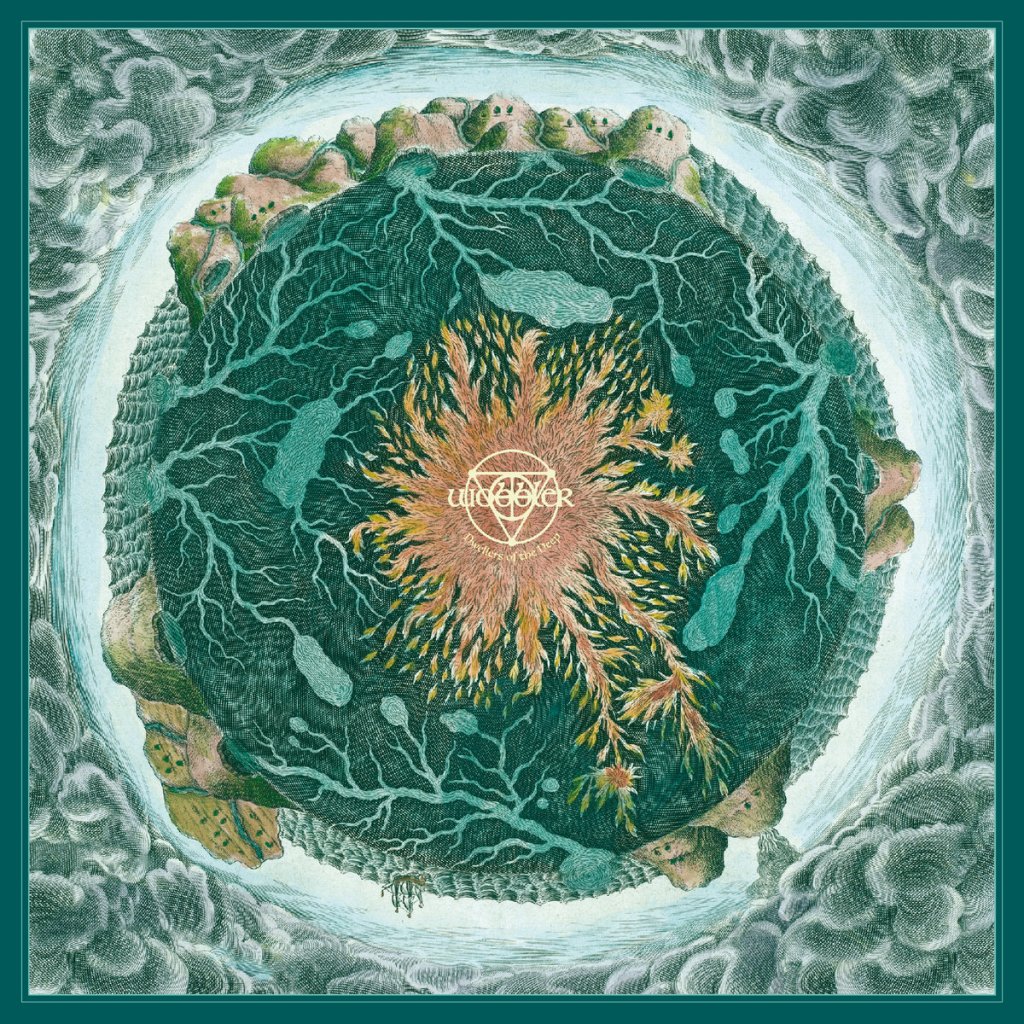
Wobbler are indisputably one of the top dogs of the modern progressive rock scene, and I quite like them. However, I view them as one of the most overrated acts out there. They’re certainly not bad, not by a wide margin. Nevertheless, From Silence to Somewhere (their 2017 release) is ranked 28th all-time on Prog Archive’s list of the top prog albums, which is ridiculous. It’s a very good record which cracked my personal Top 10 that year, but it certainly ain’t the 28th-best prog album of all time. At time of writing, Dwellers of the Deep ranks 52nd on that same list, and that’s even more egregious. (That list, aggregated off user reviews, has all kinds of other odd inclusions and exclusions, and I’ve got my own gripes about that site’s users’ biases.)
I also find the progosphere’s eager deference to this band off-putting, and I’ve witnessed an awful lot of hand-waving at just how Yes-y they’ve become over their last few albums. Their Yes-iness isn’t an inherently bad thing. Rites at Dawn is my favorite of their records, and that is arguably their most blatantly Yes-like release. But after a while, such obvious aping of another act’s sound does begin to wear thin, and Yes varied their sound more than Wobbler have. To reiterate: I like Wobbler, but I don’t view them through the same irreproachable lens that many other prog fans seem to hold.
Now that I’ve gotten my expository rant out of the way, I can address the album at hand. Dwellers of the Deep is this Norwegian quintet’s fifth full-length release. Upon first listening to it, I was struck by the fact that I could identify no appreciable differences between this album and From Silence to Somewhere. The sound palette hasn’t been shaken up, the albums’ structures are similar, and the melodies feel too familiar—bordering on re-trod. However, the strength of Wobbler’s baseline sound is such that even with these considerations in mind, Dwellers of the Deep is still a pretty good record. Not amazing, but pretty good and worth listening to.
I’ve discussed Spinda Records and their consistently high-quality underground prog and psych before. Moura’s self-titled debut—released by Spinda in March—might just wind up being my album of the year, but my year-end list is still taking form. The latest release from this label is the third album from Acid Mess, Sangre de Otros Mundos (Blood of Other Worlds).
The album opens with “El Reflejo de Su Piel” (“The Reflection of Your Skin”). The first half of this song is slow and atmospheric: clean guitar echoes as a squiggly, fizzy synth line winds its way beneath. That suddenly erupts into a distinctly Spanish guitar riff imbued with metallic aggression. Handclaps add a distinct textural element, and swirling organ, though low in the mix, makes everything feel fleshed-out.
There is no shortage of instrumental EPs and albums put out by guitarists. Many of these releases tend to be self-indulgent and focused on technical soloing. Because of that trend, it’s always a refreshing change of pace when I run across someone like Xander Naylor, who functions more as a composer who just so happens to play guitar, rather than a guitarist composing pieces for his instrument.
Continuum is Naylor’s debut full-length record, and it reminds me of Steve Hackett’s solo material. Not so much in sound, but more so in that while there’s plenty of skillful instrumentalism, it isn’t to the neglect of structure or vision.
Nightcap at Wits’ End—the fourth album from Garcia Peoples—shows the band’s continued evolution and refinement of their sound. Their first two albums were psychedelic garage rock pieces with some underlying prog leanings. One Step Behind (their third release) was centered around a 32-minute krautrock opus. This record dials back the scale of things, with only one song topping seven minutes.
The sound presented here is also something of a middle ground between their first three releases. This is undoubtedly a progressive rock album, but it hearkens back to the very earliest days of progressive rock, when the lines between psych and prog were even blurrier than they currently are. It draws a great deal of influence from those first prog bands, such as The Moody Blues, the first King Crimson lineup, and early Canterbury acts like Egg/Uriel.








 The Elite Extremophile