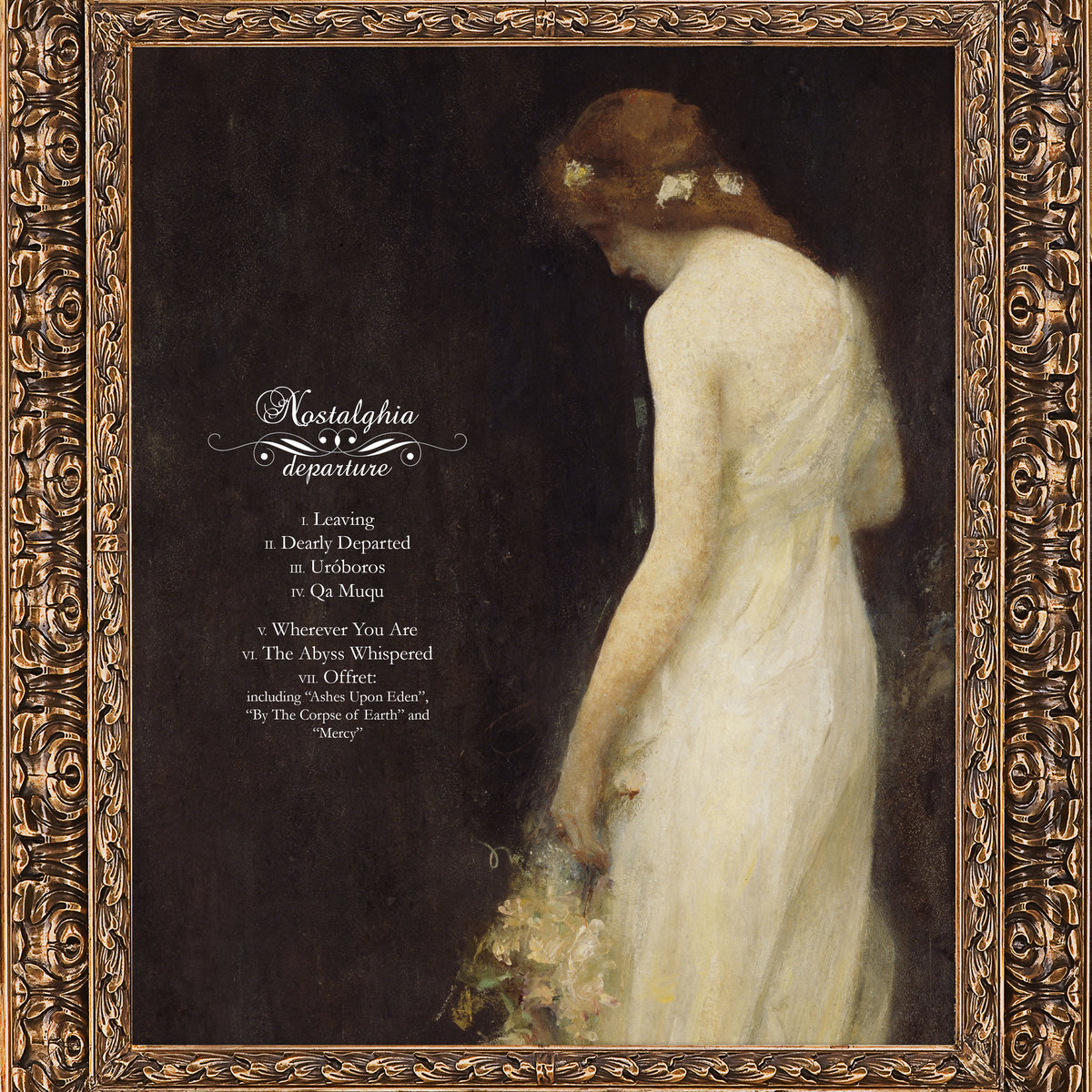
Nostalghia is a one-man project helmed by Mexican multi-instrumentalist Alex Becerra. This album is my first exposure to Nostalghia, but it looks like this is a very prolific project. According to RYM, this Departure is Nostalghia’s 14th release since their debut in 2020. The music on this record is stunningly diverse and ambitious. Aside from the band’s black metal roots, jazz, classical, alt-rock, classic prog, and more all play important parts here.
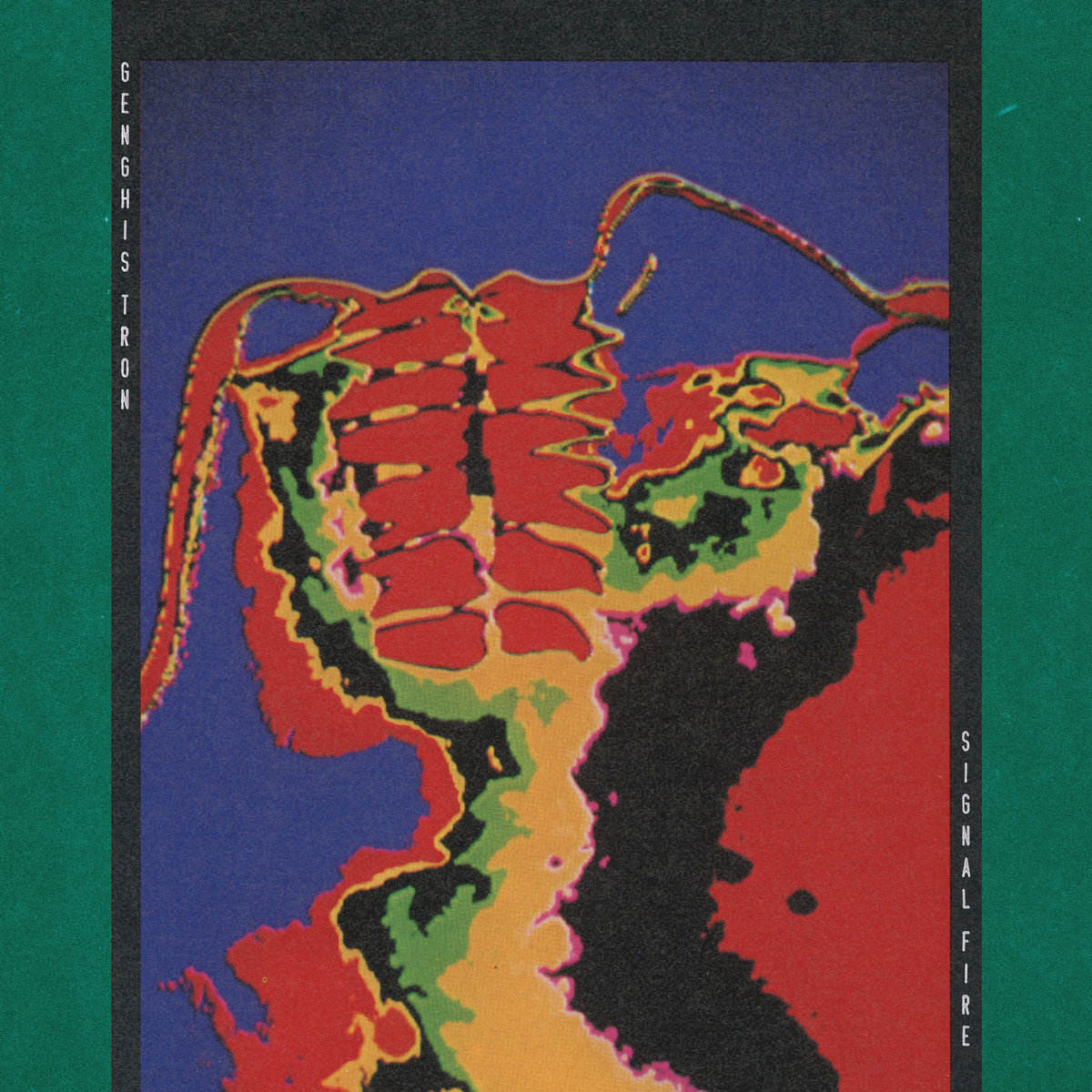
Genghis Tron’s last album, 2021’s Dream Weapon, was my introduction to the band. It was also a rather sharp break with their first two records. Where their first two were scourging mixtures of electronica, grindcore, and mathcore, the lush textures and restrained tempos of Dream Weapon were downright relaxing by comparison.
Their new album, Signal Fire, then, is something of a return to their earlier sound. It’s not entirely without the spacey post-rock elements that dominate on Dream Weapon, but this is a much more intense and aggressive release.
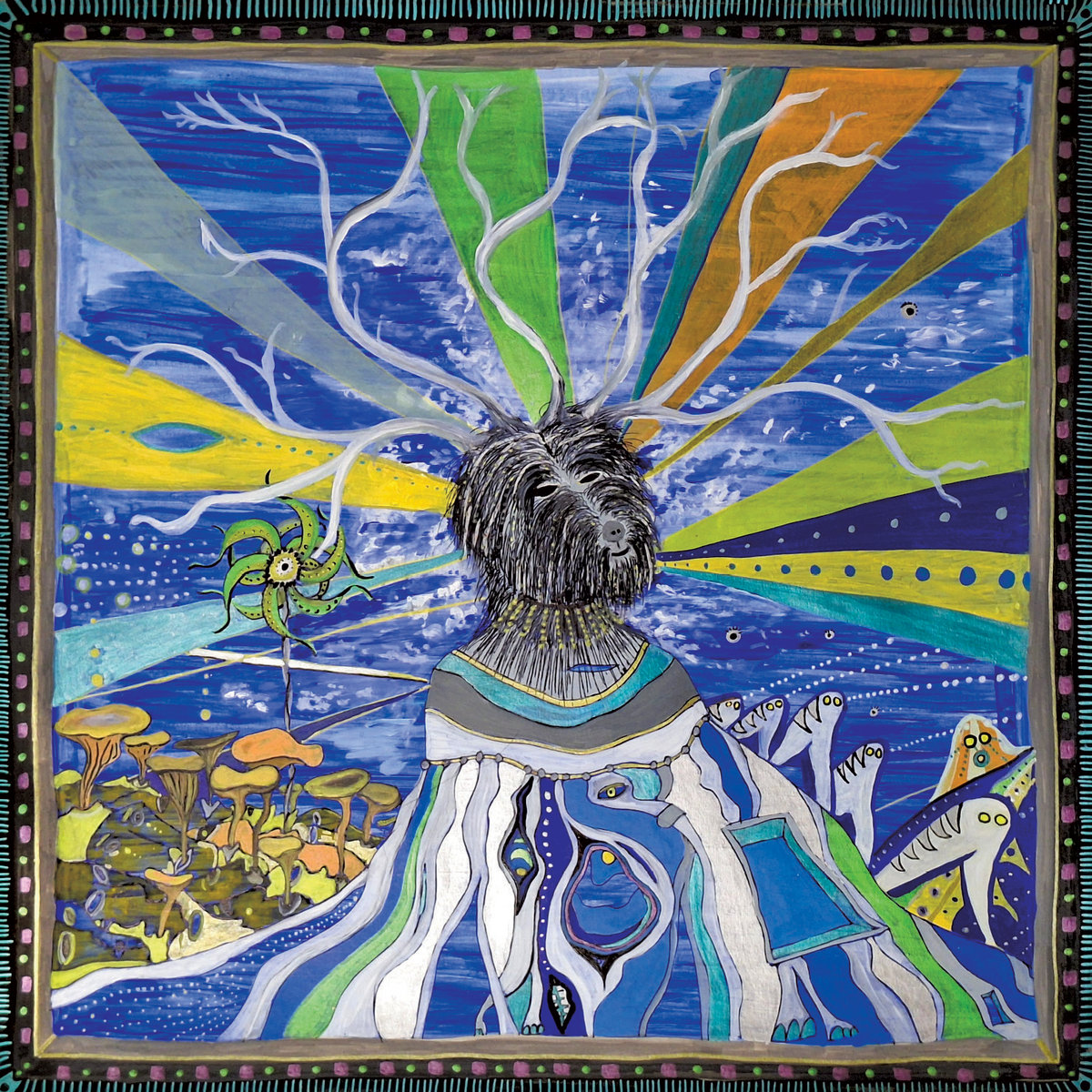
Le Grand Sbam is a band I’ve been aware of since their founding. I’ve listened to their previous two albums, but neither one really quite clicked with me. I could tell there were a lot of elements I liked. This is a band I should like, but it just didn’t quite coalesce.
I went into Janus, their third full-length release, with my usual hopefulness for a good experience. There have been no major changes to their sound, but something just hit a bit different this time, and I wound up really enjoying it.
This work is apparently an excerpt of a “Chthulu opera”–also titled Janus–written by Antoine Arnera, keyboardist for both this band and PoiL. It flows together as one massive, unified piece, and it shows incredible vision and ambition. This opera–about environmentalism, feminism, and flatulence–is paired with music that is simultaneously serious, complex, and whimsical.
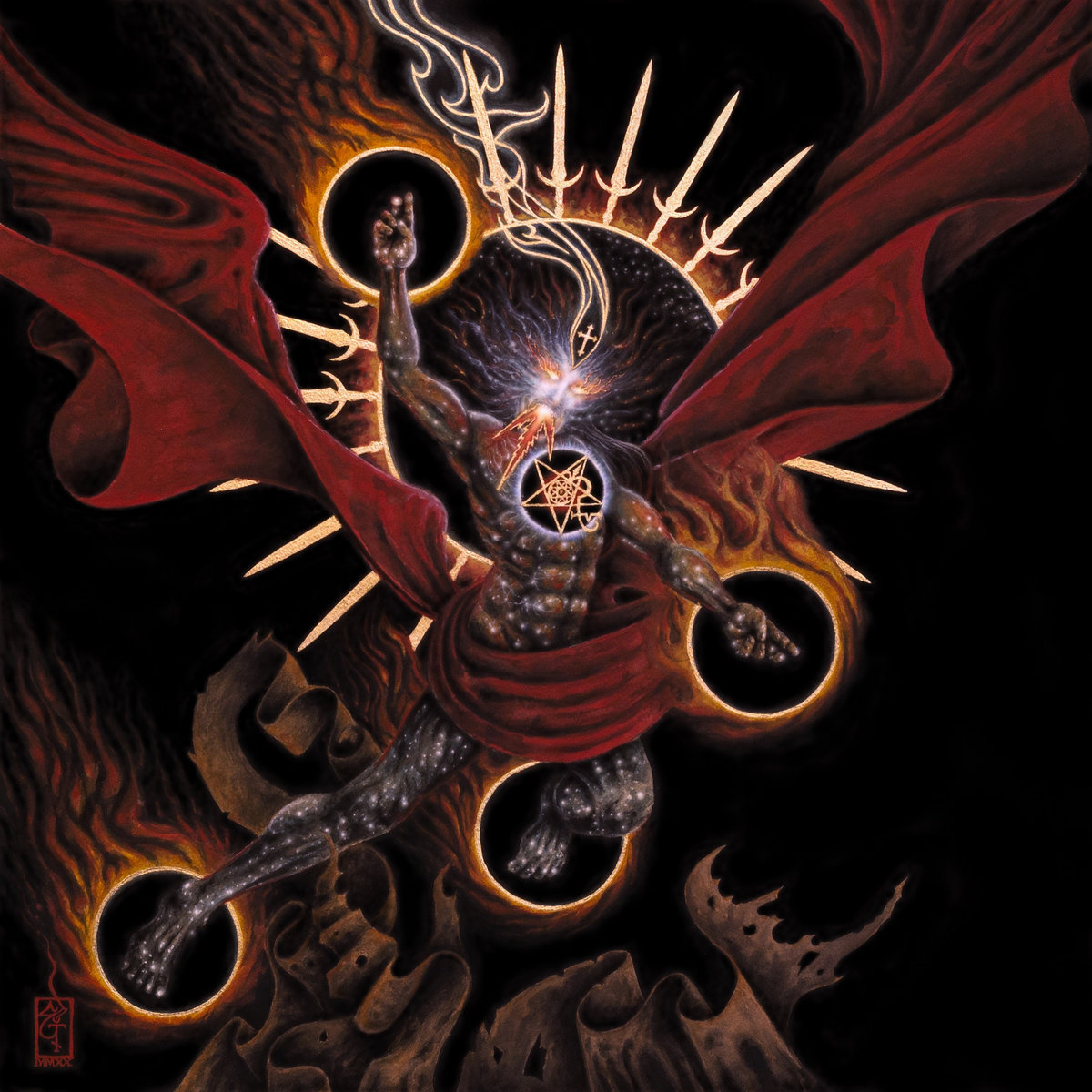
I first found out about this record through Rate Your Music’s handy “Upcoming Releases” feature. It was there that I saw Panegyrist had their first new music since 2018 coming out! Their lone LP, Hierurgy, is a stunning, unique release. It blends avant-garde black metal with liturgical music and lyrics so dense and obscure that I feel like I need a theology degree to understand them.
Sunthema, the four-way split LP with Panegyrist and three other acts, continues on that trend. (Side note: Personally, I would have transliterated the Greek “συνθεμα” as “synthema,” but to each their own. The word is more often found in its plural form, synthemata, and it refers to any signs, symbols, or material tokens, especially those associated with certain rituals. Esoteric terms and ideas are prominent on this record.) All four acts here weave their brands of forward-thinking metal with Christian mysticism to make something powerful and enthralling.
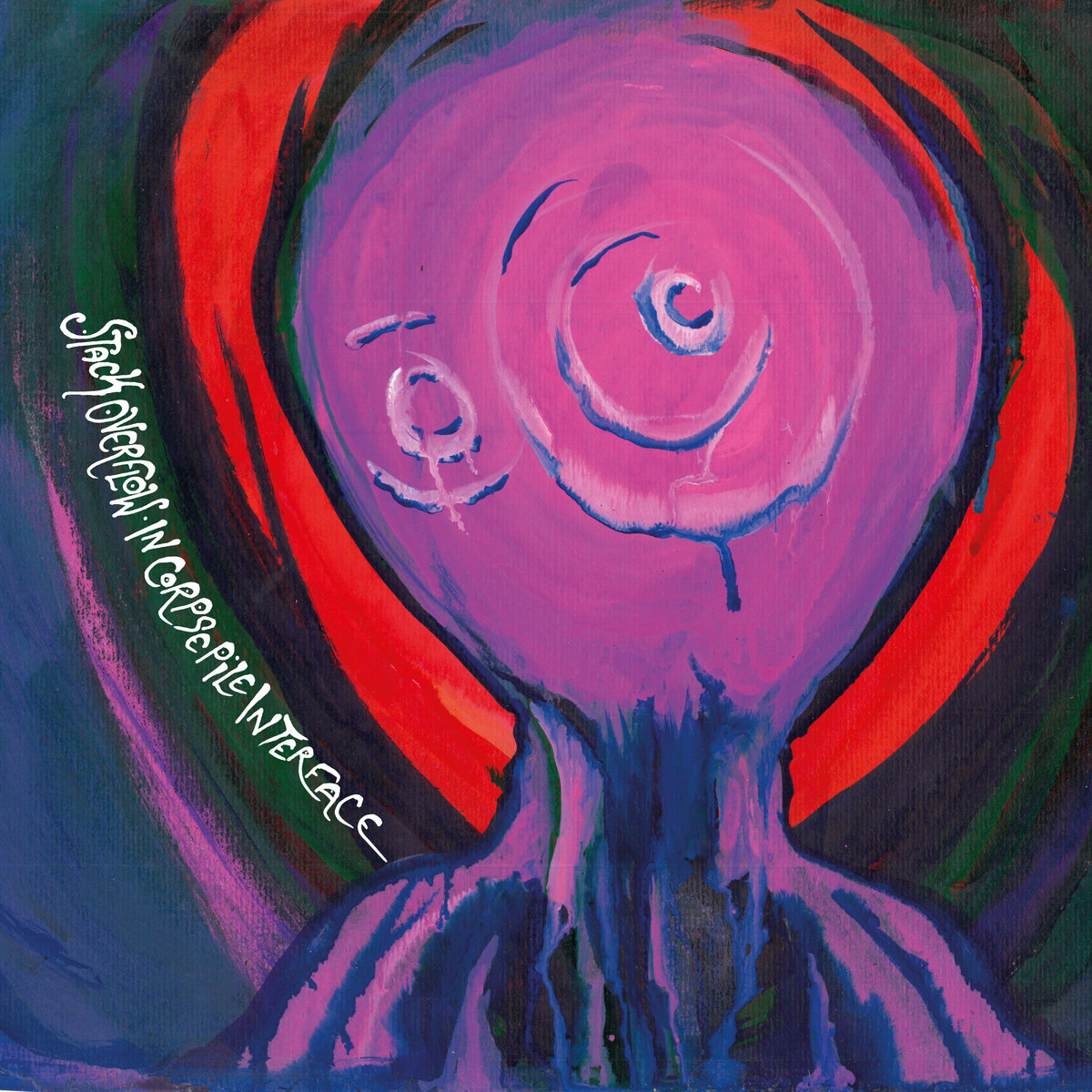
A Forest of Stars has been around for nearly 20 years, but this record is my first exposure to them. It is their first release in eight years, so, in my defense, they have been quiet lately. Stack Overflow in Corpse Pile Interface is their sixth full-length release, and it’s full of theatrical, abstract, and highly emotive music that draws from classic prog, folk metal, folk, and avant-garde music. It’s a demanding record: the six songs range between nine and 17 minutes in length, and all the compositions are dense as hell. But it’s well worth your time and attention.
I’ve found Elder’s work to be a bit inconsistent over their last few releases. After the stellar Lore and Reflections of a Floating World, Omens was spotty and failed to deliver on the band’s promise of change. The Gold and Silver Sessions were an interesting (if unnecessary) foray into krautrock. ELDOVARwas a neat collaboration album; and while I liked Innate Passage, it’s not a record I’ve found myself returning to. Last year’s EP was also a bit of a split decision from me, with one good-but-not-exactly-memorable song and one fantastic one.
Across the span of these last few releases, I’ve sensed that Elder has had a desire to more fully embrace progressive rock, but they’ve had a hard time escaping some of the songwriting tricks and patterns they’ve long utilized.
Through Zero, Elder’s seventh (or eighth or ninth, depending on how one counts splits/collaborations) full-length album, is their greatest success since 2017’s Reflections. On this record, they’ve fully embraced progressive rock while also maintaining their unique voice. Synthesizers and other keyboards are integrated more fully here than anywhere else in their discography. Their classic heavy psych stylings are still prominent and an integral part of their music, but they’re supported by a greater diversity of sounds. Literal textures and tones, as well as melodies and songwriting styles, are more varied on this record than they’ve been before.
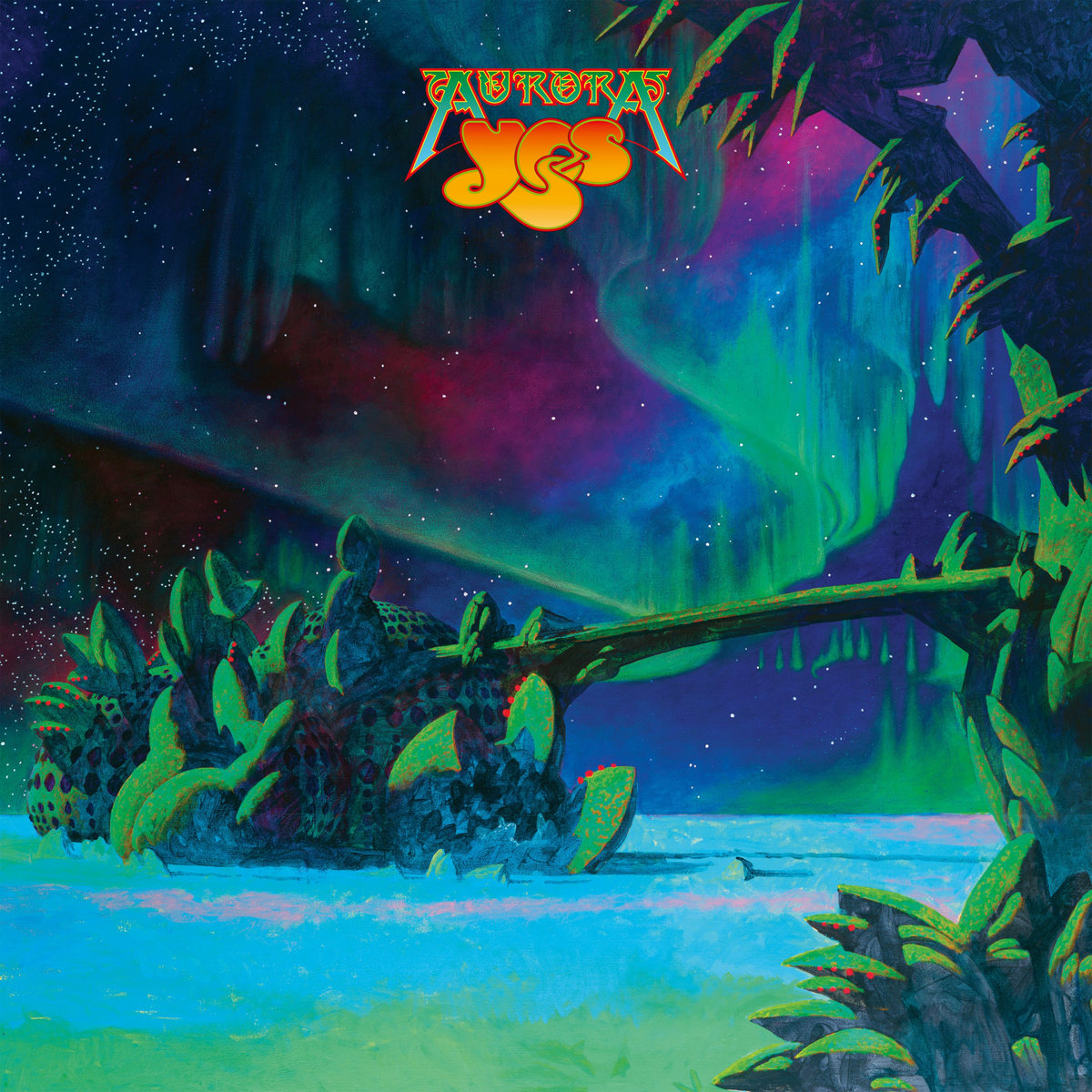
Look, it’s a new Yes album. We all know who Yes are. We know what we’re signing up for. I had low expectations, despite Mirror to the Sky being pretty decent overall. Let’s just get to it.
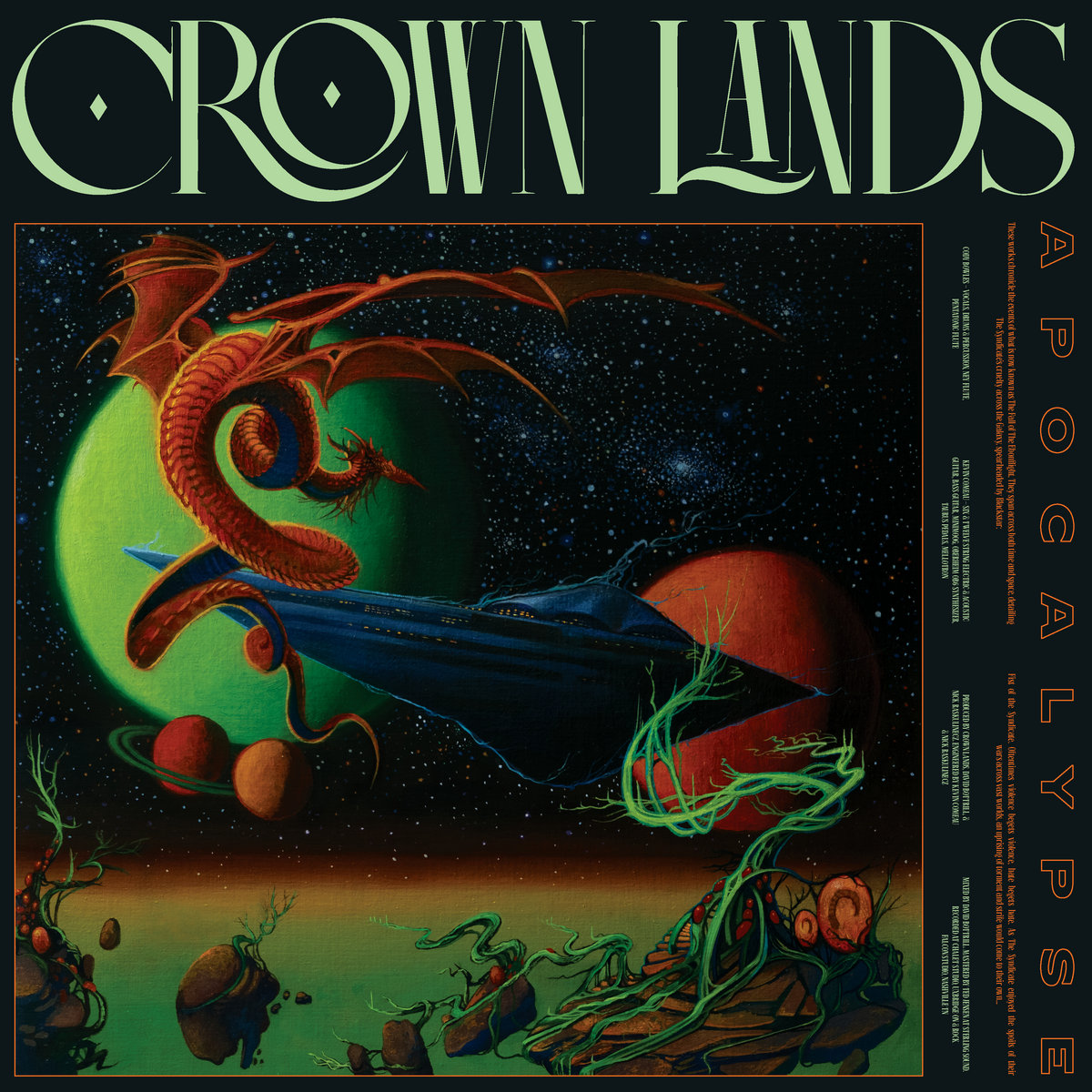
Crown Lands is a Toronto-based duo with a sound firmly rooted in mid-70s hard rock and prog rock. Unlike a number of other retro-focused bands I’ve covered here, this pair do a great job at keeping those sounds fresh and lively. Depending on how you want to classify prior releases, Apocalypse is their second, third, or fourth full-length release.
The Magpie Arc is a British quartet that spins traditional folk songs of the British Isles into hard-hitting, proggy folk rock, and Gil Brenton is their second full-length album. Where many bands I describe as folk rock are primarily rock acts with some folk influences, this band is the inverse. Their vocal style and instrumentalism belie a deep love of British folk music, and that helps give their music a character that stands out from other acts in a similar space.
Apparently Tusmørke put out an album last year that I missed, but they’re prolific enough, there’s never that long a gap without them on this site. Balderdom (Baldness) follows in a template similar to Dawn of Oberon, in that it consists of a handful of shorter songs and a side-long epic. Tusmørke’s unique Norse-folk-prog is on proud display here, and this is another strong entry in their catalog.