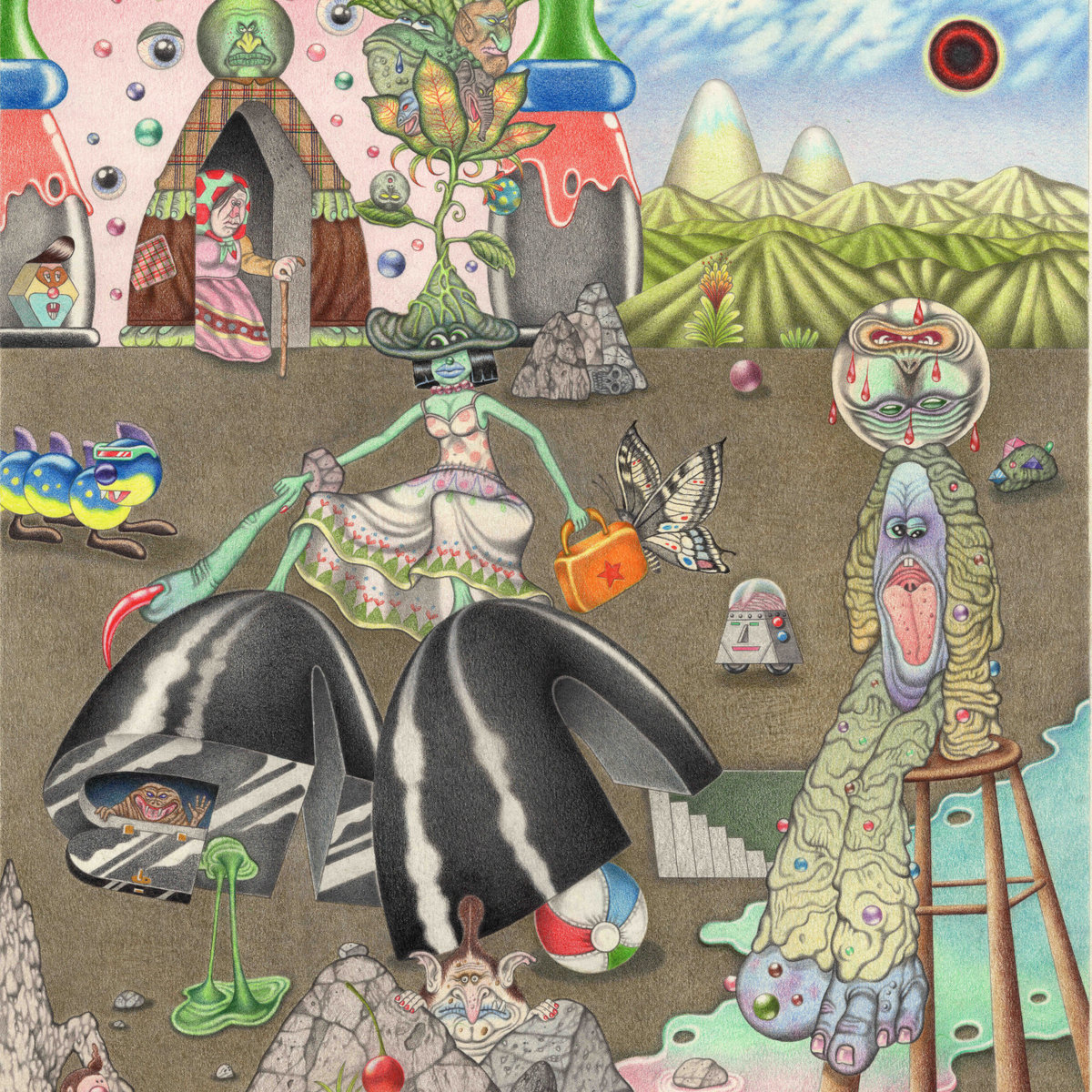
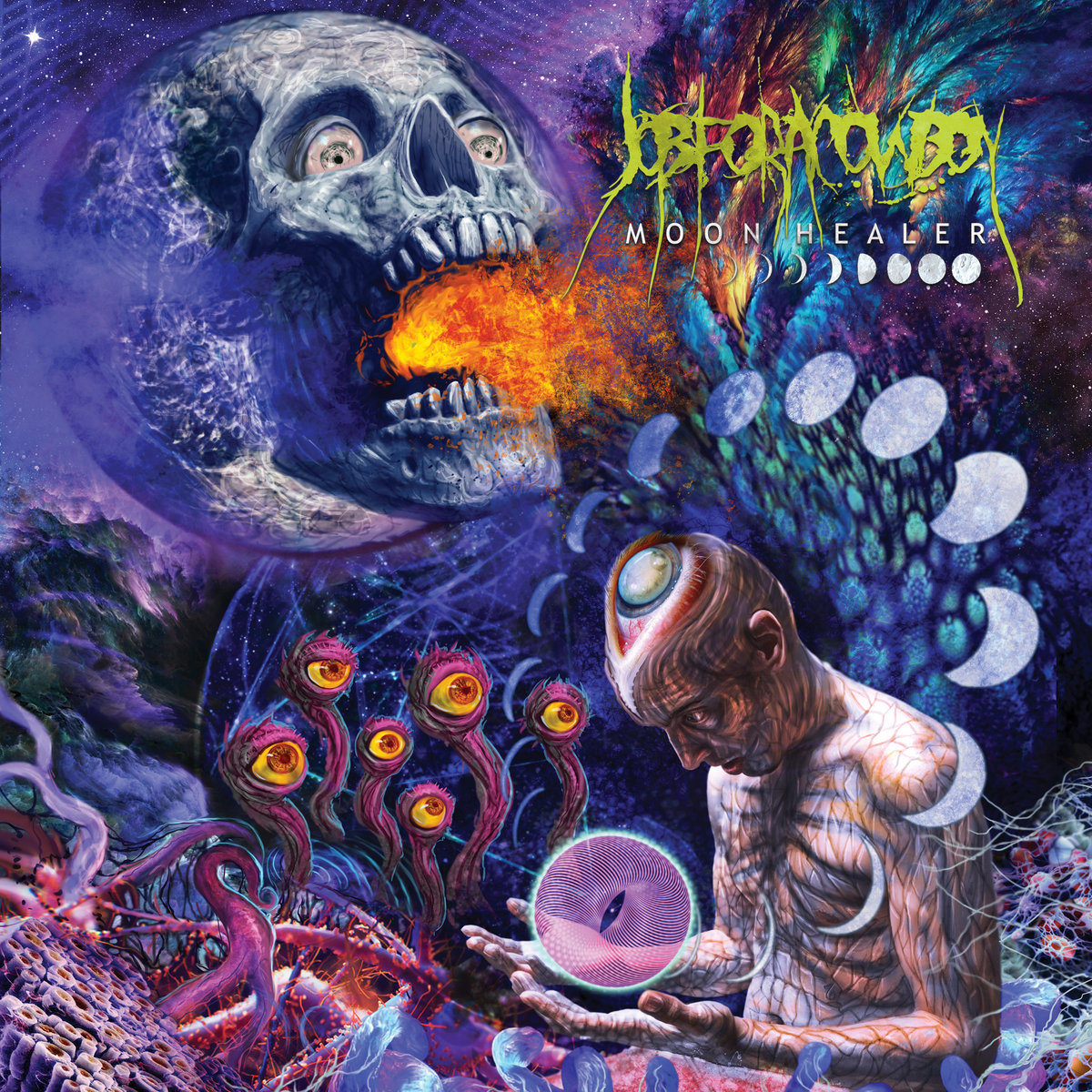
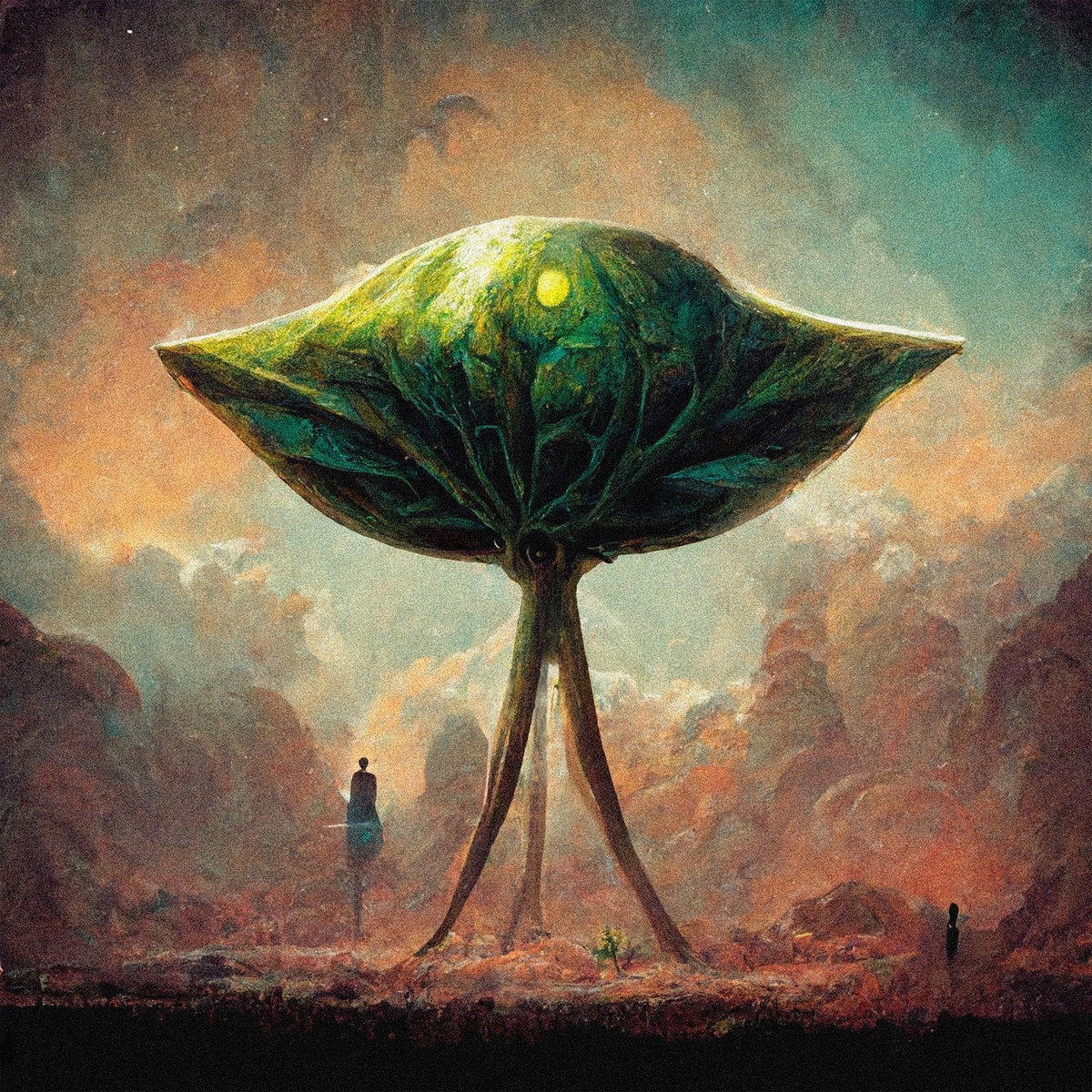
Plantoid is a Brighton-based four-piece that expertly manipulates textures to create an enveloping auditory experience. Jazz and psychedelia commingle on Terrapath, along with progressive rock, indie rock, and bits of folk. The sci-fi album art matches the hazy, otherworldly feel of the music. The band manages to establish a sense of musical continuity without coming off as repetitious or uncreative.
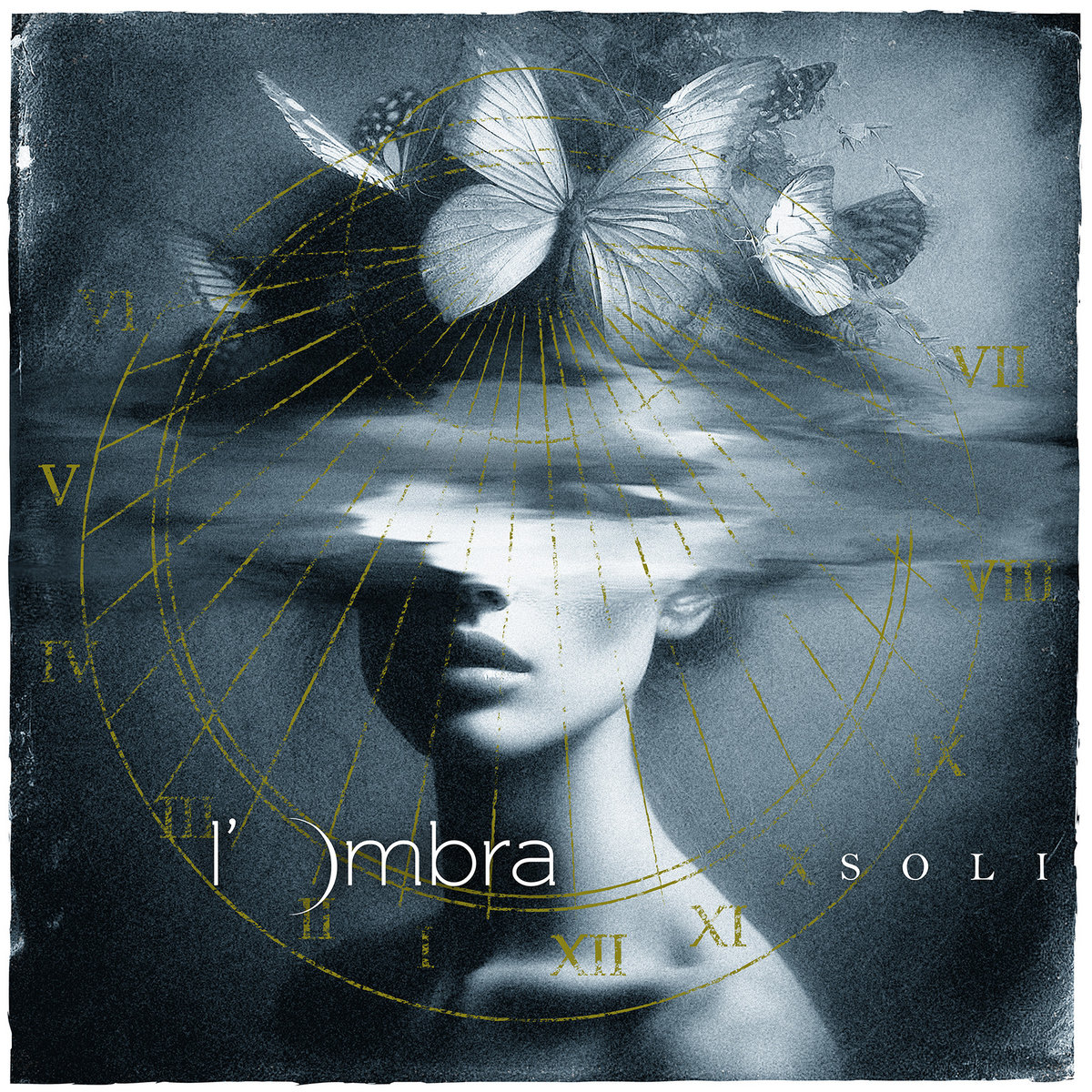
Back in 2019, L’Ombra’s debut EP took the top spot on my inaugural Top EPs list. Their music was relatively accessible, but it still featured plenty of artsy, inventive playing and arrangements. One of the things I liked most about it was how it used language. The five songs were in Italian, French, and English. The Italian and French songs had influences that drew from the classic eras of Italian and French progressive rock.
Five years later, they’ve come back with their debut full-length album, Soli. It stays in a similar overall vein as their self-titled EP, but the obvious linguistic-musical dynamics are less pronounced here. The Italian bits aren’t as reminiscent of classic Italian prog, and the French bits don’t necessarily feel all that French. The overall tenor is jazzy and rather relaxed, and it winds up being pretty solid.
The Chronicles of Father Robin return with the conclusion of their Airoea trilogy. Book I covered the land of Airoea, and Book II its waterways. You can read about my thoughts on those, as well as some notes on this band’s background, in my original reviews. Book III, now, is exploring the skies of Airoea.
With the Airoea trilogy now concluded, I’ve included my thoughts on the project as a whole at the end of this review.
I pride myself on generally being pretty good at pronouncing non-English words reasonably closely to how they would be by a native speaker. (I make no claims about my ability to string together a coherent sentence, mind you.) However, the spelling systems of Irish and Scottish Gaelic truly baffle me. I’ve been told that they actually make a lot of sense and are fairly consistent, if you sit down and learn the conventions. I haven’t done that, though, so this band’s name, Sgàile, made me raise an eyebrow. It turns out it’s pronounced roughly “sky-lee,” (which is not too far off what I would have guessed), and it means “shade” in Scottish Gaelic.
Sgàile is the brainchild of multi-instrumentalist Tony Dunn, and Traverse the Bealach is their second full-length release. (“Bealach” means something like “way” or “road,” according to Google Translate.) There is an unmistakable Scottishness to this music, and there are some passing similarities to Saor, another notably Caledonian metal act. But where Saor tends to be more atmospheric and impressionistic, Sgàile’s riffs have a bit more punch and definition behind them.
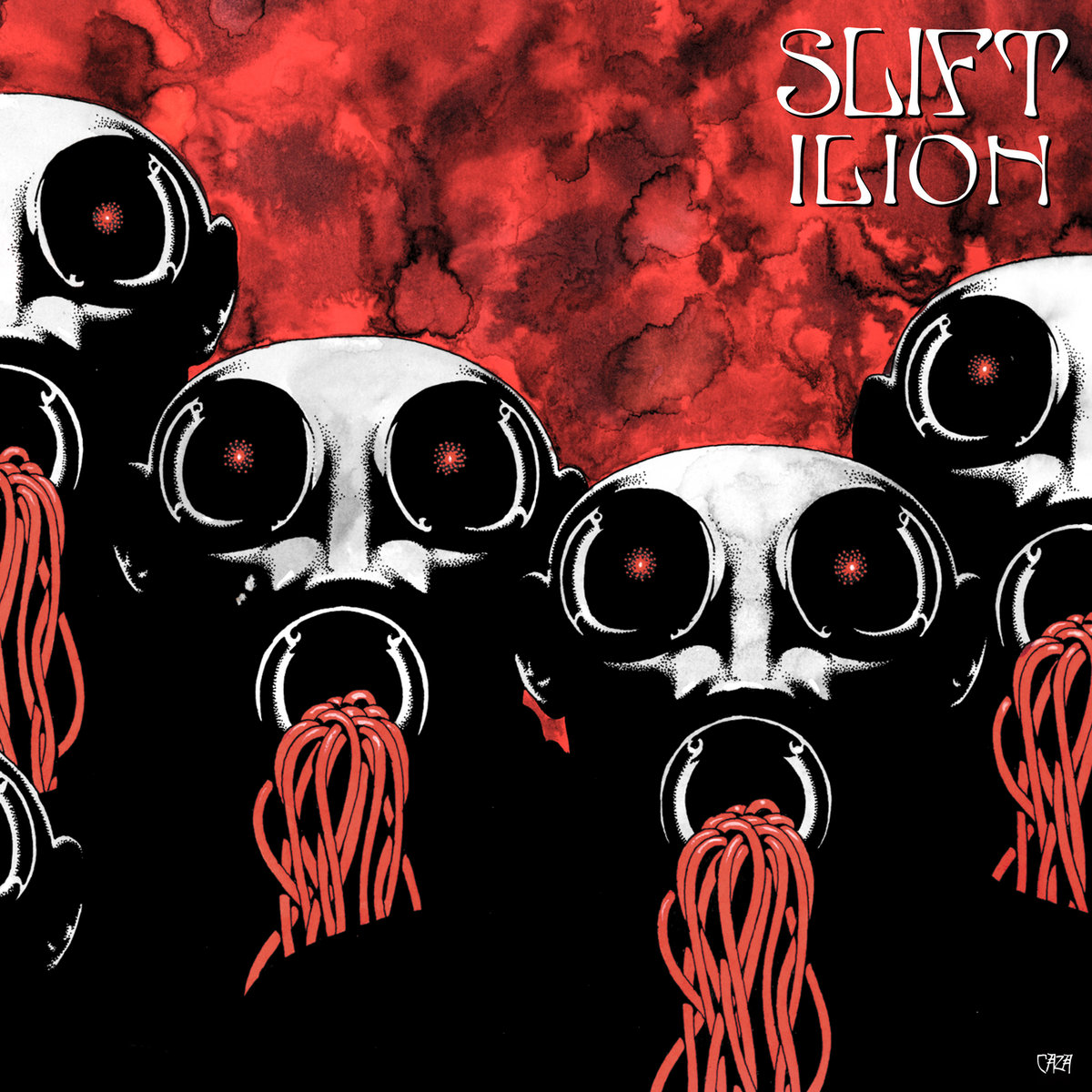
Slift is back after a four-year gap with their new album, Ilion. The band has stated that Ilion can be thought of as a direct sequel to Ummon, their 2020 release. There is a lot of sonic continuity between the two records. Both prominently feature bludgeoning doom metal riffs, crossed with krautrock-like repetition, and interstellar aesthetics. Much like Ummon, Ilion is a challenging listen. It’s a nearly-unrelenting onslaught of heavy riffs that cascade effortlessly from your speakers. I saw Slift when they came to Seattle last year, and if they come again, I’m going to go once more. They put on a great show, and I’m sure these cuts will be great additions to their live set.
In many ways, Ilion takes what Ummon did and cranks it up even further. Ummon saw Slift shift from spacey garage rock to a more metallic sound, and that progression has continued here. Not only are doom metal influences present, but post-metal, too. Ummon runs 72 minutes across 11 songs, but Ilion pumps that to 79 minutes across only eight songs (only two of which are under nine minutes, and none of which are below five).
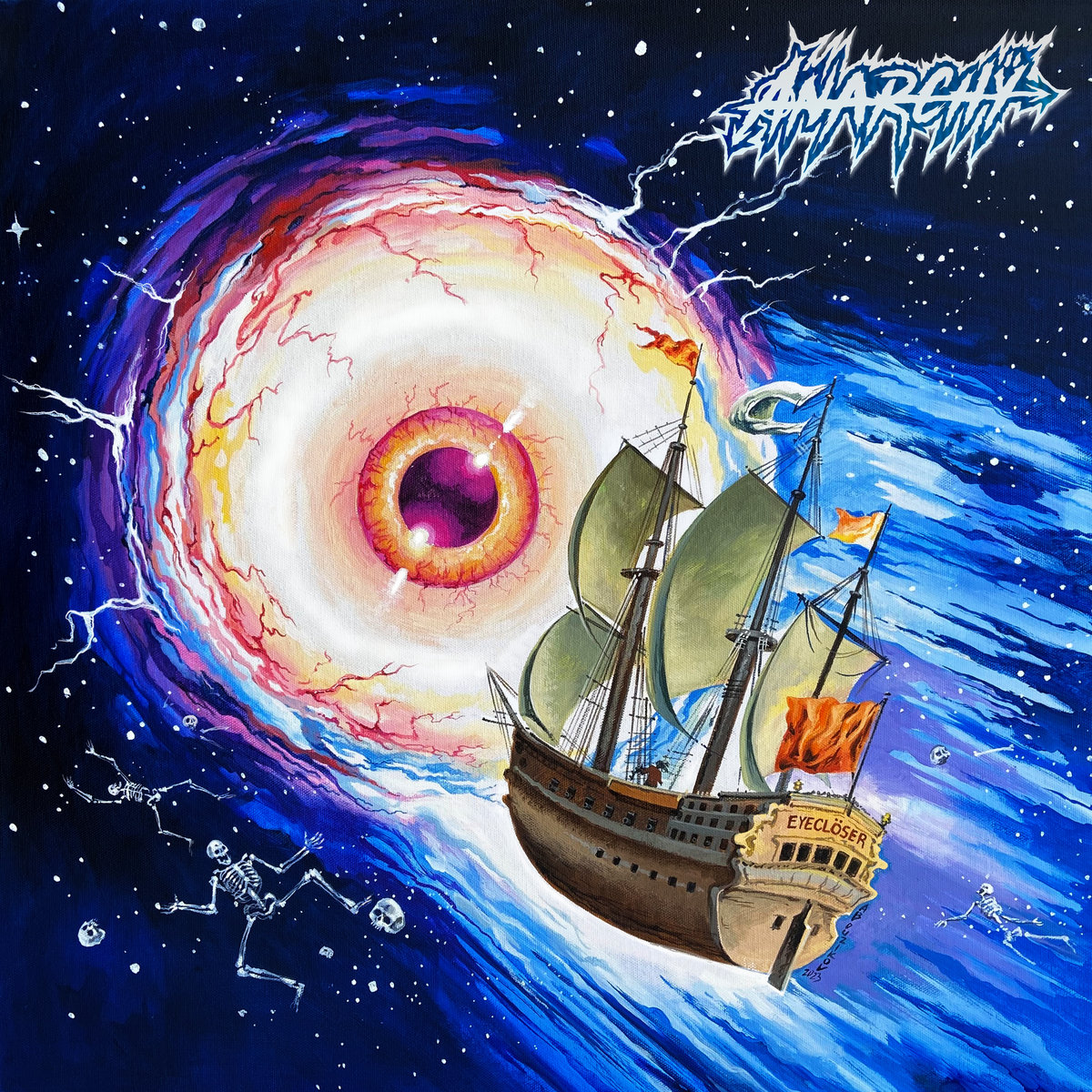
When I covered Anarchÿ’s debut album a couple years ago, I noted that thrash (and especially prog-thrash) is not the most widespread or vibrant metal subgenre at the moment, but the few bands in the current vanguard are pretty solid. Vektor is not known for a rigorous release schedule, and Droid–a Canadian prog-thrash act I like a lot–put out one album seven years ago, and it’s been radio silence since. With Anarchÿ, it’s nice to have a semi-regular flow of new music.
Or, well, mostly new music. Eyeclöser, the band’s second full-length record is three-quarters new material, but it does feature a handful of rerecorded songs originally from their 2021 EP Breathing Necropolis. As a proportion of this album’s total runtime, rerecordings have a combined length less than this album’s centerpiece suite. This is a long record, so get comfortable before settling in for it.
I’ll be the first to admit that I don’t know much about the contemporary Chinese musical scene. Within the Sinosphere, the only acts I’ve got any familiarity with are Zhaoze–a post-rock act I’ve covered which is based out of Guangzhou–and Taiwan’s Chthonic, a relatively well-known metal band. I did recently run across WV Sorcerer Productions on Bandcamp, a French label which specializes in underground Chinese psychedelia, but I haven’t dug too deeply into that yet. The point I’m trying to make is that I don’t know what current trends or strains are running through Chinese music.
Ὁπλίτης (Hoplites) is a Ningbo-based band I’ve been aware of for about a year. I ran across their debut album Ψευδομένη (Psevdomeni, Eng. Counterfeit) early last year. It’s a striking, smothering technical black metal record that utilizes dissonance in an interesting way. The fact that all the song titles and everything else are in Greek also made it pop out to me on Bandcamp when scrolling through the “progressive metal” tag. They put out two more albums over the span of 2023, but none of them really felt like a proper fit for this site. Παραμαινομένη (Paramainomeni, Eng. Perpetuated), though, is their most overtly proggy release yet.
I went over the three-decade background of this band in my review ofBook 1, and I mentioned that I hoped the three planned installments would have distinct characters. Where Book 1 covered the lands of Airoea–hills, valleys, forests, and so on–Book 2 focuses on the waterways of this realm. There is a noticeable tonal and timbral difference between these two records, and I appreciate that effort. The songs here have a distinctly aquatic vibe.
I do my best to avoid falling into ruts on this site. I’m purposely vague about what constitutes “progressive rock,” “progressive metal,” or any other “weird and/or experimental” music I cover on this site. This approach also extends to my attempts to highlight a lot of different record labels. At times, I feel like this site can border on being a showcase for Spinda, Karisma, or InsideOut. One of those labels I frequently feature–and possibly my favorite metal-focused label at the moment–is I, Voidhanger. This Italy-based label focuses on experimental and extreme metal, and their page always makes up a significant portion of my Bandcamp wishlist. I’ve covered multiple acts of theirs in the past, including Creature, Neptunian Maximalism, and Fleshvessel.
Bekor Qilish is another of I, Voidhanger’s acts that I’ve covered before. Their release from last year, Throes of Death from the Dreamed Nihilism, was one of my favorite short releases of 2022. The Flesh of a New God continues in a similar sonic vein, featuring scourging black metal and rich keyboard tones.
I like Merlin. I’ve covered them a couple times before. The Mortal is a pretty solid stoner metal release with healthy doses of prog and psych, and “Merlin’s Bizarre Adventure” is a mind-bending cavalcade of incongruous musical ideas that somehow gel. I’m also pretty fond of their albums The Wizard and Christ Killer. (The latter is based on Nick Cave’s bonkers idea for a sequel to the film Gladiator; read about it!) In addition to putting out good music, they’ve got one of the best social media presences I’ve run across. Their Facebook page consists of scores of strange, self-deprecating memes that always amuse. (One such meme, posted probably a year ago or so, said something to the effect of of, “Yeah, we’re into NFTs: Not Fucking Touring.” Though Merlin might not tour, I apparently missed an opportunity to see them live early in their career. I lived in Lawrence, KS, from late 2012 until late 2014, and they posted some photos from a show in 2014 they had at The Bottleneck, a live music venue in Lawrence. I went to a good number of live shows while I lived out there, so I am bummed I never happened to see them.)
Moving on to the substance of Grind House, their sixth LP, it’s tough to figure out where to start. Historically, they’ve been a stoner doom band with some artsy leanings. But back in 2020 or 2021, they put out this strange, jazzy single, “Master Thief ‘77”, which presaged the aggressive move away from the stoner doom they championed on “Merlin’s Bizarre Adventure”. In a Facebook exchange I had with the band’s vocalist, Jordan Knorr, he explained Merlin’s next album was going to be based around the theme music to a series of fictional films and that it would be completely different from the band’s prior output. And true to his word, this is a bizarre, unexpected, and very fun release.