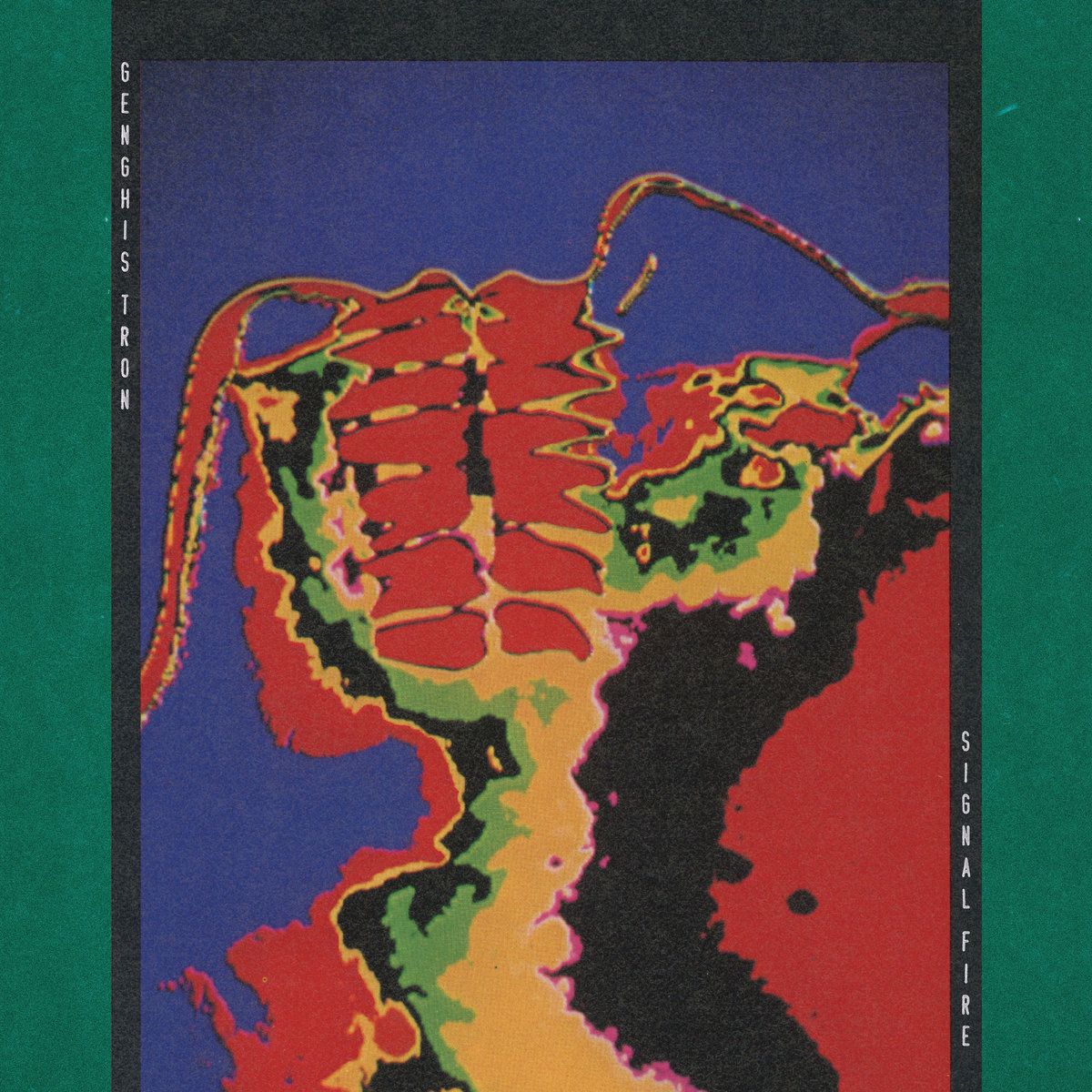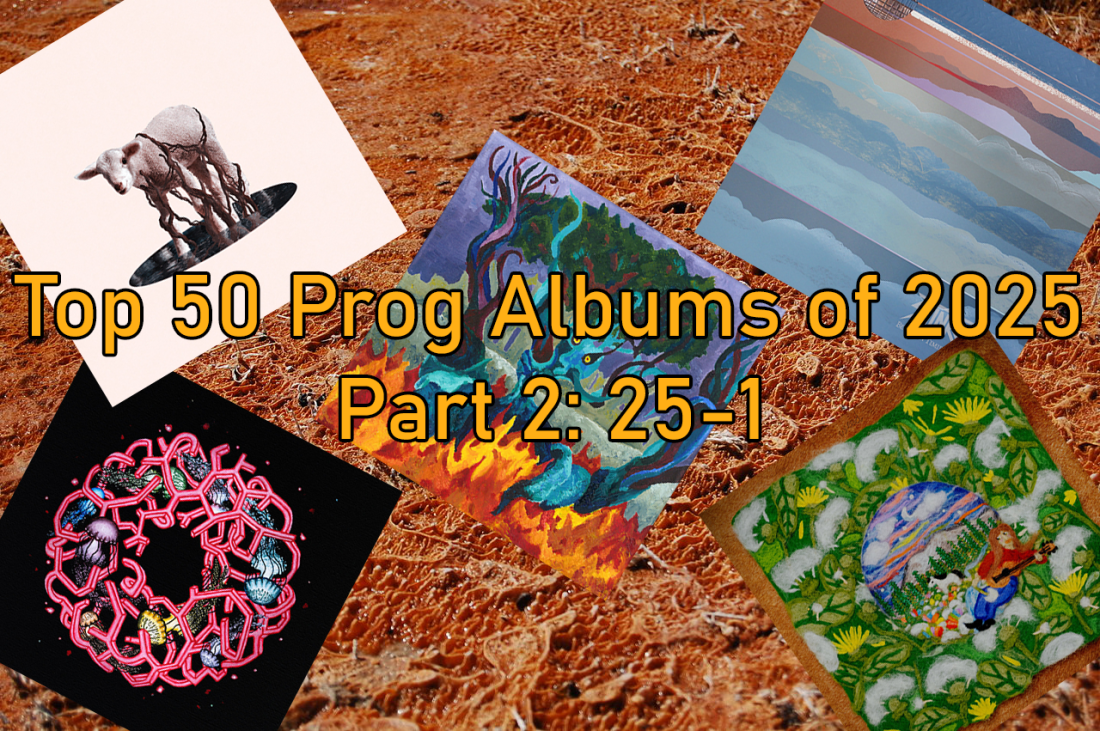
Genghis Tron’s last album, 2021’s Dream Weapon, was my introduction to the band. It was also a rather sharp break with their first two records. Where their first two were scourging mixtures of electronica, grindcore, and mathcore, the lush textures and restrained tempos of Dream Weapon were downright relaxing by comparison.
Their new album, Signal Fire, then, is something of a return to their earlier sound. It’s not entirely without the spacey post-rock elements that dominate on Dream Weapon, but this is a much more intense and aggressive release.
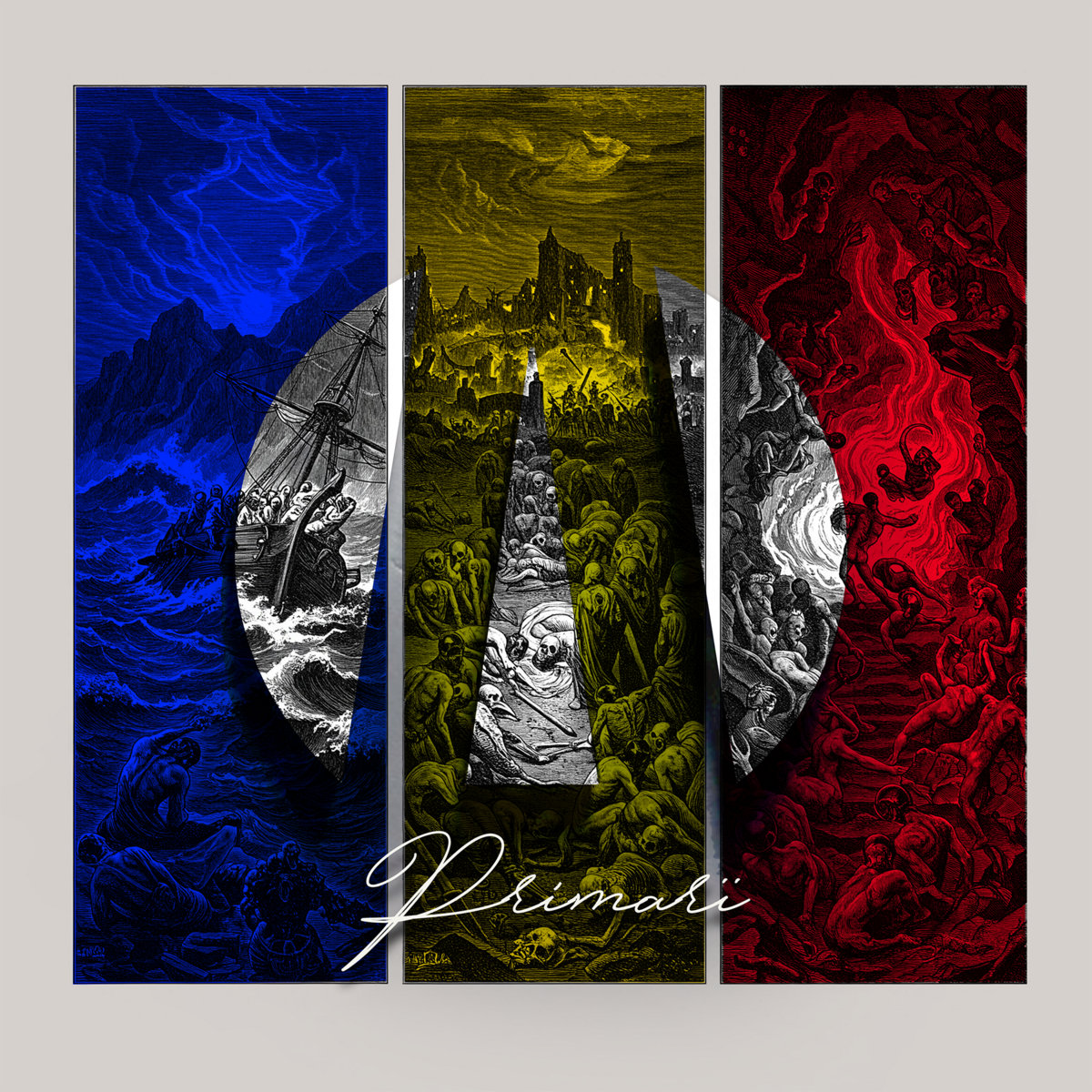
Hong Kong-based one-man zeuhl act Athak is back with their latest release. Primarï sees Athak veer into some new territory. Chinese music plays a prominent role, something I had not heard previously from this act. (Maybe they’ve done it before; I don’t know. Athak is quite prolific, and I haven’t heard everything.) “Iyelō” leans into some Canterbury influences, especially Third-era Soft Machine. Yangqin and erhu lend some very unique textural contrasts throughout the album. This record is inspired by colors, and fittingly, the music here embraces the full spectrum.
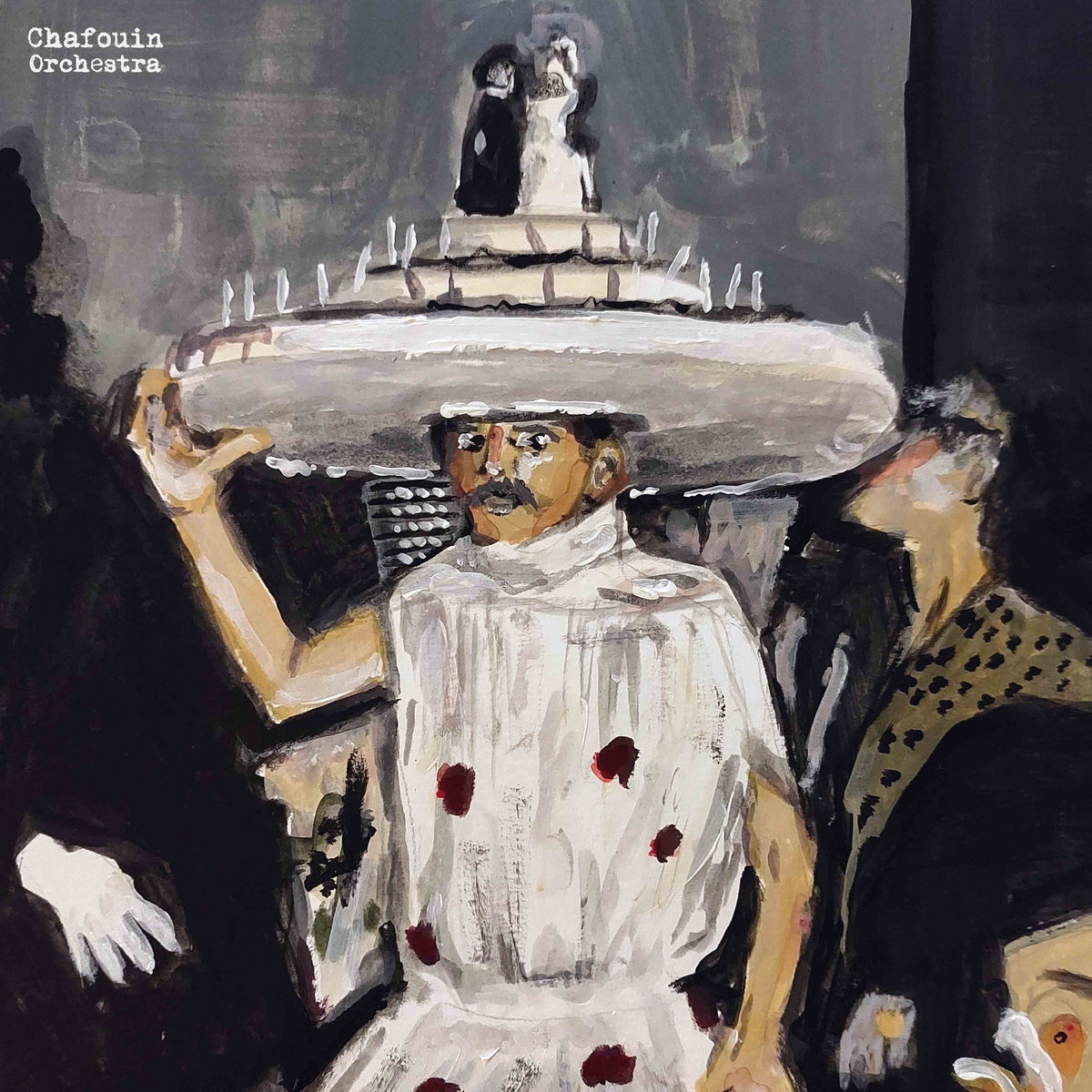
Brittany-based experimental math rockers Chafouin are back with a new 26-minute opus. Joining Chafouin on this record is a small orchestra, adding a new layer of depth to their music. The whole ensemble utilizes repetition beautifully, with themes gradually building and slowly morphing. Jagged guitar lines are rounded out with flute, saxophone, and violin, and wordless vocals lend a certain fanciful character. The mood grows noisier and more chaotic as this piece progresses, imbuing it with a sense of constant forward momentum that never feels drawn-out.
I first found out about this record through Rate Your Music’s handy “Upcoming Releases” feature. It was there that I saw Panegyrist had their first new music since 2018 coming out! Their lone LP, Hierurgy, is a stunning, unique release. It blends avant-garde black metal with liturgical music and lyrics so dense and obscure that I feel like I need a theology degree to understand them.
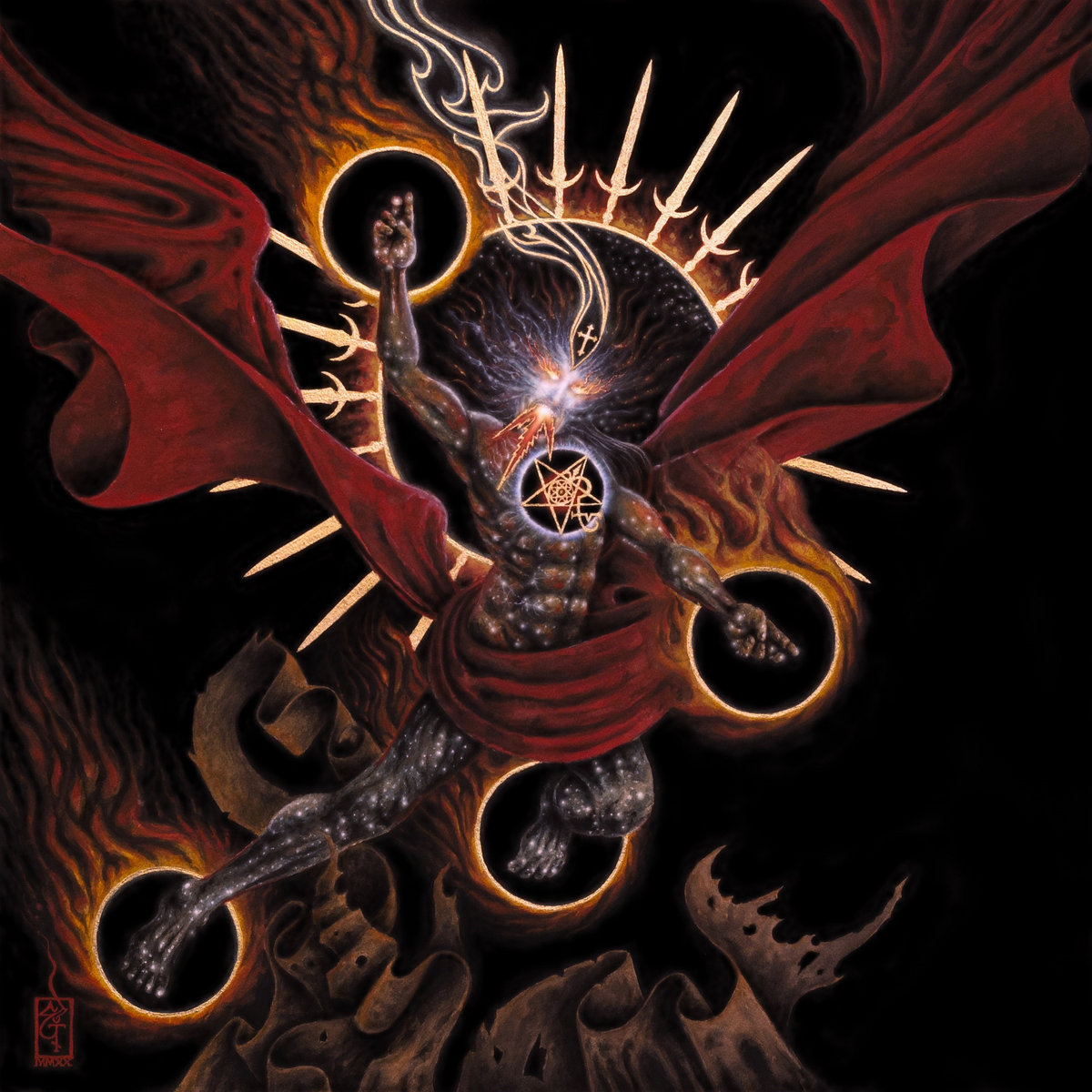
Sunthema, the four-way split LP with Panegyrist and three other acts, continues on that trend. (Side note: Personally, I would have transliterated the Greek “συνθεμα” as “synthema,” but to each their own. The word is more often found in its plural form, synthemata, and it refers to any signs, symbols, or material tokens, especially those associated with certain rituals. Esoteric terms and ideas are prominent on this record.) All four acts here weave their brands of forward-thinking metal with Christian mysticism to make something powerful and enthralling.
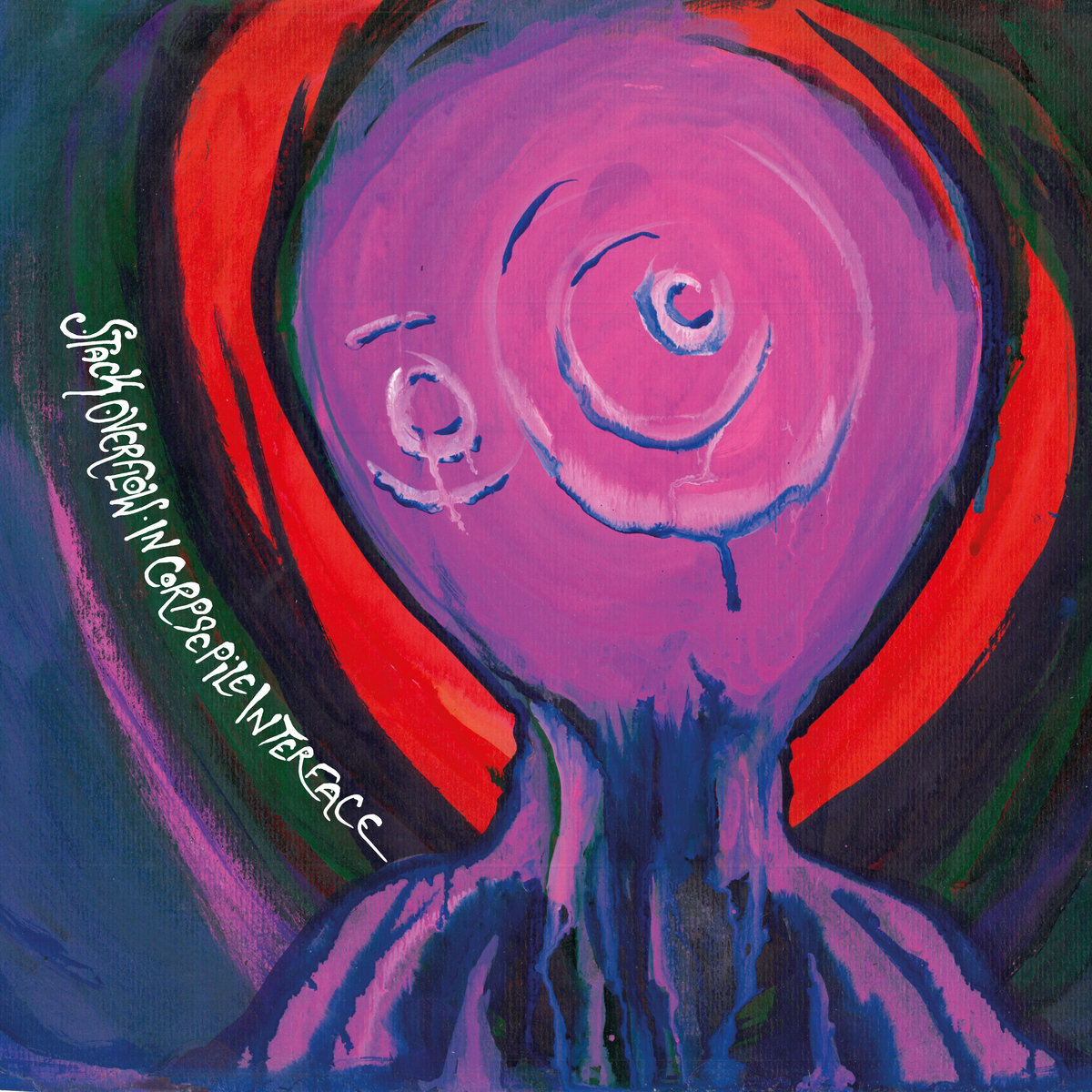
A Forest of Stars has been around for nearly 20 years, but this record is my first exposure to them. It is their first release in eight years, so, in my defense, they have been quiet lately. Stack Overflow in Corpse Pile Interface is their sixth full-length release, and it’s full of theatrical, abstract, and highly emotive music that draws from classic prog, folk metal, folk, and avant-garde music. It’s a demanding record: the six songs range between nine and 17 minutes in length, and all the compositions are dense as hell. But it’s well worth your time and attention.
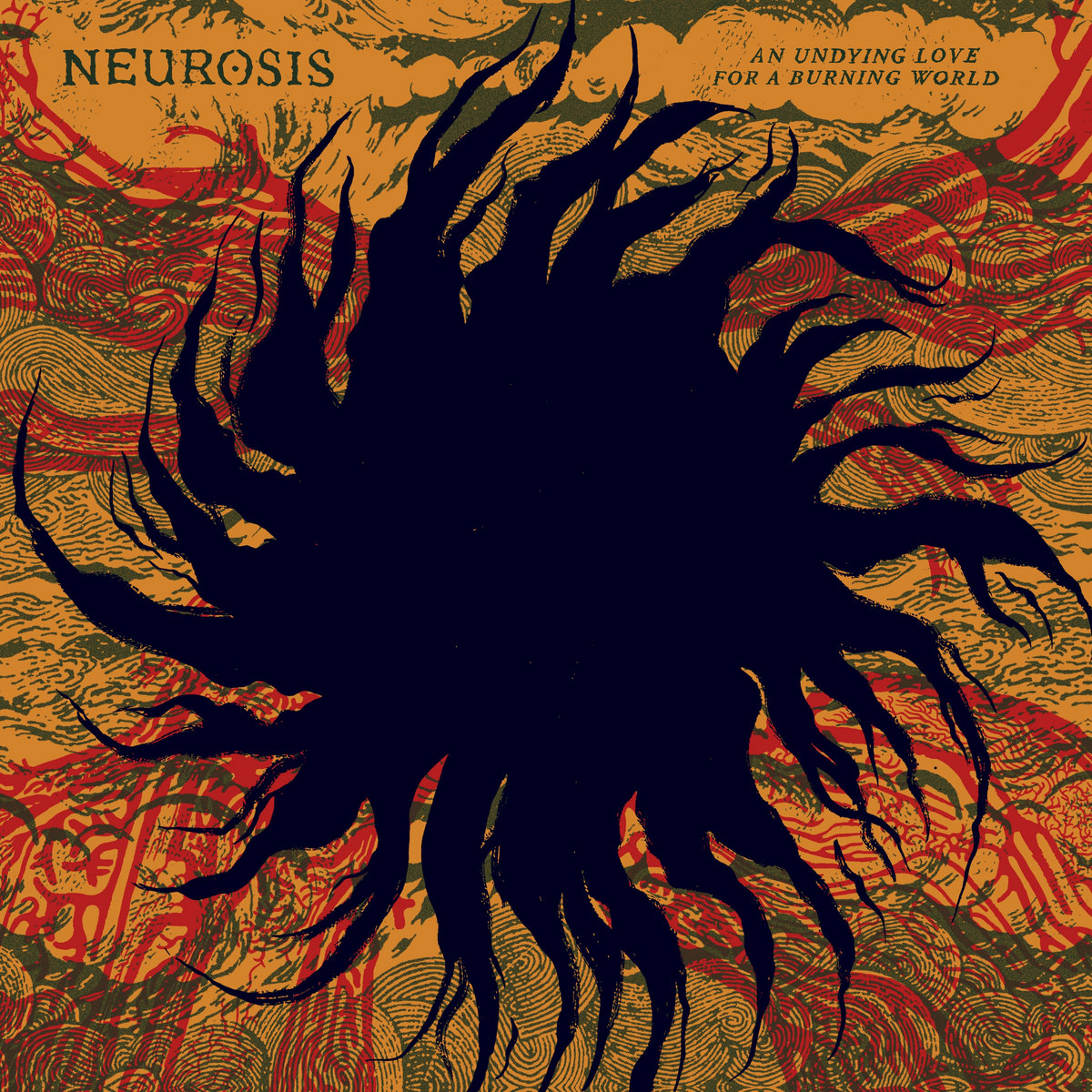
I will be totally honest. Neurosis is one of those bands that I know has been massively influential but which I’m simply not that familiar with. I’ve listened to Through Silver in Blood, and that is a fantastic record. I also know they’re considered one of the primary progenitors of post-metal as a distinct genre, along with Isis, whose former vocalist and bassist has joined the band. (I have run across folks trying to insist that post-metal and atmospheric sludge metal (another term frequently used to describe Neurosis’s work) as being distinct. There may be a technical argument to be made there, insofar as there is non-sludgy post-metal, but I don’t think there’s any atmospheric sludge I’ve heard I couldn’t also describe as post-metal.) That is to say, I went into this record blind.
An Undying Love for a Burning World is Neurosis’s 13th full-length release and their first in a decade. I’d heard it getting some positive buzz, so I decided to give it a spin. And boy, am I happy I did!
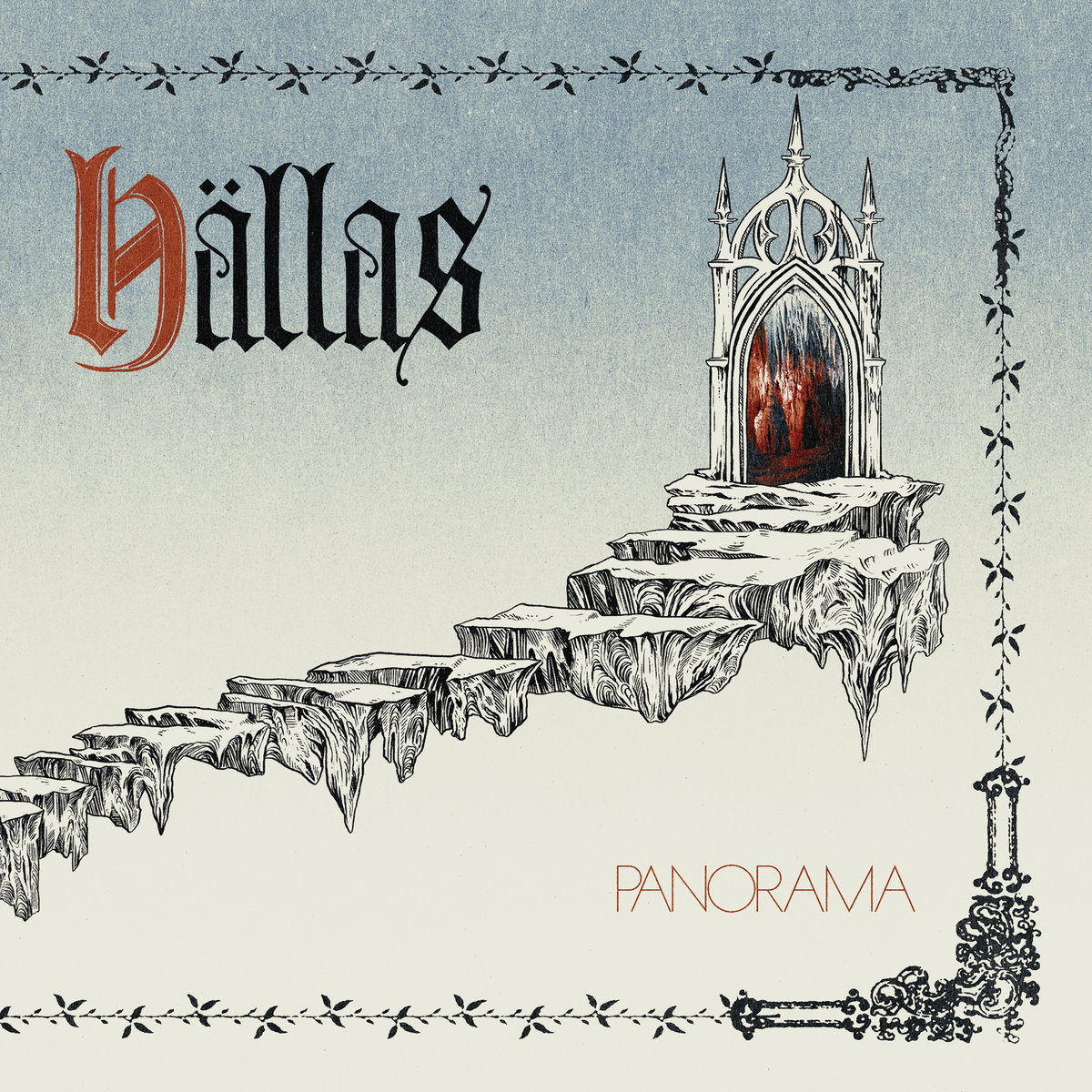
Band: Hällas | Album:Panorama | Genre: Progressive rock, Hard rock | Bandcamp
I saw this record getting a lot of hype online, and I can’t say that I get it. On a structural level, at least, the opening epic is well-built, and the occasional fun twist does occur. But my biggest issue with this release is the sound palette. This sounds like schlock-rock acts from the ‘70s and ‘80s tried their hand at prog. The vocalist reminds me of Dave Cousins of Strawbs, which is different, at least. But I don’t particularly like Journey or Foreigner or Styx, and these guys are clearly drawing a lot of influence for that particular vein of cheesy arena rock. Everything is overblown and uses trite, tired musical tropes. That results in an exhausting listen. Oddly, the four shorter songs on this album feel much more tedious and drawn-out than the 21-minute opener.
Score: 62/100
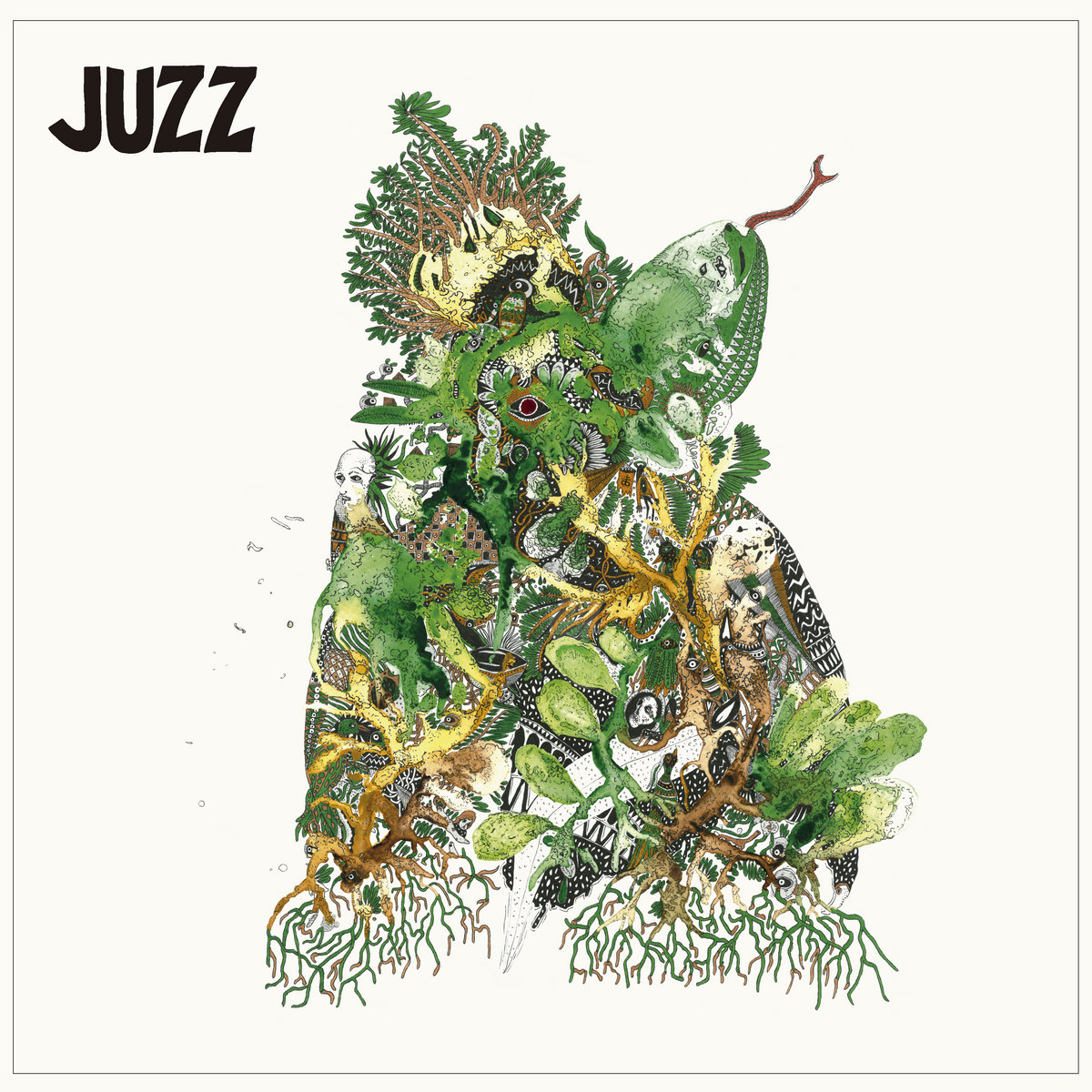
Band: JUZZ | Album:JUZZ (II) | Genre: Progressive rock, Jazz-fusion | Bandcamp
Juzz, a jazzy instrumental six-piece from Galicia, has put out their sophomore album. It’s similar in tone and style to their debut, if perhaps a bit more rock-oriented. Moods morph fluidly across this album’s runtime, ranging from hard-rocking numbers to Tangerine Dream-inspired space-synth passages. These songs also show greater focus than their debut, so I am happy to see that evolution in their writing style.
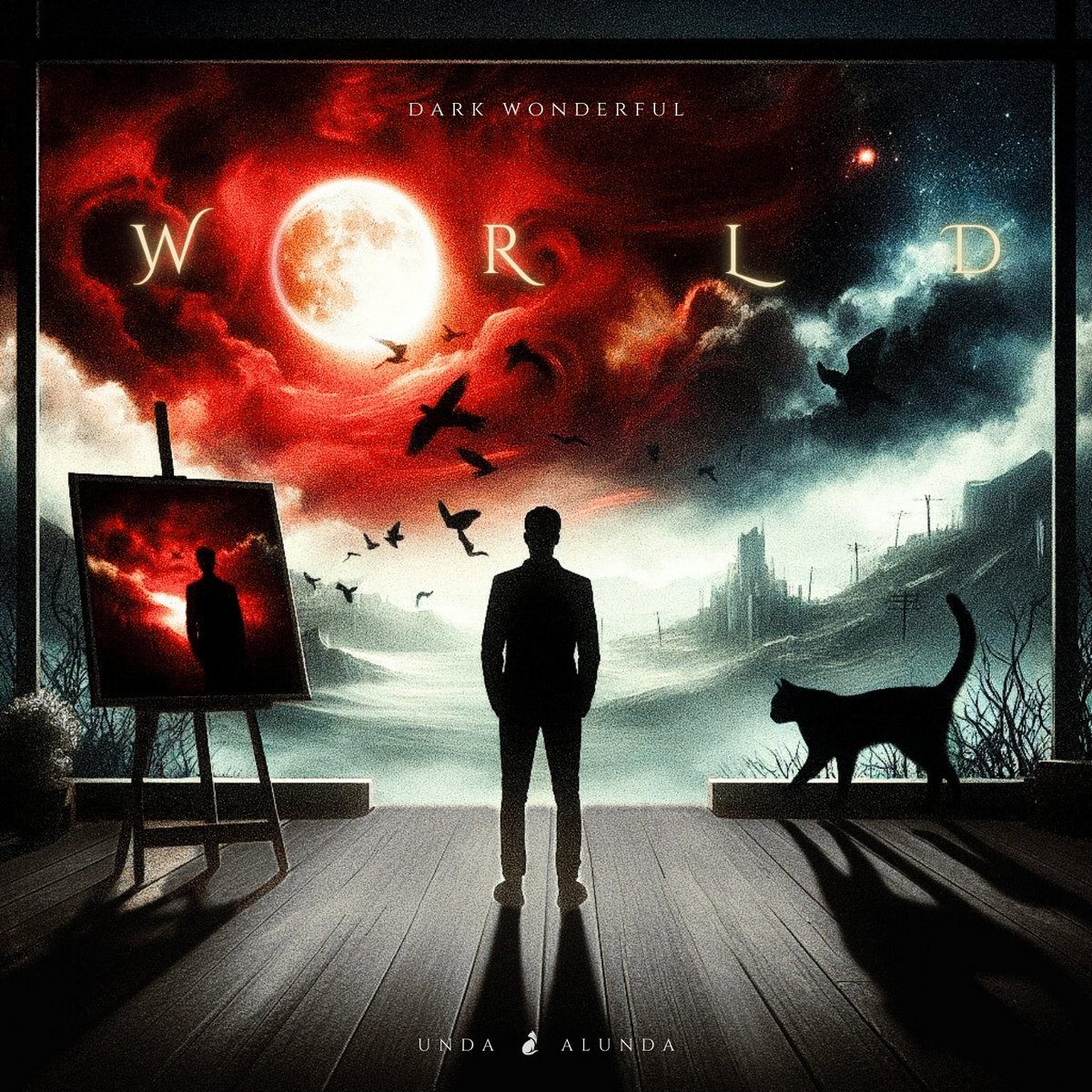
Artist: Unda Alunda | Album:Dark Wonderful World | Genre: Progressive metal, Djent | Bandcamp
This is one of the better djent records I’ve heard in a while. Djent still isn’t my favorite style of metal, but this album has a lot to offer. There are fun, jazzy riffs, exciting builds, and dazzling solos. The soullessness common to djent is minimized here, as these feel like actual compositions and not just instrumental wank-fests. Certain songs run a bit long, but aside from that, the record is a success overall.
Score: 76/100
Band: Cervello | Album:Chaire | Genre: Italian progressive rock | Links
Two things first: Firstly, I had a hard time finding this album. I don’t know who is in charge of marketing for Cervello, but they’re doing an awful job. Secondly, this was released with a live album, which I will not be reviewing.
Cervello is one of many Italian prog bands who put out one album in the 1970s before vanishing. Cervello’s sole release prior to this was the 1972 album Melos, and it’s one of my favorites from the era. I didn’t have high hopes going into this, especially considering other dull reunion records I’ve covered recently, but I was pleasantly surprised by Chaire. That may also be because almost the whole original band returned for this. Everyone except their original drummer appears on this album. (Compare that to Semiramis’s recent “reunion” where the drummer was the only original member to return.)
The music here is surprisingly vital, energetic, and original. That classic Italian prog flair is omnipresent, and the compositions are mostly engaging. Some cuts are better than others, and the record sags a bit in its second half.Synth tones can sound a bit dated, or the production can be too glossy, but this is a solid record on the whole. I especially love the more energetic tracks, where the connections with their first record can really be heard.
Welcome to the first installment of The Elite Extremophile’s Best of 2025! Today, I’m starting off with Cool Songs. Tomorrow will feature the Top EPs, and the Top Albums will follow on Wednesday and Thursday.
Before we get to it, let me give my usual Best-Of disclaimers. This is a one-man operation, in regard to writing the reviews. (My proofreaders Kelci and Dan are very helpful.) I’m sure there was plenty of great music I just simply missed. I’ve also got my own personal biases against certain styles and trends.
As a reminder, this list covers what I call the “music year” 2025, which covers December 2024 through November 2025.
This segment is meant to show off great tracks that do not appear on my other year-end lists. If a release makes my best EPs or best albums list, it is disqualified from appearing in this particular segment.
The debut album from this Finnish quartet is a highly melodic brand of proggy alt-metal. The riffs are powerful, and the vocals are strong. The band demonstrates a strong ear for catchy melodies. There are a few moments in the second half of the album I’m not nuts about; the overly-pop-infused “Ocular” and the butt-rock influenced “Rover” are the main culprits. Overall, though, this is an enjoyable record. The musicianship is top-notch without being needlessly flashy, and there are plenty of great structural twists.
Score: 74/100
Band: Khan | Album:That Fair and Warlike Form/Return to Dust | Genre: Heavy psych, Post-metal | Bandcamp
The latest release from Khan, an Australian trio, consists of just two massive tracks. The first is the overall heavier of the two, providing a cavalcade of evolving musical themes that weave prog rock, psychedelia, alternative metal, and post-metal. “Return to Dust” features more contrasts with quieter, cleaner passages. Both epics hold together very well and have lots of small things that reveal themselves on subsequent listens.