Steven Wilson’s new solo record, Requiem for a Village, is much more grounded and focused in scope than last year’s The Overview. Whereas that record was about the vastness of life and the Earth, this focuses on a small English village where the people are insular and follow their own old practices. Wilson drew heavy inspiration from a 1975 movie of the same name (which I have not seen), as well as other folk horror works, like Wicker Man (both versions of which I have seen).
He also made a concerted effort to work outside the usual 12-note scales of Western music. Deliberately-imperfect tunings, finicky analog synths, and instruments Wilson has limited experience with–such as violin and oboe–are all deployed to create a sonic setting that sounds similar to our world but kind of off, in an uneasy and unsettling way.
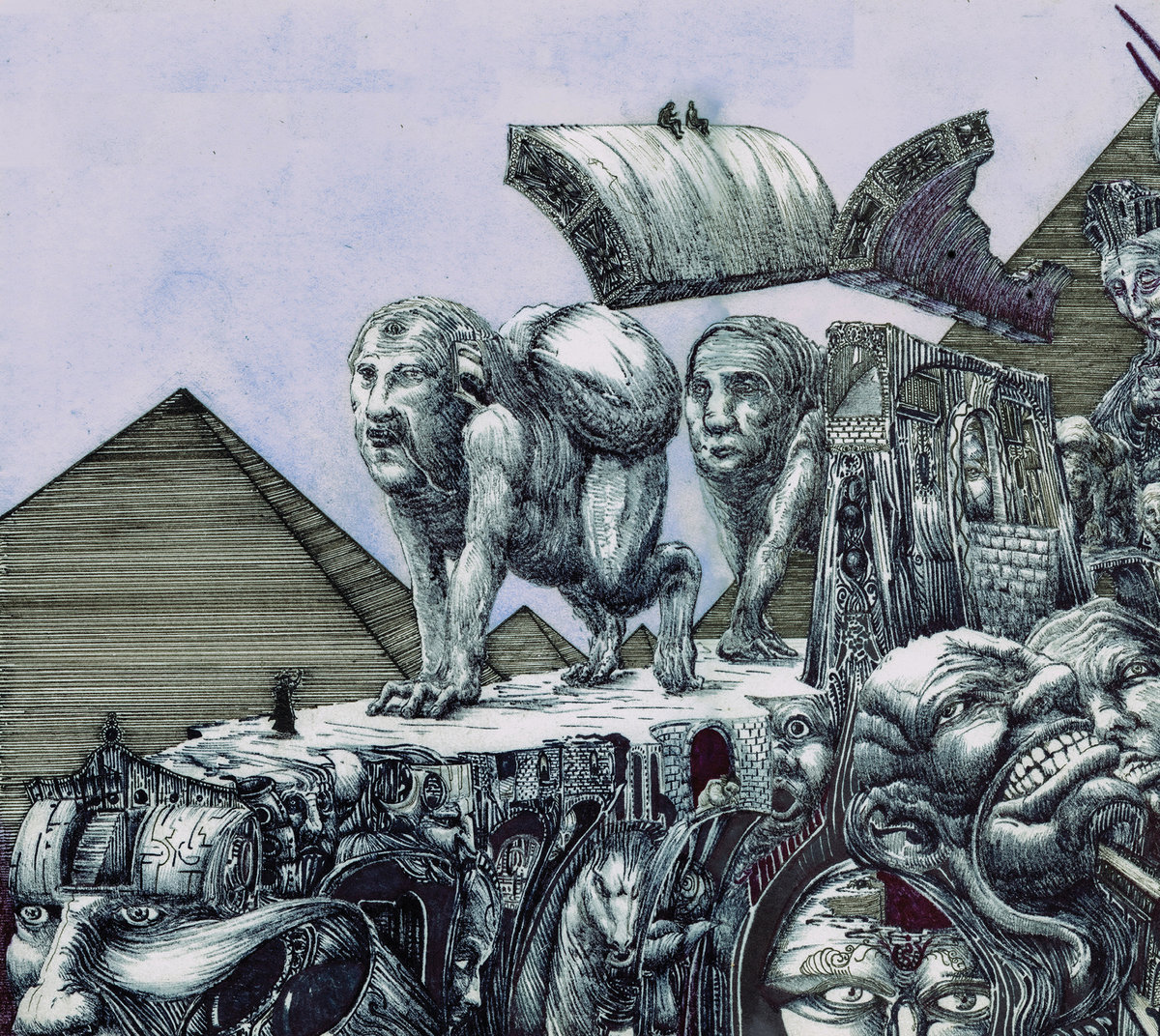
Band: Asceta | Album:The Fool Leading the Blind | Genre: Progressive rock, Avant-prog | Bandcamp
The new album from this Chilean instrumental ensemble features some daring and exciting music. Chamber music plays a major part in Asceta’s sound, with the band frequently channeling early RIO acts. The 21-minute title track is often tense. Reed instruments, tinkling piano, and wobbly, wonky rhythms constantly keep the listener on unsure footing. I also really like the 10-minute closing song, which is relatively guitar-forward by this band’s standards. The three songs in between are good compositions, as well, but they feel less necessary. Maybe they could have been shortened, or maybe one could have been left out altogether. Despite that, The Fool Leading the Blind is an engaging and creative record.
Score: 80/100
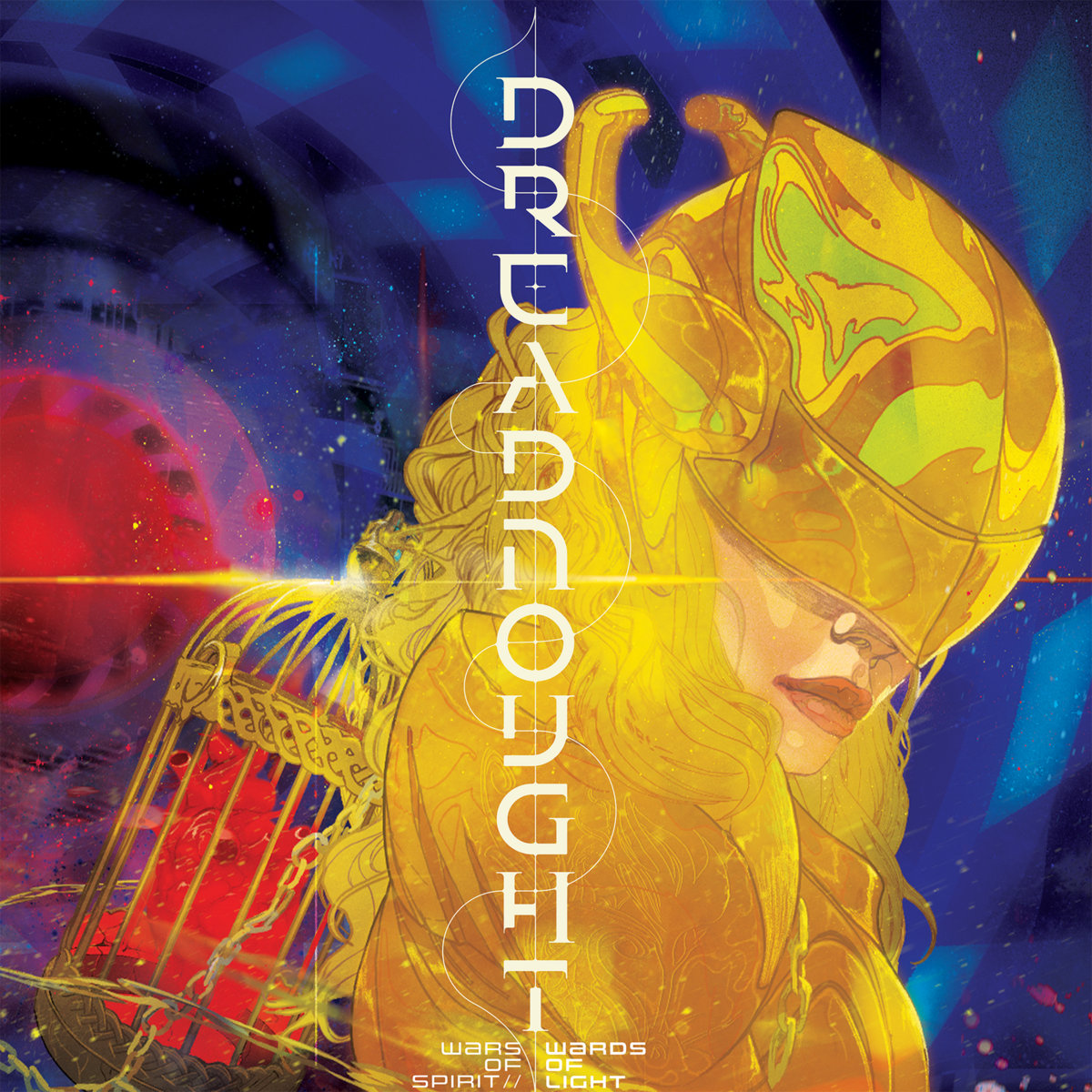
Band: Dreadnought | Album:Wars of Spirit // Wards of Light | Genre: Progressive metal, Post-metal | Bandcamp
Dreadnought‘s newest album sees some rare churn in the band’s lineup. Longtime keyboardist and co-vocalist Lauren Vieira has left the band, with guitarist/flutist/lead vocalist Kelly Schilling taking over key duties. Coming four years after The Endless–an album I initially gave a very positive review to, but which hasn’t quite held up over the ensuing years–WoS//WoL features a pretty daring evolution in their sound.
Gothic metal–most notably Tiamat–is a huge influence on this record. The synth tones are both lush and airy, but Dreadnought still manages to retain a lot of their powerful doom metal riffage. The occasional folk and jazz flourish shows up here and there for some nice contrast. Dreadnought was never shy about including minimal, ethereal moments on their records, and this one is no exception. If anything, that ethereal quality is more pervasive than ever. The band also dips their toes into electronic music on “Aeonwar”, to mixed results. And the closing “The Twilight Protectorate” features some wonderful, victorious-sounding sci-fi synth tones. I really respect Dreadnought for switching things up on this album and evolving their sound. The end result is pretty solid, overall, though there are some mild stumbles here and there.
Silk Road is (was? Their Bandcamp page makes it sound like the band broke up, but the email I received from the band spoke about themselves in the present tense.) a Newcastle-based band that plays a complex, progressive variety of post-punk. The music on this record is jagged and biting, clearly drawing influence from London’s Windmill scene.
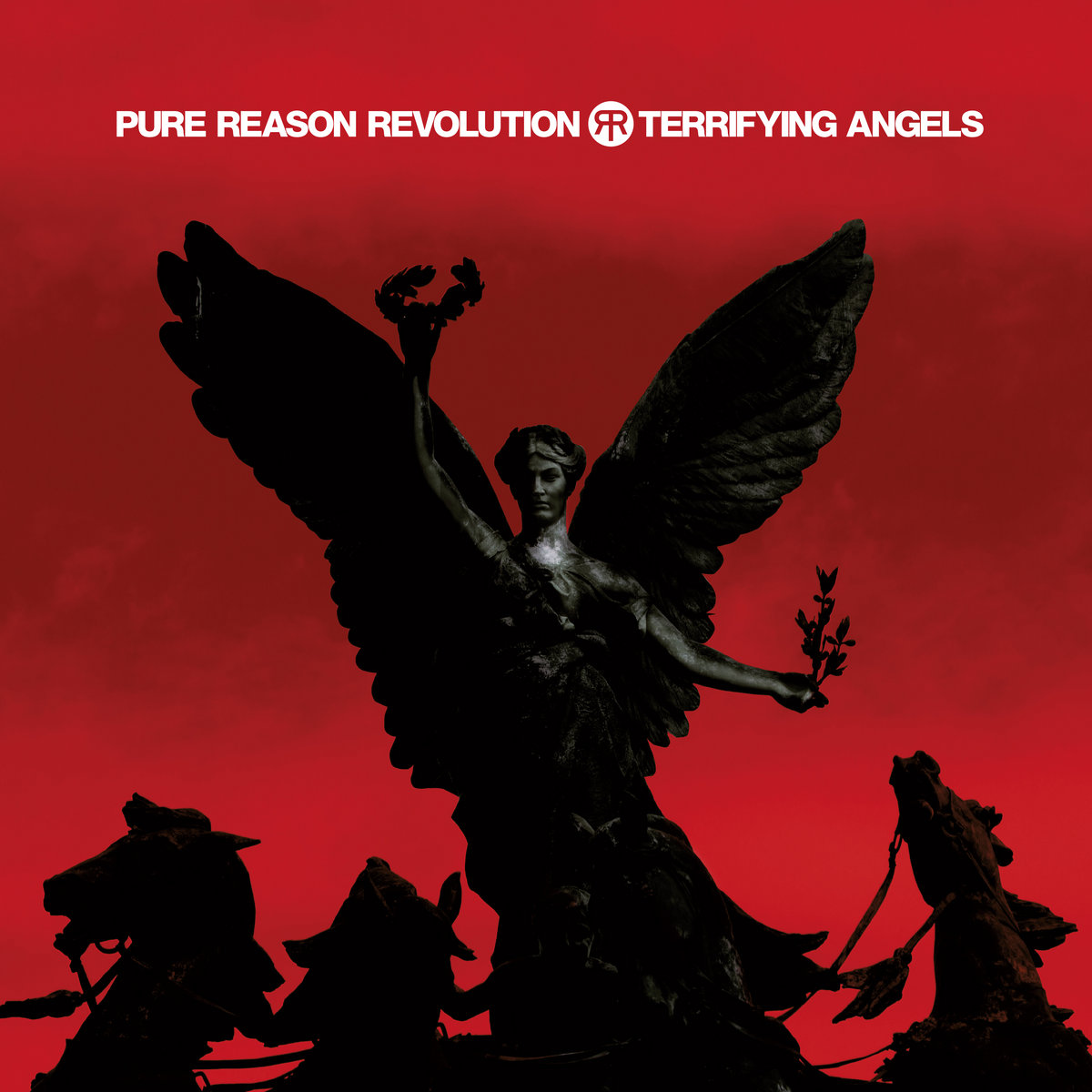
Pure Reason Revolution is a band I haven’t really kept up with. I absolutely love their debut record, The Dark Third. It’s an exciting and inventive blend of prog and post-rock with some good pop sensibilities. As someone who is a sucker for complex vocal arrangements, it’s right up my alley. I’ve checked in on them from time to time, but none of their albums since have particularly held my interest. None have been bad, by any means, but they just haven’t spoken to me.
Terrifying Angels, PRR’s seventh full-length release, is their first to really grab my attention in a while. The band has kept their signature sound, but they’ve also made some noticeable changes. This is their heaviest and most aggressive record to date, with significant alt-rock and alt-metal inclusions. My gut instinct is to call this the best Porcupine Tree record since Anno Domini High Definition, but that’s unfair to these guys, Riverside, and Porcupine Tree. It should get the general point across, though.
Bands: Cocanha, Los Sara Fontán, Tarta Relena | Album:4132314 | Genre: Experimental folk | Bandcamp
This collaboration of three duos is a mixture of original compositions and reinterpretations of folk songs. Cocanha specializes in Occitan polyphony, Los Sara Fontán in Catalan folk, and Tarta Relena in electronic-tinged post-rock; and all three bands’ styles are on proud display here. The vocals are rich, multi-layered, and carefully arranged; and the backing is brimming with odd metrical flourishes. This record feels like it has one foot in the twenty-first century and another in the nineteenth, and it’s a fantastic mash-up.
Score: 86/100
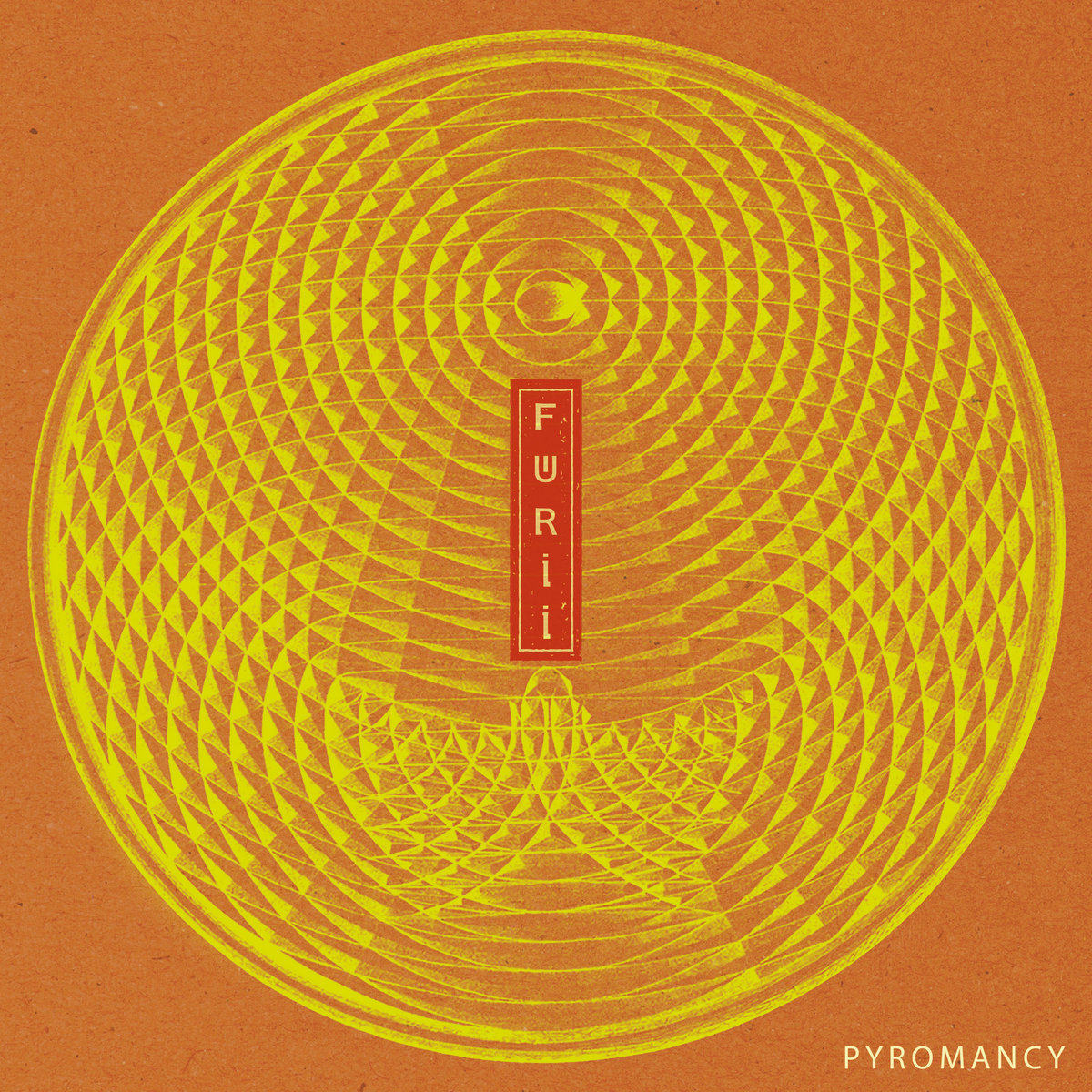
Band: Furii | Album:Pyromancy | Genre: Progressive pop | Bandcamp
Furii (pronounced “fury”) is a Cardiacs-adjacent project, a fact which is unmistakable from this album’s opening moments. Sole bandmember Adrien Rodes is the longtime keyboardist of Spratleys (another Tim Smith project) and an occasional member of Cardiacs’ live band. Joanne Spratley, another member of Spratleys, provides vocals on Pyromancy, and her vocals lend an eerie, airy atmosphere. The textures on this record are psychedelic and dreamy, with tinkling piano and swirling synths. Despite the songs being rather to-the-point, the soundscapes presented are dense and complex, with lots of innovative sonic choices. I found LSD to be an exhausting listen (and not in a fun way), but this is a much more enjoyable spiritual successor to Cardiacs.
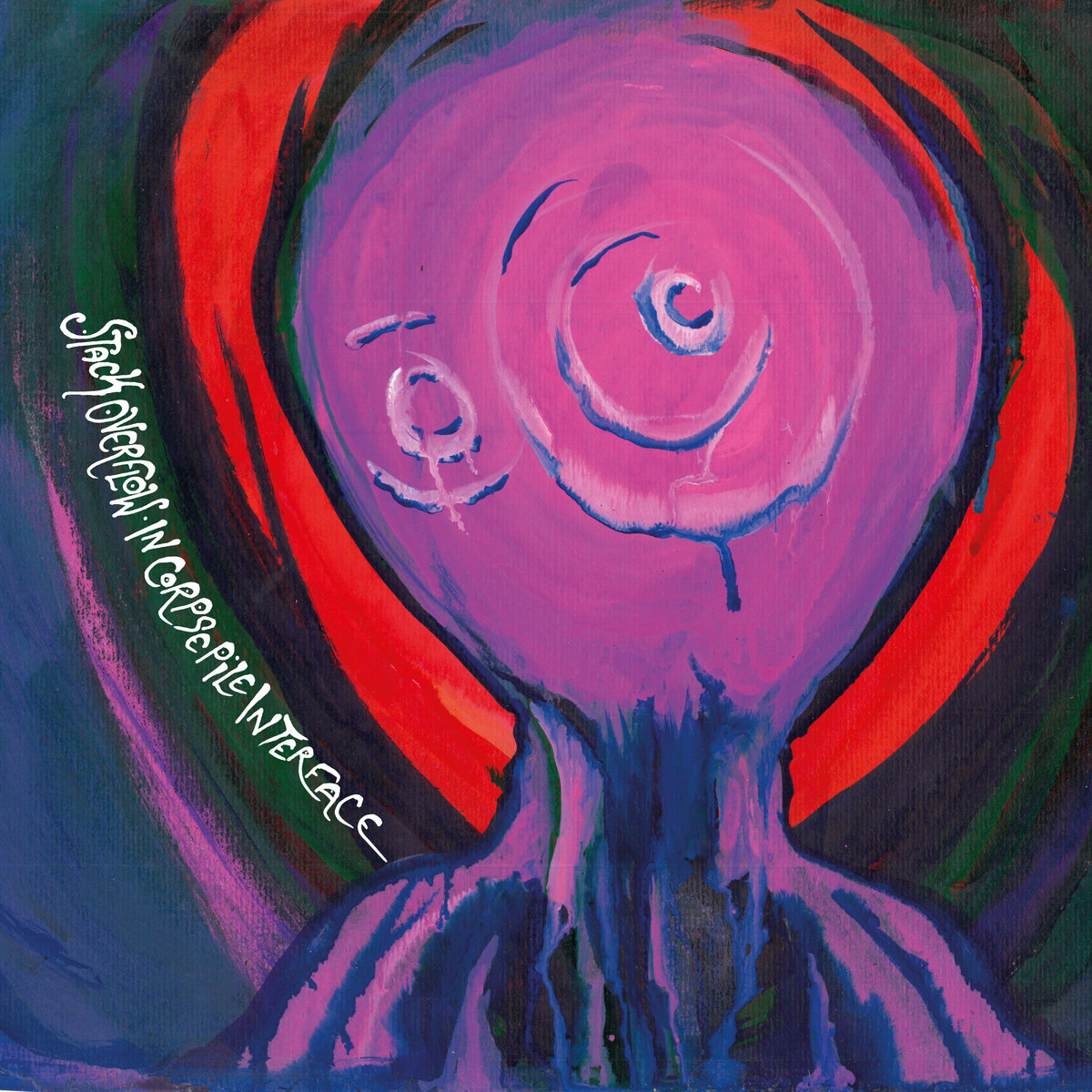
A Forest of Stars has been around for nearly 20 years, but this record is my first exposure to them. It is their first release in eight years, so, in my defense, they have been quiet lately. Stack Overflow in Corpse Pile Interface is their sixth full-length release, and it’s full of theatrical, abstract, and highly emotive music that draws from classic prog, folk metal, folk, and avant-garde music. It’s a demanding record: the six songs range between nine and 17 minutes in length, and all the compositions are dense as hell. But it’s well worth your time and attention.
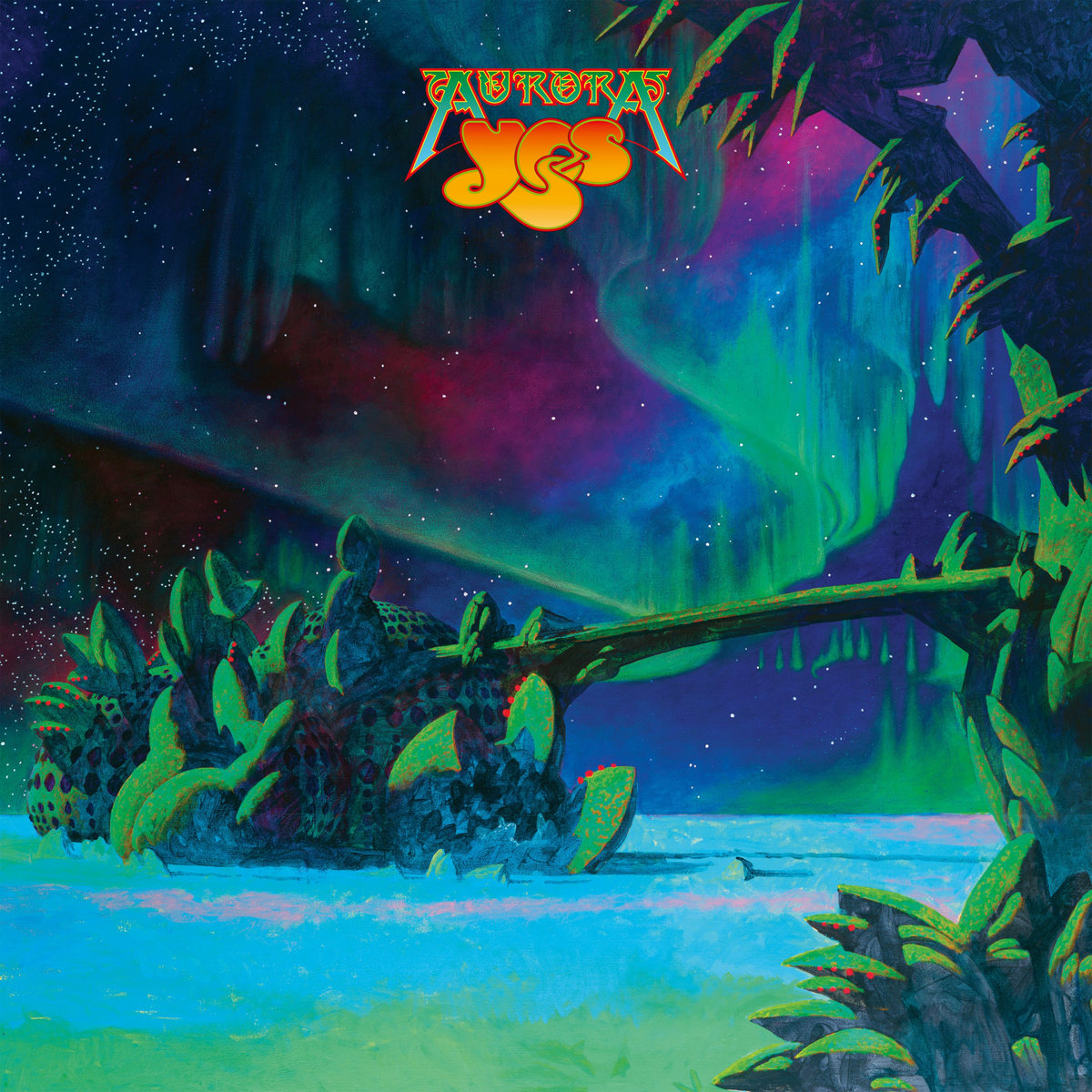
Look, it’s a new Yes album. We all know who Yes are. We know what we’re signing up for. I had low expectations, despite Mirror to the Sky being pretty decent overall. Let’s just get to it.
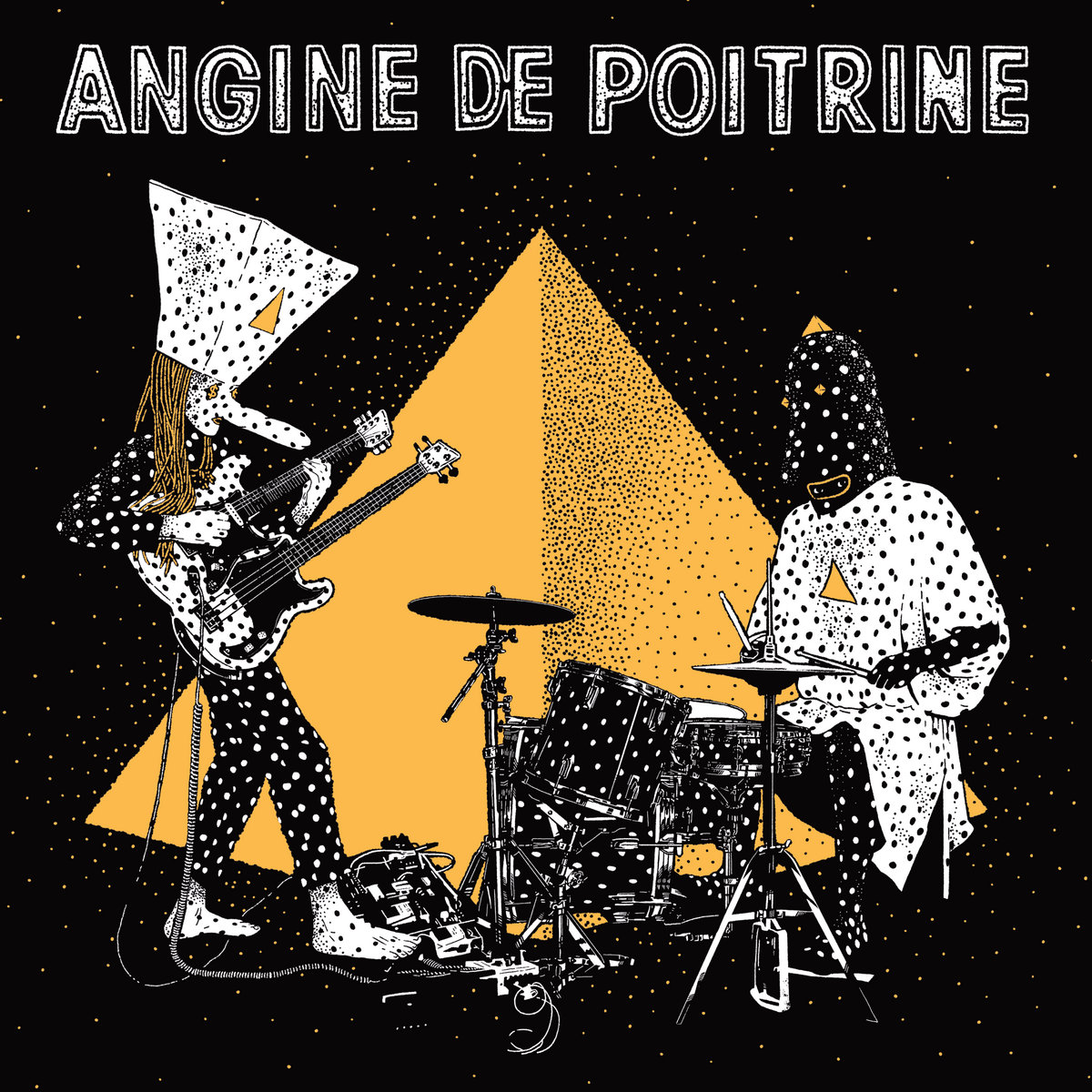
Band: Angine de Poitrine | Album:Vol. II | Genre: Math rock | Bandcamp
I’ve gone on record saying I’m really not a fan of microtonal music, but Angine de Pointrine’s microtonality is more restrained compared to some other acts I’ve heard. Their unusual tunings and oddly-fretted guitars serve to enhance their wild and inventive riffs. Their music is energetic and driving, drawing from psychedelia and garage rock. Some of the individual songs can run a bit long, but overall, Vol. II is a fantastic display of technical prowess and inventive composition. “Utzp” in particular is one of the most exciting songs of the year.
Score: 80/100
Band: Divided by Design | Album:Stages to Osiris: Rebirth | Genre: Progressive metal | Bandcamp
The latest EP from this British instrumental trio is some really solid music. The band draws heavily from Tool, Porcupine Tree, and their ilk on the non-extreme end of alt-influenced prog metal. The music is usually melodic and fairly lush, with each song capturing clear dramatic arcs and motifs that tie everything together. This 30-minute release is, in my view, an ideal vessel for this style of music. It’s long enough to express some interesting ideas without drawing on so long as to become tedious and exhausting. I’ve listened to many 45-to-65-minute versions of this record from a lot of other bands, and this more-digestible size really suits this style well.
The Magpie Arc is a British quartet that spins traditional folk songs of the British Isles into hard-hitting, proggy folk rock, and Gil Brenton is their second full-length album. Where many bands I describe as folk rock are primarily rock acts with some folk influences, this band is the inverse. Their vocal style and instrumentalism belie a deep love of British folk music, and that helps give their music a character that stands out from other acts in a similar space.
I briefly touched on Gong’s convoluted history and past output in my review of their last album, 2023’s Unending Ascending, so I will not go into it in depth here. But this lineup–long bereft of any original members but operating under the blessing of the band’s late founder–has just put out its fourth full full-length release, Bright Spirit. In general, this album largely stays in line with this incarnation of Gong’s modus operandi. It’s fun and lighthearted prog with heavy psychedelic infusions.