
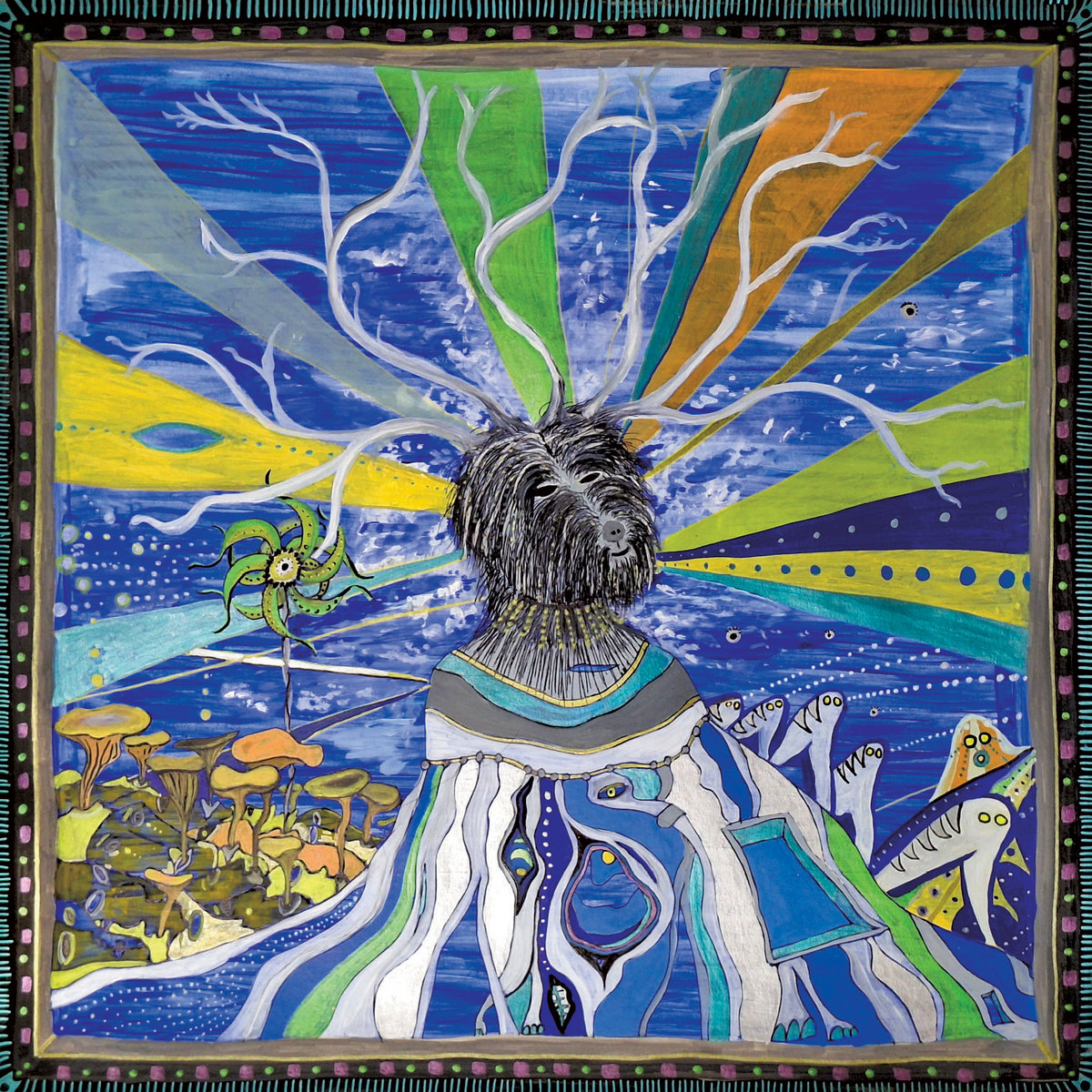
Band: Le Grand Sbam | Album: Janus | Genre: Zeuhl, Avant-prog | Year: 2026
From: Lyon, France | Label: Dur et Doux
For fans of: Magma, PoiL, Frank Zappa
Le Grand Sbam is a band I’ve been aware of since their founding. I’ve listened to their previous two albums, but neither one really quite clicked with me. I could tell there were a lot of elements I liked. This is a band I should like, but it just didn’t quite coalesce.
I went into Janus, their third full-length release, with my usual hopefulness for a good experience. There have been no major changes to their sound, but something just hit a bit different this time, and I wound up really enjoying it.
This work is apparently an excerpt of a “Chthulu opera”–also titled Janus–written by Antoine Arnera, keyboardist for both this band and PoiL. It flows together as one massive, unified piece, and it shows incredible vision and ambition. This opera–about environmentalism, feminism, and flatulence–is paired with music that is simultaneously serious, complex, and whimsical.
After a brief, sound-effect-laden intro (there are seven more brief interludes on this record which I will not be covering), the album kicks off in earnest with “Ouverture”. Ritualistic chanting, thumping drums, plinking harp, and an array of wind and reed instruments swirl in an otherworldly melange. Modern classical, experimental rock, and influences from beyond Western musical traditions fold and twist in on each other in ways that feel coherently experimental.
“Tourbifouette II” opens with tense piano and pizzicato strings beneath rich, multilayered vocal arrangements. Slowly, the music grows in intensity, as if it’s fighting against the restrained opening moments. There are moments where the full orchestra assembled for this record bursts through with manic fury, but that underlying tension always resurfaces.
Hip-hop and electronica immediately smack the listener in the face on “Ragga II”. The electronics are wonky, and the string and wind instruments often provide dramatic stabs of contrast. While I appreciate the bold nature of this experiment, I am glad it’s the second-shortest proper song on the record. Despite being under three minutes, it begins to wear a bit thin by the end of its runtime.
“Mécanique des pompes” opens quietly, giving a floating, dreamlike feel. The many different layers of the vocals add to both the depth and ethereal nature of this piece. Occasional harsh blasts of synth show that this idyll could burst at any moment. This track flows immediately into “Hypnose I” with no short interlude. The rhythm is irregular and disorienting, as if the music is trying to stand up but cannot find its footing. This staggering feel does go on for longer than is needed, but the band eventually shifts into a new gear. Vocals, drums, and strings provide a dramatic, rolling soundscape.
“Duopode II” features some exciting, tangled guitar lines that sound like Discipline-era King Crimson being played by Frank Zappa. Clarinet and bassoon add dramatic texture, and some of the vocal lines have a nearly-Caribbean feel to them.
Energetic piano, evoking a chase, opens up “Tourbiflouette I”. Things are taut and restrained, with guitar anxiously plinking along as the drums tirelessly propel the track along. This song is a slow build, but it doesn’t feel drawn-out. There’s a sense of slowly-growing doom, and the wild, ranted vocals only add to that feeling. “Ragga I” dips back into some hip-hop flavors, but the backing is more firmly rooted in avant-garde classical and rock music.
This brings us to the longest song on the album: “Symbiotshish II”. From the get-go, the mood is frenetic and frantic. Speedy, technical piano lines drive things forward, but strings and reeds offer a lush backing. This piece vacillates between classic dark avant-prog and passages that would feel at home in a horror film score, but it all makes sense, somehow. The vocal arrangements here are particularly complex, full of mellifluous singing, mantric chanting, frenzied trilling, and oddball yelping. It all ties together in the finale, offering a glorious conclusion.
This operatic excerpt ends with “Epilogue”, a slow and somewhat mournful classical composition.
Janus is a lot to take in. The music is dense as hell, and I can see why it’s taken Le Grand Sbam six years to put this record out. There are so many individual elements that all coalesce quite well. This isn’t a perfect record, mind you. A couple songs do drag at moments, and the interludes don’t really do much. But on the whole, this is both a thrilling and challenging listen that has a lot to offer on repeated plays.
Score: 85/100

