

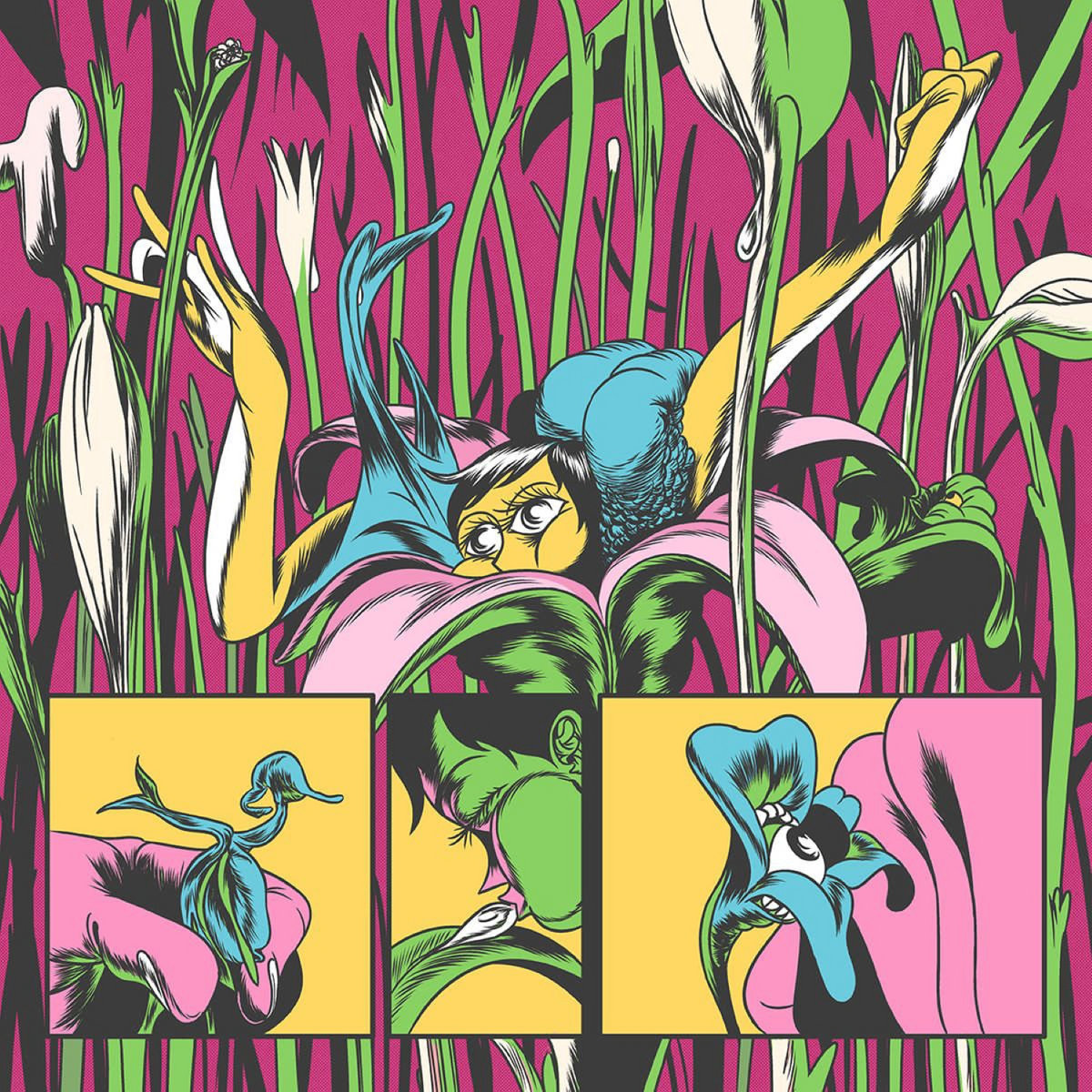
Band: Kraanerg | Album: Aria for Labellum Tongues | Genre: Avant-prog | Year: 2026
From: Minneapolis, USA | Label: Independent
For fans of: Frank Zappa, Papangu, Sigh, Cardiacs
Kraanerg is the brainchild of composer and multi-instrumentalist Nat Bergrin, and Aria for Labellum Tongues is their third full-length release (and their second as a full band). This was my first exposure to Kraanerg, and I was very impressed by what I encountered. Western classical music plays a massive role on this record, both in terms of instrumentation and structure. Plenty of bands will shoehorn in some violin, but not many display the ability to integrate classical influences quite like this band does.
“Amargosa Raga” kicks the album off with strange, discordant guitar lines. The vocal line is surprisingly melodic for the harsh, microtonal backing, and there’s some great supporting saxophone. Classical elements play a significant role here as well, with violin and piano taking the lead on various passages. What began as a fairly harsh piece gradually evolves into a lush composition, evoking many of the Mellotron-heavy greats of the classic prog era, but run through a more modern and uncompromisingly weird lens.
The title track comes next, with an onslaught of buzzy guitars, swooping strings, and tinkling vibraphone. The classical influences on this track tread a fine line between sweet and creepy, with the violin frequently adding a remorseful edge.
“Blessings in Silk, Saffron, and Naran-Ji” nearly feels like a new wave song in its opening moments. There’s a bright hopefulness, but that soon gives way to a stripped-back classical passage. Piano, violin, and scratchy clean guitar float about. The intensity of the song gradually swells with the addition of drums and wordless vocals, lifting everything upward, but with an underlying sense of tension. When rock elements eventually take the lead again, violin remains the most prominent instrument. There’s an irrepressible sense of drama, and the somewhat rough vocals feel genuinely emotional.
This piece is followed by the only song under four minutes on the album, “Anguloa Virginalis (Um Rosto de Mulher)”. It’s a light and airy breather following the intensity of the previous song. Piano, vibraphone, and delicate percussion evoke loungey jazz.
Gothic organ and distorted guitar kicks off “Iron Sign of the Masdevallia”. Syncopated drums and piano give this track a disorienting feel, and the dense arrangement is smothering. As the song enters an instrumental section, sax and piano both get ample time in the spotlight, each one painting a dramatic picture. Next, the song takes a surprisingly sunny turn, with piano plinking out over a (mostly) major-key backing. The guitars borrow a lot from punk, but just about everything else is more clearly indebted to classical music, which makes for an interesting contrast.
This artsy punk-fusion continues as this epic enters its final few minutes. The chords become more chaotic and irregular, and the vocals become more unhinged. The music is intense, yet oddly joyous, like Cardiacs’ best work. The opening gothic passage comes back for a closing reprise, which ties things up beautifully.
The album ends on its longest song, the 20-minute “Visible to the Wrong Faces”. In comparison to the storming tempo of the previous song, this one is quite restrained in its opening. Classical music predominates for the first few minutes, led by piano and saxophone. It isn’t until about four minutes in that any rock elements enter, when buzzing guitars and stomping drums begin to play supporting roles.
When vocals finally enter, the music is noisy with a sense of carefully-crafted chaos. Vibraphone and violin support jangly, post-punk guitars, and the vocal melody draws from avant-garde music. Throughout this whole album, the band has shown that they are masters of textural variation and contrast, and the second half of this song is a prime example. Post-metal, classical music, and classic prog influences are all evident, and everything gels into a satisfying conclusion.
Aria for Labellum Tongues is a highly ambitious and very successful musical statement. The blending of rock and classical structures is pulled off wonderfully, and each of the songs on this album feels thoughtfully put-together. It’s a long and challenging record, but it’s well worth your time.
Score: 95/100

