

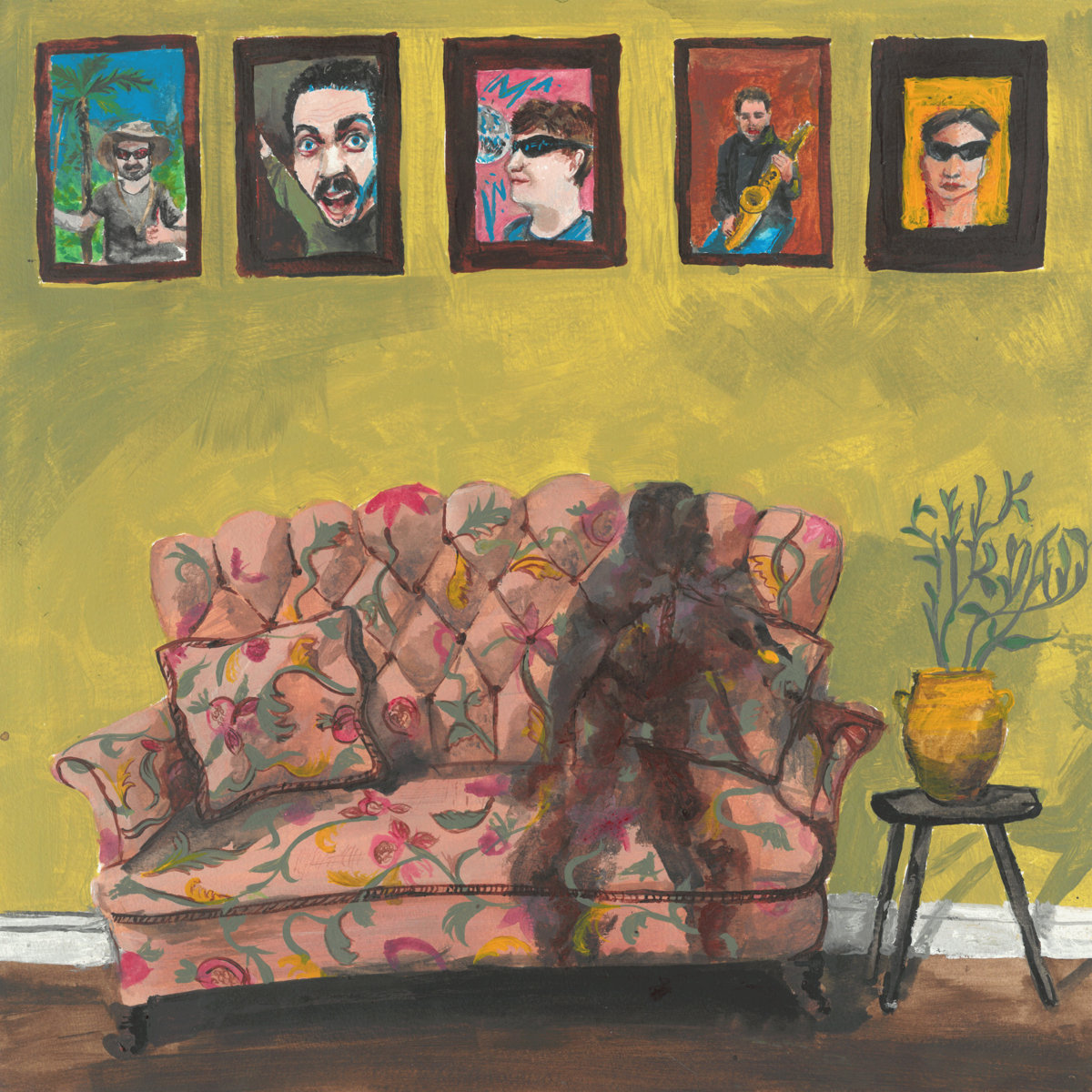
Band: Silk Road | Album: No Funeral | Genre: Progressive rock, Post-punk | Year: 2026
From: Newcastle Upon Tyne, UK | Label: Independent
For fans of: Squid, XTC, black midi
Silk Road is (was? Their Bandcamp page makes it sound like the band broke up, but the email I received from the band spoke about themselves in the present tense.) a Newcastle-based band that plays a complex, progressive variety of post-punk. The music on this record is jagged and biting, clearly drawing influence from London’s Windmill scene.
Led by a buzzing bassline, jumpy guitars, and squawking saxophone, “American Town” opens the album on an anxious note. Chords are dark and stormy, and the instrumental flourishes all add to a building sense of anxiety and unease. Things slow down in the song’s midsection, and the prior panic is replaced by something more settled. The band gradually picks the tempo back up, and it’s not long before the unsettled energy of this song’s opening section takes the spotlight again.
“The Stew” has a bit more of a groove to it, but it’s got some odd qualities, thanks to some unorthodox chord choices. Clean guitar occasionally glitters atop the distorted backing for some wonderful textural contrast. In the song’s second half, jazz flavors seep into the mix, with a slightly unsettled bassline keeping this cut wonderfully uncomfortable.
Jazz tones continue in the opening of “Mr. Worldwide”. Distant, reverbed vocals float over jittery piano and guitar. This relatively quiet passage is a nice breather amidst so many stiflingly nervous passages. That sense of impending doom returns in the song’s second half. Latin percussion and jazzy scales keep this song fluid, but additional distortion makes the atmosphere much closer. Those Latin flavors also underscore this song’s globe-trotting title.
A rubbery, irregular bassline opens “Chair Man”. The guitars alternate between their usual slashing post-punk tendencies and much wider, spacier passages. The anxiety is as palpable as ever here, and that persistent bassline helps to tie everything together.
“The Olympics” opens with a pretty wild guitar line, supported by some shimmering organ. This is one of the band’s most obviously black midi-ish moments, but it works very well. There’s a demented energy to the music, and the singer is doing his best Geordie Greep impression. Silk Road dips into some math rock influences in the instrumental passages of this song.
The album ends with its longest song, the nine-minute “Loverats”. It features the mellowest music on the record in its opening. There’s nearly a sensual quality to the bluesy guitar licks and echoing electric piano which serves as a great contrast to the preceding madness. As the song progresses, it turns into a woozy, downcast piece. Abstract guitar lines grow more oppressive, nearly drowning out the somewhat-low-mixed vocals. This song’s syncopated waltz pattern furthers the dreamy qualities of the music, while also providing consistent forward momentum. The climax of this epic is a noisy storm that dissolves into a reprise of the mellow opening, eventually drifting away.
Silk Road’s debut (and possibly only) LP is a wonderful piece of proggy post-punk. The band deftly blends biting, cynical lyrics with equally caustic instrumental motifs. There’s an undeniable artfulness to the music, too. The band members frequently flex their chops in complex displays, and the songs are structured in a way to always hold the listener’s attention.
Score: 85/100

