Artist: Andre LaFosse | Album:Karma Suppression Index | Genre: Progressive rock | Bandcamp
This instrumental album is full of twisting, groovy guitar lines and pulsing electronic rhythms. I’d recommend this album to fans of later King Crimson, especially The Power to Believe. However, despite the strengths of this album—I love the various tones LaFosse utilized, and it’s very well-produced—it does fall victim to the same pitfall as many other instrumental albums: it winds up feeling too long. Most songs don’t have a particularly clear arc or momentum, and a good groove will only carry you so far.
After this band’s stellar debut last year, Skylighting has come as something of a disappointment. This is still a metal album, but only barely. They went in harder on ballads and gentle pieces, and the distinctive vocals—one of the strengths of Descender—wear thin on this record. All in all, much of the album’s atmosphere comes off as mushy and indistinct. There is some very good music here, particularly in the album’s second half, but this turn toward gentleness is disappointing.
This churning maelstrom of an album relentlessly pushes forward with its crashing walls of distortion, enticing melodies, and unpredictable structural turns. Dysylumn blend the best textural elements of atmospheric black metal with a more urgent undercurrent. This is a pretty long record, clocking in at nearly 80 minutes, but it feels like it needs that length. It doesn’t meander or lose focus, but Cosmogonie does require patience.
Band: Alustrium | Album:Insurmountable | Genre: Death metal, Progressive metal | Bandcamp
The music on this EP is played with incredible precision, and the density of riffs-per-minute is impressively high. However, it also feels like this band’s main goal was to play as fast as possible, and even across such a short EP, that gets exhausting. There’s also nothing particularly unique about this release; this is rather boilerplate tech-death.
This band heavily channels Porcupine Tree in just about every regard. It’s a skillful facsimile, right down to the tones of the individual instruments, and the songs are well structured. There is also the occasional outside influence, such the odd jazzy lick here or there. On the downside, this album is pretty long-winded. Only one of the six songs comes in under eight minutes, and most cuts could have benefitted from some trimming.
Band: Giraffes? Giraffes! | Album:Rite of Summer | Genre: Post-rock, Math rock | Bandcamp
Giraffes? Giraffes! is one of my favorite math rock bands, and this EP—consisting of just one 15-minute song—more than lives up to expectations. As is to be expected from this duo, the guitars are nimble, the drumming is deft, and the multi-parted composition keeps you guessing. The sounds range from blazing, finger-twisting licks to mellow psych-folk, and it all works beautifully.
Score: 88/100
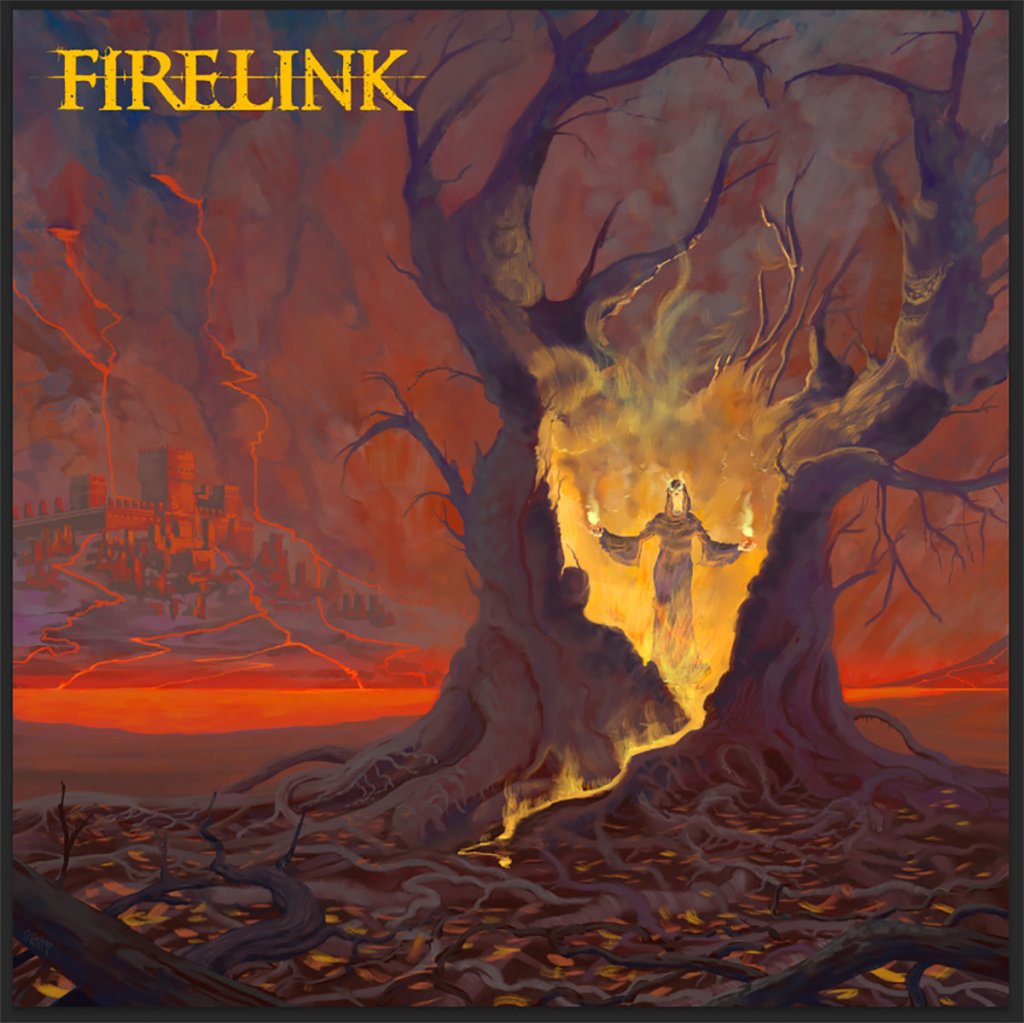
Band: Firelink | Album: Firelink | Genre: Atmospheric black metal, Progressive metal | Bandcamp
I like Firelink’s self-titled sophomore album, but it doesn’t do too much to stand out from similar acts. The songs are well-constructed and well-played proggy black metal with atmospheric leanings, but nothing about it differentiates it from the rest of the rather saturated black metal field. Every now and then, I’m just in the mood for some good ol’ black metal shredding, and this is great for that. Just don’t go into this expecting anything all that distinctive.
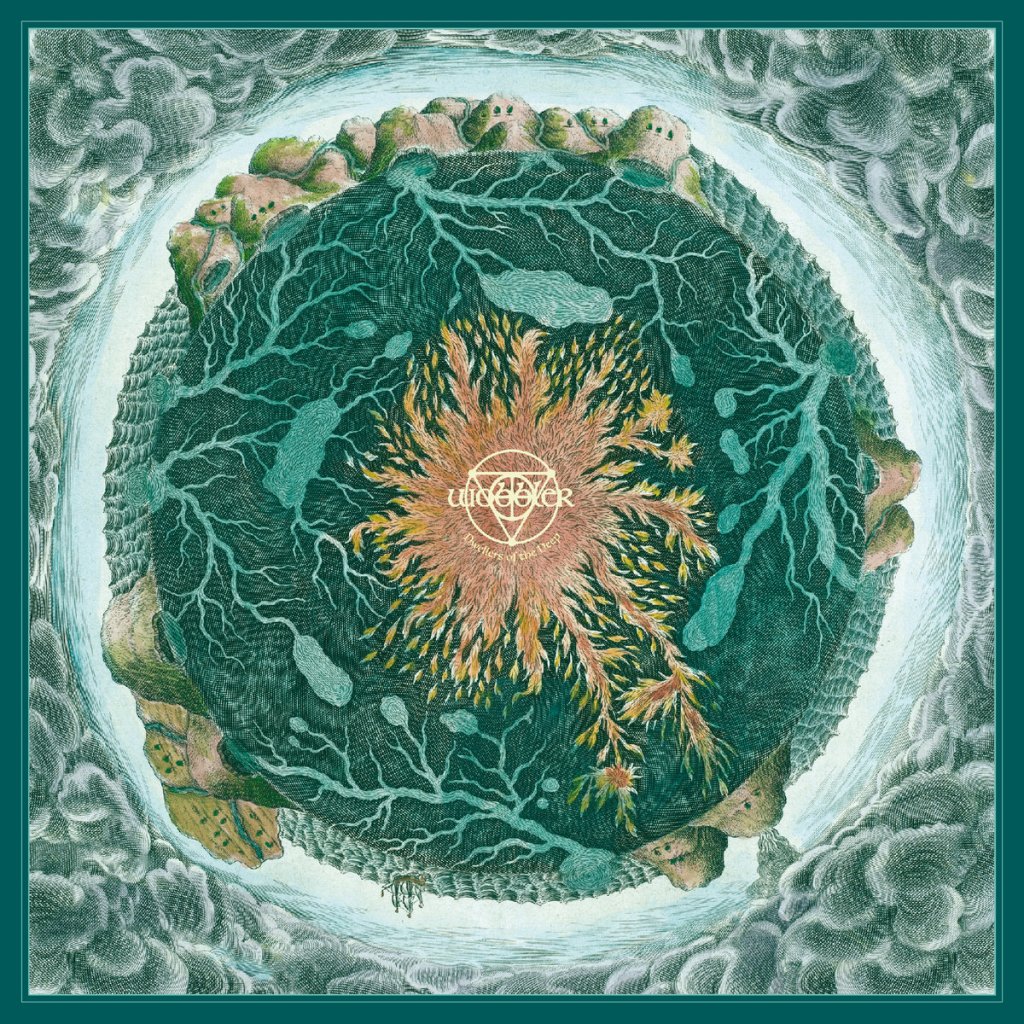
Wobbler are indisputably one of the top dogs of the modern progressive rock scene, and I quite like them. However, I view them as one of the most overrated acts out there. They’re certainly not bad, not by a wide margin. Nevertheless, From Silence to Somewhere (their 2017 release) is ranked 28th all-time on Prog Archive’s list of the top prog albums, which is ridiculous. It’s a very good record which cracked my personal Top 10 that year, but it certainly ain’t the 28th-best prog album of all time. At time of writing, Dwellers of the Deep ranks 52nd on that same list, and that’s even more egregious. (That list, aggregated off user reviews, has all kinds of other odd inclusions and exclusions, and I’ve got my own gripes about that site’s users’ biases.)
I also find the progosphere’s eager deference to this band off-putting, and I’ve witnessed an awful lot of hand-waving at just how Yes-y they’ve become over their last few albums. Their Yes-iness isn’t an inherently bad thing. Rites at Dawn is my favorite of their records, and that is arguably their most blatantly Yes-like release. But after a while, such obvious aping of another act’s sound does begin to wear thin, and Yes varied their sound more than Wobbler have. To reiterate: I like Wobbler, but I don’t view them through the same irreproachable lens that many other prog fans seem to hold.
Now that I’ve gotten my expository rant out of the way, I can address the album at hand. Dwellers of the Deep is this Norwegian quintet’s fifth full-length release. Upon first listening to it, I was struck by the fact that I could identify no appreciable differences between this album and From Silence to Somewhere. The sound palette hasn’t been shaken up, the albums’ structures are similar, and the melodies feel too familiar—bordering on re-trod. However, the strength of Wobbler’s baseline sound is such that even with these considerations in mind, Dwellers of the Deep is still a pretty good record. Not amazing, but pretty good and worth listening to.
Band: Arcade Messiah | Album:The Host | Genre: Progressive rock, Progressive metal | Bandcamp
Arcade Messiah is a one-man project out of Ireland that mixes progressive rock and metal with earworm melodies and intriguing electronic touches. Hints of post-rock and stoner metal permeate this album, and each song works wonderfully with the next. This release reminds me a lot of ADHD-era Riverside with its strong hooks, varied textural palette, and adventurous spirit. The Host artfully threads the needle in a way that many acts are unable to. This album strikes a balance of metallic bombast and smooth melodicism.
I’ve previously discussed this Cretan trio, and I found their blend of Greek folk melodies, progressive songwriting, and sunbaked fuzz truly refreshing. In lieu of guitar, the lead instrument in this band is a modified electric lute, which imbues the songs with a unique timbral quality. The Martyr took a bit longer for me to get into than their previous album, but it gradually grew on me over several listens. This distinctly Hellenic stoner metal kept drawing me back in with its uncommon melodies and well-structured compositions. Compositions range from charging to plodding, and that diversity of atmosphere serves this record well.
I’ve discussed Spinda Records and their consistently high-quality underground prog and psych before. Moura’s self-titled debut—released by Spinda in March—might just wind up being my album of the year, but my year-end list is still taking form. The latest release from this label is the third album from Acid Mess, Sangre de Otros Mundos (Blood of Other Worlds).
The album opens with “El Reflejo de Su Piel” (“The Reflection of Your Skin”). The first half of this song is slow and atmospheric: clean guitar echoes as a squiggly, fizzy synth line winds its way beneath. That suddenly erupts into a distinctly Spanish guitar riff imbued with metallic aggression. Handclaps add a distinct textural element, and swirling organ, though low in the mix, makes everything feel fleshed-out.
It’s a Monday, but I don’t have a review for you. I was absolutely slammed at work last week, but I should have a bit more breathing room now.
Considering how close we are to the end of the year, and considering how many records there are I haven’t reviewed but would love to touch on, I will be increasing the frequency of Odds & Ends posts between now and mid-December. I’m not sure how many I’ll wind up posting, but I’d expect at least 4 between now and the end of the year, as opposed to the expected two.
I’ll also be taking off the weeks of Dec. 21 and 28, to allow myself adequate time to finish my year-end best-of lists and to allow Kelci and Dan adequate time to proofread them. Those can be expected in early-to-mid January.
There is no shortage of instrumental EPs and albums put out by guitarists. Many of these releases tend to be self-indulgent and focused on technical soloing. Because of that trend, it’s always a refreshing change of pace when I run across someone like Xander Naylor, who functions more as a composer who just so happens to play guitar, rather than a guitarist composing pieces for his instrument.
Continuum is Naylor’s debut full-length record, and it reminds me of Steve Hackett’s solo material. Not so much in sound, but more so in that while there’s plenty of skillful instrumentalism, it isn’t to the neglect of structure or vision.
Nightcap at Wits’ End—the fourth album from Garcia Peoples—shows the band’s continued evolution and refinement of their sound. Their first two albums were psychedelic garage rock pieces with some underlying prog leanings. One Step Behind (their third release) was centered around a 32-minute krautrock opus. This record dials back the scale of things, with only one song topping seven minutes.
The sound presented here is also something of a middle ground between their first three releases. This is undoubtedly a progressive rock album, but it hearkens back to the very earliest days of progressive rock, when the lines between psych and prog were even blurrier than they currently are. It draws a great deal of influence from those first prog bands, such as The Moody Blues, the first King Crimson lineup, and early Canterbury acts like Egg/Uriel.




 The Elite Extremophile