Arriving three years after their last effort, Perilymph’s fourth album, Progressions Imaginaires, is this group’s newest output. I’ve covered this band a couple times in the past, and I’ve always enjoyed their work. They have always done a great job at contrasting spare, acoustic passages with big, warm retro synth tones.
Perilymph’s past work has often straddled the always-fuzzy line between psych and prog. That has a lot to do with the way that they evoke the instrumental tones of the late 1960s, when psych and prog were both in their infancies and it was all a big mushy blob of forward-thinking rock music. This album, though, sees the band pushing in a more clearly progressive direction. The tones and textures are as lush and psychedelic as ever, but the songwriting is more dynamic, mature, and inventive.
Band: 55YT MQRT | Album:55YT MQRT | Genre: Space rock, Progressive rock | Bandcamp
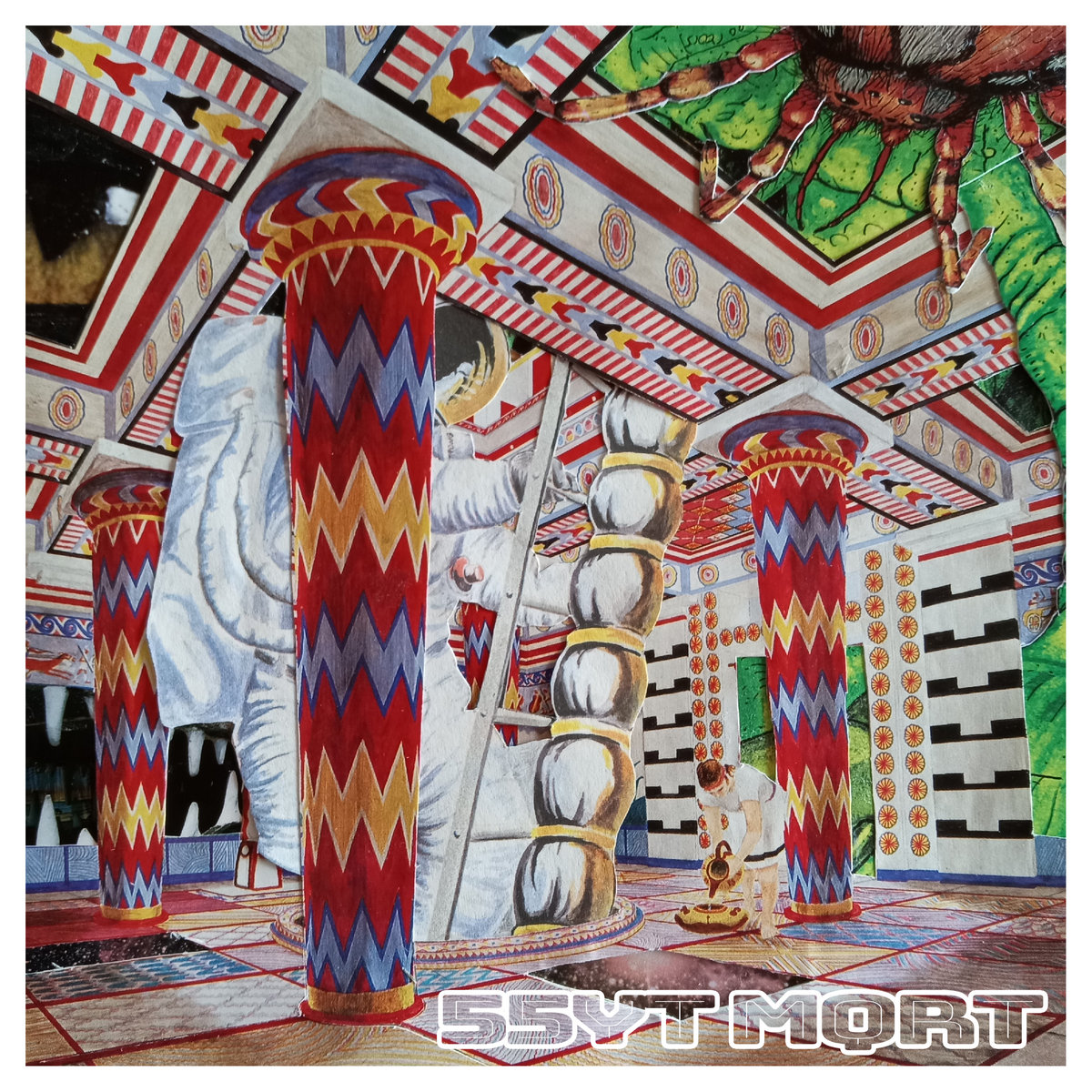
This band’s name might look like a license plate number, but their sound isn’t nearly that ordinary. They play a vast, cosmic variety of heavy psych and prog, and the album art of an astronaut traveling through an ancient temple is weirdly fitting. The soundscapes are vast and huge, and everything has a massive amount of weight behind it. Even though this album is a bit on the long side, it works. This is the sort of music where stretching out benefits the band.
Score: 80/100
Band: AKU | Album:Solipsism | Genre: Jazz-fusion | Bandcamp
The six songs on Solipsism effortlessly blend jazz and progressive rock into a rich, organic melange. Each of the four members of the band puts on a great showing. Guitar is the lead instrument more often than not, but the keys are smartly deployed and add a great depth. The bass playing is punchy and energetic, and the drumming is skillful and varied.
When Job for a Cowboy first came onto the scene in the late ‘00s, I remember them being derided as just another deathcore band with a stupid name. I listened to some of their early work, and I agreed with that assessment. I don’t like deathcore, and their name is dumb. Seriously, it sounds like a lousy innuendo from a bro-country song. There are some bands I haven taken too long to give a shot because of how much I dislike their name (for example, Between the Buried and Me, And So I Watch You from Afar; pretty much any band whose name is a full clause), but JfaC is a band where my distaste for their name was backed up by a distaste for their music.
In the ensuing decade-and-a-half, though, they’ve taken a considerably more technical and progressive turn. When I saw Moon Healer rather high up on the 2024 chart on Rate Your Music, I was baffled. Aren’t these guys just some shitty deathcore band? I thought. My curiosity was piqued, so I gave Moon Healer a listen. I’m glad I did.
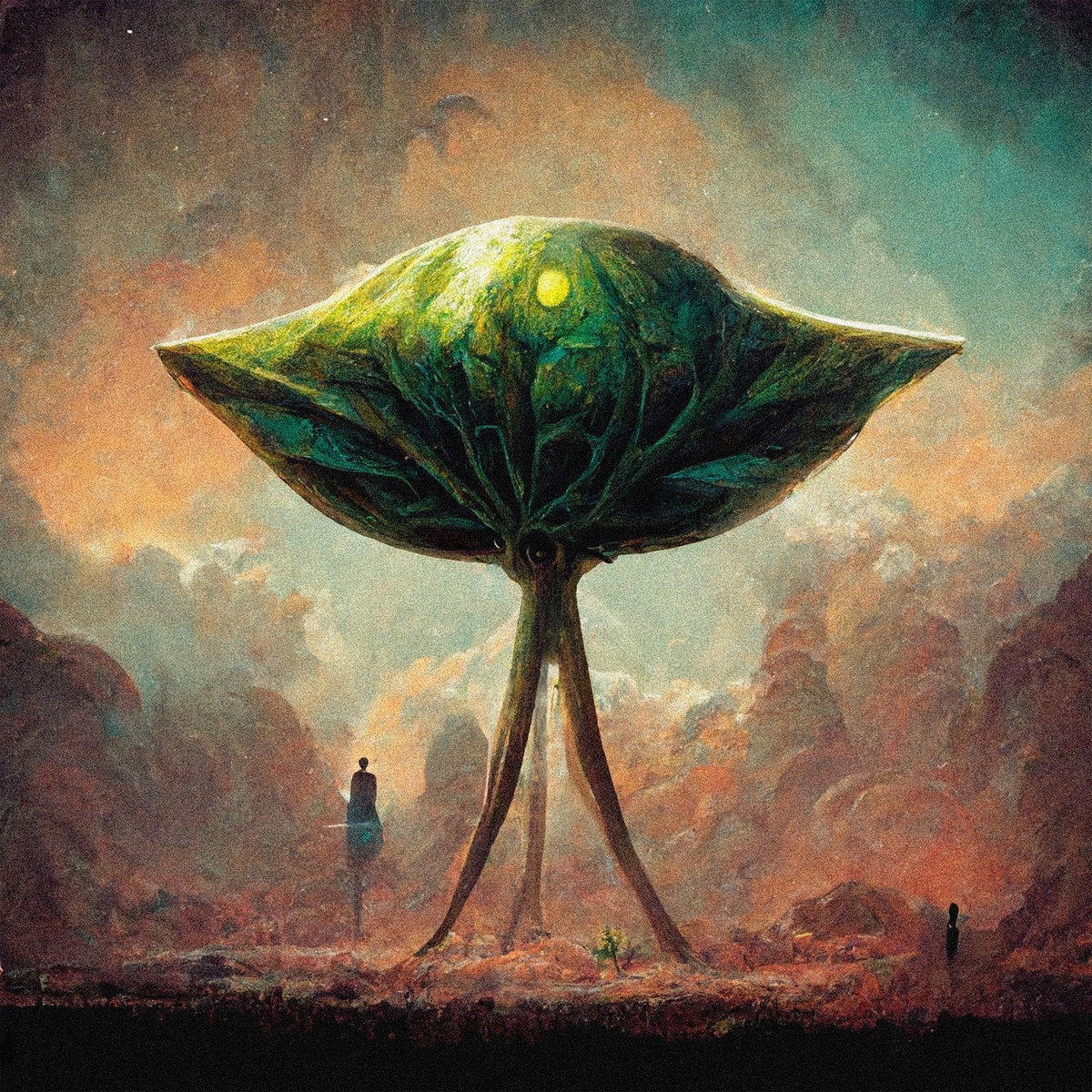
Plantoid is a Brighton-based four-piece that expertly manipulates textures to create an enveloping auditory experience. Jazz and psychedelia commingle on Terrapath, along with progressive rock, indie rock, and bits of folk. The sci-fi album art matches the hazy, otherworldly feel of the music. The band manages to establish a sense of musical continuity without coming off as repetitious or uncreative.
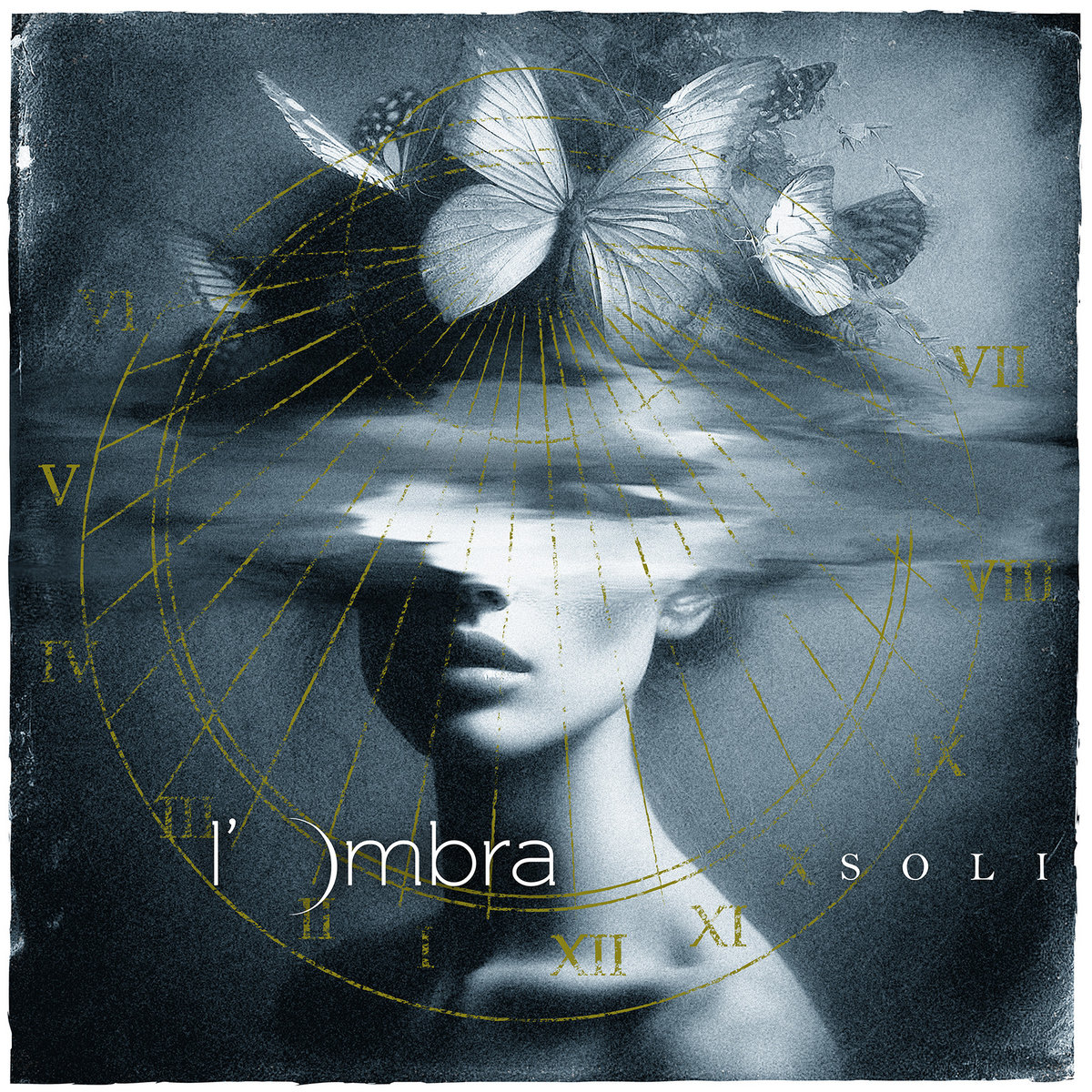
Back in 2019, L’Ombra’s debut EP took the top spot on my inaugural Top EPs list. Their music was relatively accessible, but it still featured plenty of artsy, inventive playing and arrangements. One of the things I liked most about it was how it used language. The five songs were in Italian, French, and English. The Italian and French songs had influences that drew from the classic eras of Italian and French progressive rock.
Five years later, they’ve come back with their debut full-length album, Soli. It stays in a similar overall vein as their self-titled EP, but the obvious linguistic-musical dynamics are less pronounced here. The Italian bits aren’t as reminiscent of classic Italian prog, and the French bits don’t necessarily feel all that French. The overall tenor is jazzy and rather relaxed, and it winds up being pretty solid.
My view of what is actually popular and successful is probably skewed by where I spend my time online. A lot of that time is on Reddit, and a not-insignificant portion of that time in turn is spent perusing r/progmetal. One of the most beloved bands on that subreddit is Caligula’s Horse, and if you’ve paid attention to my comments on other darlings of that subreddit (Nospūn, recent Leprous, and recent Haken) or compared my year-end list to theirs, it should come as little surprise that this is a band that’s never really clicked with me.
Their brand of prog metal is melodic and in the same general vein as Dream Theater. The vocals are clean, and there’s a strong emphasis on majestic climaxes. Everything is well-played, and the songs are smartly-structured, so I’m struggling to articulate why this record isn’t resonating with me. It’s not particularly derivative of any one act, but I suppose there’s not much that really stands out about it either. The production is a bit soupy, as the guitars bleed together into an indistinct distorted mush, and the vocals get swallowed up by the backing. That lack of definition can make it tough for individual elements to stand out.
Ellesmere is an Italian band whose music draws heavily from neo-prog and ‘80s arena rock. It’s big, loud, complex, and showy, and if you like acts like Marillion, IQ, or Asia, you’re probably going to like Ellesmere. The production isn’t great, and the vocals are fairly rough, but nevertheless it’s clear the music has some strong bones. The 12-minute title track is especially good, featuring smart structuring choices and dynamic musicianship.
The Chronicles of Father Robin return with the conclusion of their Airoea trilogy. Book I covered the land of Airoea, and Book II its waterways. You can read about my thoughts on those, as well as some notes on this band’s background, in my original reviews. Book III, now, is exploring the skies of Airoea.
With the Airoea trilogy now concluded, I’ve included my thoughts on the project as a whole at the end of this review.
I pride myself on generally being pretty good at pronouncing non-English words reasonably closely to how they would be by a native speaker. (I make no claims about my ability to string together a coherent sentence, mind you.) However, the spelling systems of Irish and Scottish Gaelic truly baffle me. I’ve been told that they actually make a lot of sense and are fairly consistent, if you sit down and learn the conventions. I haven’t done that, though, so this band’s name, Sgàile, made me raise an eyebrow. It turns out it’s pronounced roughly “sky-lee,” (which is not too far off what I would have guessed), and it means “shade” in Scottish Gaelic.
Sgàile is the brainchild of multi-instrumentalist Tony Dunn, and Traverse the Bealach is their second full-length release. (“Bealach” means something like “way” or “road,” according to Google Translate.) There is an unmistakable Scottishness to this music, and there are some passing similarities to Saor, another notably Caledonian metal act. But where Saor tends to be more atmospheric and impressionistic, Sgàile’s riffs have a bit more punch and definition behind them.
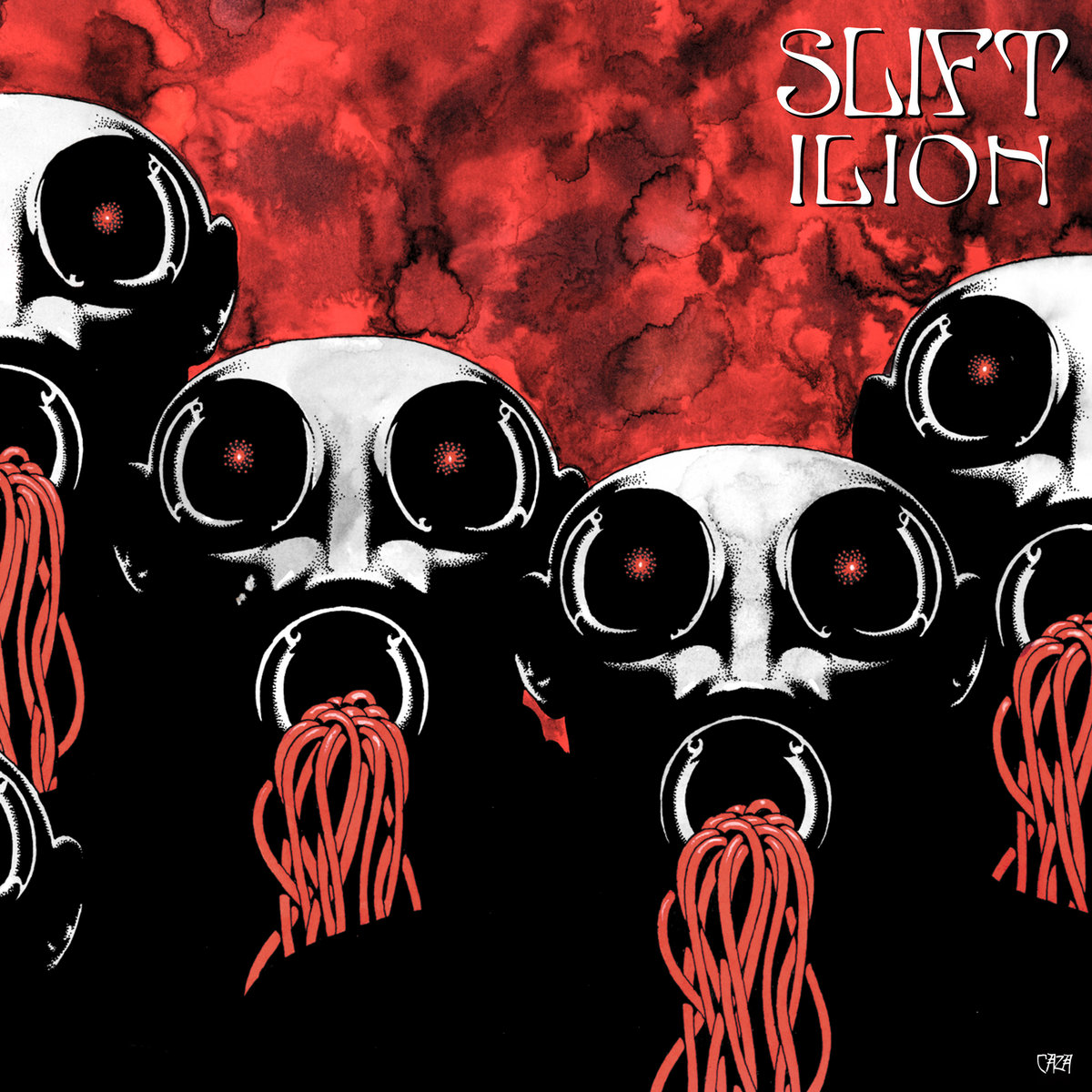
Slift is back after a four-year gap with their new album, Ilion. The band has stated that Ilion can be thought of as a direct sequel to Ummon, their 2020 release. There is a lot of sonic continuity between the two records. Both prominently feature bludgeoning doom metal riffs, crossed with krautrock-like repetition, and interstellar aesthetics. Much like Ummon, Ilion is a challenging listen. It’s a nearly-unrelenting onslaught of heavy riffs that cascade effortlessly from your speakers. I saw Slift when they came to Seattle last year, and if they come again, I’m going to go once more. They put on a great show, and I’m sure these cuts will be great additions to their live set.
In many ways, Ilion takes what Ummon did and cranks it up even further. Ummon saw Slift shift from spacey garage rock to a more metallic sound, and that progression has continued here. Not only are doom metal influences present, but post-metal, too. Ummon runs 72 minutes across 11 songs, but Ilion pumps that to 79 minutes across only eight songs (only two of which are under nine minutes, and none of which are below five).
Band: Everything Oscillating | Album:The Taboo Against Knowing Who You Are | Genre: Progressive rock | Bandcamp
Everything Oscillating is an instrumental act that focuses on flashy, technical shredding. Two of the three members are the guitarist and bassist for the Seattle-based band Moon Letters, whom I’ve covered a couple times. EO does a great job threading the needle of balancing flashy instrumental antics and engaging songwriting. The best moments here call to mind classic bombastic ‘90s and early ‘00s prog bands like Liquid Tension Experiment and Transatlantic, with a bit more of a classic heavy metal influence. Jazz and Latin flavors are included naturally, and the (abbreviated) instrumental cover of “Achilles’ Last Stand” is done well, too. (I feel like I could write a short essay on my love for the original version of that song, and EO absolutely does it justice here. It’s right up there with “Carouselambra”, “In the Light”, and “The Rain Song” among my favorite Led Zeppelin cuts. (I know, shocker, my favorite Zeppelin songs are all among the band’s longest.))
Score: 79/100
Artist: Peter Gabriel | Album:i/o | Genre: Art pop | Bandcamp
Peter Gabriel’s first new album in 20 years is enjoyable. It’s decent, fairly arty pop with some good melodies and interesting ideas. His vocal performance is strong, and the production is clean, crisp, and professional. Compositionally, though, it doesn’t stand out. Post-rock flavors weave themselves into Gabriel’s usual somewhat-spacey writing style. It’s competent but not particularly memorable. i/o comes in two different mixes: the so-called “bright-side” and “dark-side” mixes. These two mixes are not meaningfully different. Yes, if you listen to each song’s bright and dark version, you can tell them apart, but the differences between the two are insubstantial, surface-level, and borderline-gimmicky. Publications (especially prog-focused ones) that included this on their best-of 2023 lists make me question if they just reflexively put every release from major ‘70s players on their year-end lists, regardless of quality. (In fact, I know several included Yes’s abysmal The Quest on their 2021 lists, so I suppose they do.) If you want some keyboard-forward art-pop to put on in the background, i/o will work, but this album doesn’t leave a lasting impression.