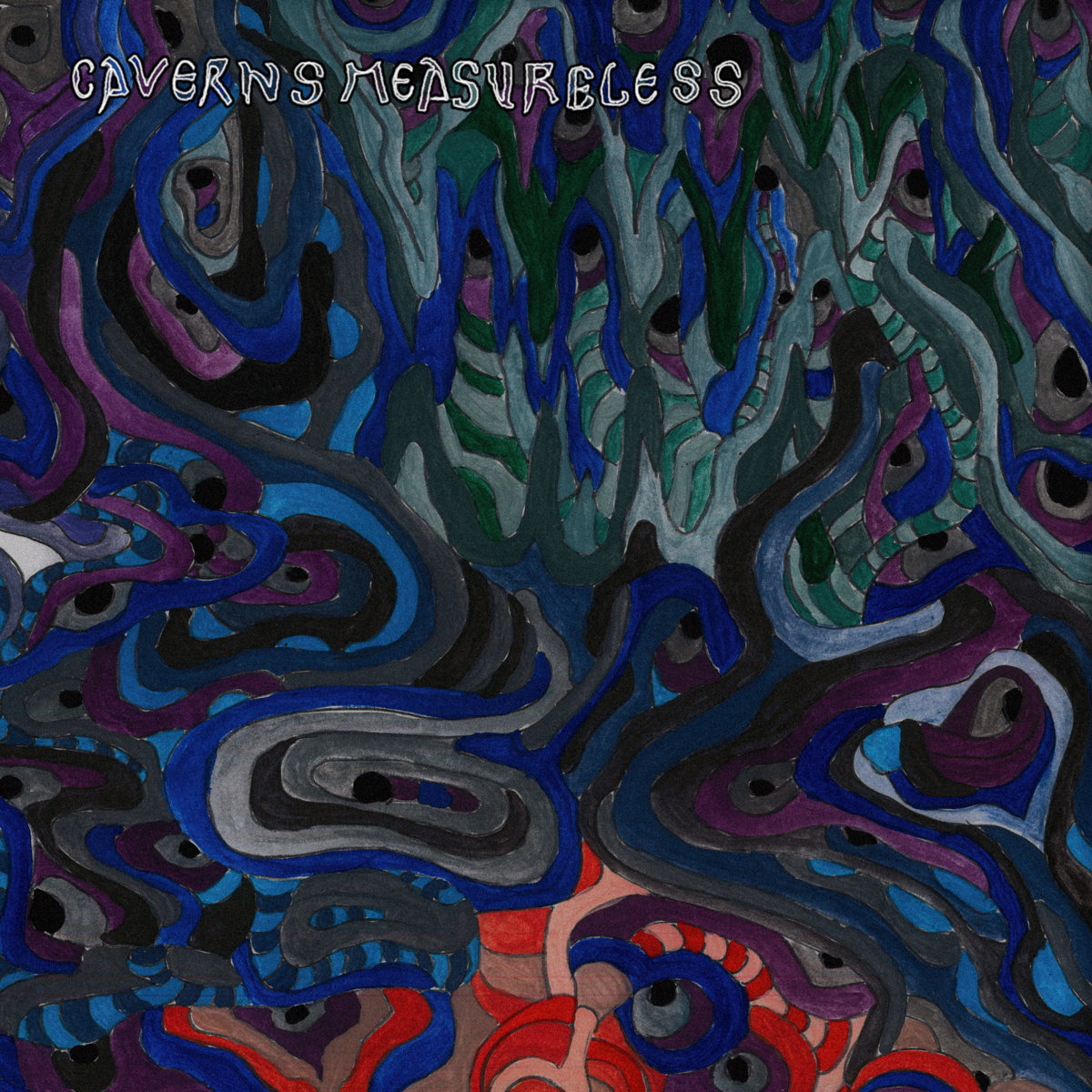
Scottish one-man experimental act Caverns Measureless plays a creepy, unsettling, and adventurous variety of folk-rock on their self-titled sophomore album. Acoustic guitar and mandolin plink alongside violin and flutes, while the occasional brash stab of electric guitar sends the atmosphere careening in another direction. The compositions are wiry and fluid, often changing path suddenly. All the songs here are complex, creative, and moody.
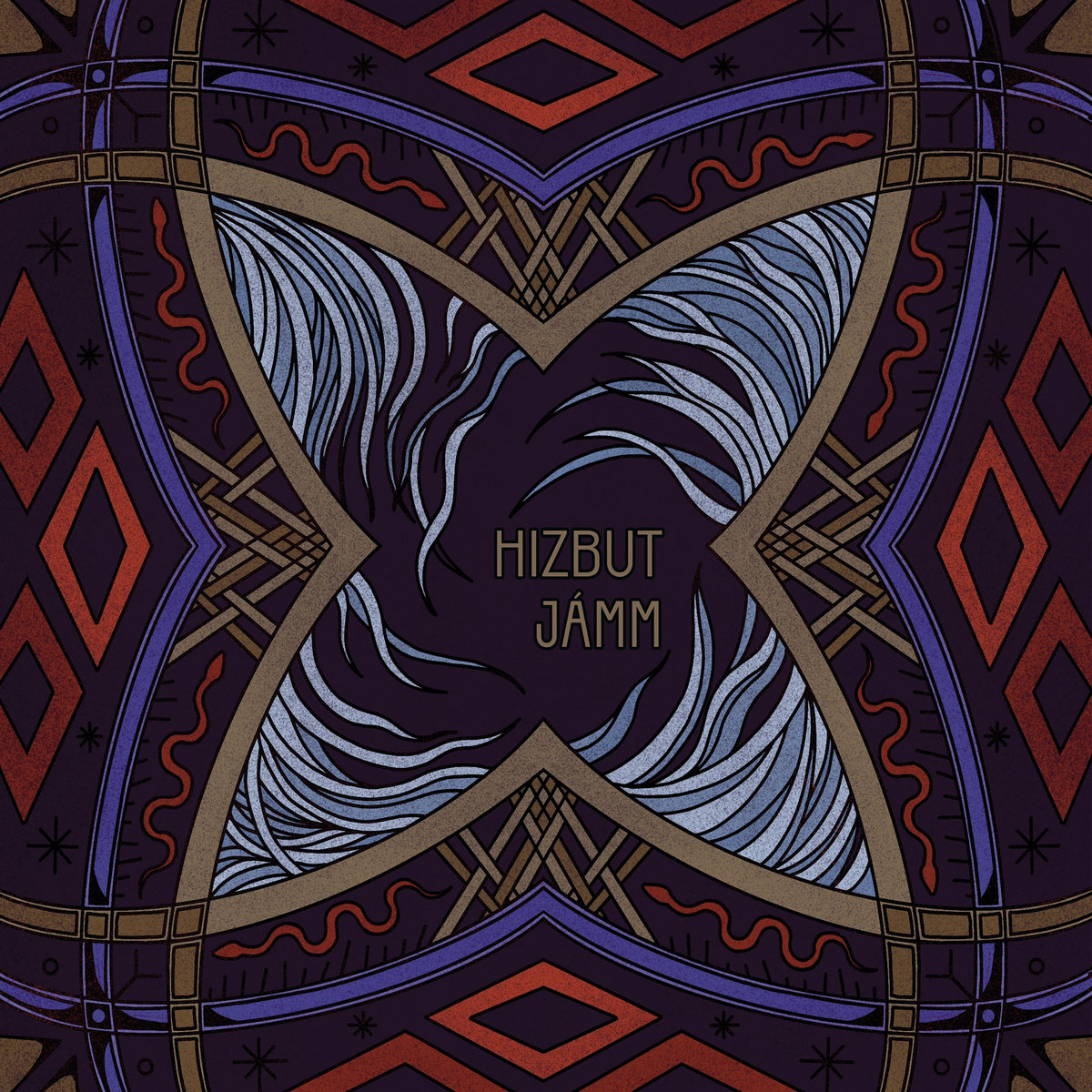
Hizbut Jámm is an interesting quartet. It consists of two Poles on guitar and drums, a Senegalese musician on guitar and vocals, and a Burkinabe musician playing the kora–a type of lute from West Africa. The lyrics are sung in Wolof and French, and West African melodies and scales are woven into the music. But this fusion also draws heavily from the tradition of Euro-American psychedelia. Textures are lush and dreamy, and the overall mood is hypnotic. Hizbut Jámm is an entrancing listen, and it’s a rewarding experience both as passive background music and as the subject of more active listening.
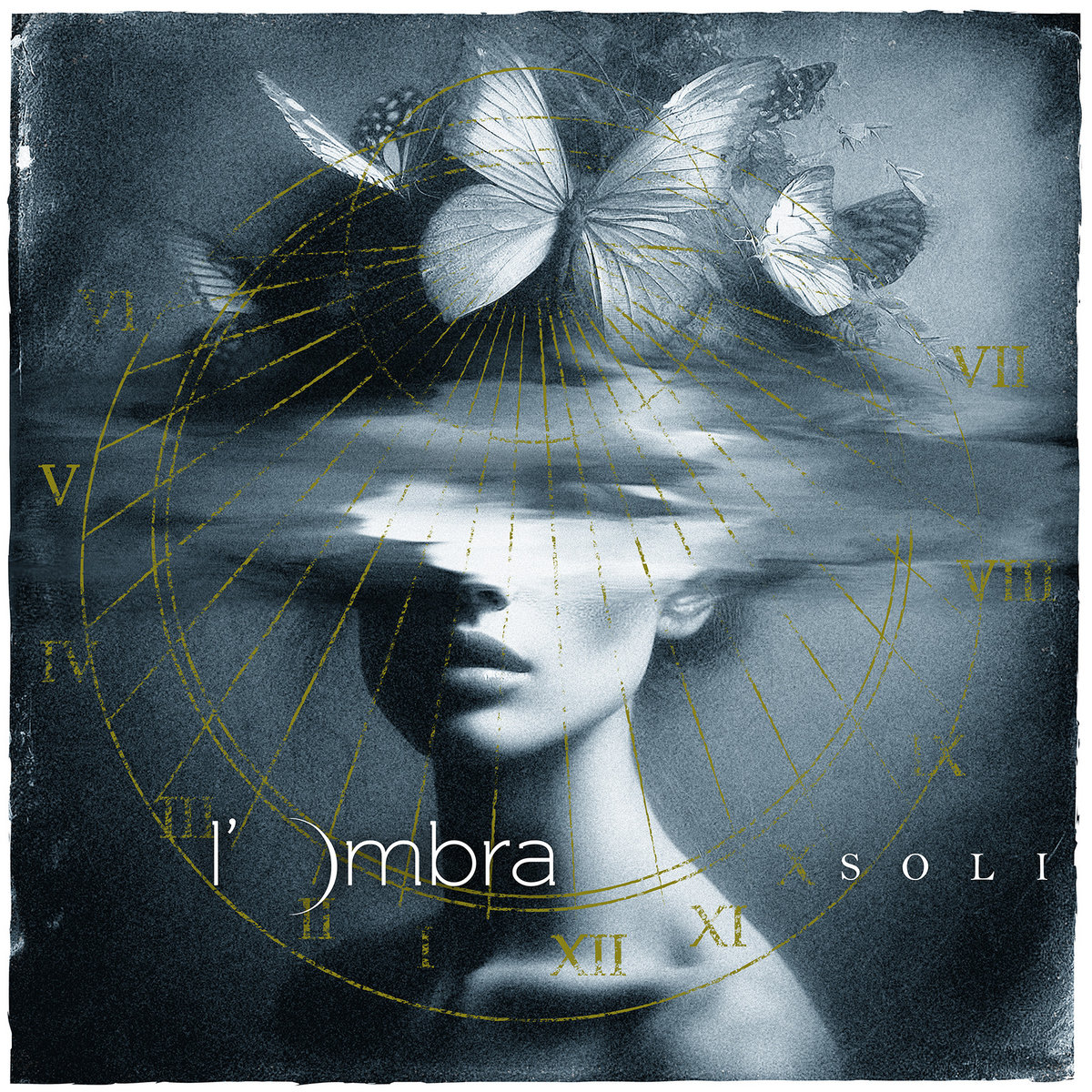
Back in 2019, L’Ombra’s debut EP took the top spot on my inaugural Top EPs list. Their music was relatively accessible, but it still featured plenty of artsy, inventive playing and arrangements. One of the things I liked most about it was how it used language. The five songs were in Italian, French, and English. The Italian and French songs had influences that drew from the classic eras of Italian and French progressive rock.
Five years later, they’ve come back with their debut full-length album, Soli. It stays in a similar overall vein as their self-titled EP, but the obvious linguistic-musical dynamics are less pronounced here. The Italian bits aren’t as reminiscent of classic Italian prog, and the French bits don’t necessarily feel all that French. The overall tenor is jazzy and rather relaxed, and it winds up being pretty solid.
Band: Everything Oscillating | Album:The Taboo Against Knowing Who You Are | Genre: Progressive rock | Bandcamp
Everything Oscillating is an instrumental act that focuses on flashy, technical shredding. Two of the three members are the guitarist and bassist for the Seattle-based band Moon Letters, whom I’ve covered a couple times. EO does a great job threading the needle of balancing flashy instrumental antics and engaging songwriting. The best moments here call to mind classic bombastic ‘90s and early ‘00s prog bands like Liquid Tension Experiment and Transatlantic, with a bit more of a classic heavy metal influence. Jazz and Latin flavors are included naturally, and the (abbreviated) instrumental cover of “Achilles’ Last Stand” is done well, too. (I feel like I could write a short essay on my love for the original version of that song, and EO absolutely does it justice here. It’s right up there with “Carouselambra”, “In the Light”, and “The Rain Song” among my favorite Led Zeppelin cuts. (I know, shocker, my favorite Zeppelin songs are all among the band’s longest.))
Score: 79/100
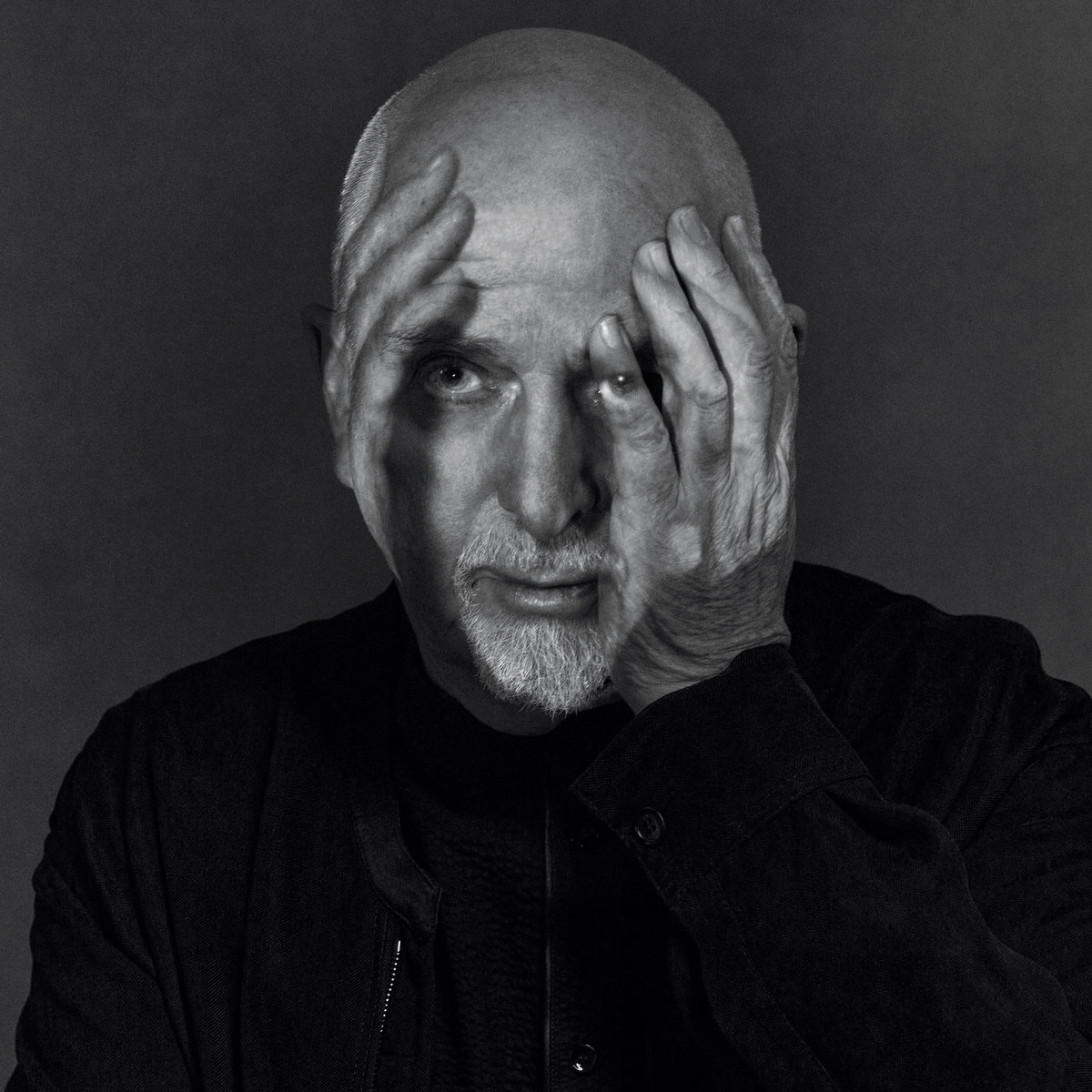
Artist: Peter Gabriel | Album:i/o | Genre: Art pop | Bandcamp
Peter Gabriel’s first new album in 20 years is enjoyable. It’s decent, fairly arty pop with some good melodies and interesting ideas. His vocal performance is strong, and the production is clean, crisp, and professional. Compositionally, though, it doesn’t stand out. Post-rock flavors weave themselves into Gabriel’s usual somewhat-spacey writing style. It’s competent but not particularly memorable. i/o comes in two different mixes: the so-called “bright-side” and “dark-side” mixes. These two mixes are not meaningfully different. Yes, if you listen to each song’s bright and dark version, you can tell them apart, but the differences between the two are insubstantial, surface-level, and borderline-gimmicky. Publications (especially prog-focused ones) that included this on their best-of 2023 lists make me question if they just reflexively put every release from major ‘70s players on their year-end lists, regardless of quality. (In fact, I know several included Yes’s abysmal The Quest on their 2021 lists, so I suppose they do.) If you want some keyboard-forward art-pop to put on in the background, i/o will work, but this album doesn’t leave a lasting impression.
Welcome to the fifth annual installment of The Elite Extremophile’s Top Prog Releases. 2023 was an exceptional year for prog and prog-adjacent genres, and I was left with a glut of good music that wasn’t going to make my year-end lists. Even in less-stellar years, there are often records that I’m overall unimpressed with, which just so happen to have a great song or two on them. Thus, from a desire to not give such releases the short shrift, I’ve decided to highlight ten Cool Songs from this year.
This segment is meant to show off great tracks that otherwise do not appear on my year-end lists. If a release makes my best EPs or best albums list, it is disqualified from appearing in this particular segment.
I generally do my best to be positive on this site. I cover music I like (mostly), and I aim to give acts the benefit of the doubt when possible. I’ve heard it said that critics should be curators, not gatekeepers, and that is an ethos I strive for. But every now and then, you run across a flaming pile of shit so spectacularly bad, you have to stop and gawk. It’s a trainwreck with bodies strewn everywhere, and the mere sight of it makes you sick, but you can’t look away. And to top it all off, the person driving the train is a notoriously unpleasant curmudgeon. When a situation like this arises, it’s hard not to react to the spectacle.
Having a nice, long hate on an album can be a fun, cathartic exercise on occasion. I haven’t really done that on this site before now, but it’s something I did a number of times when I was writing reviews on my personal Facebook page. The Astonishing, Dream Theater’s overblown, under-thought rock opera, was a particularly fun record to bash. I’m looking forward to expanding on that in my eventual Dream Theater Deep Dive. (I did bash Leprous’s last two albums pretty hard, but even my Aphelion review found some limited good.)
I touched on this briefly in my Pink Floyd Deep Dive, but Roger Waters is pretty easy and fun to dislike. He often comes off as a self-important douche who is deeply unpleasant to spend time around. Normal, likable people don’t get married five times or have irreparable rifts with coworkers. Sure, his politics are not too terribly different from my own on most fronts, but his sanctimony goes a long way in making me second-guess those overlapping views.
He only seems to have gotten more unpleasant in his old age, too. His spats with David Gilmour, which seemed to have quieted down a bit in the mid-2000s, have only flared back up as nasty as ever in recent years. And the dude is even on Russia’s side in the ongoing Russian invasion of Ukraine. Add into that mix some additional ridiculous, egotistical statements–like his bitter, petulant outburst that he is “far, far, far more important” than The Weeknd when the Canadian press didn’t give his tour enough attention–and it’s easy to see why it’s hard to look away from his nonsense.
Now, to Roger’s credit, he’s not intending for this to be a replacement for The Dark Side of the Moon. This work is presented as a different take on things. The album is a reflection on life and death, and re-recording it with another fifty years of life experience sounds like a concept that could work… theoretically. The problem is, Roger’s best work was always strongly reliant on David Gilmour and Rick Wright providing significant musical input. This manifestation of Dark Side simply lacks that ineffable spark that made the original one of the greatest rock albums of all time. In many ways, this release feels like him attempting to diminish the importance of the other members of Pink Floyd and cast himself as the act’s true creative force.
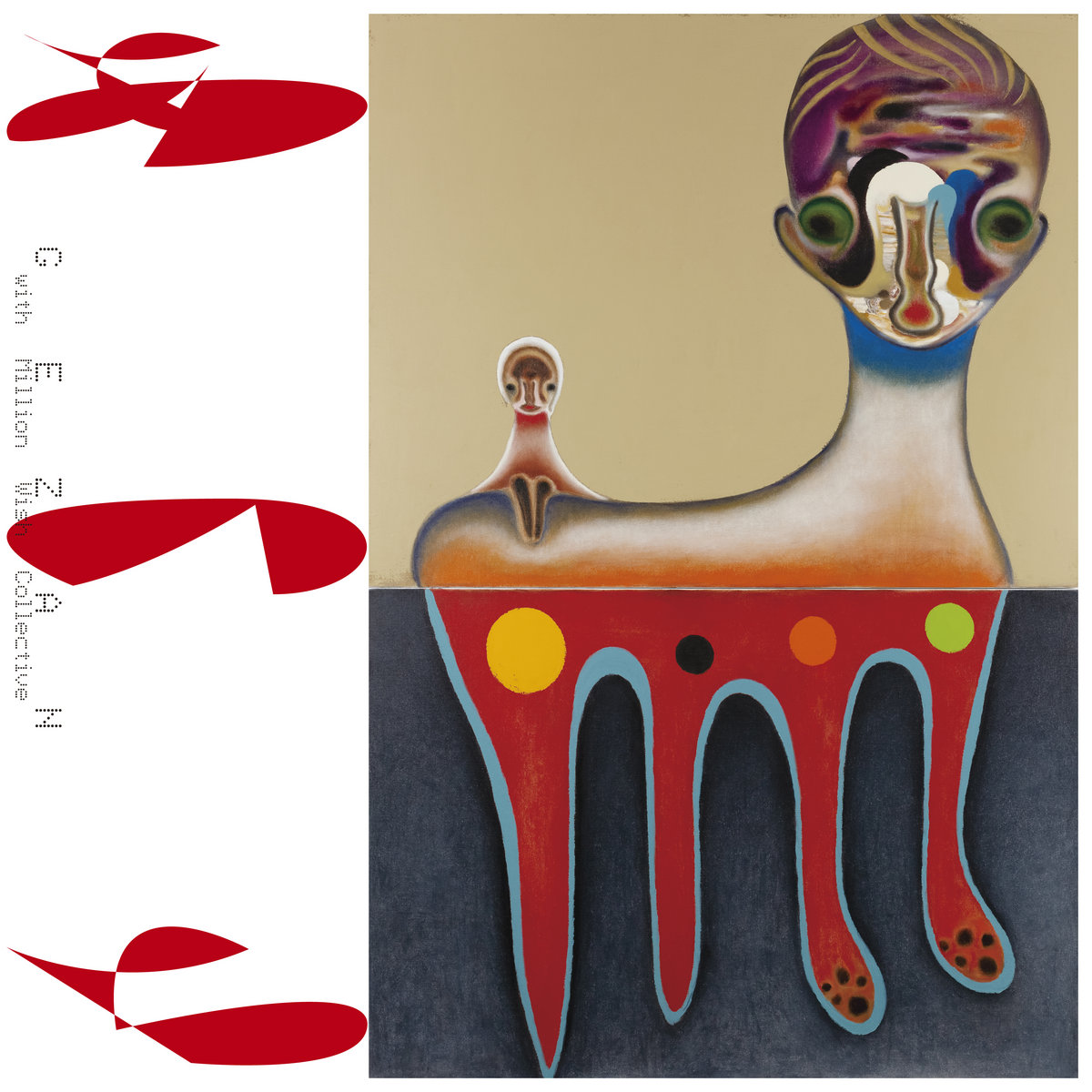
Japan often gets stereotyped as having a lot of bizarre media. We’ve all seen those clips of insane Japanese game shows. I’ve never been to Japan, so I can’t personally vouch for the country, but I’ve got a feeling that’s an unfair, unrepresentative slice of their media landscape. I’ve heard enough dull Japanese jazz-rock to be confident they’ve got their own anodyne TV shows. However, sometimes that reputation for weirdness is warranted. Those insane game shows do exist, after all. And musically, it was Japan that revitalized zeuhl in the 1990s. The latest release from GEZAN falls firmly into that tradition of strangeness.
「あのち」(“Anochi”) is a striking record. It’s distinctive in its sound, and I somewhat struggled when thinking up artists for the “For fans of” section of the header. This album contains a dizzying blend of punk, prog, jazz, art rock and more. It touches on an impressive number of genres while also maintaining a sense of purpose about itself.
Artist: Stewart Clark | Album:Journeys | Genre: Progressive rock | Bandcamp
Stewart Clark draws noticeably from the classic prog giants, most obviously Yes and Genesis. The music is rich and grand, and though the playing is hardly flashy, the songs are creatively and thoughtfully structured. The folk elements are especially nice. Some cuts do drag on a bit, but this is an overall enjoyable release.
Score: 77/100
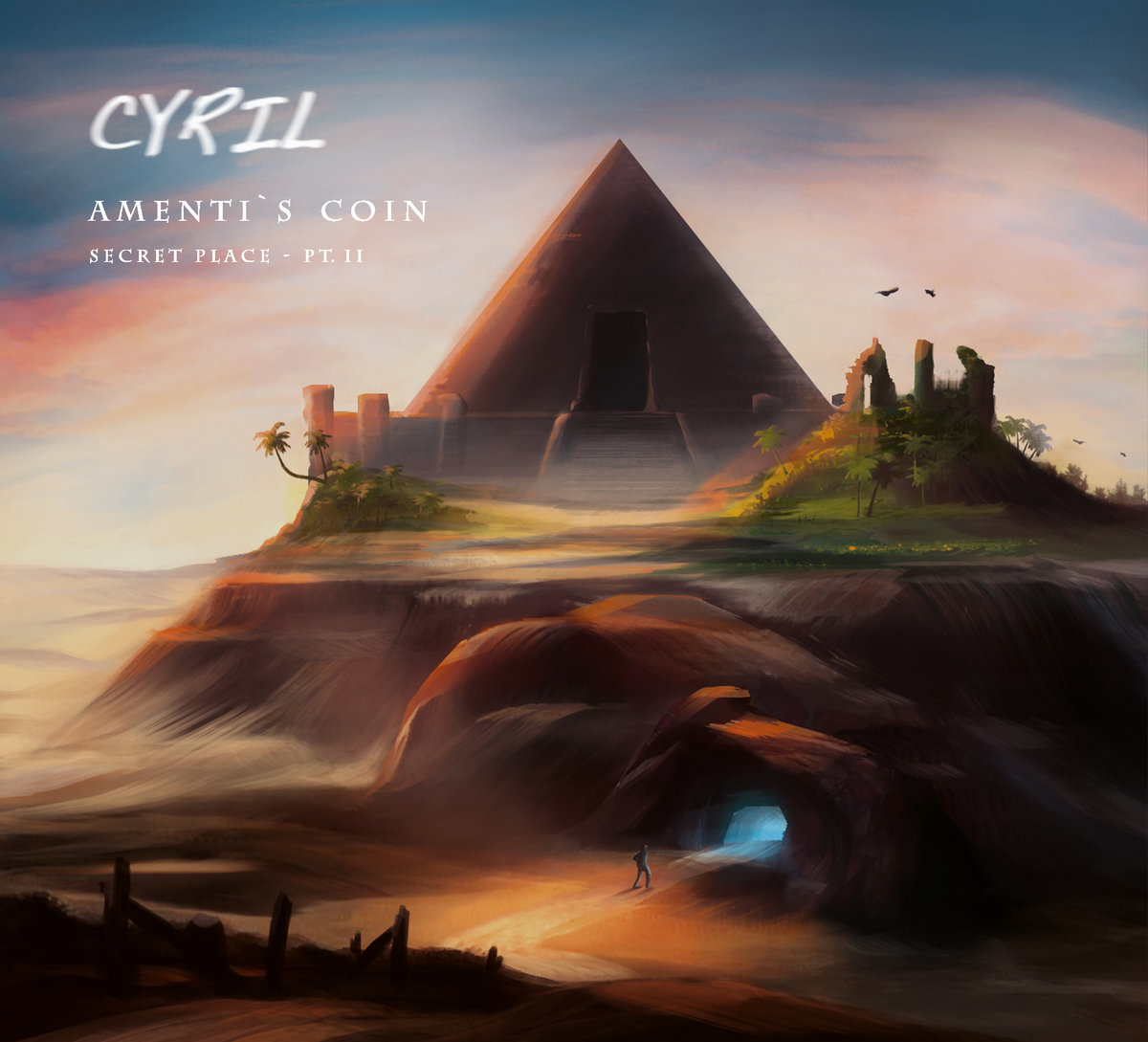
Band: Cyril | Album:Amenti’s Coin – Secret Place Pt. II | Genre: Progressive rock | Bandcamp
If you’re looking for some well-made progressive rock in the vein of acts like Transatlantic or The Flower Kings, these guys aren’t a bad choice. It’s highly melodic with a lot of strong instrumental performances. The band does occasionally veer into overwrought balladry, and I can’t say there’s anything particularly novel being said here. Despite that, sometimes you just want some lush, classic-style prog.
Band: Ars de Er | Album:Other Side | Genre: Progressive rock, Avant-prog | Bandcamp
Ars de Er’s last album leaned heavily into avant-prog and RIO, but Other Side is a little more grounded in “traditional” prog. There are especially strong echoes of Porcupine Tree’s heavier stuff, like Fear of a Blank Planet. This album still has plenty of influences from jazz and modern classical music, which makes the overall palette well-balanced and diverse.
This is a loud, unsubtle record. The mixture of metal, rock, and electronic elements are utilized to pummel the listener. It’s an intense listen, so in this case the album’s short runtime (only 29 minutes) is a virtue. A runtime of more than 30 minutes would have run the risk of becoming too exhausting. Beyond the intensity, the compositions are creative and full of great textural contrasts. The vocals are powerful and impassioned, and the array of synth tones are able to conjure a wide ray of moods and emotions.
Leprous are one of the bigger names in the current progosphere. I love their first three albums, and Bilateral, especially, is fantastic. Their sound has changed a lot over the years however, and they’ve moved decidedly away from metal in a manner that has left fan opinions sharply divided.
I have not minced words about my disappointment in Leprous’s recent musical direction. To quote my coverage of their 2019 album, Pitfalls, “This album fucking sucks.” My thoughts on Malina, their 2017 release, aren’t an awful lot kinder. I saw them on tour twice in 2018 (opening first for BTBAM and later for Haken), and the experience was dull, to say the least. Pared-back arrangements and vocalist Einar Solberg going, “Ooh-aah” as pulsing white lights blinded me? Disappointing. Both sets were unvaried in their tonal and dynamic palettes: LOUD-quiet-LOUD-quiet, without any deviations to spice it up. Pitfalls was like a studio version of this experience.
Naturally, I didn’t have high hopes for Aphelion. I was fully anticipating this would be another micro-review, like my coverage of Pitfalls, or an Odds & Ends entry. But I’m familiar enough with the band’s output, and I found enough to discuss, that I could write a full-length review.








 The Elite Extremophile