Welcome back to The Elite Extremophile’s Top 50 Prog Albums of 2024. Today covers the top 25, and you can read about the first half in Part 1.
As a reminder, the music on this list covers December 2023 to November 2024. I spend much of December compiling and editing this list, so I push releases from that month into the following year’s list.
This is also a one-man operation, in regard to reviewing. (Many thanks to my proofreaders/editors, Kelci and Dan.) I’m sure there’s plenty of great music out there I simply didn’t get to. I’ve also got my own biases against certain styles and trends.
It’s time for The Elite Extremophile’s Top 50 Prog Albums of 2024! This is the first half of the list, and you can find the second half here.
As a reminder, the music on this list covers December 2023 to November 2024. I spend much of December compiling and editing this list, so I push releases from that month into the following year’s list.
This is also a one-man operation, in regard to reviewing. (Many thanks to my proofreaders/editors, Kelci and Dan.) I’m sure there’s plenty of great music out there I simply didn’t get to. I’ve also got my own biases against certain styles and trends.
2024 wound up being an alright year for the sort of stuff I cover here. It felt like it started off somewhat slow, but in the end, it wasn’t too challenging for me to find 50 records worthy of being highlighted.
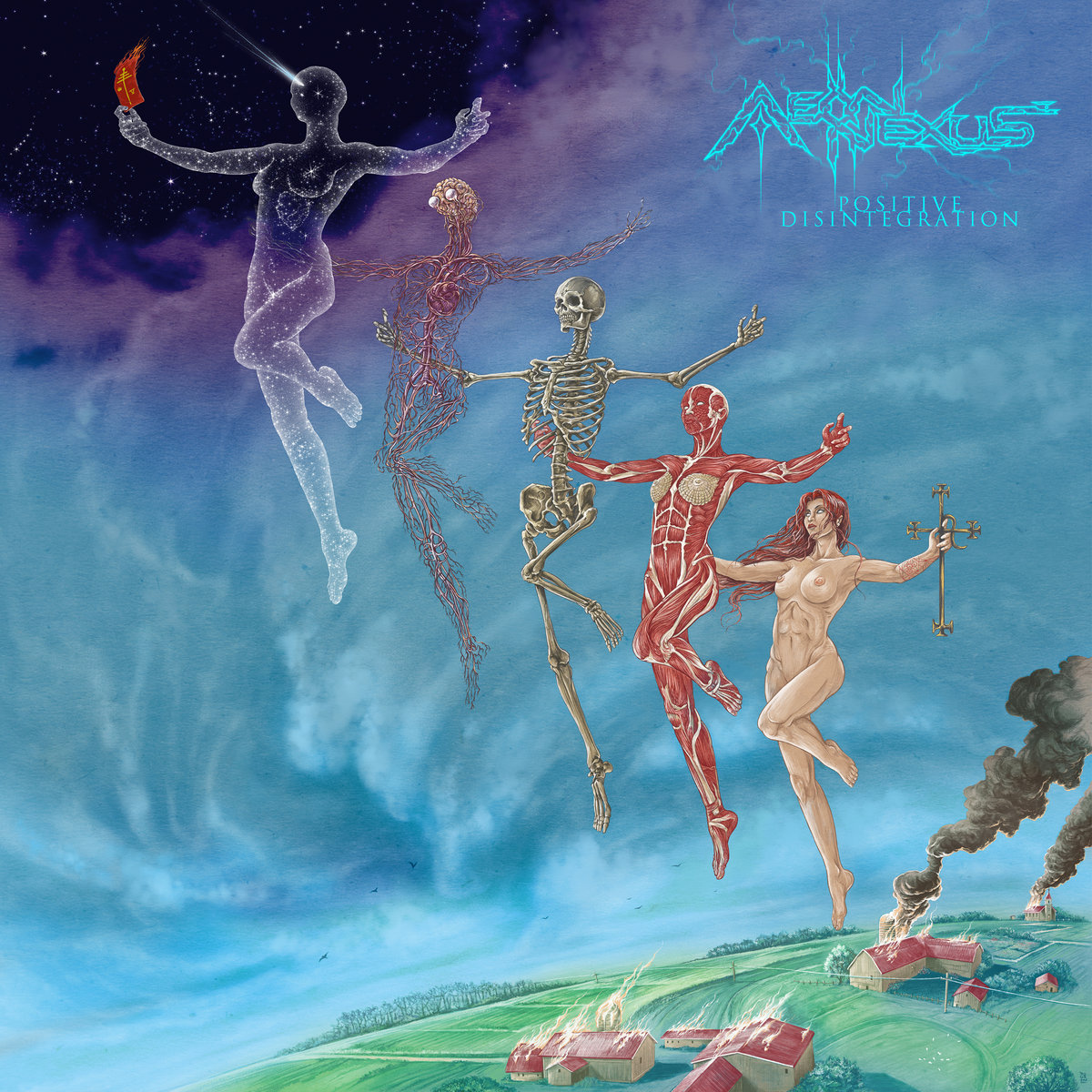
Aeon Nexus’s debut EP is a fun, to-the-point bit of progressive death(-ish) metal. Their vocalist displays impressive range, belting out powerful clean vocals and coarse gutturals. This reminds me of certain early prog-death bands, like Atheist, Cynic, or Death, as well as a more recent crop of artists who strive to evoke this sound. Piano adds a lot of textural depth and richness, which really helps this band stand out from their peers.
The newest release from this Danish act is a warbling, wobbling melange of influences drawn from across the spectrum of forward-thinking rock music. Squealing saxophones and mad, buzzing guitars cultivate uneasy moods that can shift on a dime. One moment, there’s a maelstrom of reeds and clattering drums, and the next, things have moved in a more spaced-out and contemplative direction. The closing “Alting Sammen” features some nice electronic touches, too.
Band: Å | Album:Åtråvärld | Genre: Progressive rock, Folk rock | Bandcamp
The latest release from this Swedish act sounds almost as if late ‘70s Jethro Tull were from Scandinavia. It’s lightly-crunchy progressive folk rock with a healthy dose of flute. The mood here is a little hazier and more psychedelic than anything Tull ever did. Jazz elements are apparent, too, and this whole record has a wonderfully laid-back feel to it. This is very much music for walking through the woods. But, y’know, proggy.
This lovely little EP does an incredible job blending the smooth sounds of 1980s Japanese jazz with biting, acidic guitar tones and progressive songwriting. The three songs presented here provide a wonderful mix of sounds and moods, and the closing epic “Traveling Sleepers” is especially emotive and powerful.
Geordie Greep is the vocalist and guitarist for the recently-disbanded avant-prog band black midi. That act made quite a name for themselves over their last two albums, Cavalcade and Hellfire, both of which I like a lot. Their dissolution was sudden and seemed to catch everyone by surprise, but Geordie–whose unique voice and jumpy, angular guitar were key elements of their sound–has come out with his solo debut
The New Sound is a sprawling double-album that largely carries black midi’s flame. Some of his former band’s songs featured the occasional tropicalia influence, but that element is much more prominent here. Avant-garde tendencies are toned down, and jazziness is cranked up. Much of this record was recorded in Brazil with local musicians, so that likely further solidified Greep’s clear underlying love for this style of music.
Monty Cime is the eponymous leader of this album’s titular ensemble. She covers vocals and bass, but beyond her, a huge cast of other musicians pitch in to flesh things out. On the Bandcamp page for this record, a friend of Monty’s describes how she recorded all the demos on a guitar and a cheap keyboard in their closet over the span of several days. It really is impressive knowing that these huge, sprawling, and lush tracks had such humble origins.
I swear I cover more than just avant-prog. Please ignore the fact that this is the fourth consecutive full-length review I’ve posted of an avant-prog act. 2024 is shaping up to be kind of a slow year in most of the other pico-genres I cover, but the crazy stuff is having a decent one. But you know what I don’t cover that often? New Zealanders!
Half Empty Glasshouse is a New Zealandic avant-prog and experimental metal band that takes the classical influences of bands like Eunuchs and integrates it even more. The Exit Is Over There! is their second full-length release, and it’s a concept album about public backlash to experimental music throughout history. The twisted, disgusted and disgusting faces on the album’s cover are a perfect complement to this theme.
People make fun of Ohio a lot (especially online), but it’s not without its contributions. They gave us Devo and, uh, chili on spaghetti and…multiple mediocre presidents. But Perfect! Now there’s something Ohio can hold its head high about! Perfect is an Akron-based quintet that plays a daring, experimental variety of jazz-inflected rock. Monkey Jockey Man and the Safari Tick Sugar is their sophomore album. Since their debut, they’ve ditched brass instruments in favor of some intriguing noise influences, and the results are quite strong.
Eunuchs are an Australian quartet who employ a whole host of assisting musicians to construct dense, symphonic soundscapes. At the heart of things, they are a rock band, but traditional rock instrumentation is often minimized or buried beneath dense layers of strings, woodwinds, and reeds. Bubbling up amidst all that is a chaotic, angry energy that provides for unique contrasting effects.
In many ways, these Aussies remind me of black midi, the foremost band in the current avant-prog scene (insofar as there even is such a scene). These guys lean even harder into non-traditional instrumentation, though. Large swathes of this album push the very definition of “rock.”
Rock in Opposition (usually shortened to RIO) is a movement I’ve referred to a few times, but I’ve never really delved into it too deeply. Narrowly speaking, it refers to a specific group of five (initially, later expanded to eight) experimental rock bands who toured and played together in 1978 and 1979. These oddball bands (including Univers Zero, Henry Cow, and Samla Mammas Manna) were opposed to the music industry’s “refusal” to promote them. This stance, to me, comes off as a bit petty and self-centered. These bands played weird, aggressively un-commercial music. At a certain point, one needs to be realistic about their target audience. A major label isn’t going to promote an album like Hérésie. More broadly speaking, though, RIO now refers to the bands which are stylistically descended from these initial bands. I’ve used that label to refer to acts like PoiL, Cratophane, and Ahleuchatistas.
Though not a member of the eight “official” RIO bands, Present appeared not long after. It was founded in 1979 by Roger Trigaux, a founding member of Univers Zero, which is a band I respect more than I enjoy (and that sentiment can largely be applied to the original RIO movement as a whole). They’re often minimal and moody and influenced by chamber music. I can appreciate it on a certain artistic level, but I don’t really like it that much.
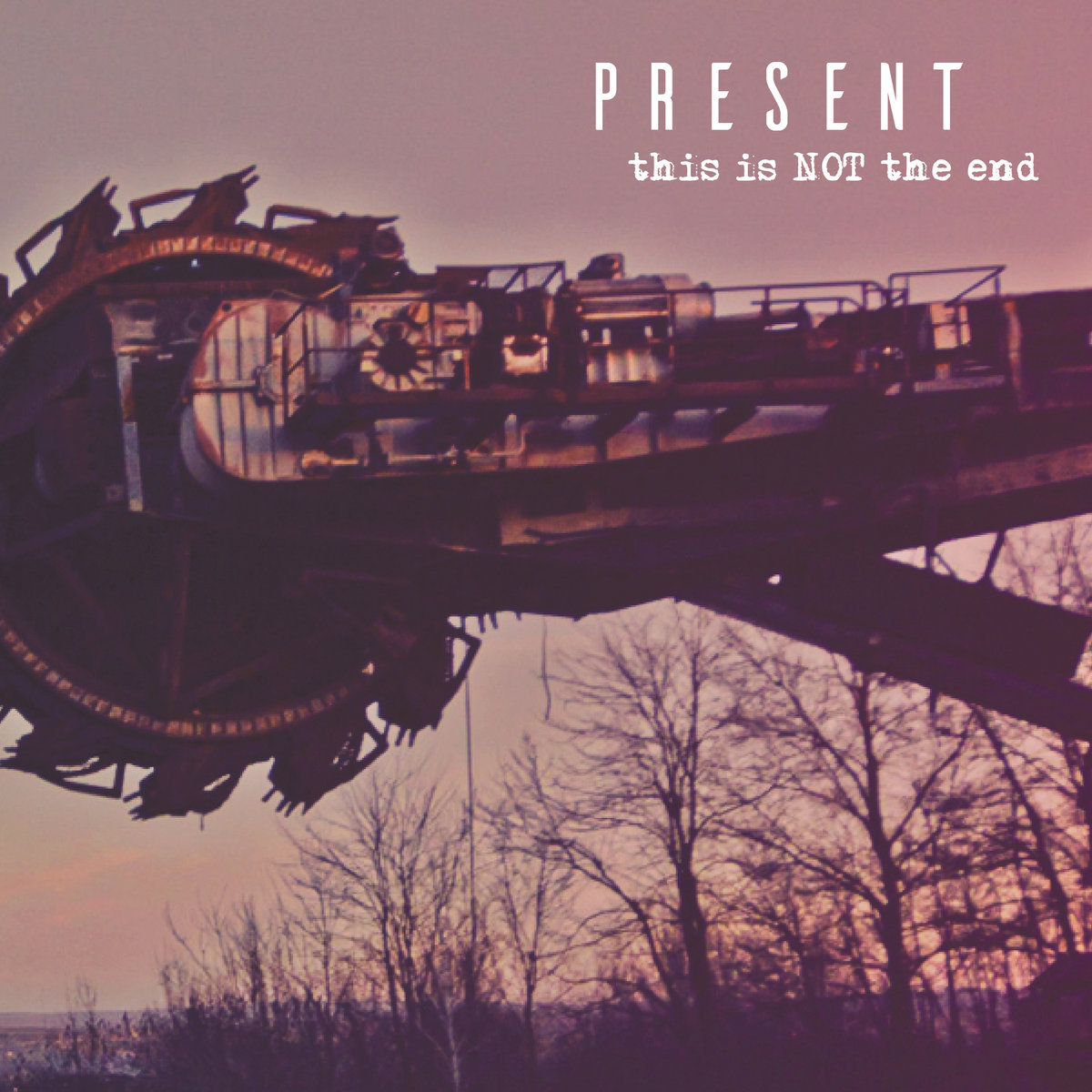
This Is NOT the End was my first exposure to Present, and I like it a lot. It has a lot less of the chamber music-influenced stuff I associate with Univers Zero, but it has plenty of exciting, experimental, and overall-weird passages. This release is the band’s first since 2009, but it is, despite its title, the band’s final release. Trigaux, the band’s driving force, passed away in March of 2021, in the midst of recording.