Fleshvessel’s 2023 debut was an incredible statement in modern progressive metal. This Chicagoan act wove together black metal, jazz, modern classical, and experimental music to create a striking, singular record. This ambition (and tendency toward prolix album titles) continues on their sophomore release, Obstinacy: Sisyphean Dreams Unfolded.
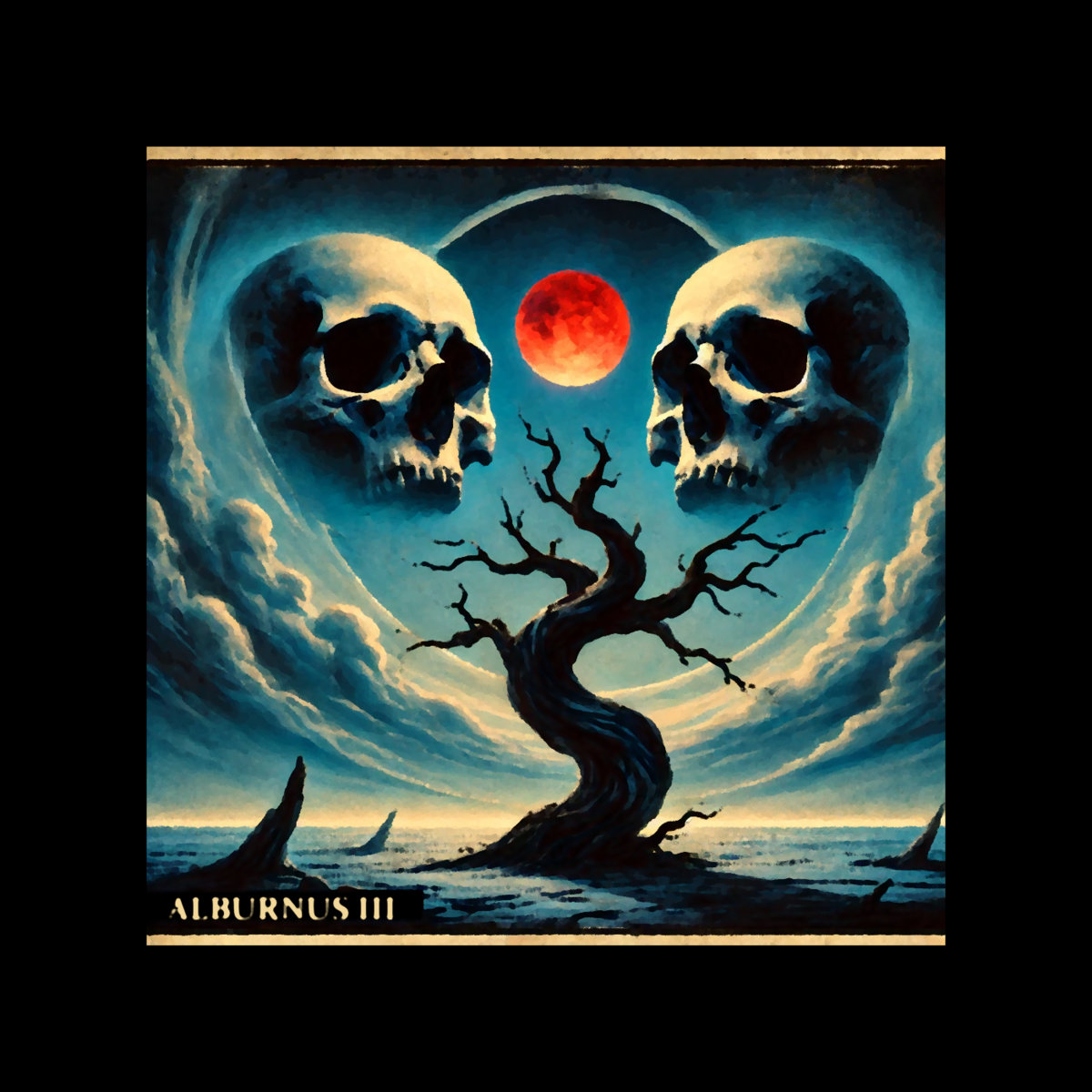
Band: Alburnus | Album:Alburnus III | Genre: Progressive rock, Psychedelic rock | Bandcamp
This Finnish band’s latest album is a groovy, retro-influenced slab of prog and psych. The instrumental passages are peppy, surprisingly catchy, and thoroughly enjoyable. The band shows a knack for melody and hooks, and their playing is flashy without being excessively technical. It’s nothing groundbreaking, but it’s fun.
Score: 72/100
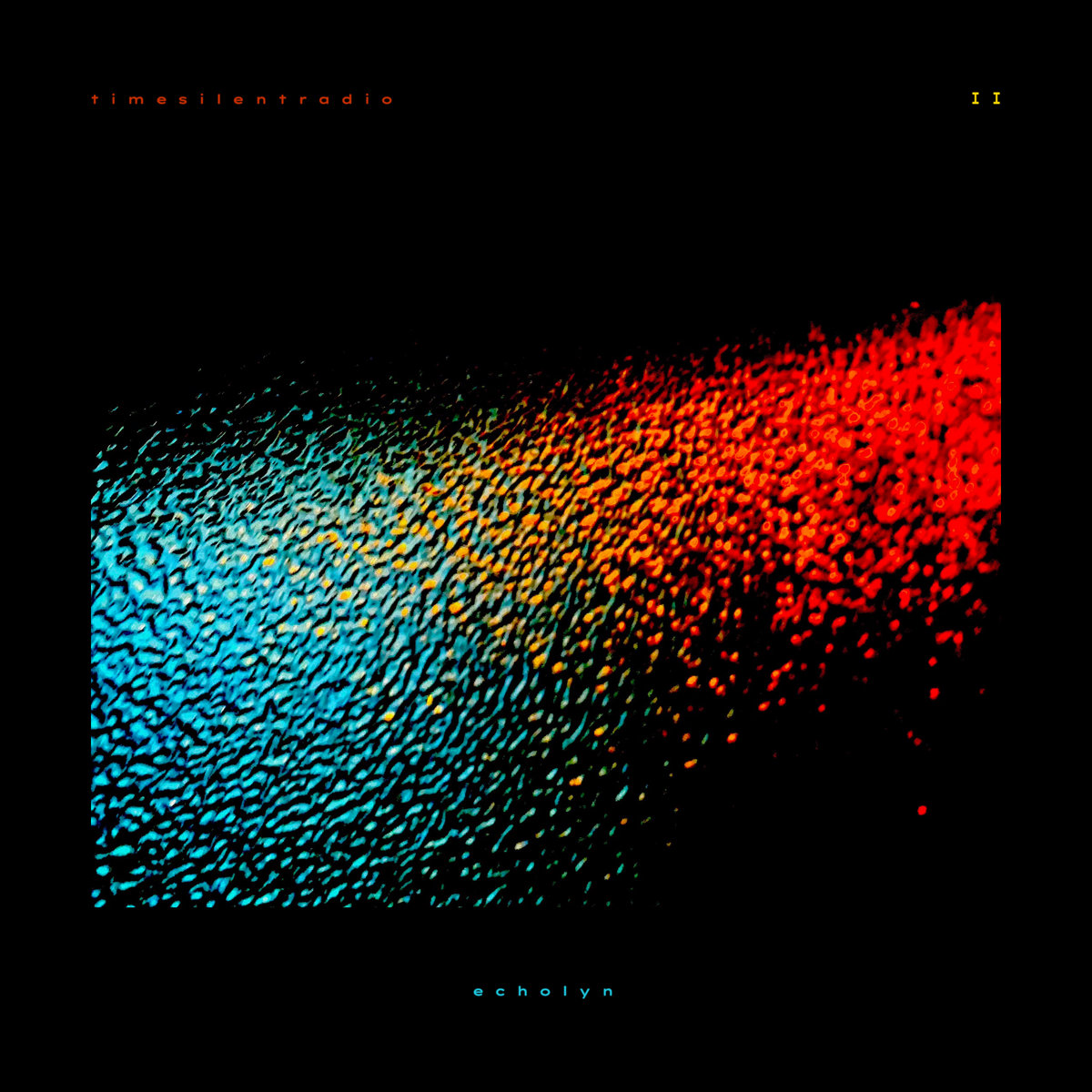
Band: Echolyn | Album:TimeSilentRadio II | Genre: Progressive rock | Bandcamp
Echolyn put out two albums this March, and this is the stronger of the two. Consisting of just two massive tracks, TSRII sees the band utilize their usual sound in an effective manner. ‘90s prog is not my favorite flavor of the genre, but Echolyn pulls it off pretty well. It’s often sunny and relatively accessible, but the underlying songwriting is complex and intelligent. Some parts can be a bit on the cheesy side for me, but overall, their blend of classic prog, pop-rock, and jazzy flourishes works very well. The 29-minute “Water in Our Hands” is especially memorable.
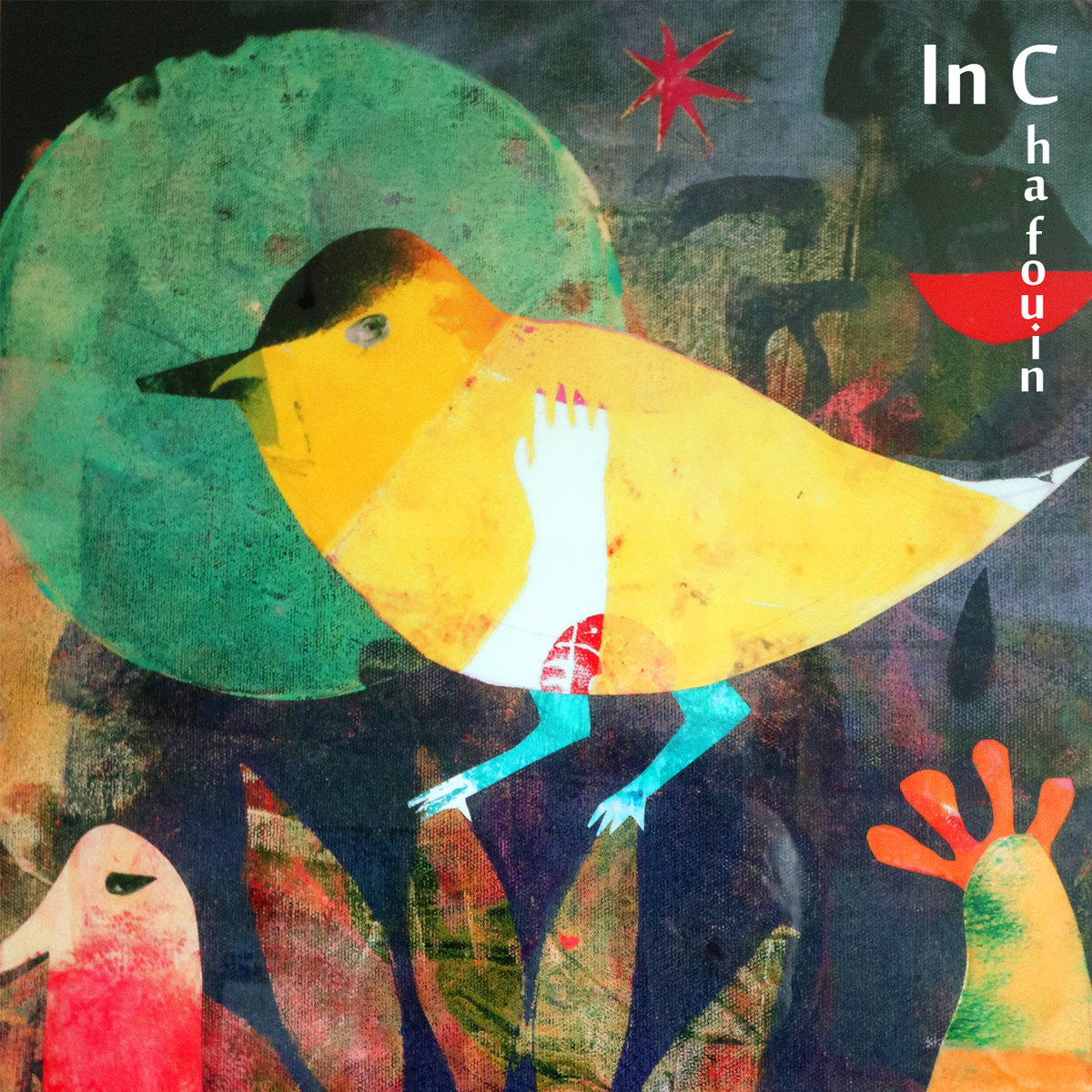
Band: Chafouin | Album:In C | Genre: Minimalism, Krautrock, Math rock | Bandcamp
For their latest release, Chafouin tackle minimalist composer Terry Riley’s 1968 work, In C. This work has been covered by a number of other rock bands, most notably Acid Mothers Temple. The music has a tense, anxious feel to it, and the ritualistic repetition calls to mind other proggy subgenres, like krautrock and zeuhl. King Crimson’s work on THRAK also bears similarities, with the jagged, hypnotic, interlocking guitar lines.
Score: 79/100
Artist: Clarissa Connelly | Album:World of Work | Genre: Progressive folk, Experimental pop | Bandcamp
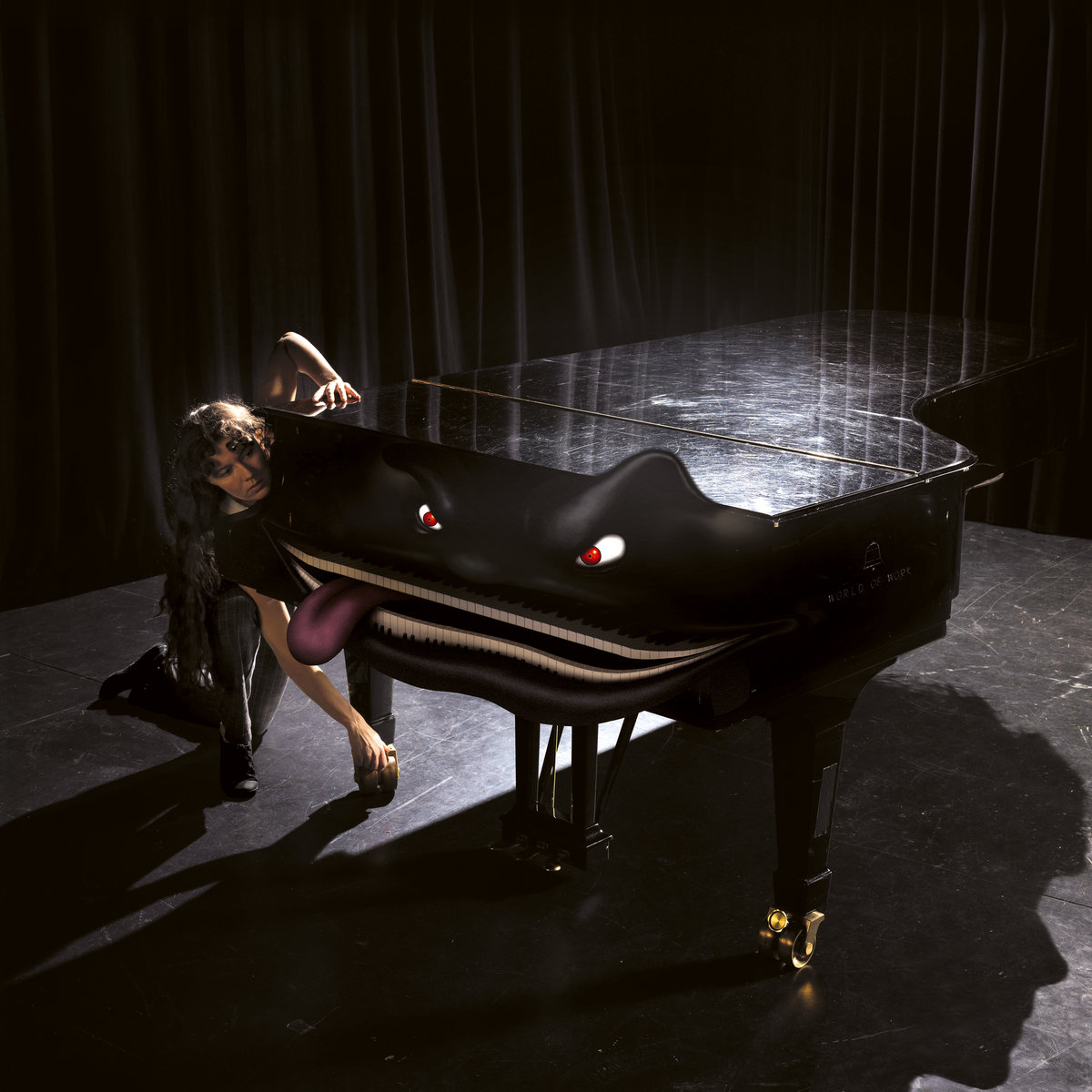
Before addressing the music, let me just compliment this album cover. I love that goofy, devious-looking piano. The music on World of Work is piano-forward, and Connelly’s voice is distinctive and emotive. Arrangements are minimal but inventive, and the vocal arrangements are intricate and charming. Things are rather sonically similar song-to-song, so it can kinda bleed together into a bit of a mush by the end of the album. I still like it overall, but a bit more variation would’ve been nice.
I swear I cover more than just avant-prog. Please ignore the fact that this is the fourth consecutive full-length review I’ve posted of an avant-prog act. 2024 is shaping up to be kind of a slow year in most of the other pico-genres I cover, but the crazy stuff is having a decent one. But you know what I don’t cover that often? New Zealanders!
Half Empty Glasshouse is a New Zealandic avant-prog and experimental metal band that takes the classical influences of bands like Eunuchs and integrates it even more. The Exit Is Over There! is their second full-length release, and it’s a concept album about public backlash to experimental music throughout history. The twisted, disgusted and disgusting faces on the album’s cover are a perfect complement to this theme.
Years ago, I ran across a poll on the ProgArchives forums asking what the most important instrument in a (progressive) rock band is. It’s obviously not guitars or keys, as ELP and mid-career King Crimson demonstrate, respectively. Neither Van der Graaf Generator nor Atomic Rooster had a bassist in their classic lineups. So that’s why I ultimately chose “drums” in that poll. What makes rock music rock music is its rhythm. Ditch the percussion, and it’s difficult to make something feel like rock music.
I bring this anecdote up because for about the first twenty-ish minutes of Light’s debut album, The Path, there is almost no percussion. (Side note, the generic nature of the names of both the band and the album made this a bit of a challenge to find.) This album opens in a manner which feels more like classical or chamber music. As the record progresses, though, more traditional prog influences are brought in.
Band: Devour Every Star | Album: Antiquity | Genre: Progressive metal, Trip-hop | Bandcamp
This is certainly one of the more distinctive genre fusions I’ve run across. Buzzy black metal merges with spacey instrumental hip-hop passages to forge a distinctive sound. It’s spooky and laid-back, and it’s definitely worth looking into. As a whole, it feels a little long; I think this style may be better suited to a 20-minute EP. Nonetheless, it’s quite unique, and this act shows ability beyond simply being a curiosity.
This instrumental piece was commissioned by the city of Melbourne to celebrate Melbourne Town Hall’s 150th anniversary, thus it prominently features the town hall’s grand organ as its primary instrument. Ephemera is grand and majestic in its harmonious marriage of reedy organ and lush, liquid synthesizers. The whole album is quite warm, and it feels midway between Mike Oldfield and Rick Wakeman. Elements of classical and electronic music are regularly incorporated, making this a surprisingly diverse record despite its limited sound palette.
It’s been a while since I posted a Lesser-Known Gem entry. There’s been a ton of fantastic music released lately, and I can’t keep up with all of it, but there have always been great albums that simply get missed. El Profeta is one of those records. Released in 1978, this album failed to get much traction outside of Uruguay at its release, or in following years.
Armando Tirelli, prior to releasing his solo album, was the keyboardist for the Uruguayan jazz-rock group Sexteto Electrónico Moderno. SEM was not a prog band, but there were ample classical and jazz influences. I’m no expert in South American music (so I can’t specify genres), but SEM also had a distinctly South American feel to their music. Tirelli would use a lot of that classical and jazz experience when composing El Profeta.
Band: Abstracción | Album:Abstracción | Genre: Progressive rock, Psychedelic rock | Bandcamp
The debut EP from this Spanish septet draws heavily from the sound of Jethro Tull’s early material, and the liberal inclusion of sitar adds a late-‘60s psychedelic folk feel to the mix. Swirling Hammond organ and echoing electric guitar lines keep the atmosphere lush, while vocalist Catalina Requena’s willowy delivery occasionally bleeds into the instrumental elements. Each song is distinct, but the tonal continuity between the pieces keeps this recording cohesive and coherent.
Score: 81/100
Band: Ars de Er | Album:La Métamorphose | Genre: Progressive rock | Bandcamp
I’ve run across more Belarusian prog bands while writing for this site than I ever anticipated. The latest of these is the one-man act Ars de Er, which incorporates hefty doses of classical and jazz. Strange harmonizations predominate on La Métamorphose, drawing comparisons to the original big names of avant-prog and RIO. Heavy, metallic guitar lines underpin moments of furious soloing and chaotic rhythms. The atmosphere on this record is oppressive. The strange, diminished chords and haunting keyboard textures make for an anxious, claustrophobic feel.
Welcome to entry number two in my Deep Dive series, where I look at the full studio discographies and histories of some of the major names in progressive rock and progressive metal. It’s here that I highlight output beyond an act’s “classic” releases.
For those who don’t feel like reading this massive entry, I’ve included a TL;DR and ranking of albums at the end. I’m opting to explore albums chronologically, as opposed to a ranked-list format. The context in which albums were made is important, and this is an element often missed in a ranked-list.
For this second entry, I’ve opted to cover Jethro Tull. Tull are best known for their pair of early ‘70s masterpieces, Aqualung and Thick as a Brick, as well as winning the inaugural Best Hard Rock/Heavy Metal Grammy over Metallica in 1989. But beyond those few common knowledge highlights, as well as the notable quirk of being the best-known rock act with a flautist, this band’s discography holds an impressive breadth of music, ranging from blues to folk to synthpop to world music.
I really love Jethro Tull. My love of Jethro Tull is so deep, in fact, that the first email address I ever made was a rather blatant reference to said fandom. (And that Yahoo address is still in use 14 years later, as well as a very similarly-named Hotmail account.) In high school, I made it my mission to collect a physical copy of every studio release from Jethro Tull. I still have all those CDs (including both the US and UK versions of Benefit), as well as several vinyl records, which I acquired both from my mom’s old record collection and from my own purchases. I also managed to see Jethro Tull in concert in 2011. Even then, Ian Anderson (plus Martin Barre and the other motley musicians) could still put on a hell of a show.
Despite my deep fondness for this group, I’ll do my best to be as objective as one can be when reviewing music. They did put out some crap albums, and I’ll be honest about other albums’ shortcomings.




 Band: Abstracción | Album: Abstracción | Genre: Progressive rock, Psychedelic rock |
  Band: Ars de Er | Album: La Métamorphose | Genre: Progressive rock |
 The Elite Extremophile