Band: Chafouin | Album:In C | Genre: Minimalism, Krautrock, Math rock | Bandcamp
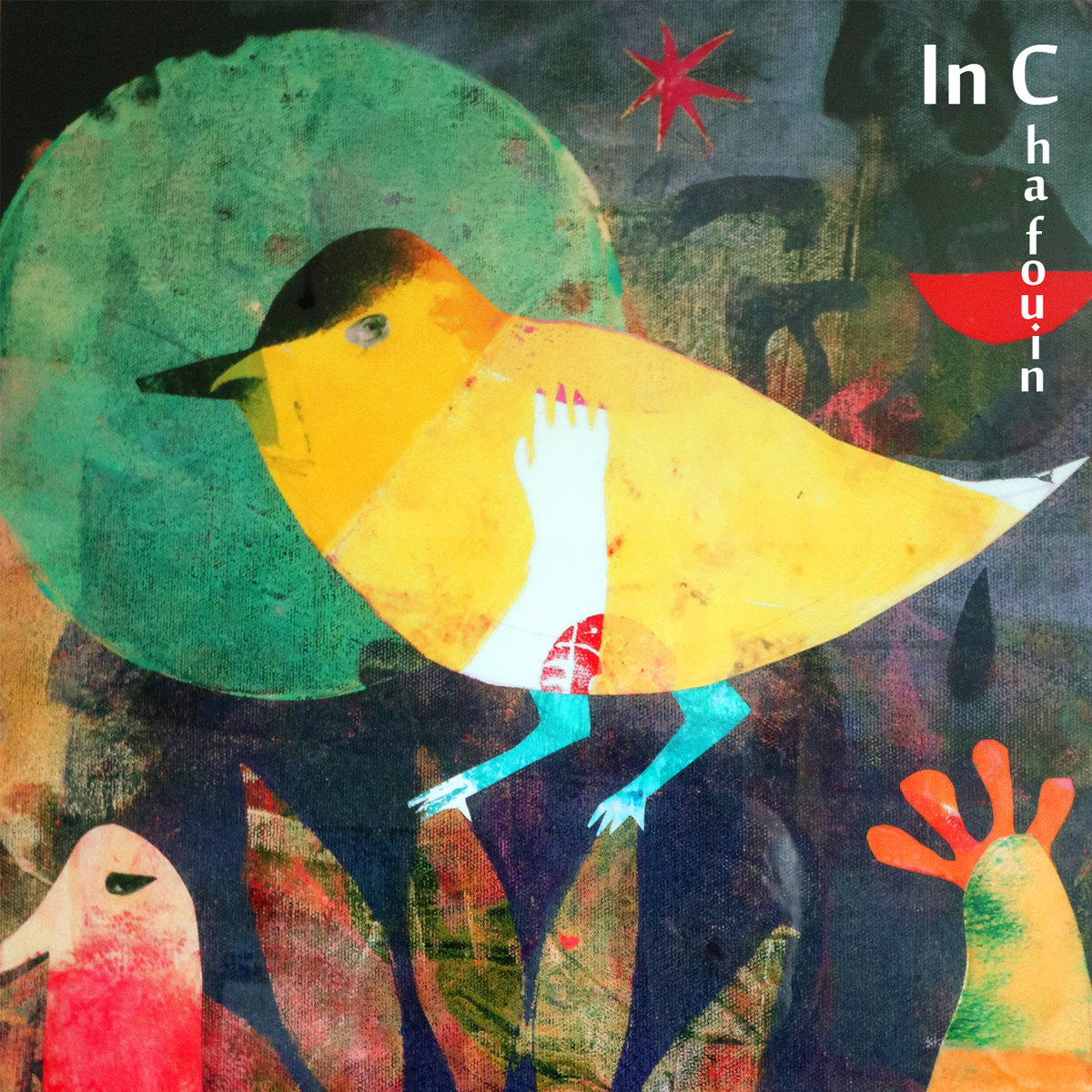
For their latest release, Chafouin tackle minimalist composer Terry Riley’s 1968 work, In C. This work has been covered by a number of other rock bands, most notably Acid Mothers Temple. The music has a tense, anxious feel to it, and the ritualistic repetition calls to mind other proggy subgenres, like krautrock and zeuhl. King Crimson’s work on THRAK also bears similarities, with the jagged, hypnotic, interlocking guitar lines.
Score: 79/100
Artist: Clarissa Connelly | Album:World of Work | Genre: Progressive folk, Experimental pop | Bandcamp
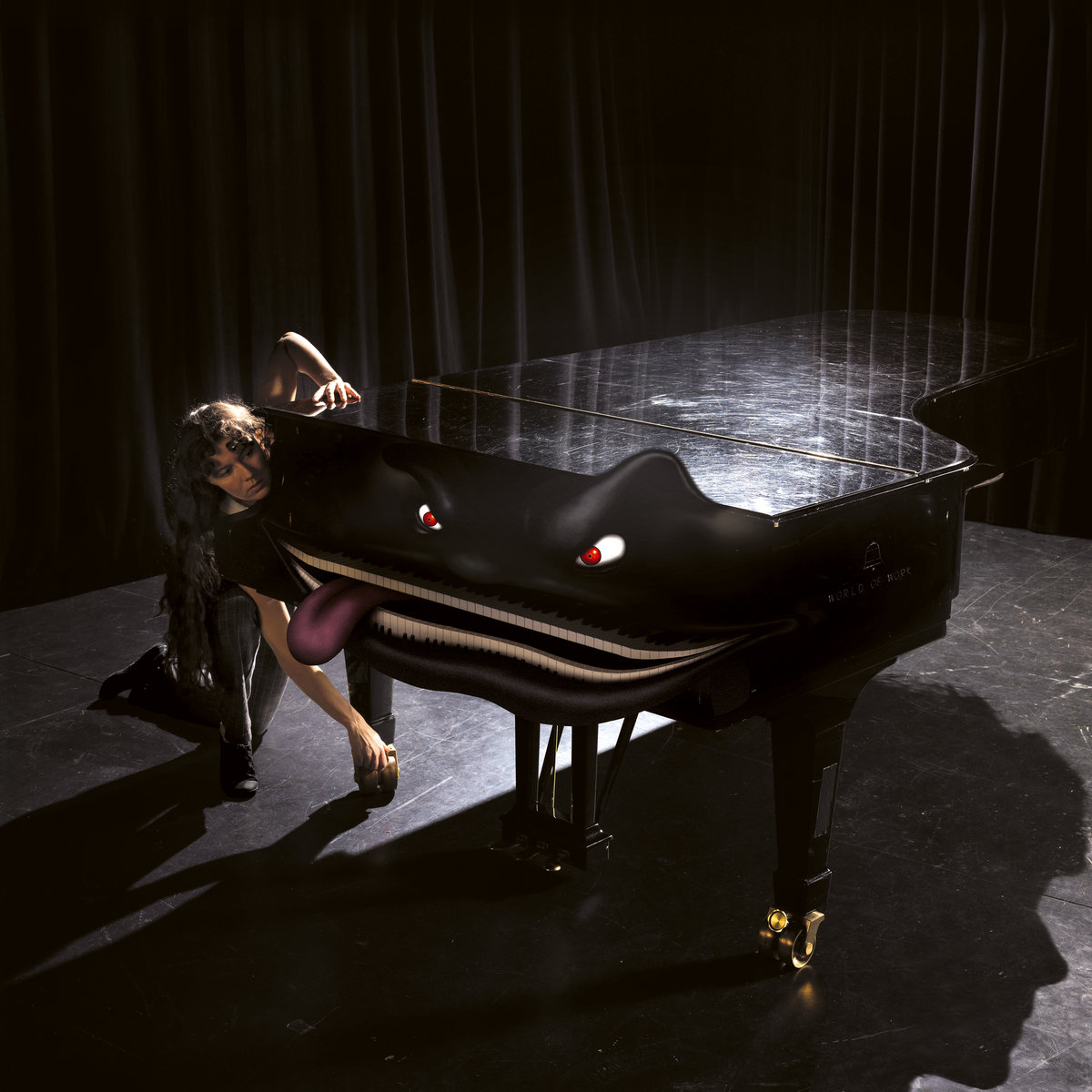
Before addressing the music, let me just compliment this album cover. I love that goofy, devious-looking piano. The music on World of Work is piano-forward, and Connelly’s voice is distinctive and emotive. Arrangements are minimal but inventive, and the vocal arrangements are intricate and charming. Things are rather sonically similar song-to-song, so it can kinda bleed together into a bit of a mush by the end of the album. I still like it overall, but a bit more variation would’ve been nice.
Band: Burnt Log | Album:Time Is a Heron Waiting for Prey | Genre: Progressive rock, Dream pop | Bandcamp
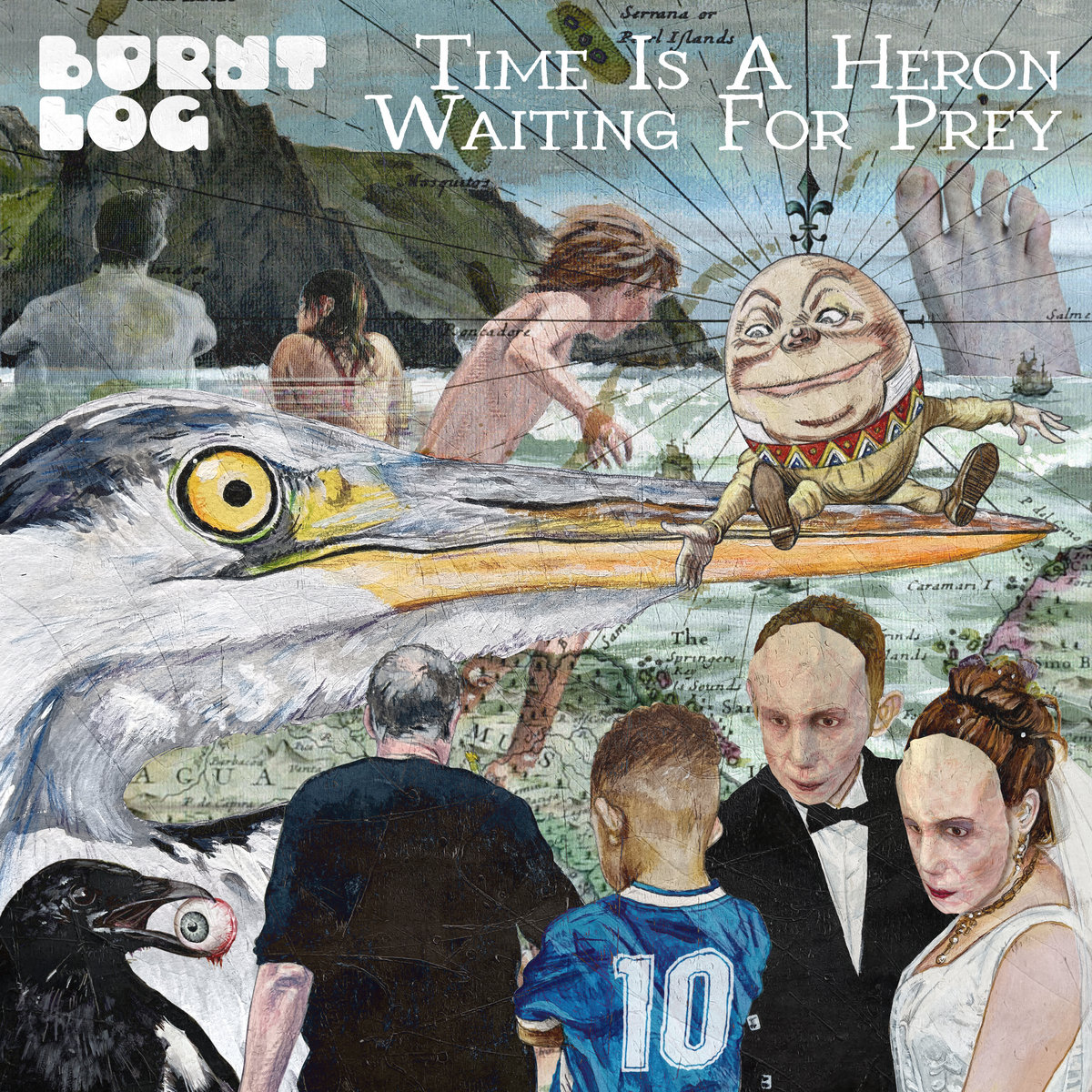
Burnt Log is a one-man project based out of Scotland. The songs skillfully combine intelligent, progressive song structures with floating, dreamy atmospheres. Melodies are smart but accessible, and there’s a vague sense of nostalgia to much of the music here. Touches of post-punk, new wave, and even post-rock crop up here and there. Some passages are perhaps a bit too dream-poppy for my taste, but this is still an overall solid and interesting release.
Score: 72/100
Band: FILESHAREMAIDEN | Album:Veuve | Genre: Progressive metal, Technical death metal | Bandcamp
The first full-length release from Quebecois death metallers File Share Maiden is a swirling, tangled thicket of finger-twisting riffs, guttural vocals, and even moments of surprising lightness. There are many exciting, fun passages that demonstrate both technical skills and songwriting smarts. However, this band also falls victim to the common excesses of other tech-death acts. Many songs are longer than they need to be, and a number of cuts border on purposelessness. That said, there’s still plenty of great material here.
Barely a month ago, I commented on how infrequently New Zealand shows up on this site. (Indeed, that was the first time I had featured any Kiwis here in three-and-a-half years.) And now here I am, covering (what is most likely) that country’s most respected metal band!
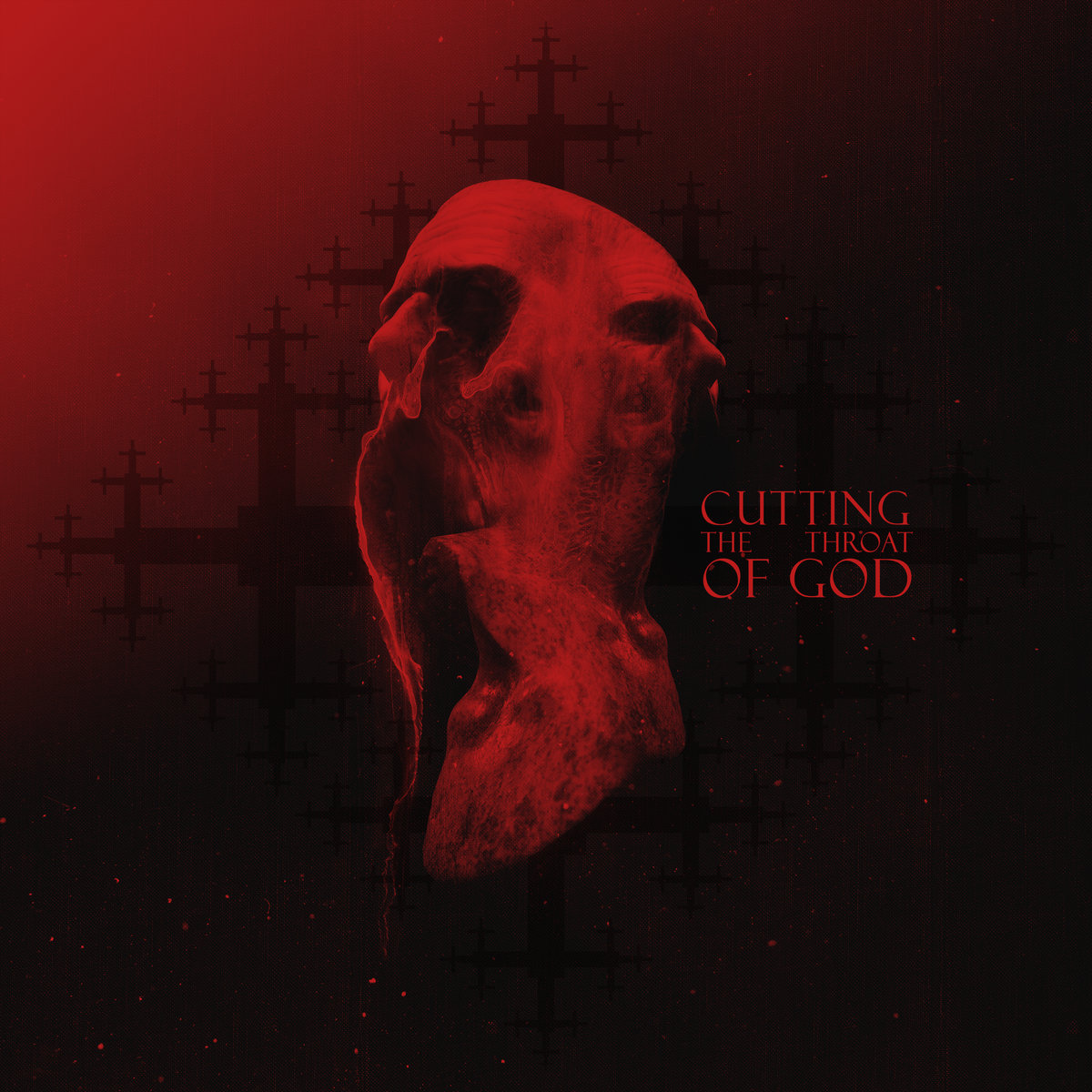
I covered Ulcerate’s last album, 2020’s Stare into Death and Be Still, and I liked it. I didn’t revere it quite as much as many others, but it’s a solid album overall. My thoughts on it haven’t moved much since my original review. This trio’s new release though, Cutting the Throat of God, takes the thundering, intelligent death metal of their last album and further refines it into something spectacular.
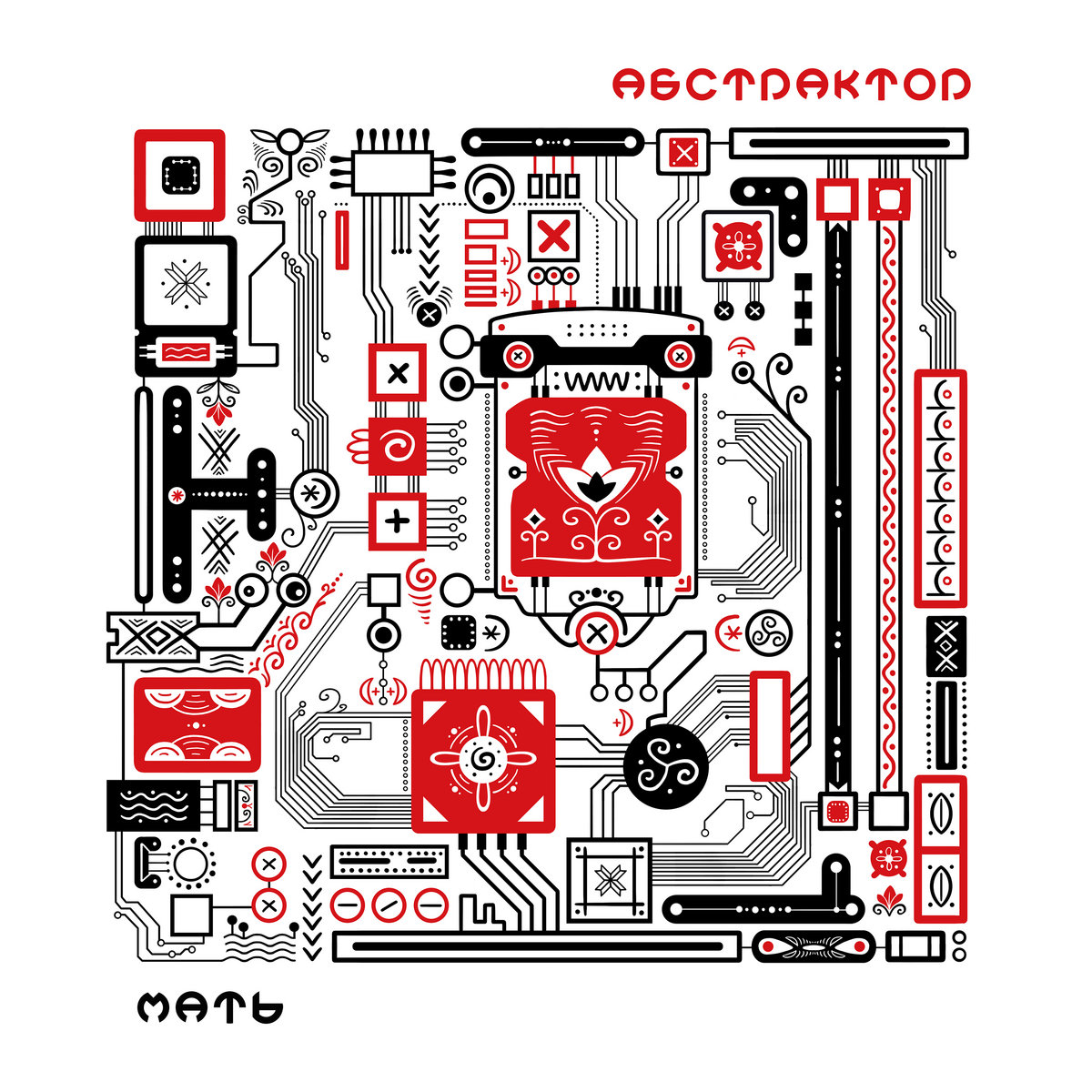
This Russian quartet plays a smart, artsy variety of folk rock. They blend their own Slavic roots with jazz, modern classical, indie rock, and other bits and pieces from around the globe. The instrumentation is often intricate and full of unexpected twists. They build lush and varied textures, and they’re able to blend strong pop sensibilities with a spirit of adventurousness and experimentation.
Score: 81/100
Band: Agusa | Album:Noir | Genre: Progressive rock, Space rock | Bandcamp
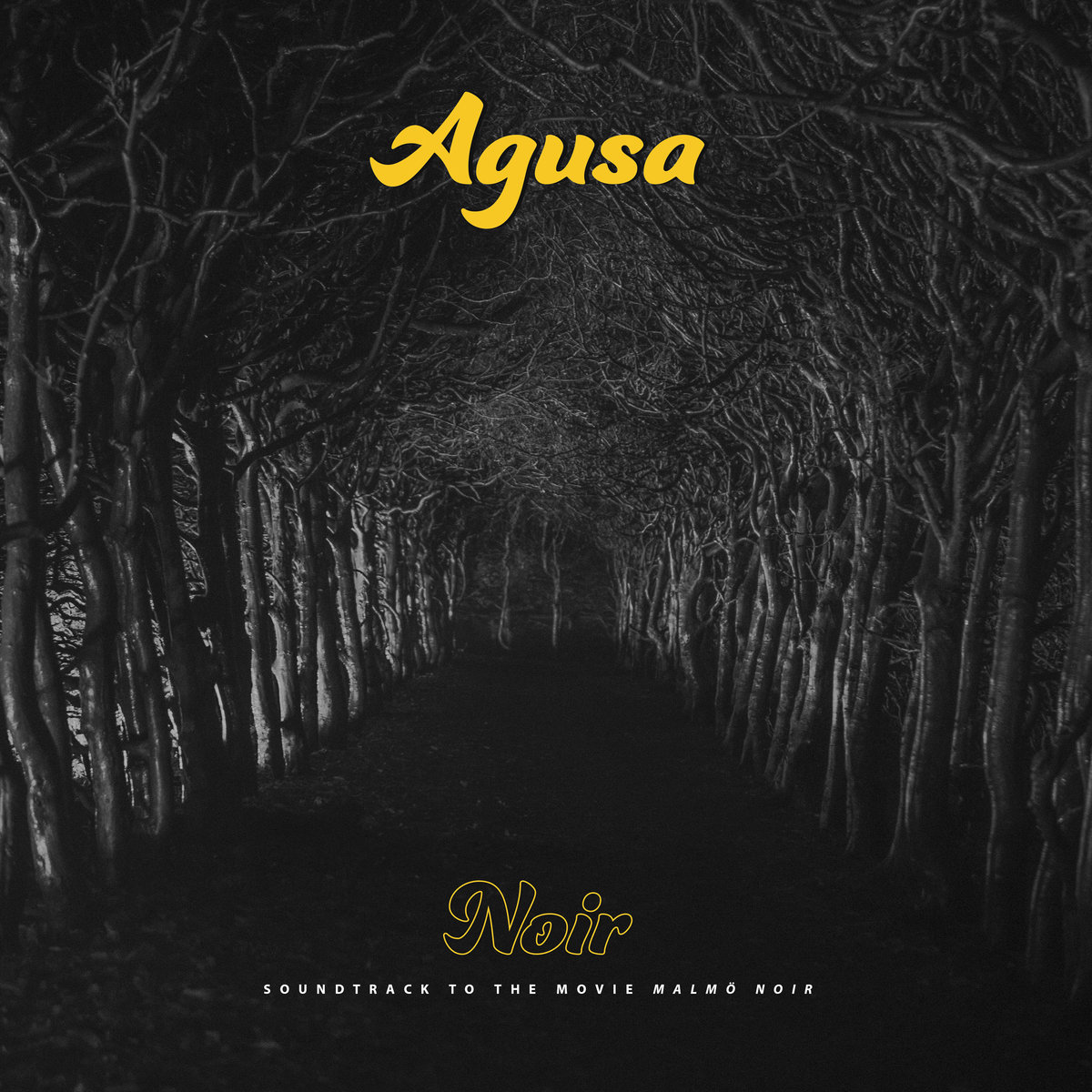
I liked this release a lot more than I expected to. Agusa is a band I like–each of their last two albums have made my year-end Top 50 lists, after all–but one of my gripes is that they can be a bit noodly and long-winded. This album is a soundtrack for a film, so I was particularly cautious. Would the scattershot nature of soundtracks hamstring this work? Instead, this is a delightfully varied yet purposeful and coherent release. Folk, jazz, and space rock elements are incorporated naturally, alongside Agusa’s usual prog stylings. This album is also more consistently lighthearted than much of their other work, which is a nice change of pace. The shorter runtimes for these tracks also behoove the band, as they’re able to put forward fun ideas and meditate on them for a bit without needing to build some huge suite. Things do sag and slow down a bit near the album’s end, but it’s far from a fatal flaw in this case.
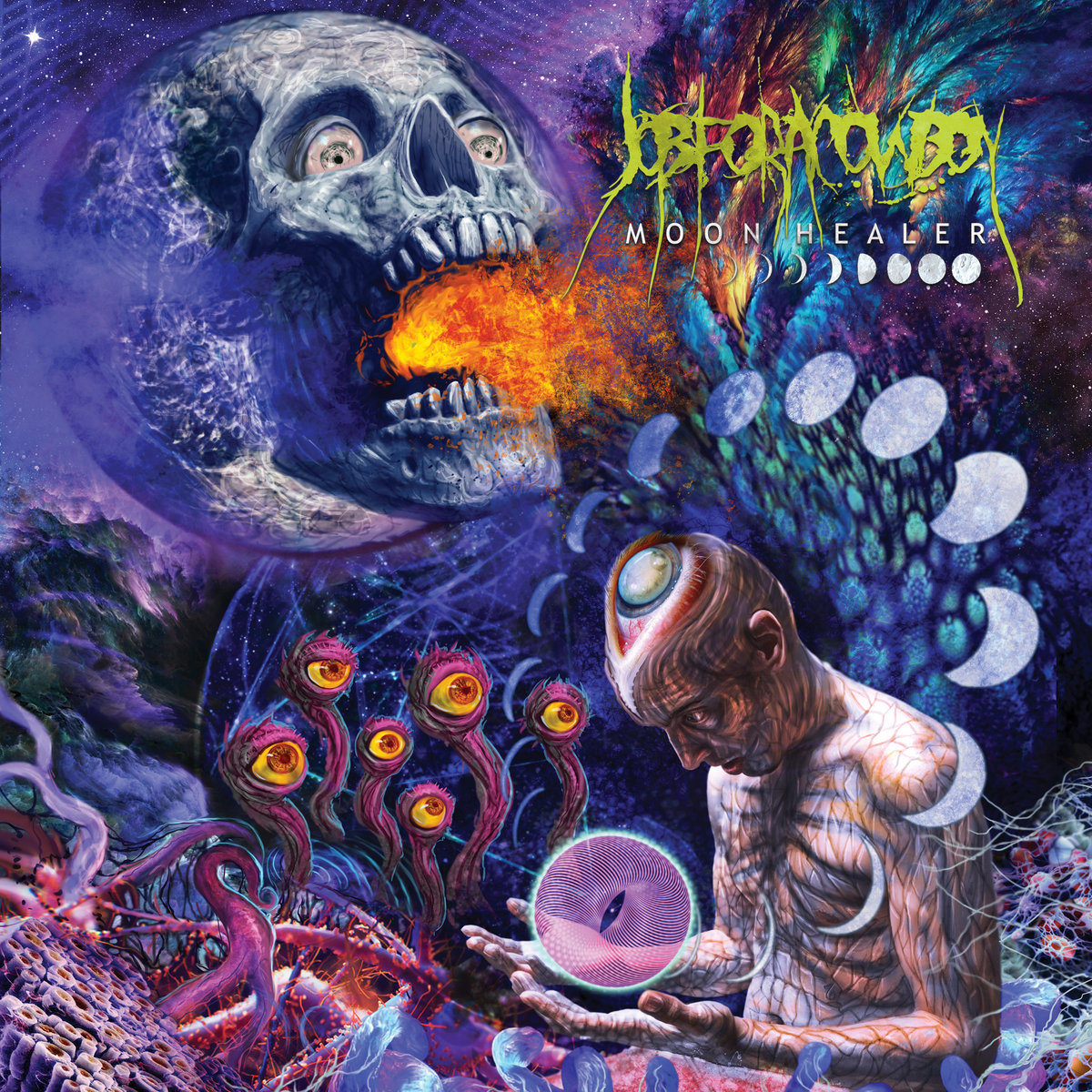
When Job for a Cowboy first came onto the scene in the late ‘00s, I remember them being derided as just another deathcore band with a stupid name. I listened to some of their early work, and I agreed with that assessment. I don’t like deathcore, and their name is dumb. Seriously, it sounds like a lousy innuendo from a bro-country song. There are some bands I haven taken too long to give a shot because of how much I dislike their name (for example, Between the Buried and Me, And So I Watch You from Afar; pretty much any band whose name is a full clause), but JfaC is a band where my distaste for their name was backed up by a distaste for their music.
In the ensuing decade-and-a-half, though, they’ve taken a considerably more technical and progressive turn. When I saw Moon Healer rather high up on the 2024 chart on Rate Your Music, I was baffled. Aren’t these guys just some shitty deathcore band? I thought. My curiosity was piqued, so I gave Moon Healer a listen. I’m glad I did.
Band: Everything Oscillating | Album:The Taboo Against Knowing Who You Are | Genre: Progressive rock | Bandcamp
Everything Oscillating is an instrumental act that focuses on flashy, technical shredding. Two of the three members are the guitarist and bassist for the Seattle-based band Moon Letters, whom I’ve covered a couple times. EO does a great job threading the needle of balancing flashy instrumental antics and engaging songwriting. The best moments here call to mind classic bombastic ‘90s and early ‘00s prog bands like Liquid Tension Experiment and Transatlantic, with a bit more of a classic heavy metal influence. Jazz and Latin flavors are included naturally, and the (abbreviated) instrumental cover of “Achilles’ Last Stand” is done well, too. (I feel like I could write a short essay on my love for the original version of that song, and EO absolutely does it justice here. It’s right up there with “Carouselambra”, “In the Light”, and “The Rain Song” among my favorite Led Zeppelin cuts. (I know, shocker, my favorite Zeppelin songs are all among the band’s longest.))
Score: 79/100
Artist: Peter Gabriel | Album:i/o | Genre: Art pop | Bandcamp
Peter Gabriel’s first new album in 20 years is enjoyable. It’s decent, fairly arty pop with some good melodies and interesting ideas. His vocal performance is strong, and the production is clean, crisp, and professional. Compositionally, though, it doesn’t stand out. Post-rock flavors weave themselves into Gabriel’s usual somewhat-spacey writing style. It’s competent but not particularly memorable. i/o comes in two different mixes: the so-called “bright-side” and “dark-side” mixes. These two mixes are not meaningfully different. Yes, if you listen to each song’s bright and dark version, you can tell them apart, but the differences between the two are insubstantial, surface-level, and borderline-gimmicky. Publications (especially prog-focused ones) that included this on their best-of 2023 lists make me question if they just reflexively put every release from major ‘70s players on their year-end lists, regardless of quality. (In fact, I know several included Yes’s abysmal The Quest on their 2021 lists, so I suppose they do.) If you want some keyboard-forward art-pop to put on in the background, i/o will work, but this album doesn’t leave a lasting impression.
Welcome to the first half of The Elite Extremophile’s Top 50 Prog Albums of 2023. This article covers spots 50-26, and the top 25 will follow soon!
As a reminder: the label of “2023” is not entirely accurate. The music featured here covers December 2022 through November 2023. Trying to find new music in the month of December is a fool’s errand, as much of my time during that month is occupied with writing and editing this list.
As I always say, I’m sure there are some excellent albums not included on my list. This site is a one-man operation (in relation to reviewing, that is; my editors, Kelci and Dan, have been tremendously helpful), and I simply cannot listen to everything that gets released. I also have my personal biases against some rather popular trends in prog. (*cough* djent *cough*)
2023 wound up being an excellent year for the type of music I enjoy. While it wasn’t necessarily difficult to whittle the list down to fifty entries, some of the albums that failed to make the cut for this year’s list probably could place as high as the low thirties in weaker years. (Such acts include Loma Baja, The Ocean, Legendry, and Lil Yachty.) I contemplated expanding the list, but this already takes up a ton of my time as it is. So, let’s get to it!
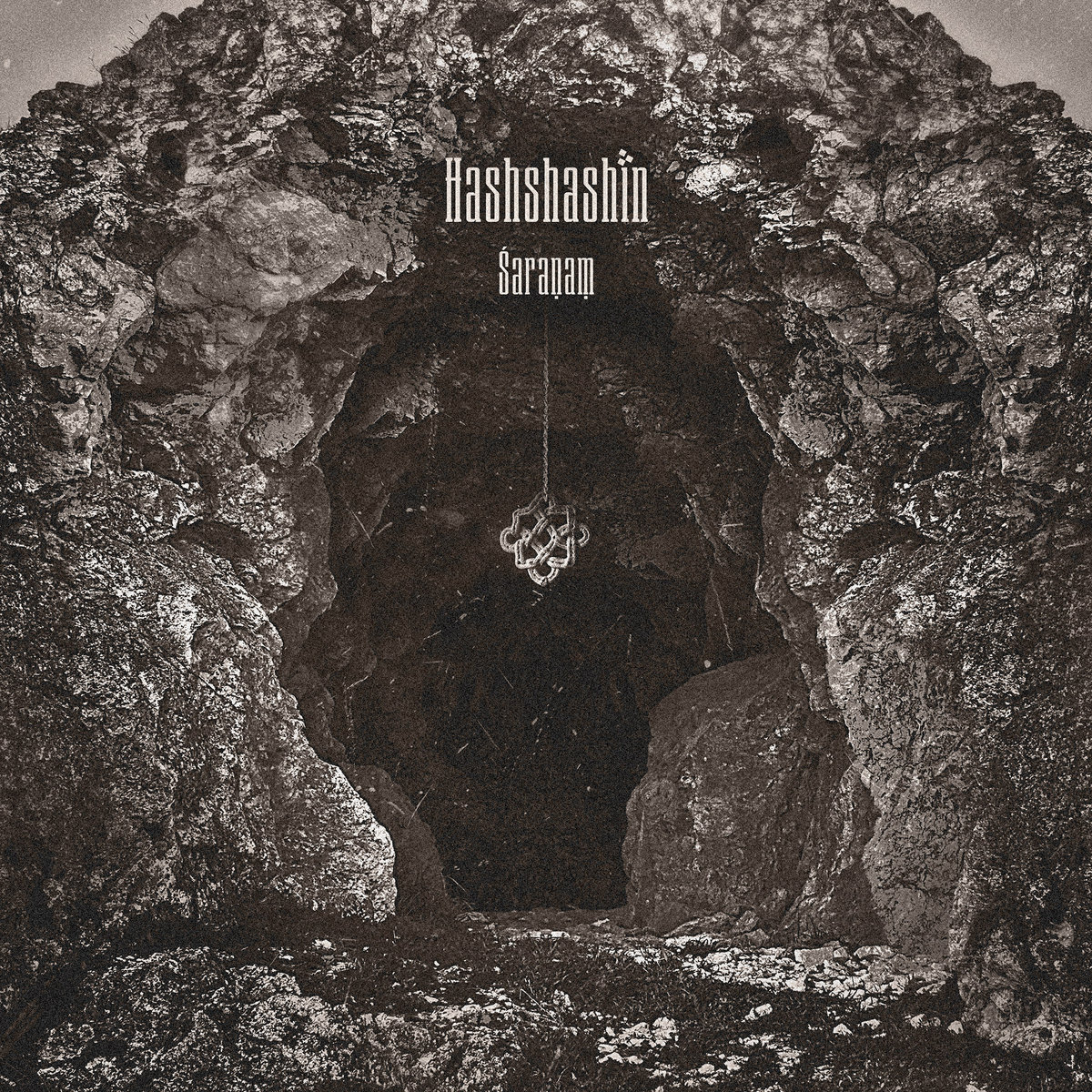
The latest release from this Australian act draws upon the Central Asian folk-meets-progressive metal flavors of their last release and hones them even more. Here, much of the focus is on an Afghan instrument, the rubab. It lends a distinct folky and esoteric character to these three songs. This EP is both meditative and impactful, drawing from Afghan folk traditions and modern progressive and post-rock scenes.
Score: 74/100
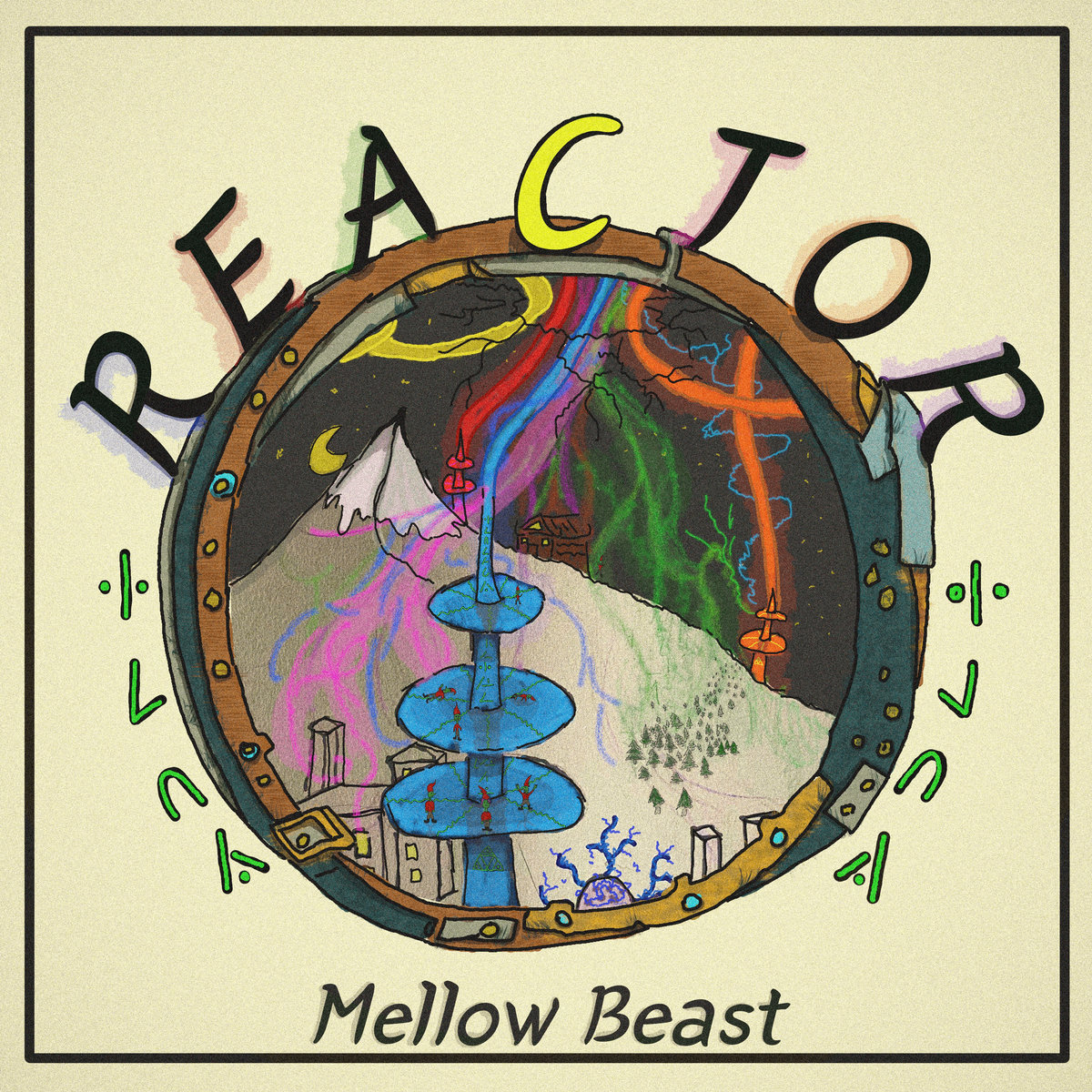
Band: Mellow Beast | Album:Reactor | Genre: Space rock, Progressive rock | Bandcamp
Mellow Beast’s third release of the year is their strongest of the bunch. Many of this band’s releases are interconnected and tell the story of the land of Hyperion. As such, this release focuses on the story of a gnome trying to save Hyperion after a great cataclysm. The music is psychedelic and awash in effects-laden guitar lines. There’s a fine line being tread here between tight, focused, melodic passages and a desire to stretch things out and jam. It all works together excellently, and I love the way musical themes are occasionally repeated to give everything a sense of continuity.
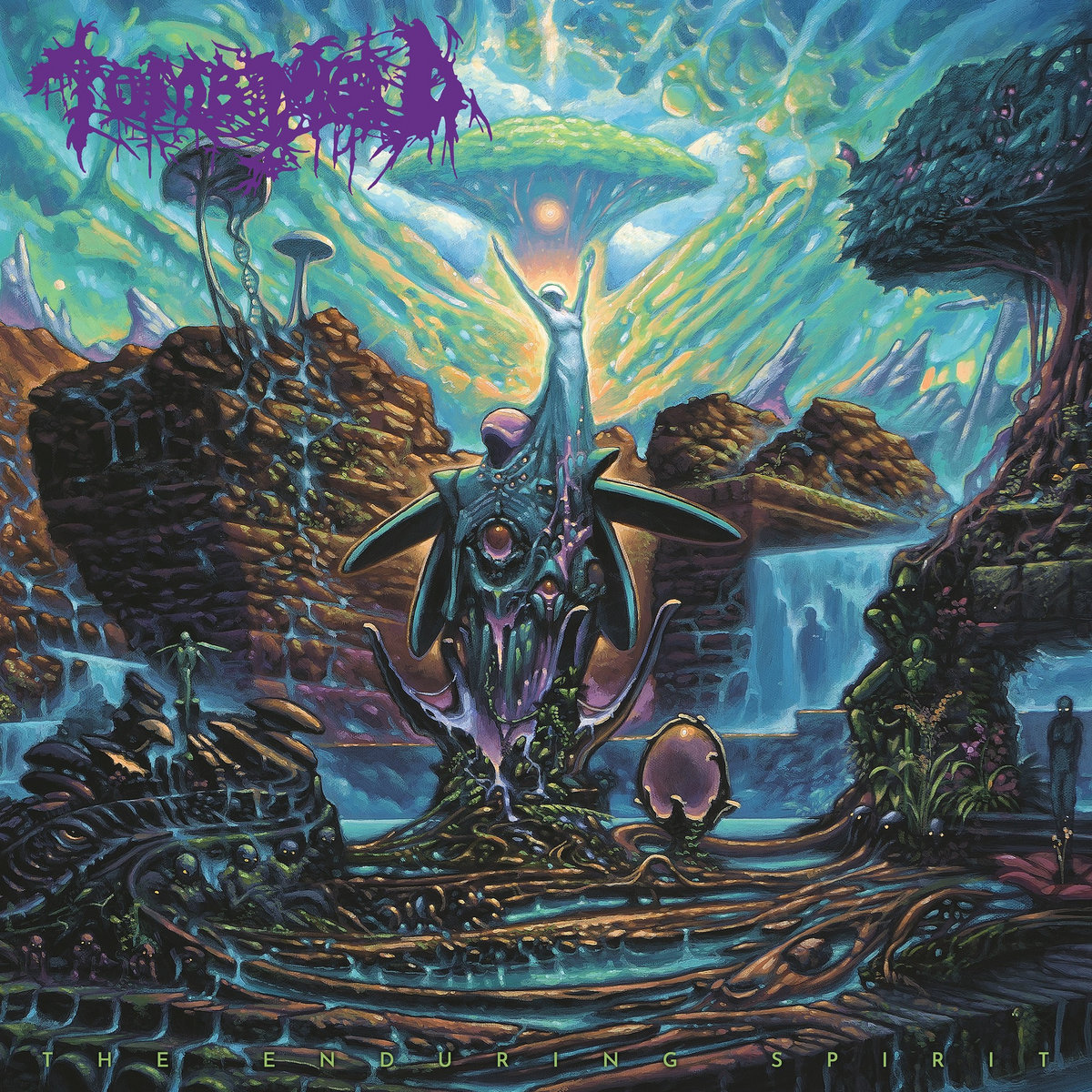
Tomb Mold is a name I’ve heard tossed around in the past. I was vaguely aware of them, and that people generally liked them, but I wasn’t even really sure what subgenre of metal they played. So when they dropped their first new album in four years and people started praising it as this wonderful prog metal release, I felt like I had to give it a listen.
The Enduring Spirit kicks off with “The Perfect Memory (Phantasm of Aura)”. It’s got a tight, complex, nasty main riff, and that title really nails the pretension of prog-death well. The playing is fantastic, and there are lots of neat flourishes. This is one of my favorite songs on the album. The following “Angelic Fabrications”, though, is considerably more generic. It’s not bad, but it’s pretty run-of-the-mill blackened death metal.
This instrumental release has a nice diversity of sounds on it, and the prominence given to jazz flavors works in its favor. The saxophone and keyboard parts especially call to mind early jazzy prog acts, like Frank Zappa, Magma, and Soft Machine. At points, they even veer into territory comparable to Return to Forever. The only real weak point here is the sprawling closer, which atmospherically meanders for eleven-plus minutes without saying or doing all that much. That aside, this is a really enjoyable release.
Score: 76/100
Band: Aton Five | Album:Aton Five | Genre: Progressive rock | Bandcamp
This instrumental Russian quartet plays a relatively heavy variety of prog that often treads the line between rock and metal. The riffs are flashy, complex, and weird, and the guitar and keyboard tones deployed are all great. Dashes of jazz and classical crop up throughout the record for some pleasant moments of contrast. The speed and complexity of these riffs call to mind bands like Liquid Tension Experiment. The closing 22-minute “Lethe” might be a touch long, but it still has plenty of great ideas in it that channel acts like Pink Floyd and Elder.