Changeling is a quartet made up of people with deep experience in the death metal world. Bandleader Tom Geldschläger has played with Obscura and Belphegor, among others, and the other three members have ties to acts such as Fear Factory, Virvum, and Dark Fortress. Backing up this supergroup is a slew of guest musicians, including a choir and small orchestra.
Power metal and classic heavy metal are styles of music that show up on my site every now and then, but never with a ton of frequency. Fer de Lance is a Chicagoan quartet that uses those genres as the basis for some very big, very epic-sounding metal. They pull in influences from farther afield, too, including various veins of folk music and black metal.
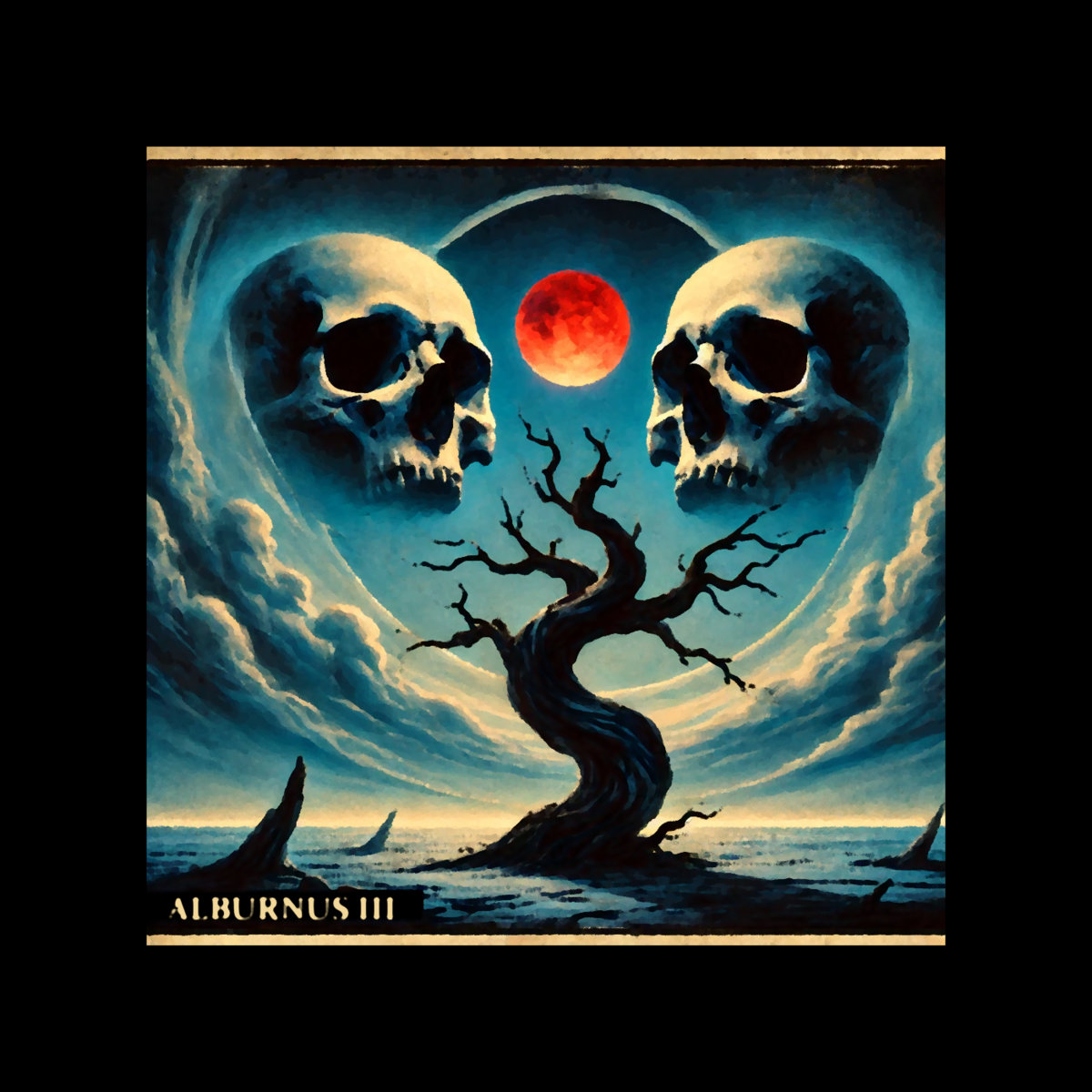
Band: Alburnus | Album:Alburnus III | Genre: Progressive rock, Psychedelic rock | Bandcamp
This Finnish band’s latest album is a groovy, retro-influenced slab of prog and psych. The instrumental passages are peppy, surprisingly catchy, and thoroughly enjoyable. The band shows a knack for melody and hooks, and their playing is flashy without being excessively technical. It’s nothing groundbreaking, but it’s fun.
Score: 72/100
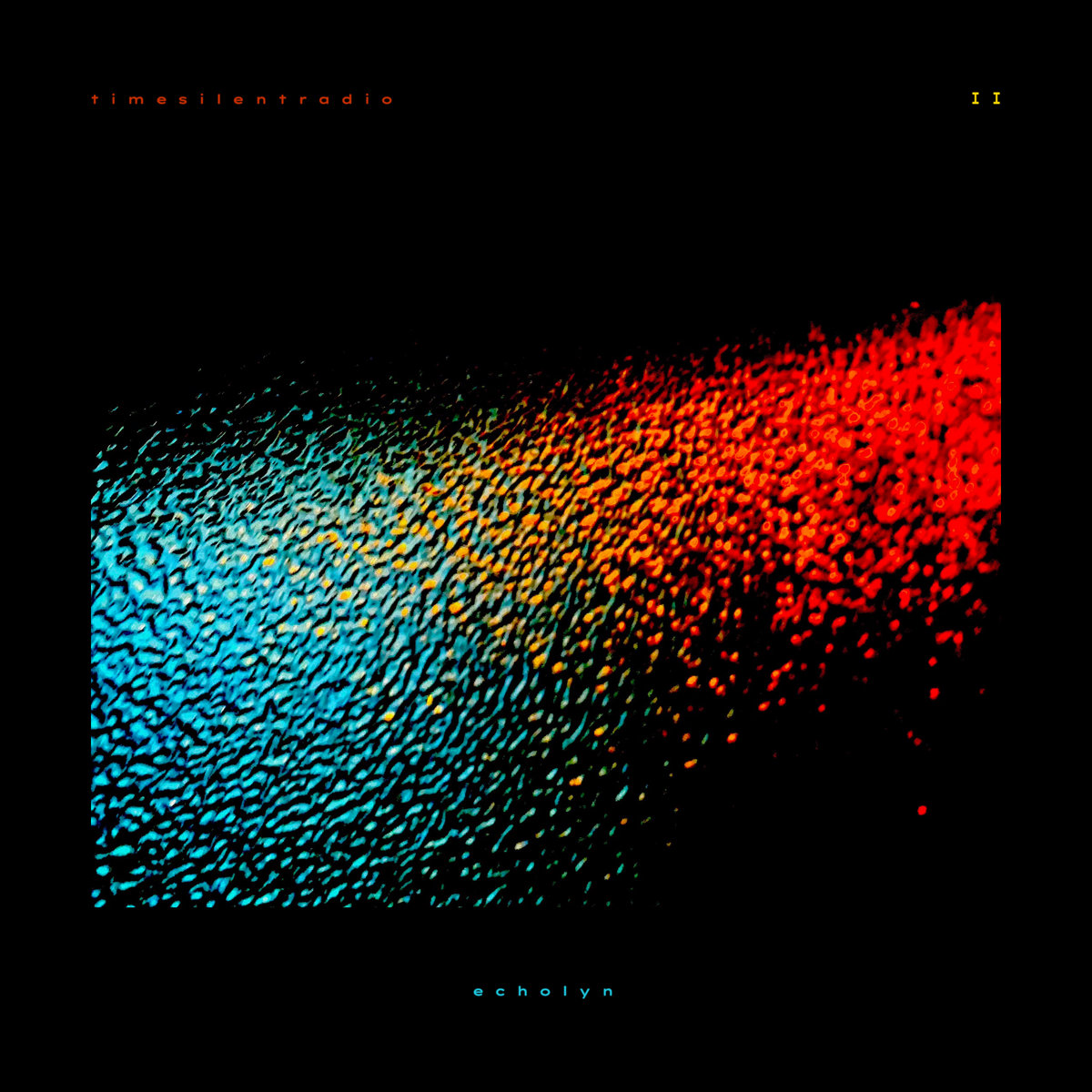
Band: Echolyn | Album:TimeSilentRadio II | Genre: Progressive rock | Bandcamp
Echolyn put out two albums this March, and this is the stronger of the two. Consisting of just two massive tracks, TSRII sees the band utilize their usual sound in an effective manner. ‘90s prog is not my favorite flavor of the genre, but Echolyn pulls it off pretty well. It’s often sunny and relatively accessible, but the underlying songwriting is complex and intelligent. Some parts can be a bit on the cheesy side for me, but overall, their blend of classic prog, pop-rock, and jazzy flourishes works very well. The 29-minute “Water in Our Hands” is especially memorable.
I’ve been pretty open about my general distaste for subgenres that end in “-core.” And that goes double for most things classifiable as djent. So, had I not had this album specifically recommended to me, I probably would have skipped it had I found it on my own on Bandcamp. “Mathcore” and “djent” are usually good signs I’ll find a record tedious and repetitious. There are outliers, of course, but I do do some prioritization of stuff to listen to in looking for records for this site.
I am very happy I had this album recommended to me. Snooze is a Chicago-based quartet that plays a pretty heavy variety of math rock. I Know How You Will Die is their third full-length release and their first in six years. It’s also their heaviest by a significant margin. The band’s roots in math rock and Midwest emo are evident, especially in the vocal lines, but everything comes together in an incredibly satisfying way.
I don’t claim to like everything. I know there are just certain styles of music which don’t resonate with me for one reason or another. I can articulate why I don’t like some genres (for example, most singer-songwriter stuff), while I struggle to find the words to describe my distaste for other genres (like reggae or ska or calypso; the Caribbean is just not my musical realm). Metalcore and post-hardcore are two styles of music that fall somewhere in between for me. I don’t really like the vocals common to them (and many other “-core” genres), but there’s also something else I can’t quite put my finger on. Despite this, every now and then I find a band that I like that incorporates these elements into their music.
Firmament is an Ohio-based duo that plays an energetic and emotive brand of post-hardcore-influenced progressive metal. Yes, there are elements on this record which don’t tickle me, but there’s still plenty here that I like. And when you handicap this album for my built-in biases, A New World If You Can Take It is quite strong. This review is going to sound more negative than I intend it, but rest assured, I strongly recommend this release.
Band: Ancient Death | Album:Ego Dissolution | Genre: Progressive metal, Death metal | Bandcamp
Ego Dissolution is an exciting record that deftly weaves progressive and cosmic elements into a solid death metal base. This album is somewhat comparable to Blood Incantation’s recent work, minus the overt Floydianisms. There are pummeling, stormy riffs and gut-rattling bass and drums, but the occasional pared-back moment (like on “Breathe”) really helps this album shine.
Score: 83/100
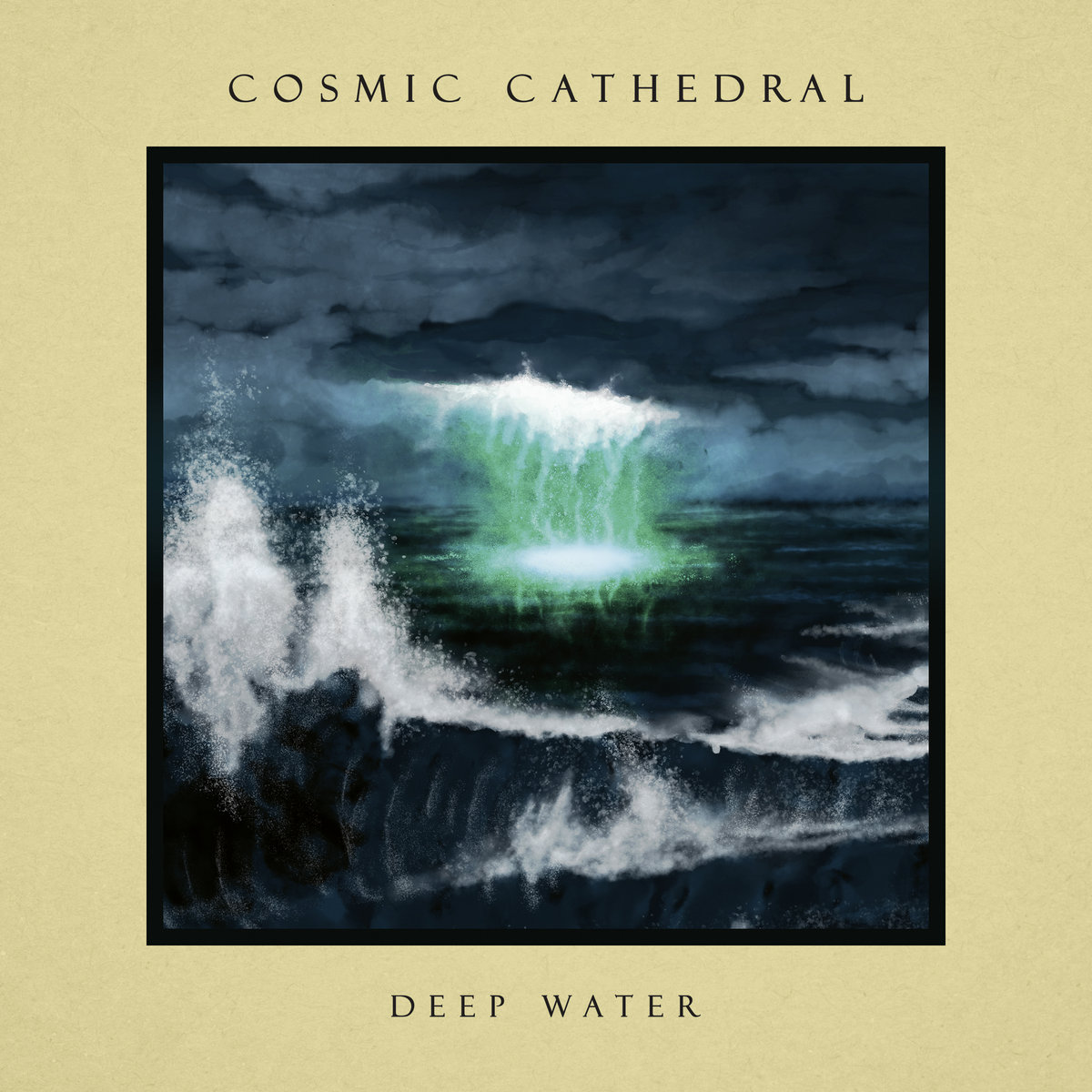
Band: Cosmic Cathedral | Album:Deep Water | Genre: Progressive rock | Bandcamp
The latest Neal Morse project certainly sounds like a Neal Morse project. And as usual, where Neal is the creative lead on a project, he has one question for you: “Do you have a moment to talk about our Lord and Savior: Jesus Christ?”
The music is fine. Do you like early Spock’s Beard? Do you like Transatlantic? Do you have enough lactase in your system to handle the staggering amount of cheese here? Then you’re probably going to enjoy this, especially if you like (or at least don’t mind) the overt religiosity. There are some genuinely fun passages, and for all my quibbles, Morse is a very talented arranger. He’s got his signature sound, and he’s good at varying it enough between releases to (mostly) stay interesting on a musical level.
That said, this does suffer from some ills endemic to his other works. First and foremost is the album’s length. Deep Water is 71 minutes long, and it is absolutely not deserving of that length. The most obvious culprits here are the 13-minute opener and the 9-part, 38-minute title track. There’s simply an immense amount of bloat and music that doesn’t really lead to or add anything.
Secondly, it’s Jesus. Like, I get it, Neal. You found God. Now find something else to write about. Or at least be less obvious about it. If I, an avowed lyric-zone-outer, am noticing how thoroughly you’re beating a dead horse, try shifting topics. Or at least pick some obscure Bible stories. There’s a lot of material there.
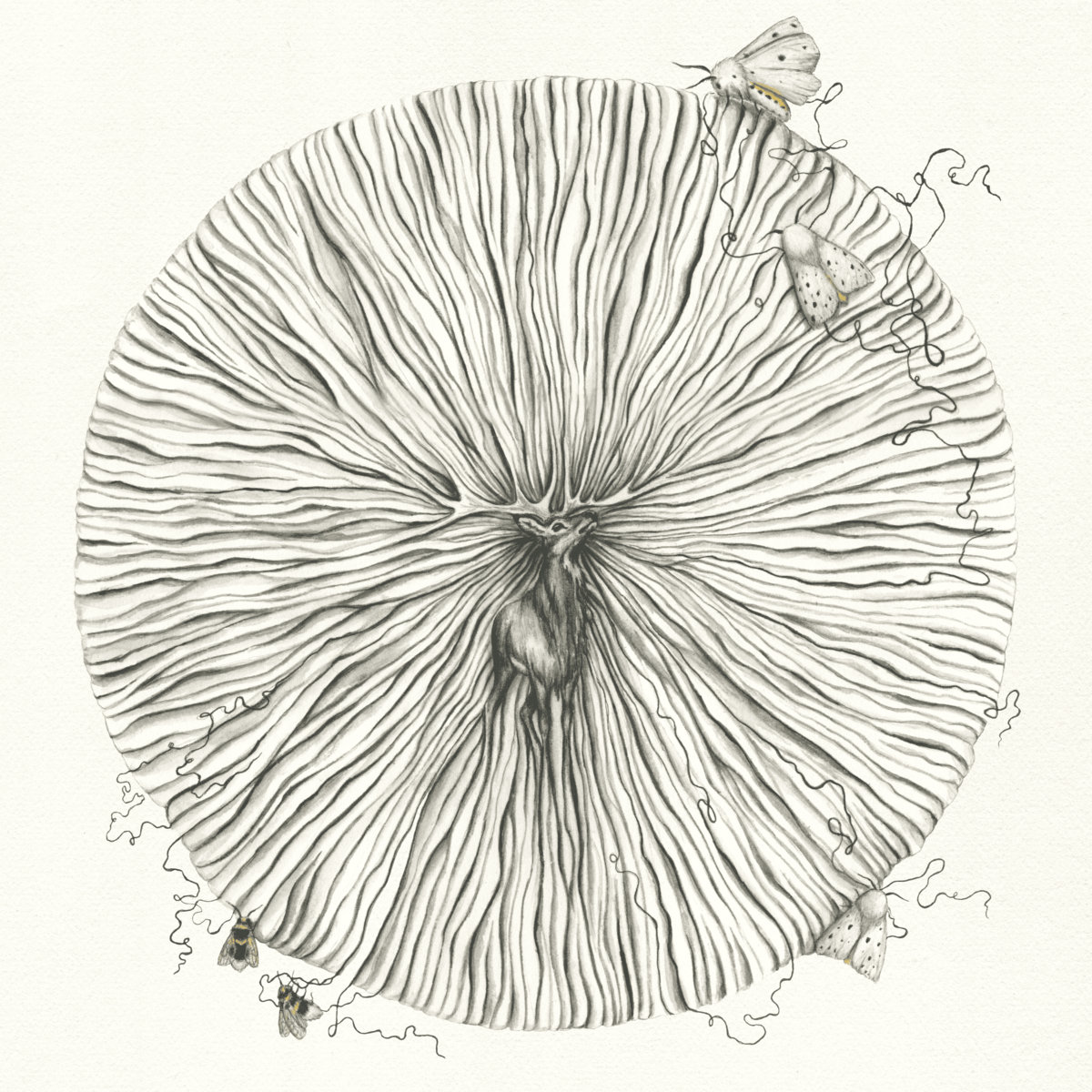
Edensong is not a band I was familiar with before writing this review. They play a brand of semi-metallic progressive rock with significant folk influences. The band also has a dedicated flutist, so the comparisons to Jethro Tull are pretty easy. Those comparisons are also pretty apt, as Tull’s influence can be heard throughout this record.
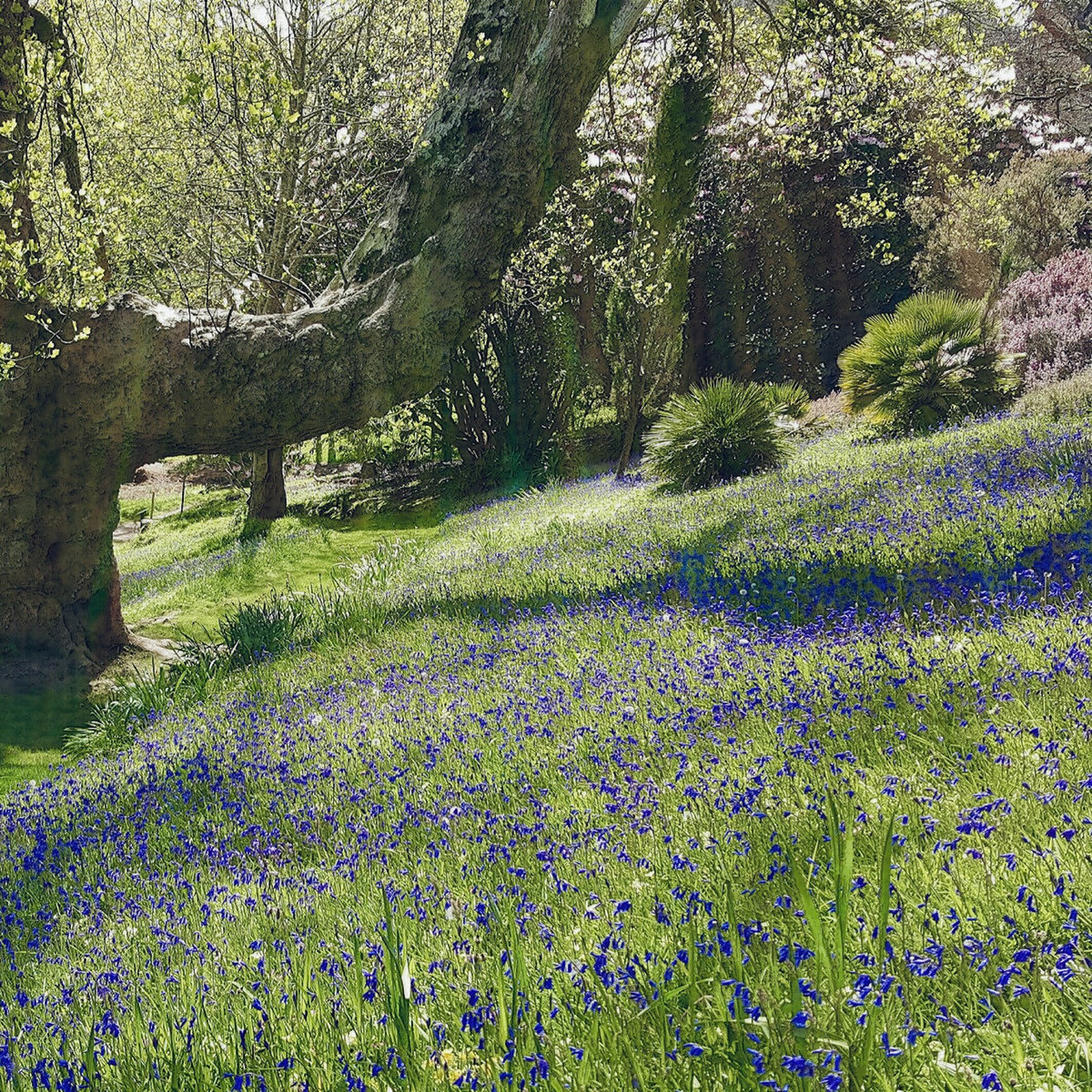
Danefae plays a delicate, intricate variety of prog that weaves in folk influences from the band’s native Denmark. There are also frequent heavy counterpoints to their usual sound. The vocals are strong, and the overall atmosphere is often rather dreamy and otherworldly. There is a lot to like about this album, but it often veers a bit too close to certain strains of post-rock for my taste. I could definitely see this appealing to a lot of people, but there’s just something intangible that prevents it from truly clicking with me.
Score: 74/100
Band: Don Bolo | Album:Umma | Genre: Progressive rock, Avant-garde rock | Bandcamp
The latest release from this Ecuadorian outfit is a lurching, ominous release inspired by the Dune series of books; and it’s an interesting contrast to their punk-influenced 2022 album, Bahamut. This instrumental album cultivates a hypnotic, trancelike mood, befitting of Dune’s mystic themes. The band blends harsh, noisy elements, Western psychedelia and experimentalism, and Middle Eastern motifs, resulting in an uneasy and unsettling work. Thick guitar tones contrast with airier keyboard and saxophone passages, and the rhythm ranges from thundering to skittering.
Artist: Lukey Cope | Album:Interpretation | Genre: Progressive rock, Progressive metal | Bandcamp
Lukey Cope’s debut album is an instrumental affair full of fast, flashy guitar licks. Amid all the showing off, he also displays a keen ear for melody and composition. Piano is prominently deployed, and that instrument’s percussive, biting tone pairs well against some of the thicker auditory qualities at play here. Despite being an instrumental record with a semi-atmospheric vibe, the bloat is pretty minimal here.
Score: 79/100
Band: Deddom | Album:When you find out the amount of your pension and start thinking what to do with it | Genre: Avant-garde metal | Bandcamp
This is an absolutely insane release. This 42-minute behemoth covers territory as diverse as black metal, free jazz, ambient, and more. It’s angry, full of harsh sounds and uneasy rhythms. There is a lot of inventive, oddball material here, and I like just how stark many of the contrasts are. That said, it is longer than it needs to be, and if you’re not in the mood for something harsh and challenging, you’re gonna have a bad time.
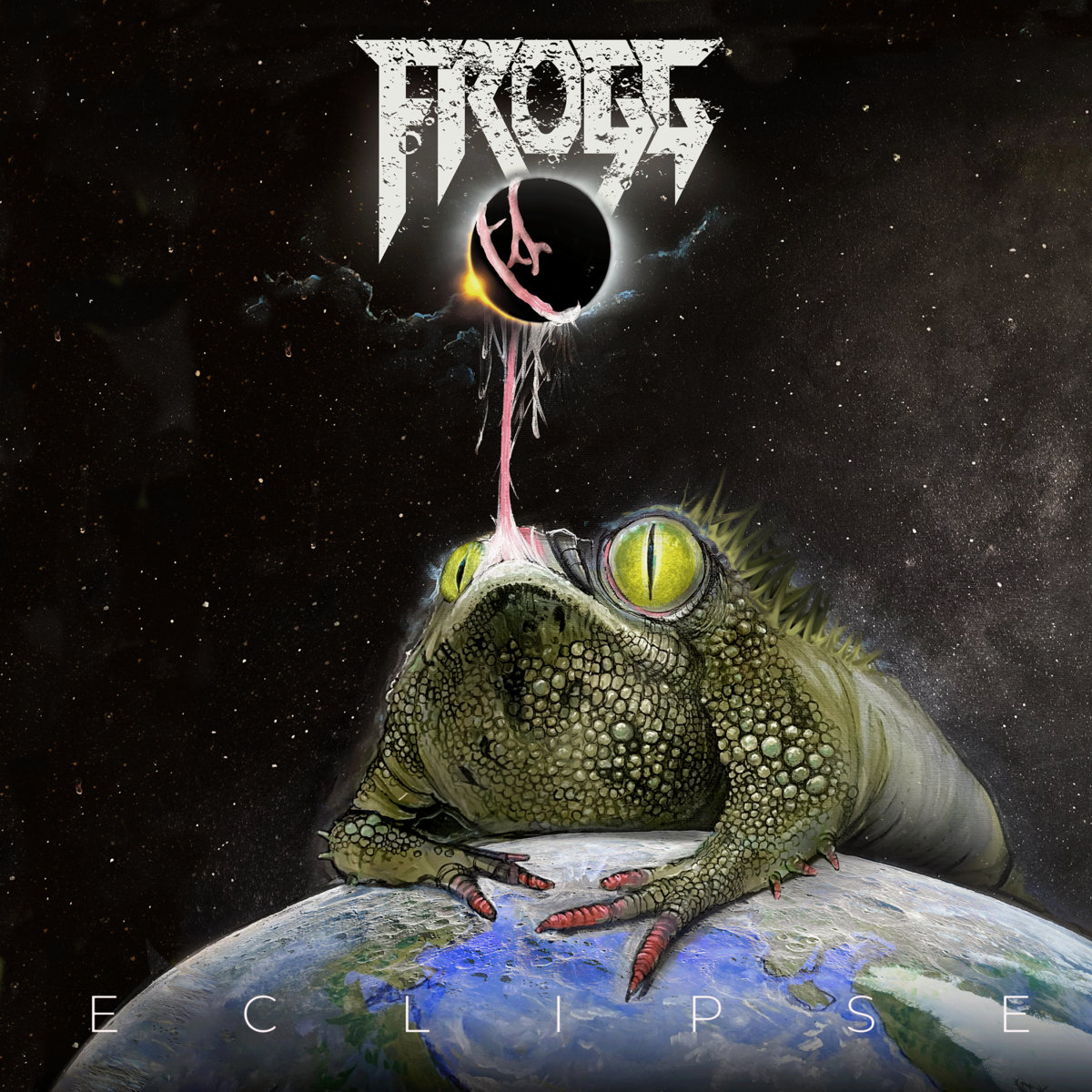
I covered Frogg’s debut EP, A Reptilian Dystopia, back in 2020, and I really liked it. It was one of my favorite short releases of that year. In the intervening years, they’ve put out a handful of songs (all of which show up here), but now they’re finally back with their first LP.
Frogg’s brand of music is fast, dense, and powerful. I often have somewhat mixed feelings on tech-death bands, as it’s easy for such acts to get lost in their own intricate guitar lines. Frogg, though, demonstrates both a keen ear for melody and a certain compositional ambition often lacking elsewhere in this micro-genre.
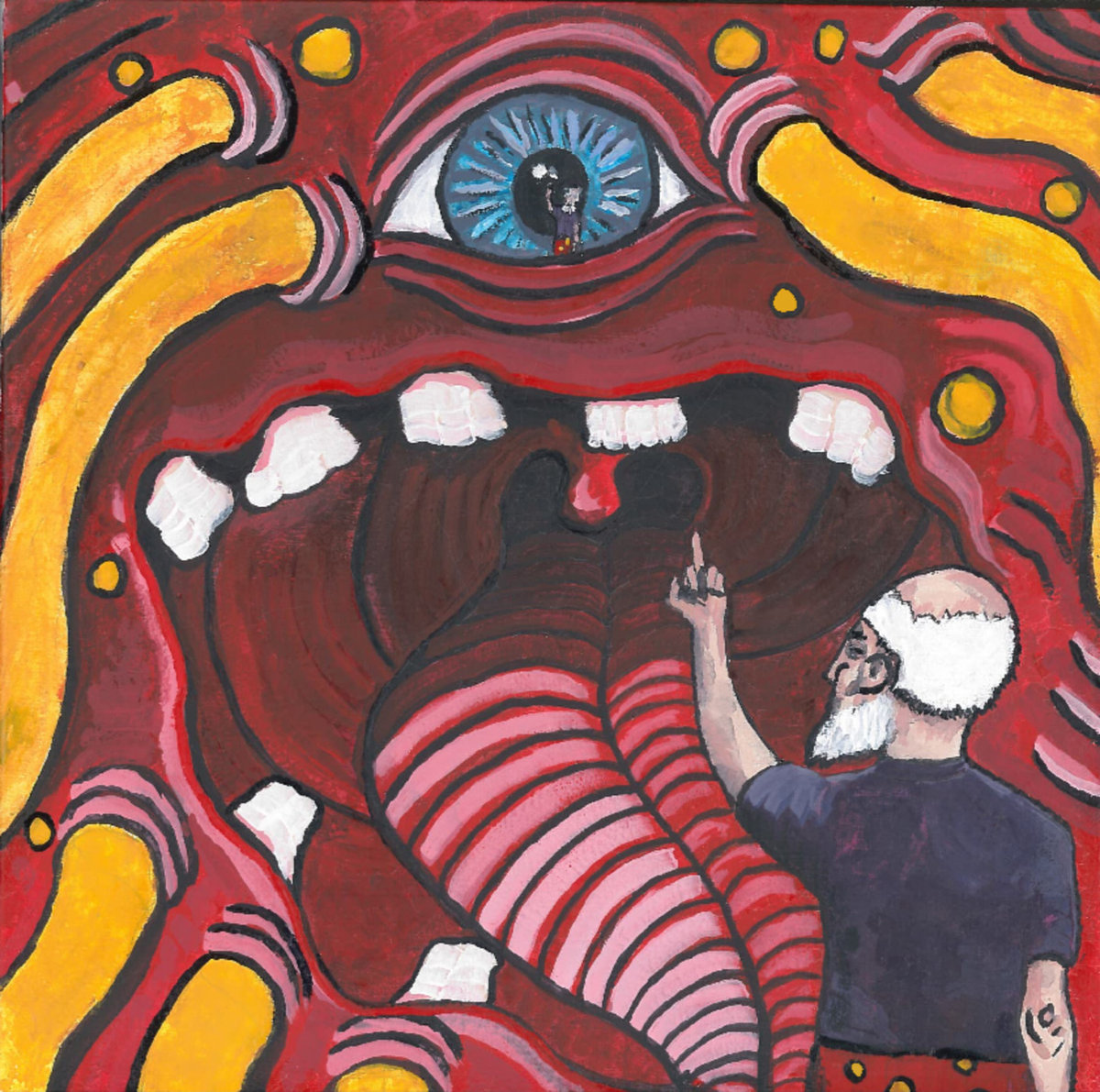
Plus, just look at that album cover. 10/10, no notes.





 The Elite Extremophile