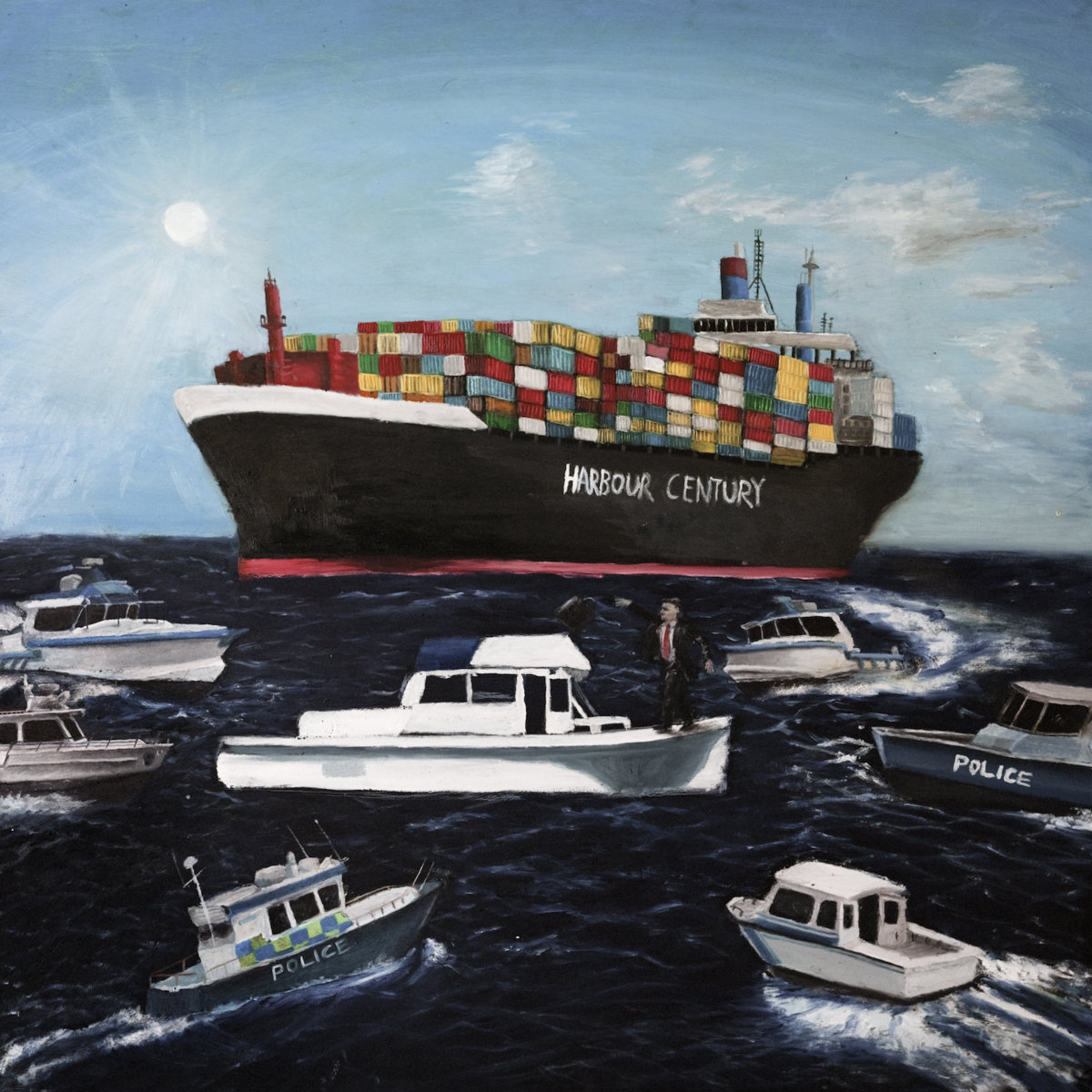
Eunuchs are an Australian quartet who employ a whole host of assisting musicians to construct dense, symphonic soundscapes. At the heart of things, they are a rock band, but traditional rock instrumentation is often minimized or buried beneath dense layers of strings, woodwinds, and reeds. Bubbling up amidst all that is a chaotic, angry energy that provides for unique contrasting effects.
In many ways, these Aussies remind me of black midi, the foremost band in the current avant-prog scene (insofar as there even is such a scene). These guys lean even harder into non-traditional instrumentation, though. Large swathes of this album push the very definition of “rock.”
Rock in Opposition (usually shortened to RIO) is a movement I’ve referred to a few times, but I’ve never really delved into it too deeply. Narrowly speaking, it refers to a specific group of five (initially, later expanded to eight) experimental rock bands who toured and played together in 1978 and 1979. These oddball bands (including Univers Zero, Henry Cow, and Samla Mammas Manna) were opposed to the music industry’s “refusal” to promote them. This stance, to me, comes off as a bit petty and self-centered. These bands played weird, aggressively un-commercial music. At a certain point, one needs to be realistic about their target audience. A major label isn’t going to promote an album like Hérésie. More broadly speaking, though, RIO now refers to the bands which are stylistically descended from these initial bands. I’ve used that label to refer to acts like PoiL, Cratophane, and Ahleuchatistas.
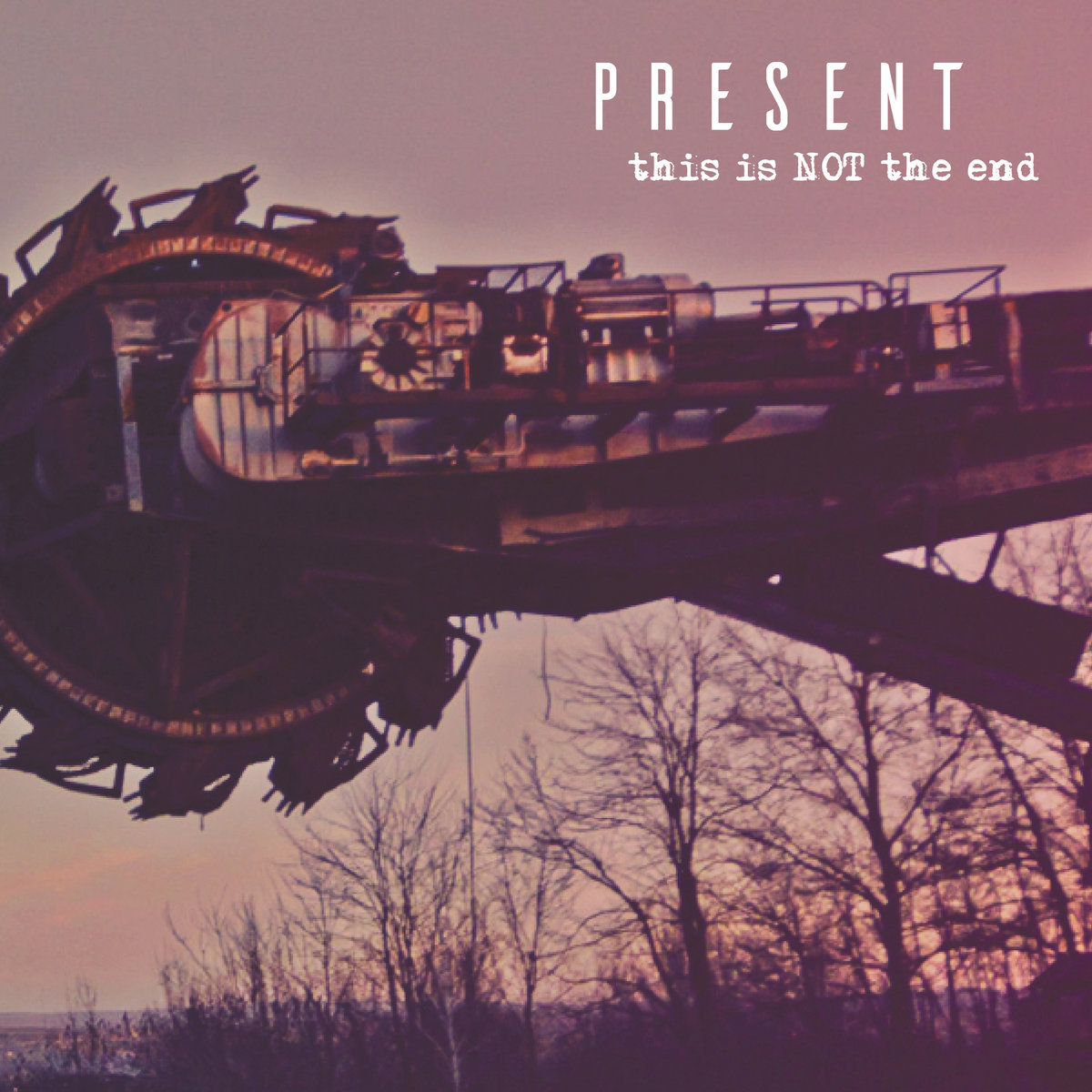
Though not a member of the eight “official” RIO bands, Present appeared not long after. It was founded in 1979 by Roger Trigaux, a founding member of Univers Zero, which is a band I respect more than I enjoy (and that sentiment can largely be applied to the original RIO movement as a whole). They’re often minimal and moody and influenced by chamber music. I can appreciate it on a certain artistic level, but I don’t really like it that much.
This Is NOT the End was my first exposure to Present, and I like it a lot. It has a lot less of the chamber music-influenced stuff I associate with Univers Zero, but it has plenty of exciting, experimental, and overall-weird passages. This release is the band’s first since 2009, but it is, despite its title, the band’s final release. Trigaux, the band’s driving force, passed away in March of 2021, in the midst of recording.
Chief Bromden is a Czech post-punk act that integrates a lot of progressive rock into their music. They’ve got inventive, unorthodox structures, and their instrumental passages are exciting and masterfully played. I liked their debut album Slunovrat a lot, so I was excited to hear their follow-up. In/tense Logic comes about four years after their debut (and two years after their Noise Forever EP, which I simply just never got around to).
Dvne (presumably pronounced like “dune,” though Google Translate also tells me it’s Bosnian for “days ago”) is a Scottish quintet, and they’re one of the more talked-about bands on the parts of the Internet where I spend my time. Voidkind is their third full-length album, coming three years after their last release. Dvne is a band I’ve listened to and contemplated covering before, but for whatever reason Etemen Ænka, their 2021 album, just didn’t quite catch my fancy. (2021 was also an exceptionally good year for the type of music I like, so they had some stiff competition for my attention. 2024, in contrast, is shaping up to be a slower year for me.)
Disregarding my above disparaging of the current year, Voidkind is a legitimately good album. Dvne’s sludge metal roots have gone in a more atmospheric, post-metal-type direction. Normally, I’d be a bit wary about that–unless it’s preceding the word “punk,” the prefix “post-” is often an indicator there’s a higher risk I’ll be a bit bored–but the songwriting is smart, and the playing is crushing and dynamic.
Poetry isn’t really my thing, and that is borne out in my usual disinterest in lyrics. Obviously, though, poetry and lyrics speak strongly to some folks, and one of those folks is Kentuckian singer-songwriter Stuart Wicke. Rubáiyát of Omar Khayyám is Wicke’s eighth full-length release, coming just four months after his last effort. Consisting of just two long songs, each of them draws their lyrics from poetry.
Opening the album is “Song on the End of the World”, a three-part, 15-minute epic. Part two draws its inspiration from the poem of the same by Czesław Miłosz, and parts one and three are based on “America: A Prophecy” by poet William Blake.
Arriving three years after their last effort, Perilymph’s fourth album, Progressions Imaginaires, is this group’s newest output. I’ve covered this band a couple times in the past, and I’ve always enjoyed their work. They have always done a great job at contrasting spare, acoustic passages with big, warm retro synth tones.
Perilymph’s past work has often straddled the always-fuzzy line between psych and prog. That has a lot to do with the way that they evoke the instrumental tones of the late 1960s, when psych and prog were both in their infancies and it was all a big mushy blob of forward-thinking rock music. This album, though, sees the band pushing in a more clearly progressive direction. The tones and textures are as lush and psychedelic as ever, but the songwriting is more dynamic, mature, and inventive.
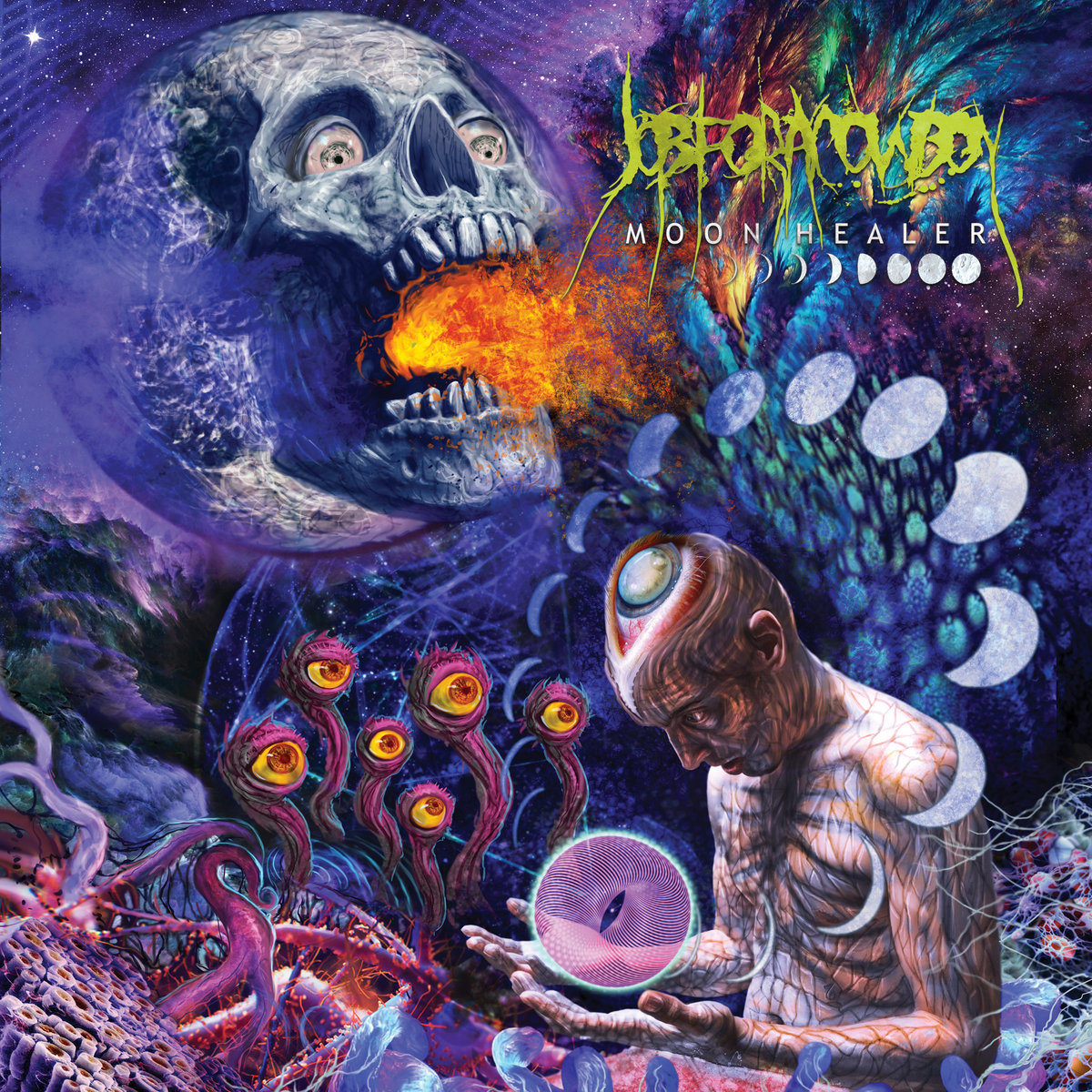
When Job for a Cowboy first came onto the scene in the late ‘00s, I remember them being derided as just another deathcore band with a stupid name. I listened to some of their early work, and I agreed with that assessment. I don’t like deathcore, and their name is dumb. Seriously, it sounds like a lousy innuendo from a bro-country song. There are some bands I haven taken too long to give a shot because of how much I dislike their name (for example, Between the Buried and Me, And So I Watch You from Afar; pretty much any band whose name is a full clause), but JfaC is a band where my distaste for their name was backed up by a distaste for their music.
In the ensuing decade-and-a-half, though, they’ve taken a considerably more technical and progressive turn. When I saw Moon Healer rather high up on the 2024 chart on Rate Your Music, I was baffled. Aren’t these guys just some shitty deathcore band? I thought. My curiosity was piqued, so I gave Moon Healer a listen. I’m glad I did.
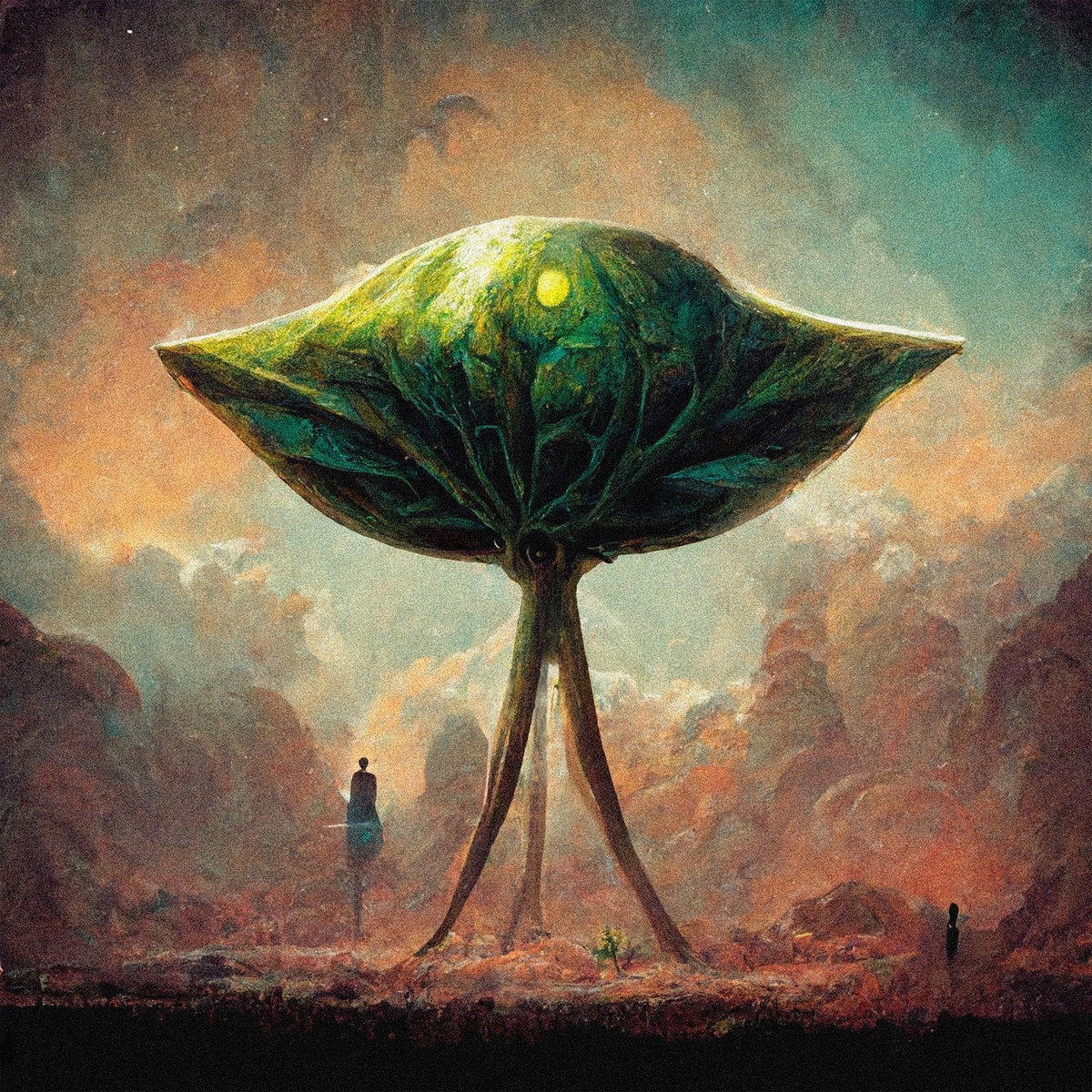
Plantoid is a Brighton-based four-piece that expertly manipulates textures to create an enveloping auditory experience. Jazz and psychedelia commingle on Terrapath, along with progressive rock, indie rock, and bits of folk. The sci-fi album art matches the hazy, otherworldly feel of the music. The band manages to establish a sense of musical continuity without coming off as repetitious or uncreative.
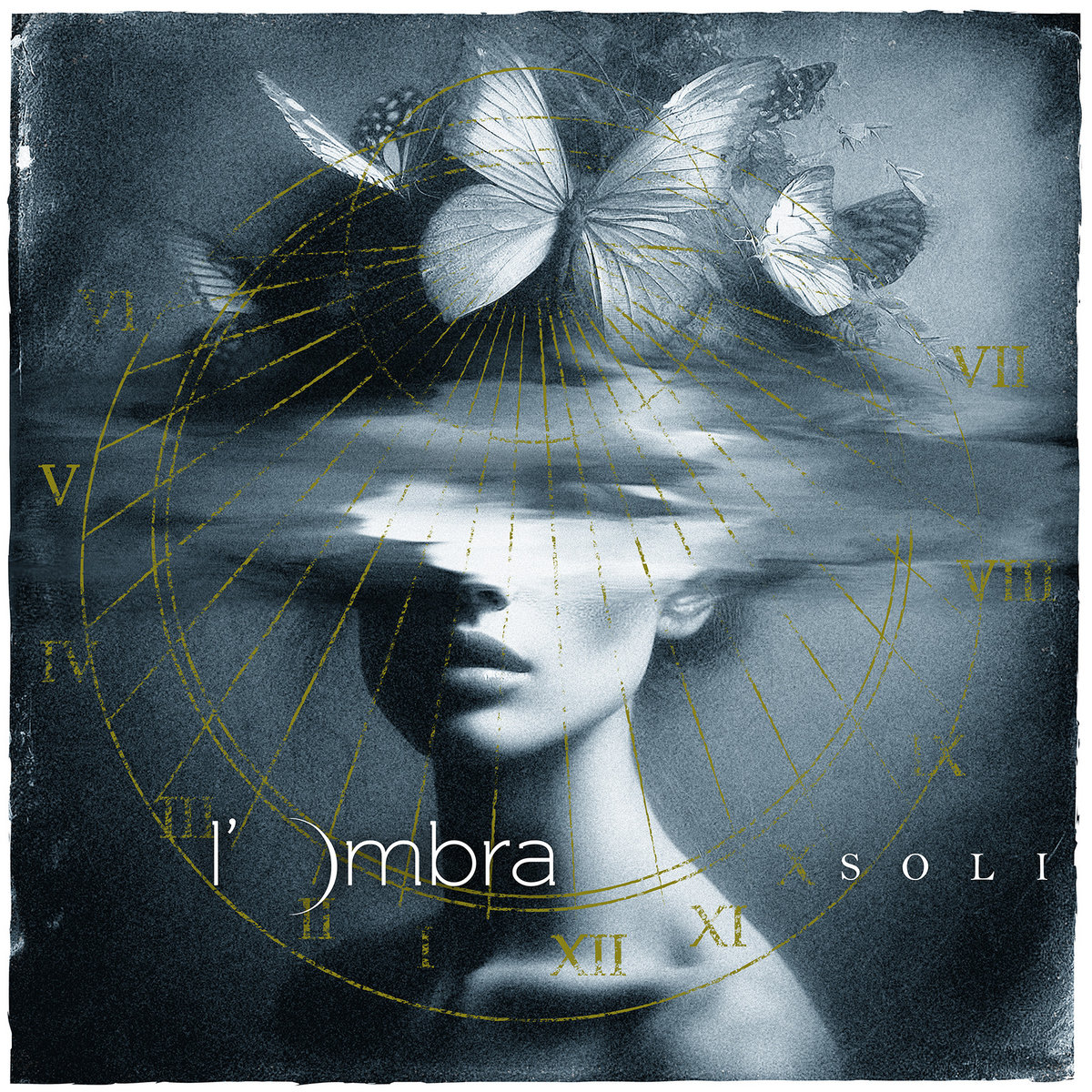
Back in 2019, L’Ombra’s debut EP took the top spot on my inaugural Top EPs list. Their music was relatively accessible, but it still featured plenty of artsy, inventive playing and arrangements. One of the things I liked most about it was how it used language. The five songs were in Italian, French, and English. The Italian and French songs had influences that drew from the classic eras of Italian and French progressive rock.
Five years later, they’ve come back with their debut full-length album, Soli. It stays in a similar overall vein as their self-titled EP, but the obvious linguistic-musical dynamics are less pronounced here. The Italian bits aren’t as reminiscent of classic Italian prog, and the French bits don’t necessarily feel all that French. The overall tenor is jazzy and rather relaxed, and it winds up being pretty solid.
The Chronicles of Father Robin return with the conclusion of their Airoea trilogy. Book I covered the land of Airoea, and Book II its waterways. You can read about my thoughts on those, as well as some notes on this band’s background, in my original reviews. Book III, now, is exploring the skies of Airoea.
With the Airoea trilogy now concluded, I’ve included my thoughts on the project as a whole at the end of this review.