Brighton’s Plaintoid are black with their sophomore album, Flare, two years after their debut. The band maintained their lush, jazzy air while also imbuing their sound with a bit more muscle. On repeated listens of Terrapath, at times I do wish the band had a bit more contrast in their sound. Here, they’ve successfully added a bit more while also maintaining their unique character.
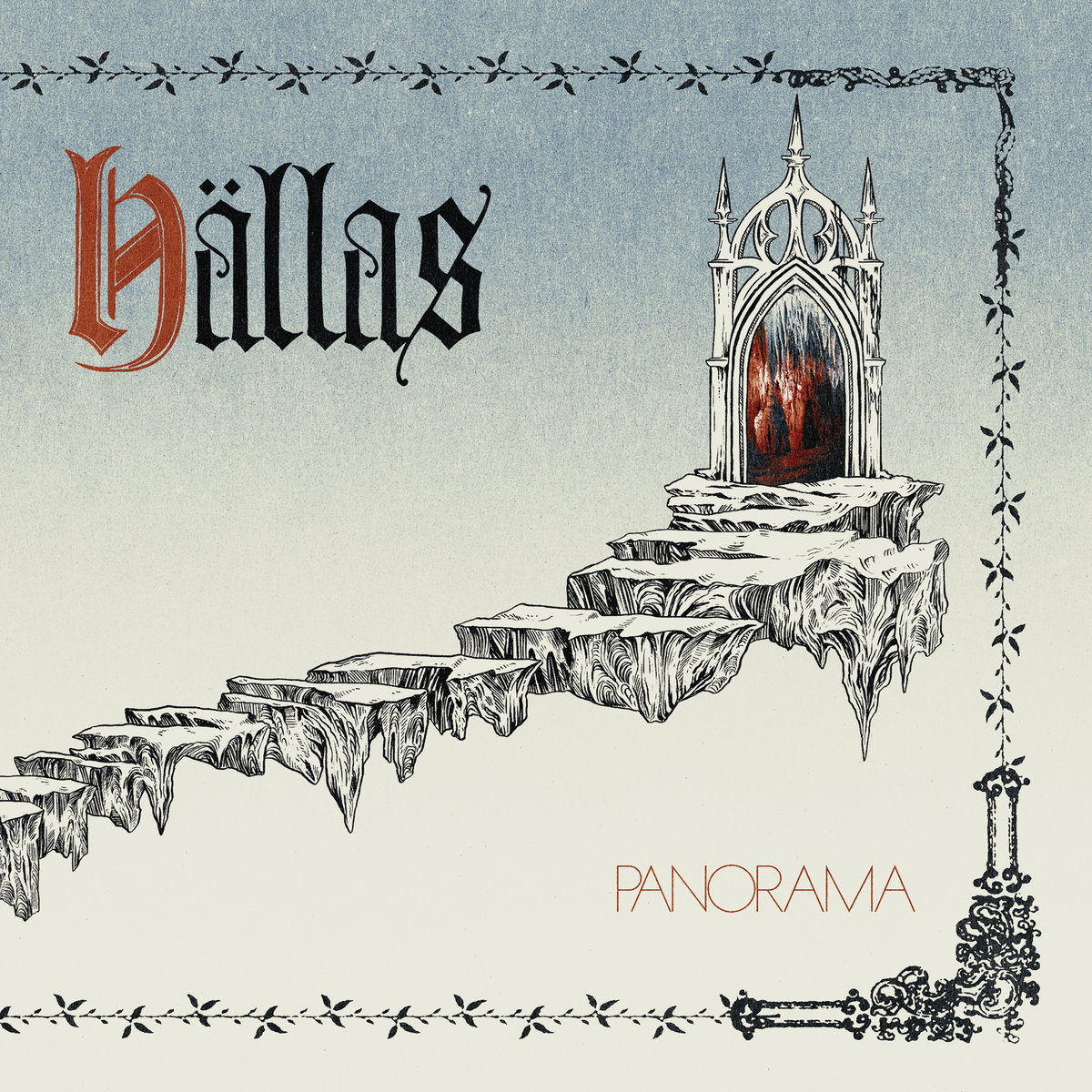
Band: Hällas | Album:Panorama | Genre: Progressive rock, Hard rock | Bandcamp
I saw this record getting a lot of hype online, and I can’t say that I get it. On a structural level, at least, the opening epic is well-built, and the occasional fun twist does occur. But my biggest issue with this release is the sound palette. This sounds like schlock-rock acts from the ‘70s and ‘80s tried their hand at prog. The vocalist reminds me of Dave Cousins of Strawbs, which is different, at least. But I don’t particularly like Journey or Foreigner or Styx, and these guys are clearly drawing a lot of influence for that particular vein of cheesy arena rock. Everything is overblown and uses trite, tired musical tropes. That results in an exhausting listen. Oddly, the four shorter songs on this album feel much more tedious and drawn-out than the 21-minute opener.
Score: 62/100
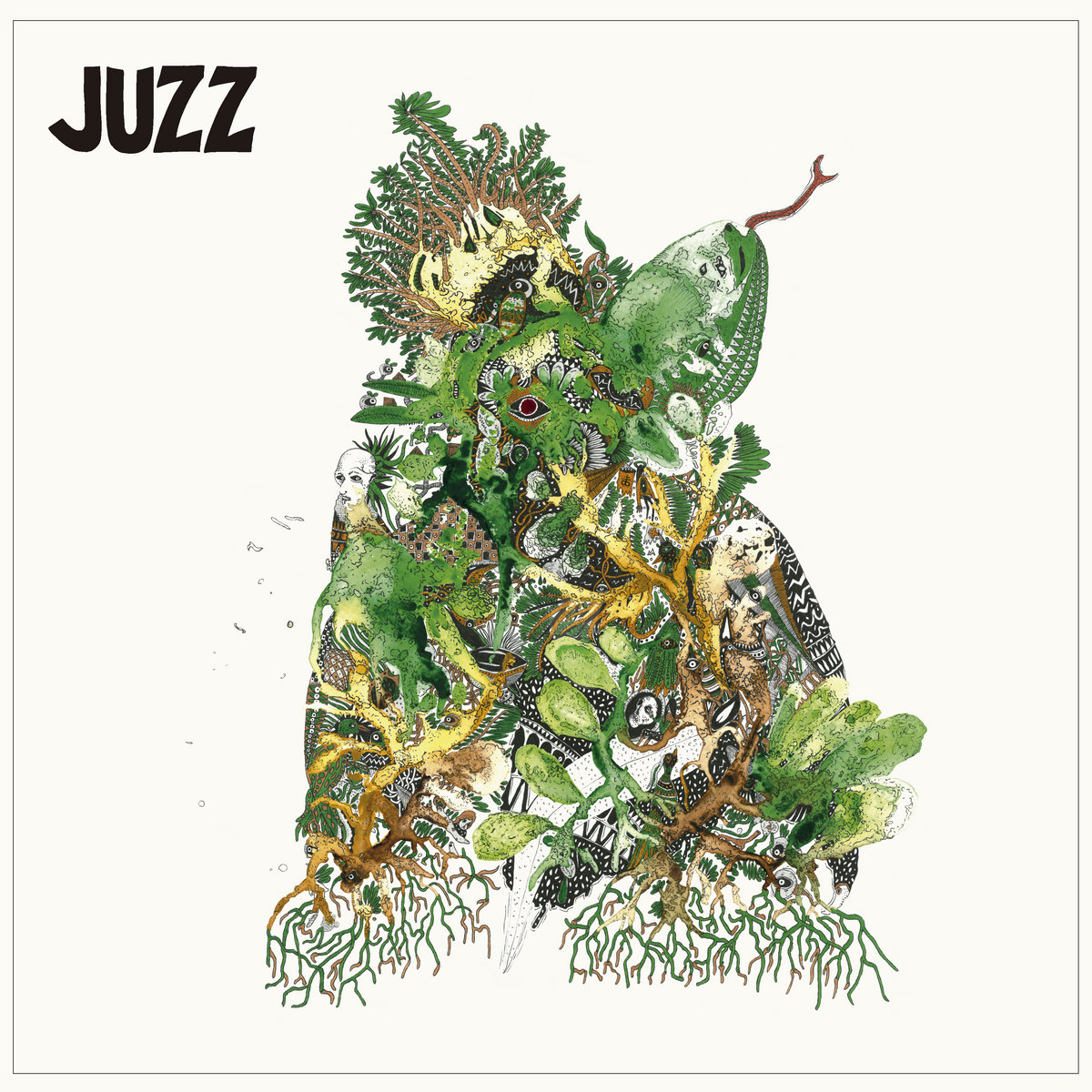
Band: JUZZ | Album:JUZZ (II) | Genre: Progressive rock, Jazz-fusion | Bandcamp
Juzz, a jazzy instrumental six-piece from Galicia, has put out their sophomore album. It’s similar in tone and style to their debut, if perhaps a bit more rock-oriented. Moods morph fluidly across this album’s runtime, ranging from hard-rocking numbers to Tangerine Dream-inspired space-synth passages. These songs also show greater focus than their debut, so I am happy to see that evolution in their writing style.
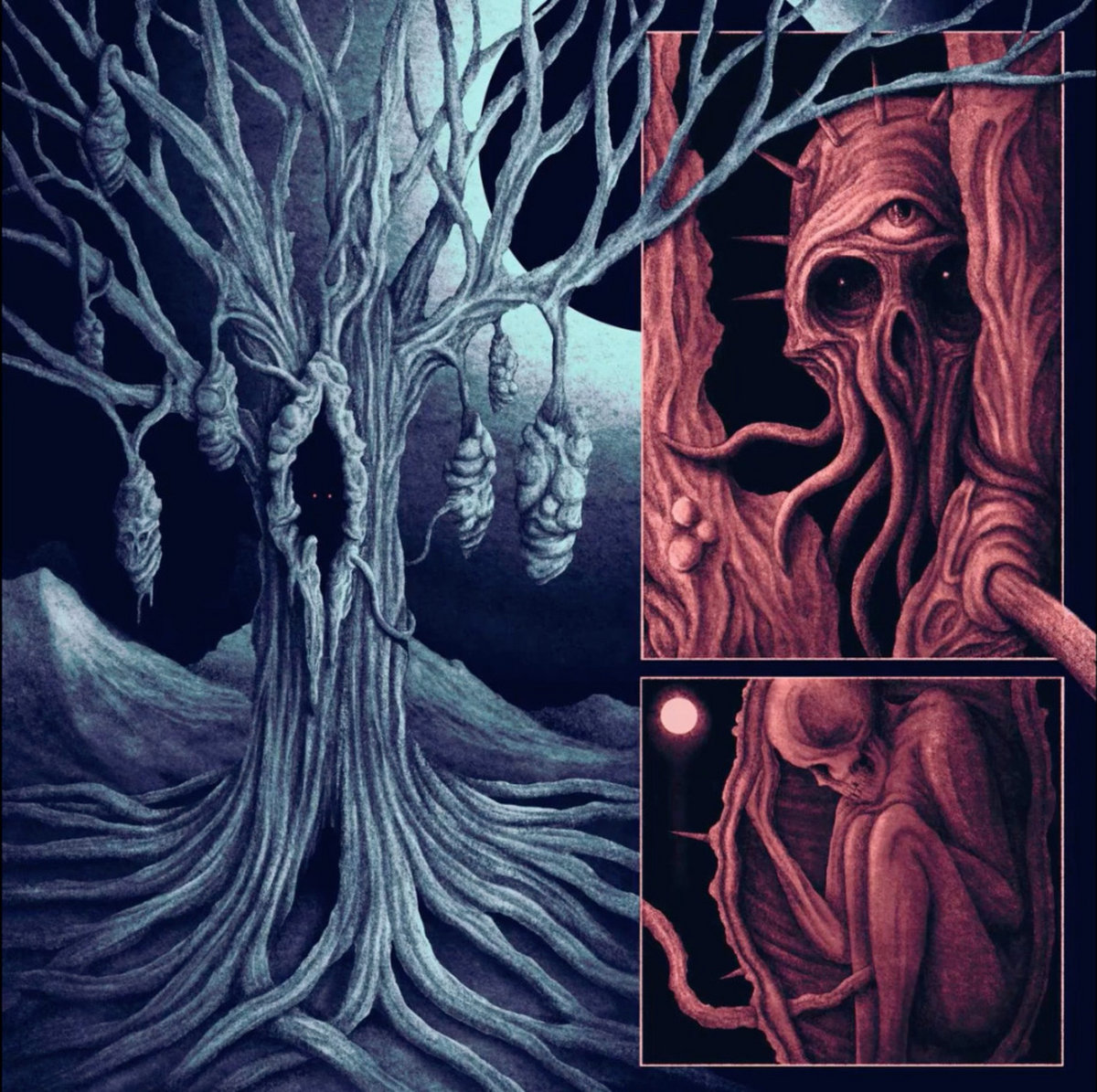
Fleshvessel’s 2023 debut was an incredible statement in modern progressive metal. This Chicagoan act wove together black metal, jazz, modern classical, and experimental music to create a striking, singular record. This ambition (and tendency toward prolix album titles) continues on their sophomore release, Obstinacy: Sisyphean Dreams Unfolded.
January is always a weird time of year for me to write. I’m done with my 2025 best-of lists, and I do have some music to cover, but not a ton. Or, at least, I need to spend some more time combing Bandcamp to find new stuff to cover and build up a backlog. The Elite Extremophile isn’t all recent album reviews and lists of blurbs, though. I do have two other (very) occasional columns: Deep Dive and Lesser-Known Gems.
On the Deep Dive front, sorry for not putting one out last year. I got about a third of the way through writing one for Camel, but then I kinda lost motivation. I enjoy Camel; I just find them weirdly hard to write about. I think I may set that one aside and do ELP or Kate Bush or something.
On the Lesser-Known Gems front, January offers a great opportunity for that. I can pound out 3-4 LKG columns in an afternoon or two, leaving me with the rest of January to discover and write about more-current releases.
So, without further ado, welcome to Lesser-Known January. Or, alternatively, Lesser-Known Gem-uary. Let me know which name you prefer.
The debut album from this Finnish quartet is a highly melodic brand of proggy alt-metal. The riffs are powerful, and the vocals are strong. The band demonstrates a strong ear for catchy melodies. There are a few moments in the second half of the album I’m not nuts about; the overly-pop-infused “Ocular” and the butt-rock influenced “Rover” are the main culprits. Overall, though, this is an enjoyable record. The musicianship is top-notch without being needlessly flashy, and there are plenty of great structural twists.
Score: 74/100
Band: Khan | Album:That Fair and Warlike Form/Return to Dust | Genre: Heavy psych, Post-metal | Bandcamp
The latest release from Khan, an Australian trio, consists of just two massive tracks. The first is the overall heavier of the two, providing a cavalcade of evolving musical themes that weave prog rock, psychedelia, alternative metal, and post-metal. “Return to Dust” features more contrasts with quieter, cleaner passages. Both epics hold together very well and have lots of small things that reveal themselves on subsequent listens.
Drone is a genre that I largely dislike but do occasionally dabble in. When I run across a drone artist that I do enjoy, it’s usually because they’ve melded those influences with something else. With Neptunian Maximalism, they married drone with heavy, experimental metal. And with William Covert, he has blended it with post-rock and avant-garde jazz. Textures are wide and airy, but it’s not just aimless ambience. Drumming helps give this record a sense of direction, and there are clear structures and throughlines in the individual compositions. The music is spooky, spacy, and artful.
Cratophane’s sophomore album sees this self-described “angular rock” band take a lot of stoner and doom metal influences into their music. There are still jagged riffs and irregular rhythms aplenty, but the band also slows down significantly for extended periods of time. Magma’s influence looms large here, but so does that of bands like Pelican. This is a dark, moody, and semi-psychedelic record that goes to some interesting places. As with many instrumental records, I feel a number of the songs are longer than they need to be, but it’s not too bad.
Artist: Lukey Cope | Album:Interpretation | Genre: Progressive rock, Progressive metal | Bandcamp
Lukey Cope’s debut album is an instrumental affair full of fast, flashy guitar licks. Amid all the showing off, he also displays a keen ear for melody and composition. Piano is prominently deployed, and that instrument’s percussive, biting tone pairs well against some of the thicker auditory qualities at play here. Despite being an instrumental record with a semi-atmospheric vibe, the bloat is pretty minimal here.
Score: 79/100
Band: Deddom | Album:When you find out the amount of your pension and start thinking what to do with it | Genre: Avant-garde metal | Bandcamp
This is an absolutely insane release. This 42-minute behemoth covers territory as diverse as black metal, free jazz, ambient, and more. It’s angry, full of harsh sounds and uneasy rhythms. There is a lot of inventive, oddball material here, and I like just how stark many of the contrasts are. That said, it is longer than it needs to be, and if you’re not in the mood for something harsh and challenging, you’re gonna have a bad time.
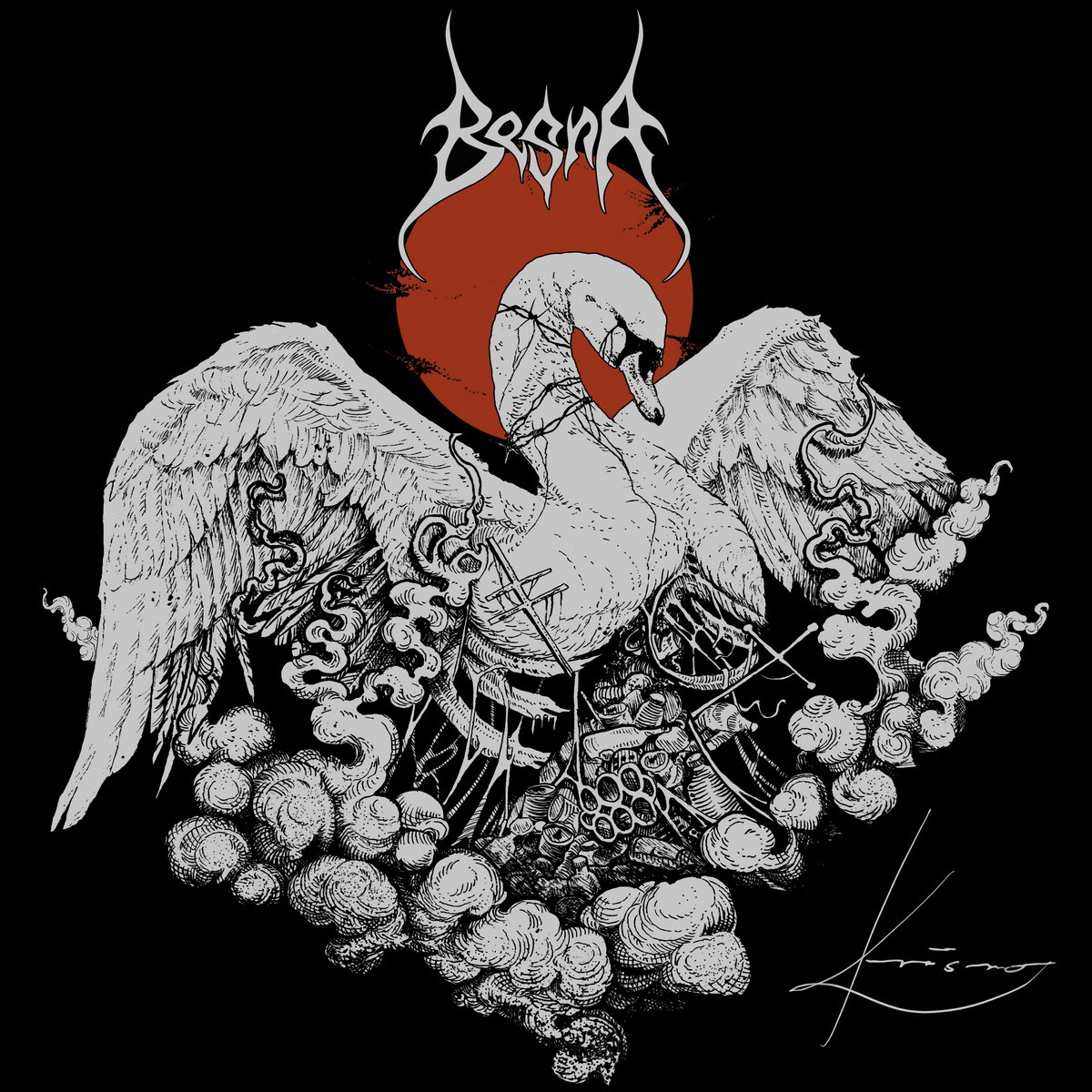
Slovakian quartet Besna’s newest album is a powerful record full of searing, anguished post-black metal. The band expertly blends haunting and disorienting atmospheres with raw emotionality and clever and unexpected song structures. There are moments of stark beauty woven into the piercing guitar lines. The closing track is an especially strong encapsulation of this band’s best tendencies.
Score: 82/100
Artist: Marton Juhasz | Album:Metropolis | Genre: Jazz, Jazz-fusion | Apple Music
This is certainly at the jazzier end of things I cover, but it isn’t out of place here. Juhasz’s latest album sees him toy around with complex meters and rhythms, and the drumming is especially impressive. Warm saxophones and glimmering electric piano lead the way on most songs. He also draws from a fairly diverse set of influences. “Sao Paulo” has fitting Brazilian flavors; the guitar on “Helio” would be right at home in a post-rock song; and “Radar” features the structured chaos of an avant-leaning math rock band.
My usual means of looking for music does have its blind spots. I typically search by tags on Bandcamp, but if a band doesn’t use a certain tag, I’m not going to run across their material. I try to account for these blind spots by occasionally perusing the charts on Rate Your Music and Prog Archives, but Uulliata Digir is a band I found via the comment section of a Simpsons meme on Facebook.
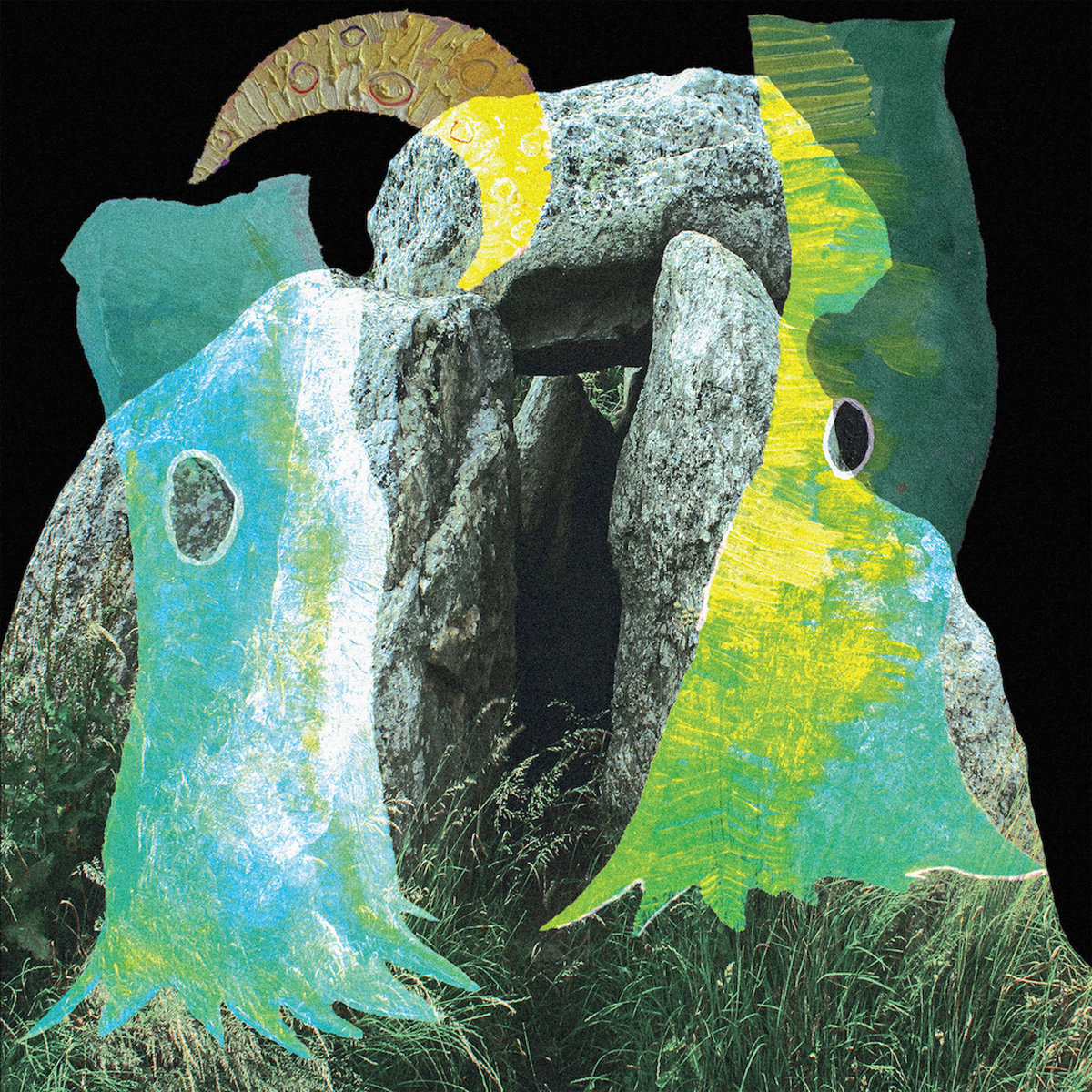
Uulliata Digir is a Polish sextet based out of Poznań, and their self-titled debut is a strange and striking record. It has a swirling, lurching rhythm, and the atmosphere is often hazy and ritualistic. Upon my first listen, it reminded me a lot of Solar Drone Ceremony. This is far from drone, but that occultic ritualism is a common bond between the two albums. Consisting of two epics, two interludes, and one song of a-bit-more-than-average length, Uulliata Digir brings the listener on an otherworldly journey.
WIZRD is a quartet featuring four veterans of Norway’s jazz scene. The band was formed while the members were at the Jazz Conservatory in Trondheim, and their origins as jazz musicians are evident in their playing. The music on Elements is energetic and fluid, and it’s clear the musicians are skilled at playing off one another. I really liked their 2022 debut, Seasons, and Elements is another strong addition to their discography.




 The Elite Extremophile