Deep Dive: Pink Floyd

Welcome to another installation of Deep Dive, where I take a look at the extended studio discographies of some of the biggest names in progressive rock. I’ve included a TL;DR and ranking of albums at the end. I’m opting to explore albums chronologically, as opposed to a ranked-list format. The context in which albums were made is important, and that is an element often missed in a ranked list.

Today, I’m covering a doozy. Pink Floyd is the most commercially successful progressive rock act by a wide margin. Their global sales tally somewhere between 200 and 250 million records since their debut in 1965, placing them eighth all time among recording artists. The second-most successful prog act is Genesis, with roughly 100 million sales and significant non-prog output.

Jethro Tull and Pink Floyd were my two primary introductions to progressive rock, and those are my second- and third-most-listened-to acts, respectively, according to my Last.fm profile, trailing only The Beatles. I have a deep, intense love of their music, and Richard Wright is probably my single biggest influence as a musician. At the same time, don’t expect this to be a one hundred percent worshipful lovefest, as I have some (strong) opinions which are heterodox among the Pink Floyd fandom.

Unlike other artists I have covered or will cover in this column, Pink Floyd has a huge amount of material which either never saw official release or was released in unusual ways. As such, there is a significant portion of their output which will not be included in the ranking at the end, though I will address it in the body of this essay. Most of this oddball material was recorded 1965-1970 and was released as a part of the 2016 box set The Early Years, 1965-1972.

I will also refrain from ranking Pink Floyd’s live output, as that strays beyond the limitations of this column. That’s unfortunate, too, as Pink Floyd bootlegs from 1968-1972 are something of an addiction for me. Their live performances from this time period are fantastic and deeply interesting, and I really recommend you look into this material yourselves.

Part I: The Barrett Years (1963-1968)

Prior to becoming “Pink Floyd,” Roger Waters (bass), Nick Mason (drums), Richard Wright (keys), Syd Barrett (vocals, guitar), and Bob Klose (guitar) performed rhythm and blues and cut a handful of singles under the name The Tea Set. And immediately upon starting this piece, I’m struck by the issue of Pink Floyd’s massive catalog of unreleased and non-album material.

Continue reading “Deep Dive: Pink Floyd”

Album Review: Acid Mess – Sangre de Otros Mundos

Band: Acid Mess | Album: Sangre de Otros Mundos | Genre: Psychedelic rock, Progressive rock | Year: 2020

From: Asturias, Spain | Label: Spinda Records

For fans of: Mezquita, The Mars Volta, Fuzz

Bandcamp

I’ve discussed Spinda Records and their consistently high-quality underground prog and psych before. Moura’s self-titled debut—released by Spinda in March—might just wind up being my album of the year, but my year-end list is still taking form. The latest release from this label is the third album from Acid Mess, Sangre de Otros Mundos (Blood of Other Worlds).

The album opens with “El Reflejo de Su Piel” (“The Reflection of Your Skin”). The first half of this song is slow and atmospheric: clean guitar echoes as a squiggly, fizzy synth line winds its way beneath. That suddenly erupts into a distinctly Spanish guitar riff imbued with metallic aggression. Handclaps add a distinct textural element, and swirling organ, though low in the mix, makes everything feel fleshed-out.

Continue reading “Album Review: Acid Mess – Sangre de Otros Mundos”

Album Review: Garcia Peoples – Nightcap at Wits’ End

Band: Garcia Peoples | Album: Nightcap at Wits’ End | Genre: Progressive rock, Psychedelic rock | Year: 2020

From: Rutherford (NJ), USA | Label: Beyond Beyond Is Beyond

For fans of: The Grateful Dead, early King Crimson, Procol Harum, Uriel, Spirit

Bandcamp

Nightcap at Wits’ End—the fourth album from Garcia Peoples—shows the band’s continued evolution and refinement of their sound. Their first two albums were psychedelic garage rock pieces with some underlying prog leanings. One Step Behind (their third release) was centered around a 32-minute krautrock opus. This record dials back the scale of things, with only one song topping seven minutes.

The sound presented here is also something of a middle ground between their first three releases. This is undoubtedly a progressive rock album, but it hearkens back to the very earliest days of progressive rock, when the lines between psych and prog were even blurrier than they currently are. It draws a great deal of influence from those first prog bands, such as The Moody Blues, the first King Crimson lineup, and early Canterbury acts like Egg/Uriel.

Continue reading “Album Review: Garcia Peoples – Nightcap at Wits’ End”

Odds & Ends – June 22, 2020

cbBand: Chief Bromden | Album: Slunovrat | Genre: Post-punk, Progressive rock | Bandcamp
This Czech quintet play a noisy, chaotic blend of post-punk and prog. They make me think of a rawer, noisier Atsuko Chiba, or a more progressive Viet Cong/Preoccupations. Glassy synthesizers shine against jagged guitars, and the compositions twist and surge in exciting ways. Math rock flourishes are common, and squealing guitars contrast against a buzzing background. There are other surprising moments: the keys in the instrumental “Skelněná Krajina” give a feeling not unlike video game music at times, and the sprawling “Ken Kesey” features some electronic inclusions.

Score: 82/100

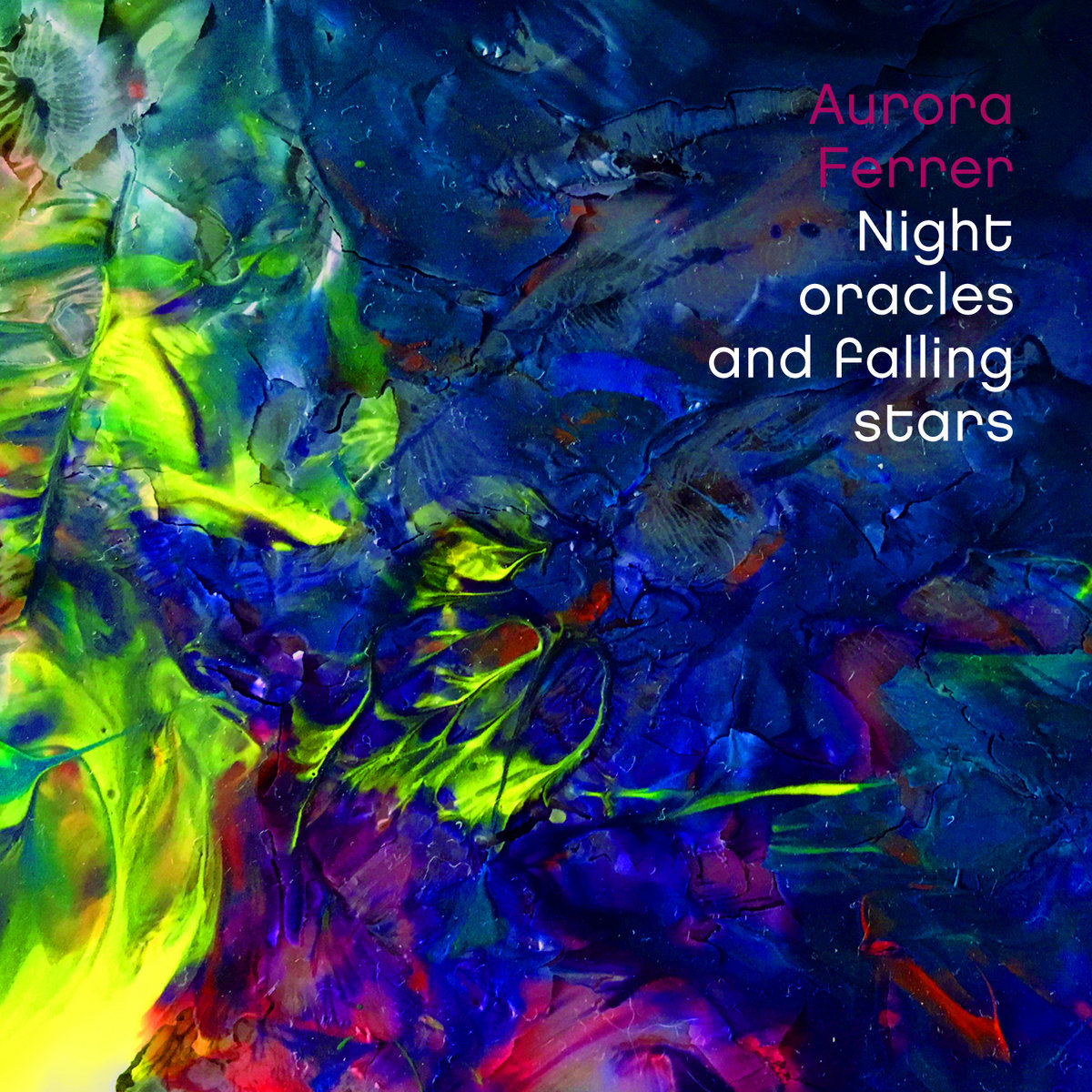
afArtist: Aurora Ferrer | Album: Night Oracles and Falling Stars | Genre: Art rock, Electronic rock | Bandcamp

This album, while not strictly prog, is evocative of many prog and prog-related acts. The pulsing electronics are usually krautrock-y in nature, and the overall atmosphere is akin to acts like Kate Bush, Peter Gabriel, and Pure Reason Revolution. The compositions are dense, creative, and driving. Particularly praiseworthy are the varied yet cohesive textures in each composition; the album has a distinct feel to it, but no two songs are quite alike.

Score: 80/100 Continue reading “Odds & Ends – June 22, 2020”

Odds & Ends – May 18, 2020

chBand: Cheer-Accident | Album: Chicago XX | Genre: Avant-pop, Prog-pop | Bandcamp
One moment this album is brimming with squirmy, atonal synthesizers with eerie vocal arrangements, and the next it’s mellow, artful pop rock. Despite hailing from Chicago, there’s a very British sense of weirdness to Cheer-Accident’s work, most comparable to the inimitable Cardiacs. Strains of post-punk and folk merge seamlessly with progressive and pop rock to create something truly distinctive.

Score: 76/100

daiBand: Dai Kaht | Album: Dai Kaht II | Genre: Zeuhl | Bandcamp
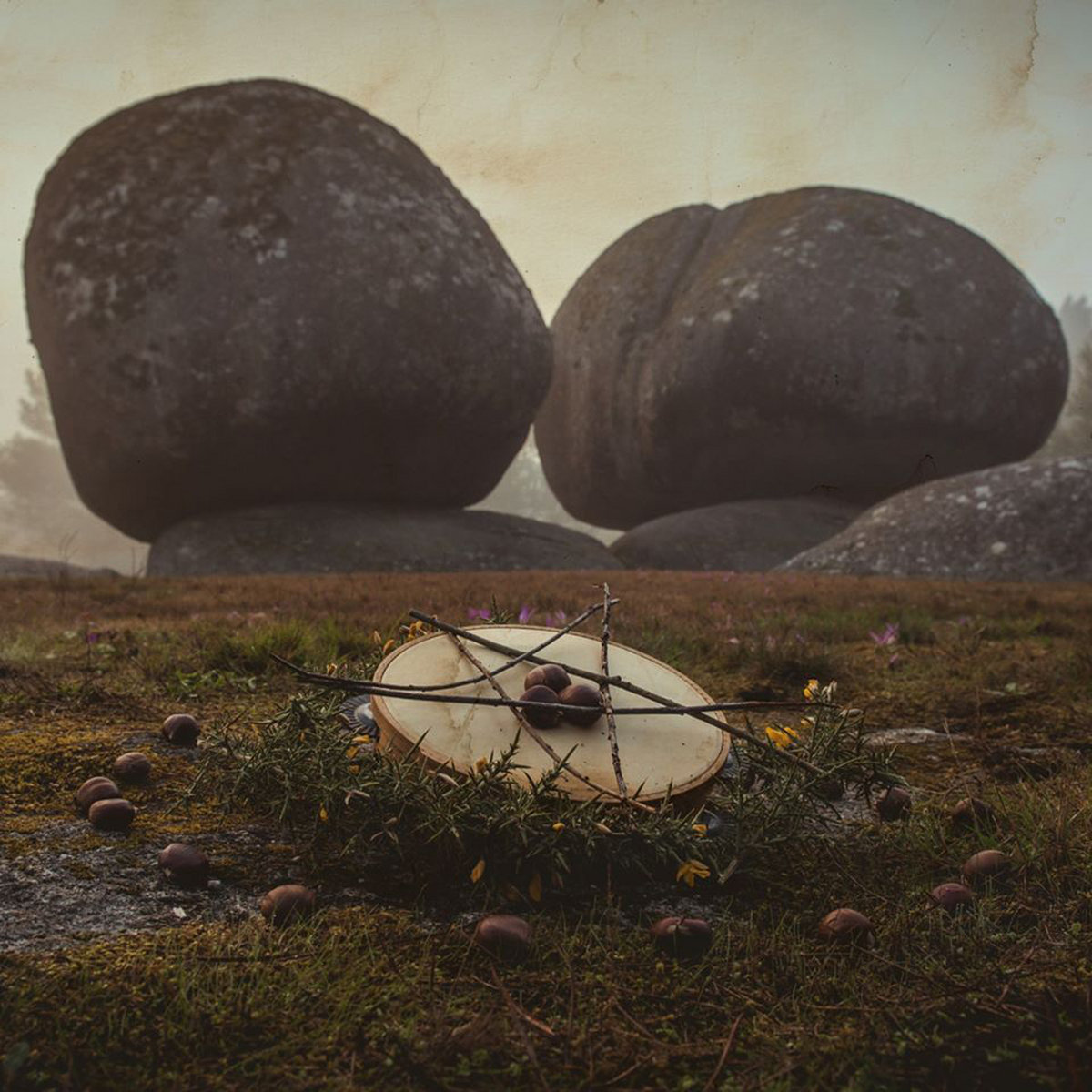
I like Magma a lot. They’re one of my favorite bands, and I’m positive I’ll eventually do a Deep Dive entry on them. However, their shadow is nearly inescapable in the world of zeuhl (outside Japan, at least). Dai Kaht are a Finnish act who draw a huge amount of influence from Magma. Their sound is more guitar-centric than Magma ever were. On a technical level, the musicianship and compositions are complex. For all its oddness, it’s surprisingly catchy, and it is somewhat unusual for a zeuhl act to have guitar as its main instrument. But in the end, this release mostly sounds like an updated version of Attahk. If you like zeuhl, give it a listen, but don’t expect anything groundbreaking.

Score: 73/100

Edit: My opinion on this has improved a lot. Please see my Best of 2020 for my updated thoughts.
Continue reading “Odds & Ends – May 18, 2020”

Album Review: Moura – Moura

mouraBand: Moura | Album: Moura | Genre: Progressive rock, Psychedelic rock, Galician folk | Year: 2020

From: A Coruña, Spain | Label: Spinda Records

For fans of: Pink Floyd (pre-1973), Magma, Van der Graaf Generator

Buy: Bandcamp | Amazon

Near the end of last year, I reviewed the debut album of the band Híbrido. In that review, I praised the label Spinda Records for giving underground prog and psych in Spain a platform. Not long after I published that review, someone from the label reached out and told me to keep my eyes on Moura, a band from Galicia.

Moura’s self-titled debut record is a tour de force of psychedelic progressive rock. This quintet blends the dark psychedelia of Pink Floyd (c. 1968-1970), the compositional and instrumental complexity of acts like Yes and Van der Graaf Generator, and the native, Celtic folk of their native Galicia. This confluence is then draped in a druidic, occult atmosphere that in turn creates a menacing aura. (Galicia is a region in northwestern Spain which historically was populated by Celtic peoples and today retains significant Celtic influence in the local culture, particularly the music.) Continue reading “Album Review: Moura – Moura”

Album Review: Orange Clocks – Metamorphic

a1493795830_10

Band: Orange Clocks | Album: Metamorphic | Genre: Space rock, Psychedelic rock | Year: 2020

From: Rushden, UK | Label: Bad Elephant Music

For fans of: Pink Floyd, Hawkwind, Ozric Tentacles, Elder

Buy: Bandcamp | Apple Music

It’s often interesting to see acts evolve across successive albums. Even within the realm “progressive” genres, some bands don’t change their sound very much. Meanwhile, others engage in wild genre-hopping on the regular. More often, you find something like you do with Orange Clocks. Their 20-song 2017 debut album was chock-full of narration and brief interludes. The music was also somewhat unfocused, drawing heavily both from early Pink Floyd and the broader world of funk.

Metamorphic, the band’s second studio album, alleviates many of the issues of their debut. The sound is more consistent, and the distracting narration is gone, giving their sophomore release a more mature feel. The presence of stoner/desert rock is considerably more pronounced as well, and elements of krautrock and drone have begun to be worked in. Continue reading “Album Review: Orange Clocks – Metamorphic”

Album Review: Perséide – Parmi les arbres

perseideBand: Perséide | Album: Parmi les arbres | Genre: Psychedelic rock, Progressive rock | Year: 2019

From: Trois Rivières, Canada | Label: Independent

For fans of: The Moody Blues, Yes, Ange, early Pink Floyd

Buy: Bandcamp | Apple Music

Much of the non-metal featured on this site has its roots planted firmly in the years of 1971-73. That fact is neither inherently good nor inherently bad, but it does lead to the prevalence of certain tropes and trends. Perséide’s roots extend a few years further back. Instead of harkening to prog giants like Genesis or Yes, their music stems most obviously from late ‘60s psychedelia and proto-prog, a la The Pretty Things or The United States of America.

This Quebecois quintet is not wrapped entirely in the past, though. On Parmi les arbres (Among the Trees), modern touches of indie rock are present. These influences make the music feel like a vibrant descendent of ‘60s psychedelia, rather than a rehash. Continue reading “Album Review: Perséide – Parmi les arbres”

Odds & Ends – December 2, 2019

TEE odds and ends logo

legendryBand: Legendry | Album: The Wizard and the Tower Keep | Genre: Power metal, Progressive rock | Bandcamp

For all the hackneyed, cliché, sword-and-sorcery heavy metal imagery Pittsburgh’s Legendry evoke in their artwork and lyrics, the music is ambitious and inventive while remaining surprisingly accessible. They walk a fine line straddling traditional metal, power metal, and progressive rock with their speedy riffs, dramatic vocals, and soaring solos. The Hammond organ adds a distinct character that helps Legendry stand out from other traditional metal acts.

Score: 84/100 Continue reading “Odds & Ends – December 2, 2019”

Deep Dive: Porcupine Tree & Steven Wilson

pt deep diveWelcome to the third installment of Deep Dive, where I take an in-depth look at the studio discographies of some of the giants of progressive rock and progressive metal.

For those who don’t feel like reading this massive entry, I’ve included a TL;DR and ranking of albums at the end. I’m opting to explore albums chronologically, as opposed to a ranked-list format. The context in which albums were made is important, and this is an element often missed in a ranked list.

My first two entries in this series focused on some of the giants of progressive rock’s 1970s heyday. For this entry, I wanted to focus on something heavier, which means someone more modern. After weighing a few options and starting Deep Dive entries on a couple other artists, I settled on Porcupine Tree and Steven Wilson.

Porcupine Tree covered a wide style of music until their disbandment in 2010, ranging from space rock to art pop to progressive metal. Wilson has maintained that experimental spirit in his solo career, covering similar ground across his five solo albums. The early-21st Century progressive rock renaissance we’re currently enjoying may not have happened at all, had it not been for the wide success of Porcupine Tree, which opened the door for many, many other acts.

As a disclaimer, this essay does not cover all of Steven Wilson’s myriad musical projects. The man is too prolific for me to reasonably address all those projects in this one essay. I am solely focusing on Porcupine Tree and his solo material. No-Man and Bass Communion don’t fit this site’s purview; and while Blackfield and Storm Corrosion may fall under the margins of progressive rock, I simply don’t like their output and would not enjoy reviewing them in-depth. I also do not plan to discuss his remastering work on classic prog albums. I do highly recommend his King Crimson remasters, though I’d avoid his work on Too Old to Rock n Roll: Too Young to Die!, as mentioned in my Jethro Tull Deep Dive. Continue reading “Deep Dive: Porcupine Tree & Steven Wilson”