It’s time for The Elite Extremophile’s Top 50 Prog Albums of 2024! This is the first half of the list, and you can find the second half here.
As a reminder, the music on this list covers December 2023 to November 2024. I spend much of December compiling and editing this list, so I push releases from that month into the following year’s list.
This is also a one-man operation, in regard to reviewing. (Many thanks to my proofreaders/editors, Kelci and Dan.) I’m sure there’s plenty of great music out there I simply didn’t get to. I’ve also got my own biases against certain styles and trends.
2024 wound up being an alright year for the sort of stuff I cover here. It felt like it started off somewhat slow, but in the end, it wasn’t too challenging for me to find 50 records worthy of being highlighted.
Band: Anarchÿ | Album:Xenötech and the Cosmic Anarchÿ | Genre: Progressive thrash metal | Bandcamp
Anarchÿ’s third full-length release sees this St. Louis-based thrash duo both stay in their usual niche and also push some sonic boundaries. Verbose sci-fi storytelling, blazing guitar lines, and more umlauts than any reasonable person would ever use all abound here. Synth pads do a great job at adding richness and lushness to the music, and the occasional acoustic interlude helps to keep this record varied and interesting. There is even a splash of sitar for some truly unexpected sonic variance.
Score: 83/100
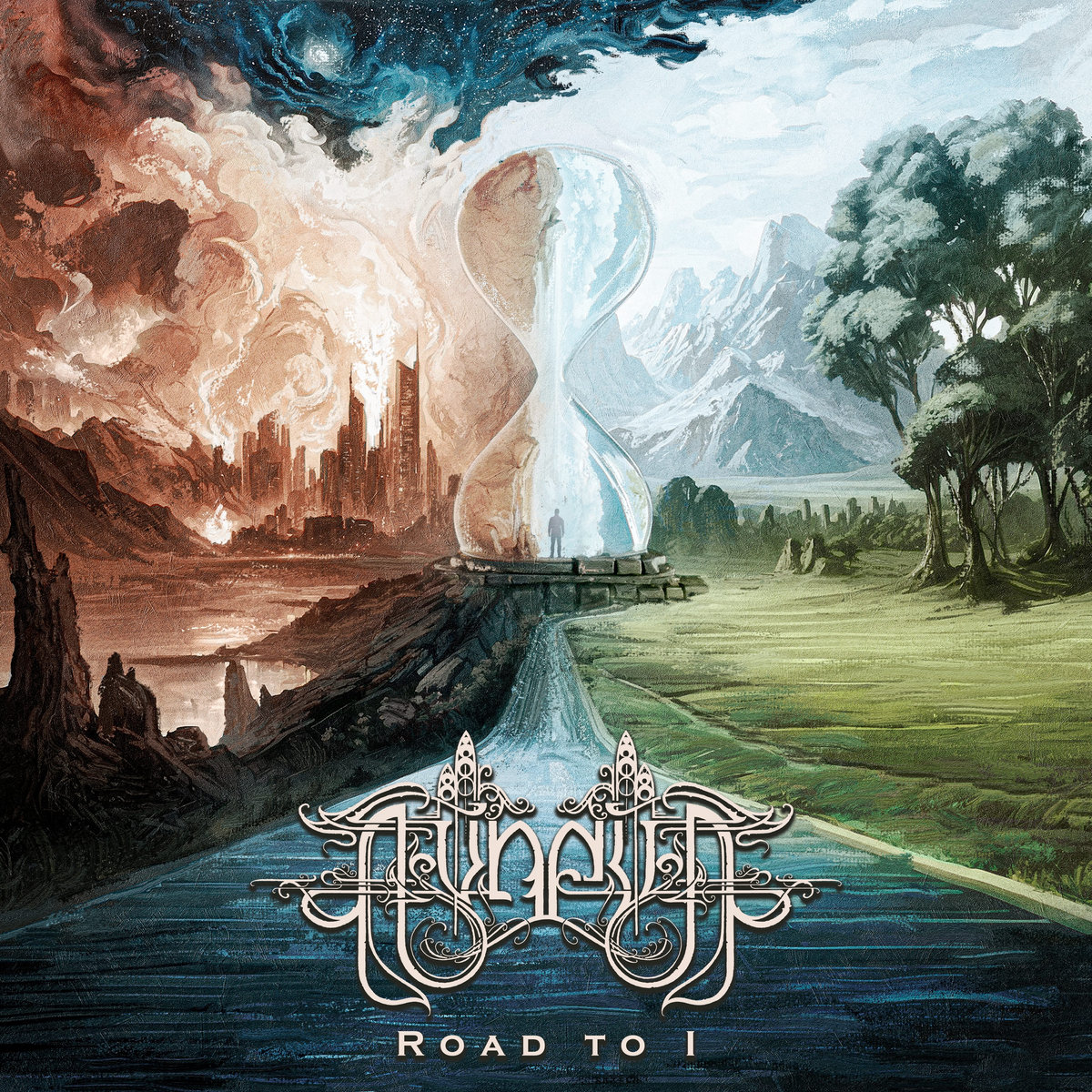
Band: Avneya | Album:Road to I | Genre: Progressive death metal | Bandcamp
Avneya’s debut record is a great example of progressive death metal. There’s a strong focus on contrasts between delicate, melodic passages and moments of crushing heaviness. Dashes of strings here and there add some nice contrast, and folk motifs from the band’s native Israel also add to this record’s distinctiveness.
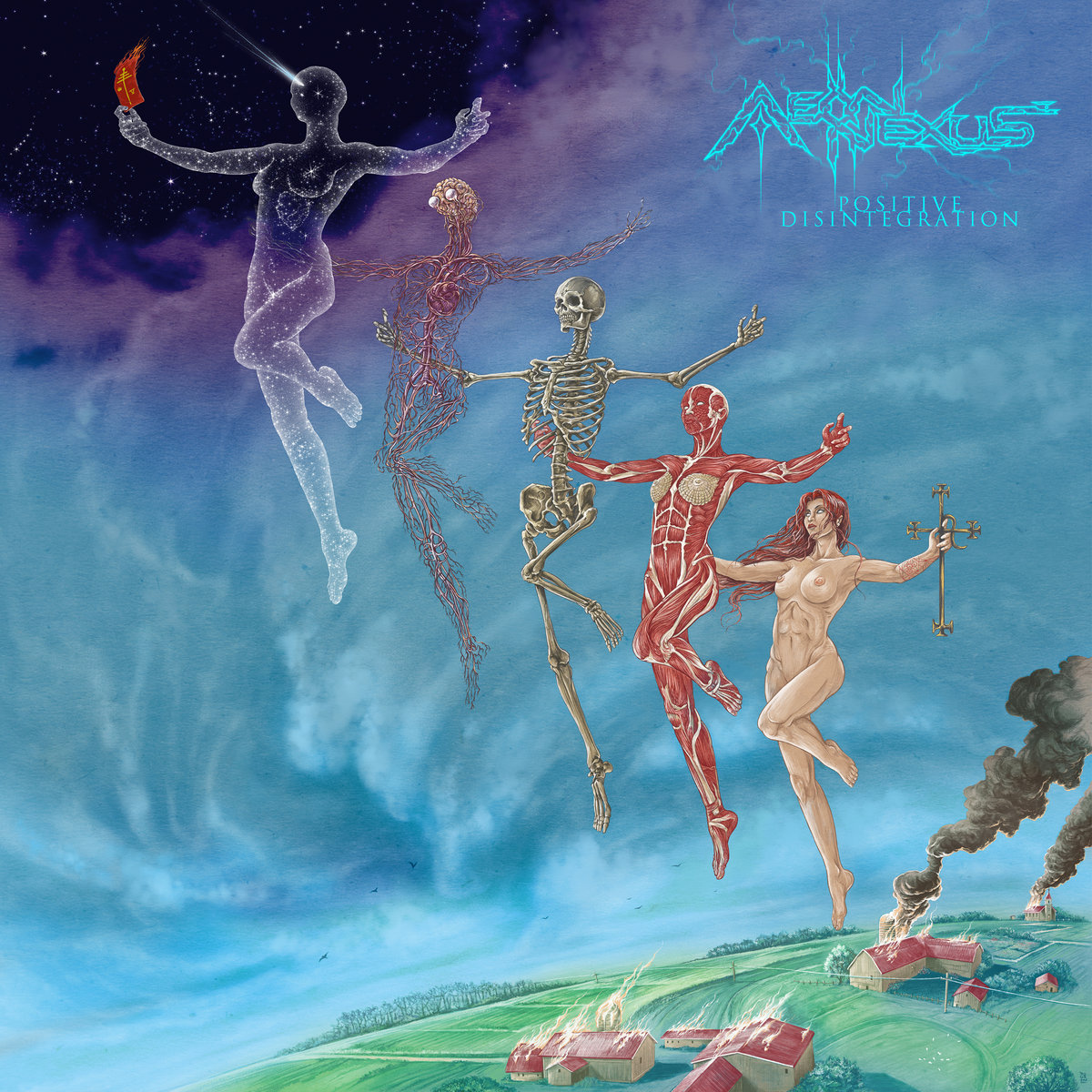
Aeon Nexus’s debut EP is a fun, to-the-point bit of progressive death(-ish) metal. Their vocalist displays impressive range, belting out powerful clean vocals and coarse gutturals. This reminds me of certain early prog-death bands, like Atheist, Cynic, or Death, as well as a more recent crop of artists who strive to evoke this sound. Piano adds a lot of textural depth and richness, which really helps this band stand out from their peers.
The newest release from this Danish act is a warbling, wobbling melange of influences drawn from across the spectrum of forward-thinking rock music. Squealing saxophones and mad, buzzing guitars cultivate uneasy moods that can shift on a dime. One moment, there’s a maelstrom of reeds and clattering drums, and the next, things have moved in a more spaced-out and contemplative direction. The closing “Alting Sammen” features some nice electronic touches, too.
Band: Å | Album:Åtråvärld | Genre: Progressive rock, Folk rock | Bandcamp
The latest release from this Swedish act sounds almost as if late ‘70s Jethro Tull were from Scandinavia. It’s lightly-crunchy progressive folk rock with a healthy dose of flute. The mood here is a little hazier and more psychedelic than anything Tull ever did. Jazz elements are apparent, too, and this whole record has a wonderfully laid-back feel to it. This is very much music for walking through the woods. But, y’know, proggy.
This lovely little EP does an incredible job blending the smooth sounds of 1980s Japanese jazz with biting, acidic guitar tones and progressive songwriting. The three songs presented here provide a wonderful mix of sounds and moods, and the closing epic “Traveling Sleepers” is especially emotive and powerful.
Opeth is a band that really needs no introduction, so I’ll try to keep this brief. They’re one of the giants of progressive metal with some of the best albums ever in that genre. Their run from 1996-2008 is nigh unimpeachable.
But ever since Mikael Åkerfeldt decided to move the band away from metal with their 2011 record Heritage, I’ve been less taken with their music. None of the albums since then have been bad, but they’ve all just kinda lacked that ineffable spark that makes a truly great record. It’s been a lot of decent, fairly heavy retro-prog, but Opeth doesn’t really stand out from the field in that particular style. There’s even a difference between their recent stretch of records and 2003’s Damnation, their first foray into non-metal. Damnation feels much more like classic Opeth than, say, Sorceress. Damnation’s contemplative folkiness suits Mikael’s voice and songwriting better than his recent attempts at drawing from acts like Uriah Heep and Jethro Tull (or at least Tull’s heavier stuff).
The Last Will and Testament, Opeth’s fourteenth full-length album, sees the band return to something closer to their classic mid-aughts sound, making this their strongest release in a while. The album tells the story of a wealthy family and their sordid secrets in the form of the reading of the recently-passed patriarch’s will. Seven of the eight songs on this record are titled “§1-7”.
Blood Incantation has been a bit all over the place on their last few releases. Now, that’s not necessarily a bad thing, mind you. 2019’s Hidden History of the Human Race is both brutal and intelligent. It features nasty, complex riffs alongside brief interludes of Floydian atmospherics. Their last two releases, though, have seen them go in a much more explicitly astral direction. 2022’s Timewave Zero was fully electronic and honestly not really my jam. If you’re more into Tangerine Dream than I am, it might be for you. Then last year, they released the EP Luminescent Bridge. One of the two songs on it was a fantastic synthesis of their usual death metal alongside more cosmic space rock and classic prog. The title track, though, is simply too ambient for my taste.
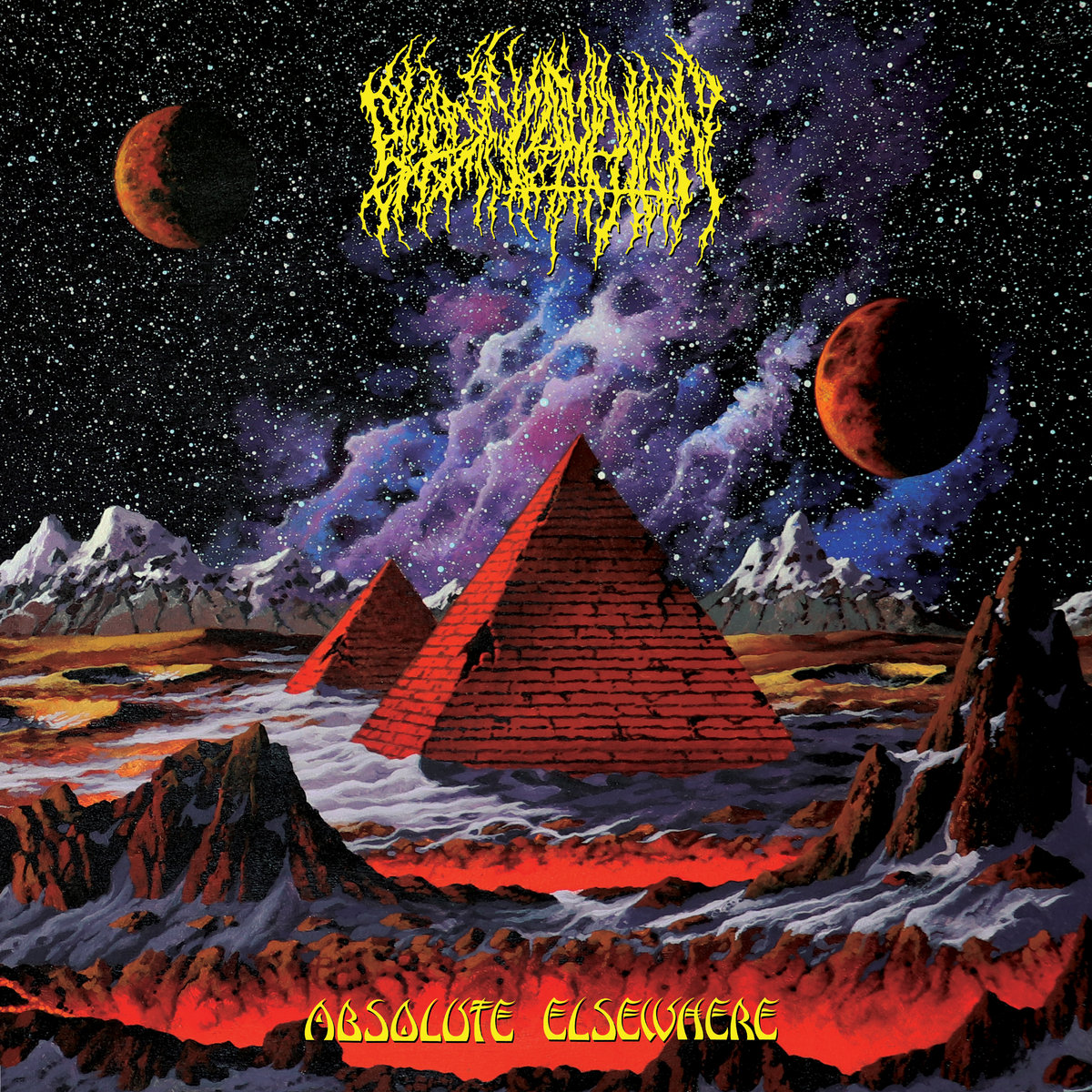
Their new LP, Absolute Elsewhere, sees the band expand upon the ideas put forth in “Obliquity of the Ecliptic”, off Luminescent Bridge. Death metal and intergalactic progressive rock both feature prominently, and the band strikes a great balance. (Though, like so many other metal bands that decide to incorporate non-metal elements into their music, they go on about “leaving the notion of genre behind” on their Bandcamp page. And I’m just not nuts about that sort of framing. Blood Incantation didn’t leave “genre” behind. They’re just playing two genres on this album, instead of one.)
Like their last EP and the ambient LP before it, this record consists of just two long compositions: “The Stargate” and “The Message”. Each of these pieces is split up into three parts, called “tablets.”
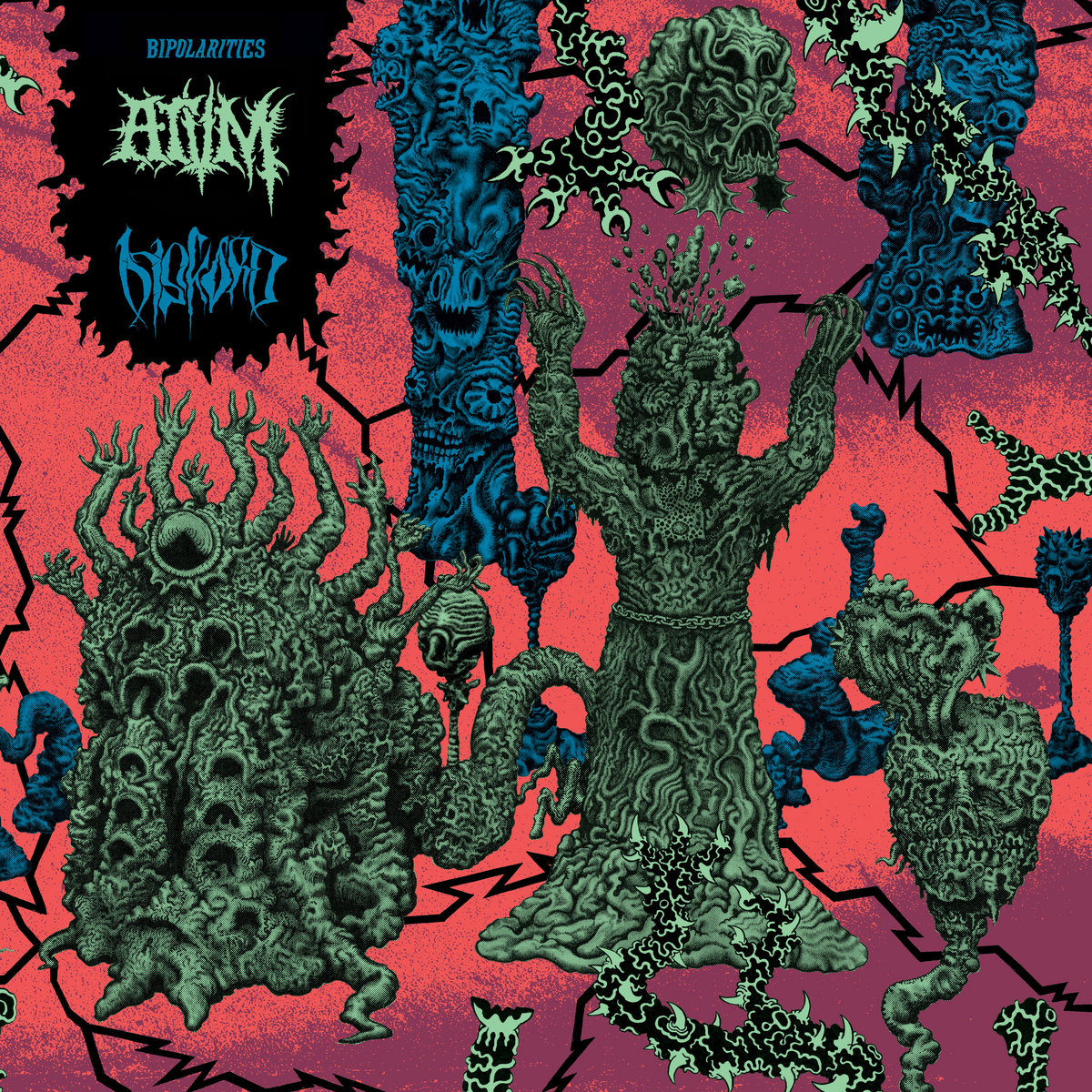
I’ve covered at least two split records on here before, both from Ripple Music. (There have been a couple others I’ve considered, but I’m not sure I’ve actually written about them.) One is the stellar stoner/post-/prog metal collaboration between Howling Giant and Sergeant Thunderhoof. And the other is a study in contrasts with Wizzerd and Merlin taking opposing spins on stoner metal and heavy psych. Bipolarities is more in line with the former, as both Diskord and Atvm play complex, tangled varieties of death metal.
Diskord hails from Norway, and they’ve been around for a while. They’re not the most prolific band out there, but they’ve got three solid albums of tech-death under their belt. Atvm, meanwhile, is a newer band whose debut record I absolutely loved.
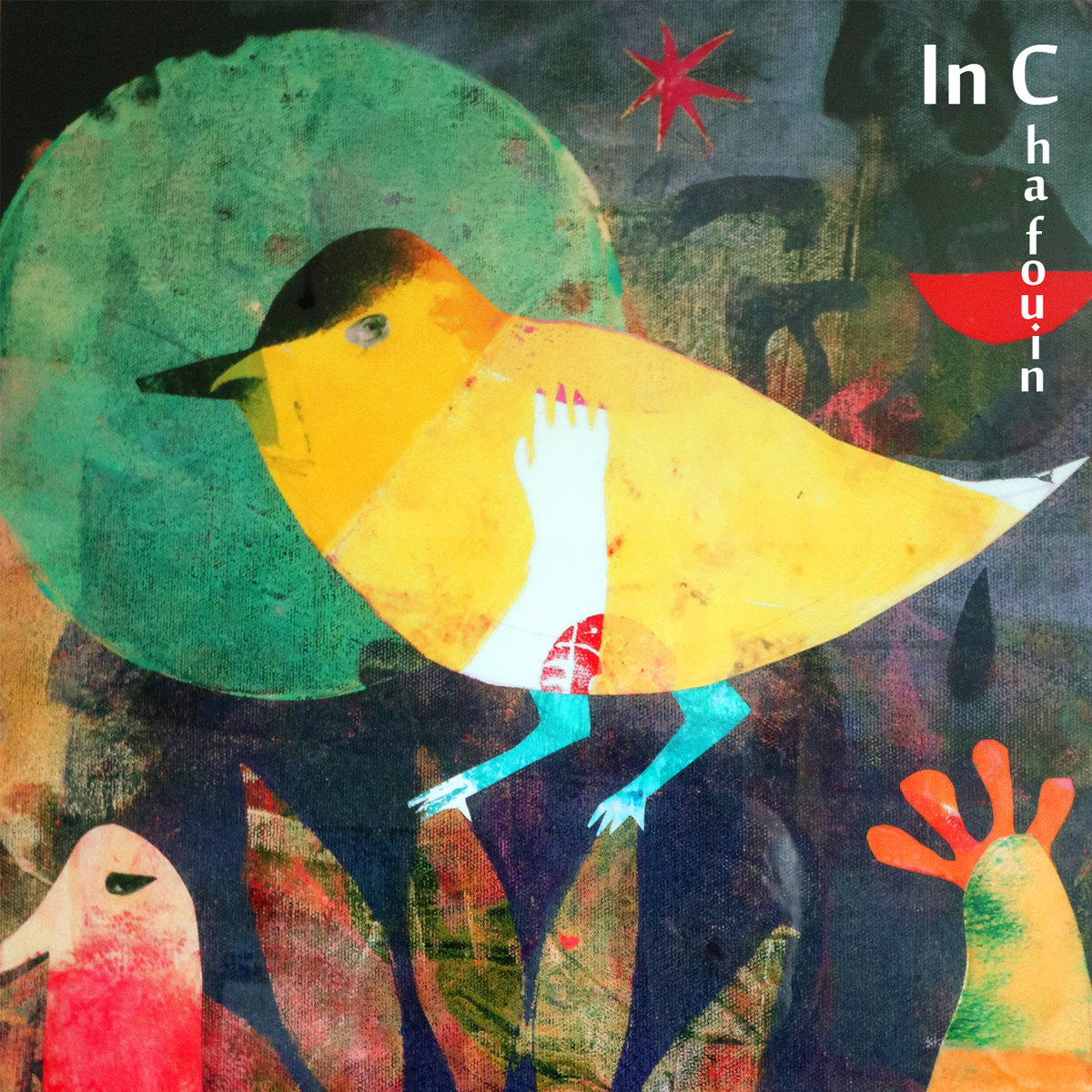
Band: Chafouin | Album:In C | Genre: Minimalism, Krautrock, Math rock | Bandcamp
For their latest release, Chafouin tackle minimalist composer Terry Riley’s 1968 work, In C. This work has been covered by a number of other rock bands, most notably Acid Mothers Temple. The music has a tense, anxious feel to it, and the ritualistic repetition calls to mind other proggy subgenres, like krautrock and zeuhl. King Crimson’s work on THRAK also bears similarities, with the jagged, hypnotic, interlocking guitar lines.
Score: 79/100
Artist: Clarissa Connelly | Album:World of Work | Genre: Progressive folk, Experimental pop | Bandcamp
Before addressing the music, let me just compliment this album cover. I love that goofy, devious-looking piano. The music on World of Work is piano-forward, and Connelly’s voice is distinctive and emotive. Arrangements are minimal but inventive, and the vocal arrangements are intricate and charming. Things are rather sonically similar song-to-song, so it can kinda bleed together into a bit of a mush by the end of the album. I still like it overall, but a bit more variation would’ve been nice.
Band: Burnt Log | Album:Time Is a Heron Waiting for Prey | Genre: Progressive rock, Dream pop | Bandcamp
Burnt Log is a one-man project based out of Scotland. The songs skillfully combine intelligent, progressive song structures with floating, dreamy atmospheres. Melodies are smart but accessible, and there’s a vague sense of nostalgia to much of the music here. Touches of post-punk, new wave, and even post-rock crop up here and there. Some passages are perhaps a bit too dream-poppy for my taste, but this is still an overall solid and interesting release.
Score: 72/100
Band: FILESHAREMAIDEN | Album:Veuve | Genre: Progressive metal, Technical death metal | Bandcamp
The first full-length release from Quebecois death metallers File Share Maiden is a swirling, tangled thicket of finger-twisting riffs, guttural vocals, and even moments of surprising lightness. There are many exciting, fun passages that demonstrate both technical skills and songwriting smarts. However, this band also falls victim to the common excesses of other tech-death acts. Many songs are longer than they need to be, and a number of cuts border on purposelessness. That said, there’s still plenty of great material here.
Barely a month ago, I commented on how infrequently New Zealand shows up on this site. (Indeed, that was the first time I had featured any Kiwis here in three-and-a-half years.) And now here I am, covering (what is most likely) that country’s most respected metal band!
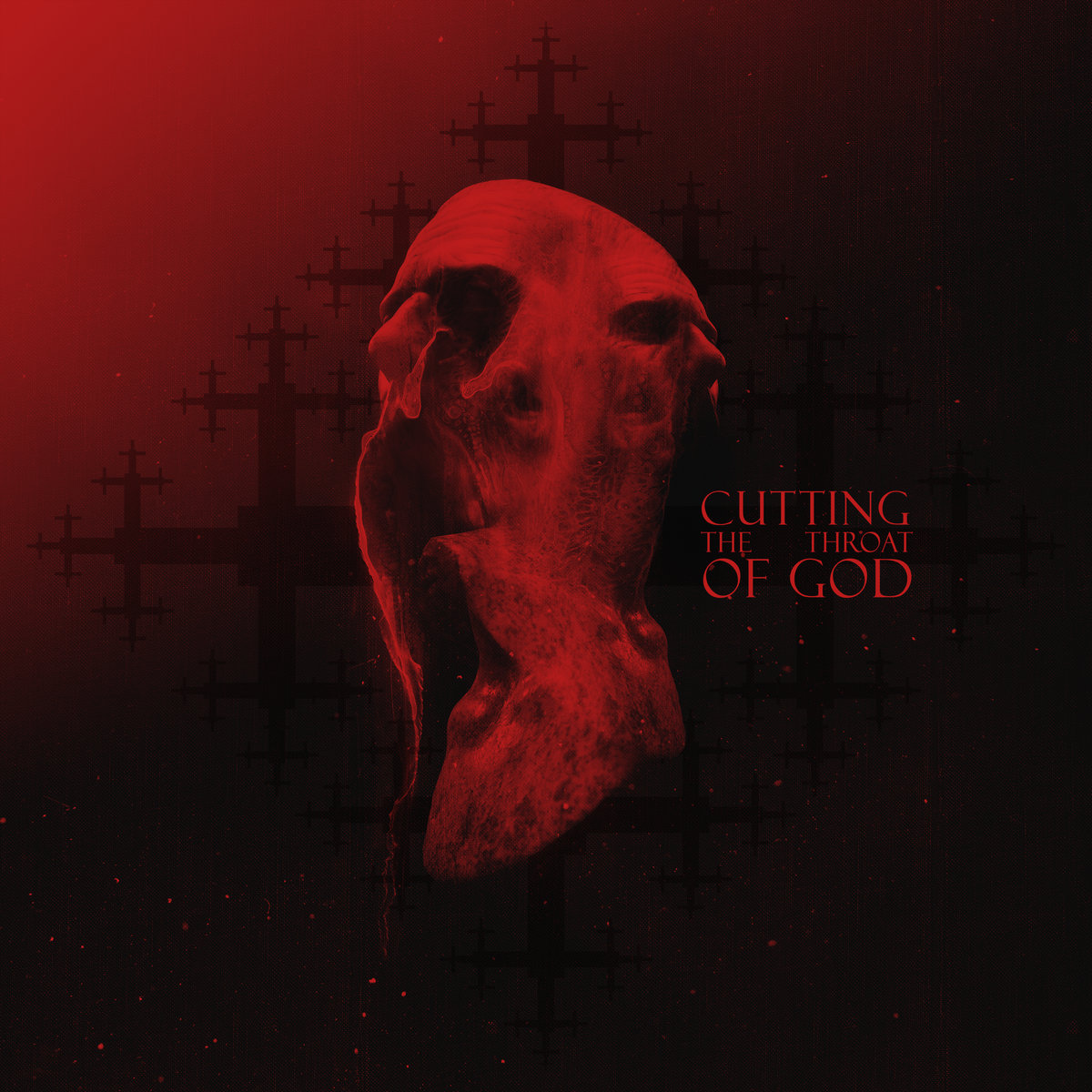
I covered Ulcerate’s last album, 2020’s Stare into Death and Be Still, and I liked it. I didn’t revere it quite as much as many others, but it’s a solid album overall. My thoughts on it haven’t moved much since my original review. This trio’s new release though, Cutting the Throat of God, takes the thundering, intelligent death metal of their last album and further refines it into something spectacular.








 The Elite Extremophile