Odds & Ends: November 4, 2024

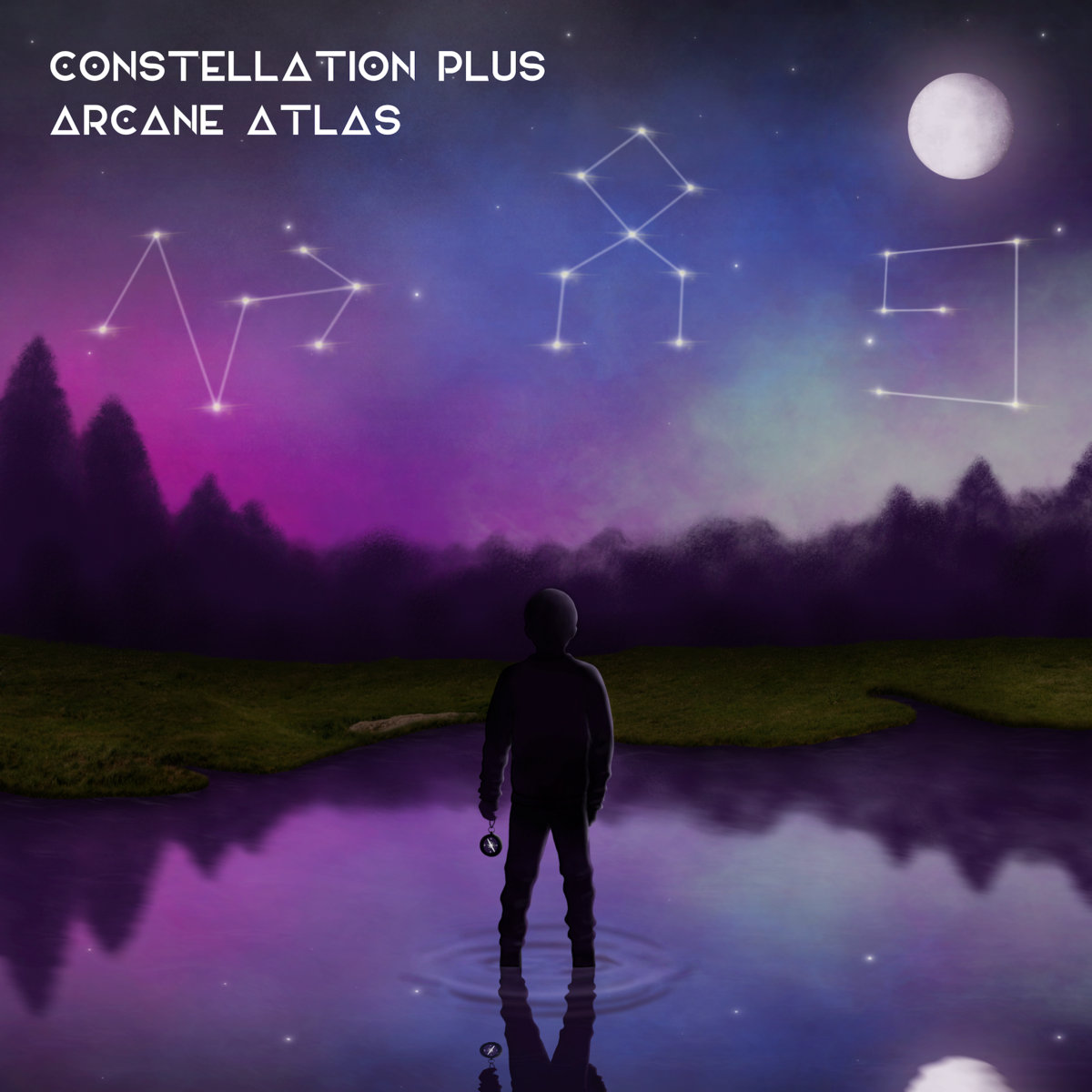
Band: Arcane Atlas | Album: Constellation Plus | Genre: Progressive rock, Art rock | Bandcamp

Arcane Atlas plays a relatively light and relaxing variety of prog. Expansive atmospheres and lush textures have a calming effect, and there are some really enchanting passages here. ‘90s Rush and ‘90s Yes are the most obvious influences to my ear. This album’s instrumental moments are its best. This duo does a great job at establishing a mood and toying around with drama. Not everything here is a winner (“Sample”, in particular, was a tough listen for me), but this band’s occasional veers into soft rock are forgivable in the end. If you’re looking for something intelligent but soothing, Constellation Plus is a good choice.

Score: 76/100
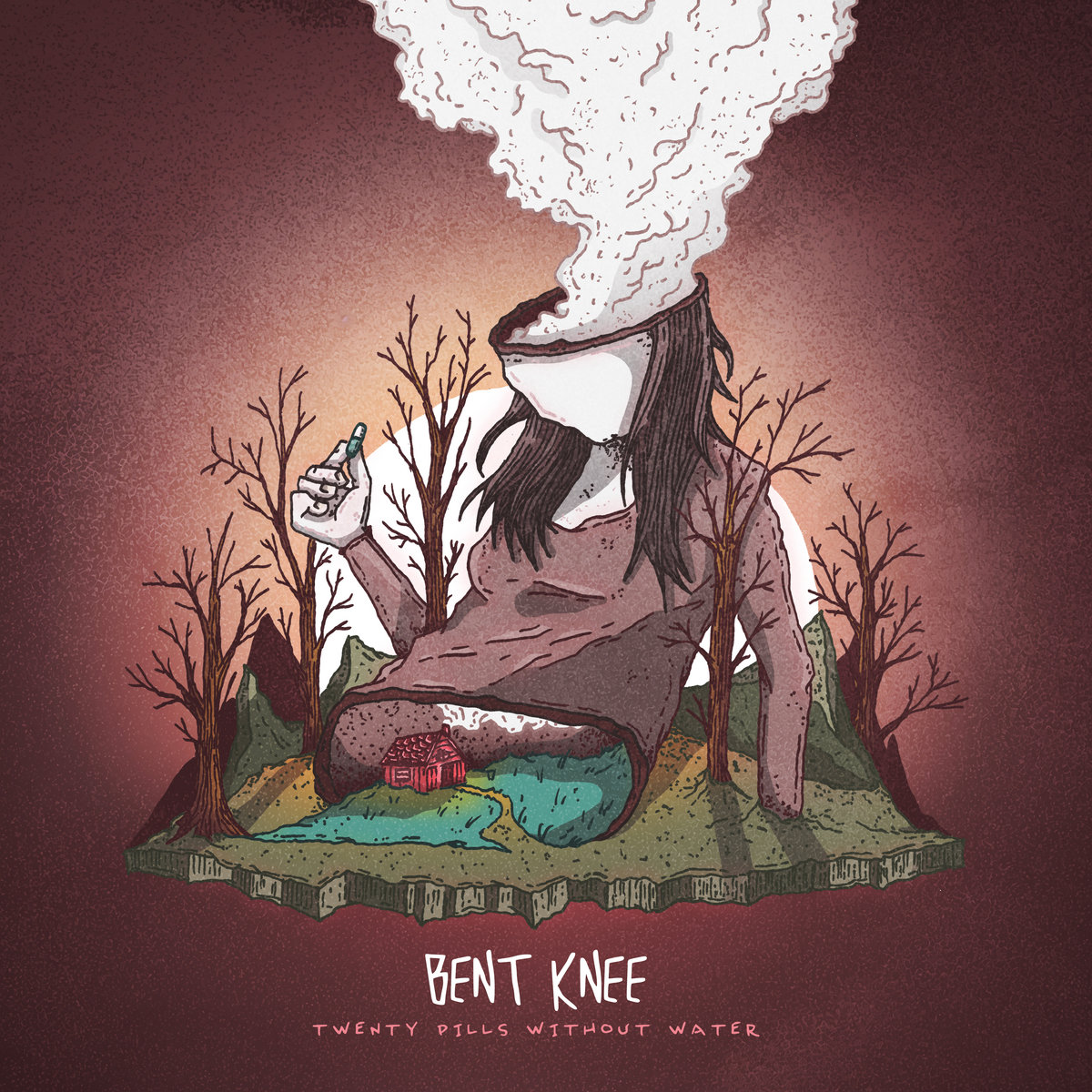
Band: Bent Knee | Album: Twenty Pills Without Water | Genre: Art rock | Bandcamp

This is a welcome return to form for Bent Knee after their unimpressive last outing. Smart pop hooks are mixed in amidst creative and surprising arrangements. The textures are lush, and the vocals are strong, as usual. Parts of this record can veer into less-distinctive sorta-art-poppy-type stuff every now and then, but overall, Bent Knee does a great job at weaving together accessible and inventive elements.

Score: 79/100

Continue reading “Odds & Ends: November 4, 2024” →

Lesser-Known Gem: T2 – It’ll All Work Out in Boomland

Band: T2 | Album: It’ll All Work Out in Boomland | Genre: Progressive rock, Hard rock | Year: 1970

From: London, UK | Label: Decca

For fans of: Cream, early King Crimson, Jimi Hendrix, Rush

Listen

As I mentioned in a recent review, I’ve been on something of an avant-prog kick, almost by accident. In the last month or so, the most exceptionally and intentionally weird things have leapt out the most to me. In turn, this oversaturation of weirdness is starting to cause a bit of avant-burnout on my end. I feel like I need a palate cleanser. So, instead of scouring through Bandcamp in the hopes of finding something new and wonderful to cover, I’ve dipped back into my (very) occasional series, Lesser-Known Gems. As far as potential candidates for this series go, T2’s debut album, It’ll All Work Out in Boomland, is probably the best-known that I’ll cover. I recently compiled a list of around forty potential LKG subjects, and this album has, by far, the most reviews and ratings on Rate Your Music of anything on that list.

It’ll All Work Out in Boomland may be the framing device I’ll use for this column, but you can almost think of this as a mini-Deep Dive (Shallow Dive?). Boomland will be the primary focus, but I’ll also write to some extent about the archival release, T.2., and their three albums they put out in the 1990s.

T2 was founded in 1970 and led by drummer-vocalist Pete Dunton. Dunton had been a member of a few psychedelic bands prior to this, including Please, Neon Pearl, and Gun (another future LKG candidate). Joining Dunton in T2 were Neon Pearl bassist Bernie Jinks and guitarist-keyboardist Keith Cross (who was only 17 at the time), whom Jinks knew from another band he was in, Bulldog Breed.

This trio captured lightning in a bottle on what was for many years their only release. They took the hard-charging, blues-influenced hard rock of acts like Cream and The Jimi Hendrix Experience and blended it with forward-thinking jazz, folk, and experimental flavors. This is one of those pieces of music where human language feels especially inadequate for describing it, but I’ll do my best. Seriously, just go listen to this.

Continue reading “Lesser-Known Gem: T2 – It’ll All Work Out in Boomland” →

Odds & Ends: February 4, 2024

Band: Everything Oscillating | Album: The Taboo Against Knowing Who You Are | Genre: Progressive rock | Bandcamp

Everything Oscillating is an instrumental act that focuses on flashy, technical shredding. Two of the three members are the guitarist and bassist for the Seattle-based band Moon Letters, whom I’ve covered a couple times. EO does a great job threading the needle of balancing flashy instrumental antics and engaging songwriting. The best moments here call to mind classic bombastic ‘90s and early ‘00s prog bands like Liquid Tension Experiment and Transatlantic, with a bit more of a classic heavy metal influence. Jazz and Latin flavors are included naturally, and the (abbreviated) instrumental cover of “Achilles’ Last Stand” is done well, too. (I feel like I could write a short essay on my love for the original version of that song, and EO absolutely does it justice here. It’s right up there with “Carouselambra”, “In the Light”, and “The Rain Song” among my favorite Led Zeppelin cuts. (I know, shocker, my favorite Zeppelin songs are all among the band’s longest.))

Score: 79/100

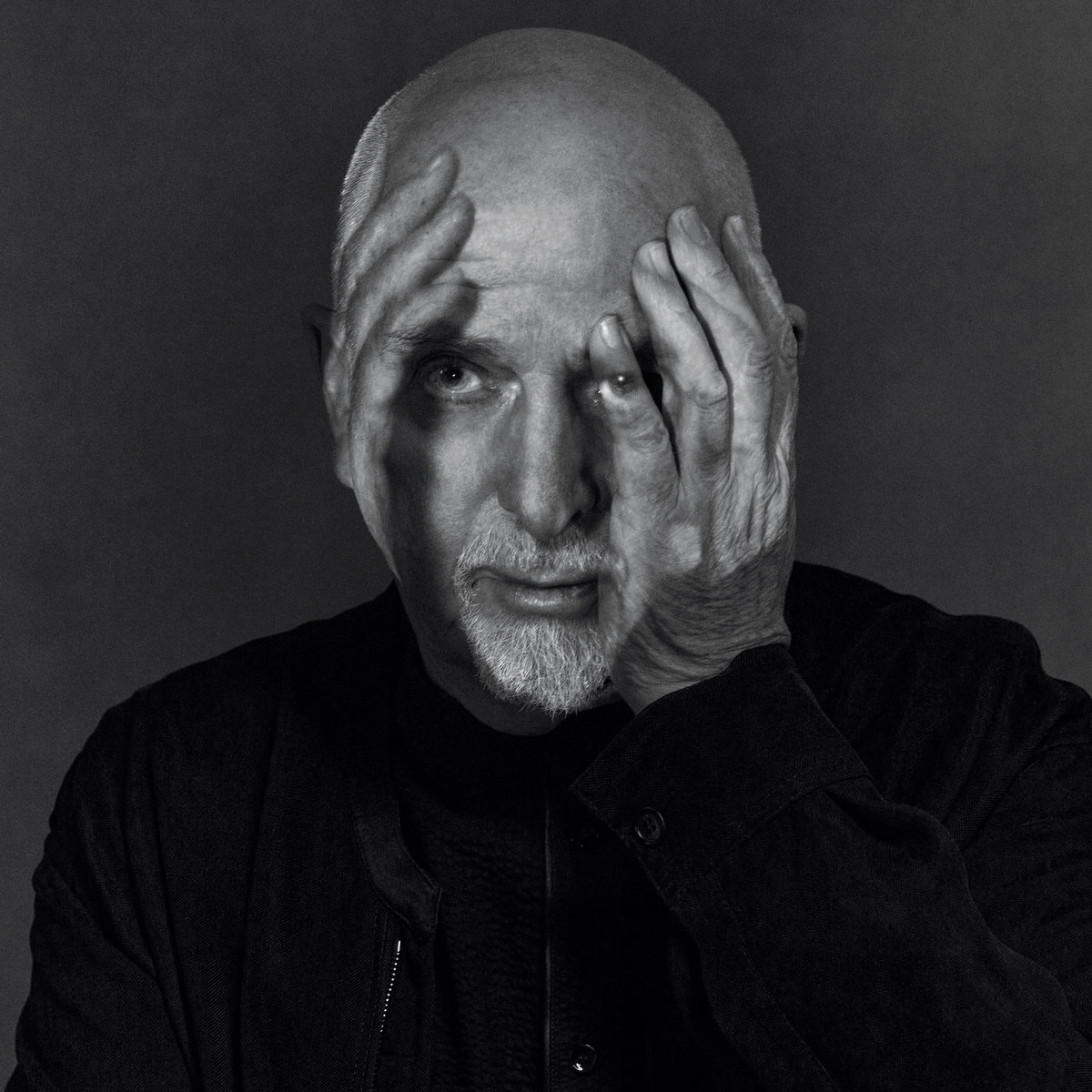
Artist: Peter Gabriel | Album: i/o | Genre: Art pop | Bandcamp

Peter Gabriel’s first new album in 20 years is enjoyable. It’s decent, fairly arty pop with some good melodies and interesting ideas. His vocal performance is strong, and the production is clean, crisp, and professional. Compositionally, though, it doesn’t stand out. Post-rock flavors weave themselves into Gabriel’s usual somewhat-spacey writing style. It’s competent but not particularly memorable. i/o comes in two different mixes: the so-called “bright-side” and “dark-side” mixes. These two mixes are not meaningfully different. Yes, if you listen to each song’s bright and dark version, you can tell them apart, but the differences between the two are insubstantial, surface-level, and borderline-gimmicky. Publications (especially prog-focused ones) that included this on their best-of 2023 lists make me question if they just reflexively put every release from major ‘70s players on their year-end lists, regardless of quality. (In fact, I know several included Yes’s abysmal The Quest on their 2021 lists, so I suppose they do.) If you want some keyboard-forward art-pop to put on in the background, i/o will work, but this album doesn’t leave a lasting impression.

Score: 63/100

Continue reading “Odds & Ends: February 4, 2024” →

Odds & Ends: July 3, 2023

Band: Chafouin | Album: Trois, quatre | Genre: Math rock, Progressive rock | Bandcamp

I liked this band’s 2021 album Toufoulcan, so I was excited when I saw they had something new coming out. Where Toufoulcan had a sense of sonic continuity between the tracks, this release feels more like a collection of unrelated (or barely-related) songs. The music itself is good, and none of the songs overstay their welcome. When taken as a whole, though, Trois, quatre feels a bit unfocused.

Score: 74/100

Band: Numidia | Album: South of the Bridge | Genre: Hard rock, Progressive rock | Bandcamp

This album was a huge disappointment. I loved this band’s Middle Eastern-tinged debut record, which expertly blended Near-Eastern flavors with prog and psych in very satisfying ways. Here though, the band has stripped away anything that makes them unique and put out a bland, bluesy hard-ish, vaguely-prog-adjacent record that often reminds me of ‘90s Pink Floyd (and not in a good way). The music isn’t bad, per se, especially if you’re looking for something evocative of certain 1970s blues rock acts, but it’s a major step down from their self-titled, in terms of both creativity and impact.

Score: 52/100

Continue reading “Odds & Ends: July 3, 2023” →

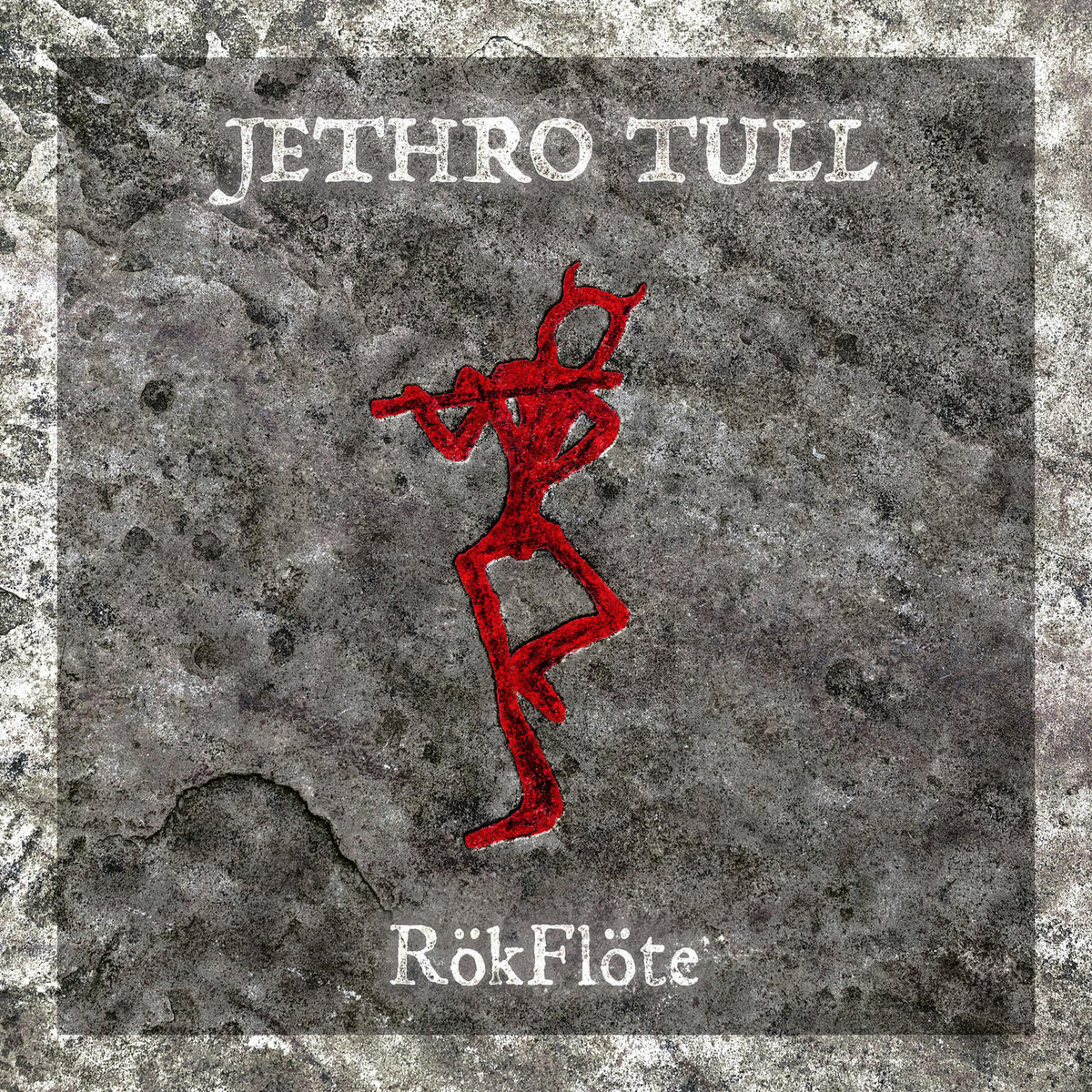
Album Review: Jethro Tull – RökFlöte

Band: Jethro Tull | Album: RökFlöte | Genre: Progressive rock, Hard rock | Year: 2023

From: Luton, UK | Label: InsideOut Music

Bandcamp

A little over a year after their unimpressive return on The Zealot Gene, Jethro Tull is back with another record, RökFlöte. For this record, Ian Anderson stated he drew inspiration from Norse mythology, and the word “Ragnarök” is where he got the idea for this album’s title. Each of the twelve songs on this album is based off a character or concept from Norse mythology.

Going into this, I did my best to keep an open mind. Yes, I’d found The Zealot Gene unnecessary, disappointing, and soulless; but Tull has bounced back from bad records before! Minstrel in the Gallery followed the unfocused hodgepodge of WarChild, and Roots to Branches came after the tepid blues rock of Catfish Rising (and their middling ‘80s hard rock). Martin Barre continues to be absent from the band, so I tried to calibrate my expectations for the guitarwork accordingly.

Continue reading “Album Review: Jethro Tull – RökFlöte” →

Odds & Ends: April 5, 2021

Band: Grorr | Album: Ddulden’s Last Flight | Genre: Progressive rock, Progressive metal | Bandcamp

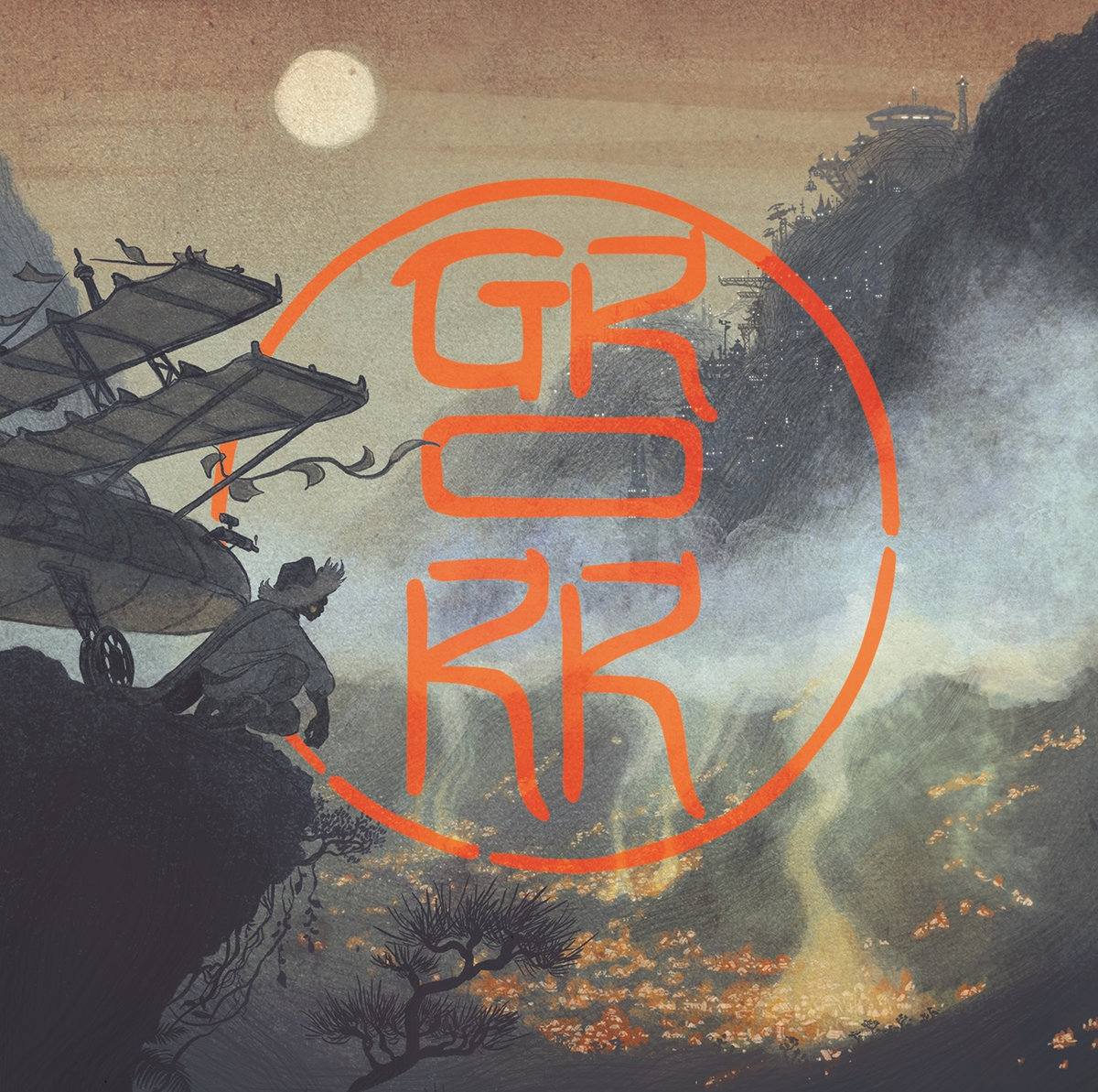
Grorr are clearly trying to conjure up vaguely “Eastern” aesthetics on this album. The band’s logo evokes Chinese seals, and the album art draws from Chinese and Japanese styles. This continues in the music, though the influences are muddled and slapdash. The opening track is mostly scene-setting, but it give the listener musical whiplash by swirling together the entire continent of Asia. It’s got throat singing (from Mongolia and southern Siberia), sitars and tablas (from the Indian subcontinent), and the melodies are stereotypically “Chinese.” (Instruments which sound like guzhengs and erhus can be heard later on the album.) Moving beyond this mish-mash, Ddulden’s Last Flight is an alright album. The metal is melodic, and there are some inventive riffs. I’m especially impressed with the textures and timbres deployed here. After a while, though, the Oriental instrumentation becomes distracting. I absolutely hated the sitar by album’s end. And that’s unfortunate because Grorr demonstrated that they’ve got a creative vision and that they’re capable of composing some strong cuts. Ultimately, this record’s overbearing and half-baked Asiatic flare is what does it in. I really wish they would have toned it down a bit, or at least shown a bit more geographic restraint.

Score: 58/100

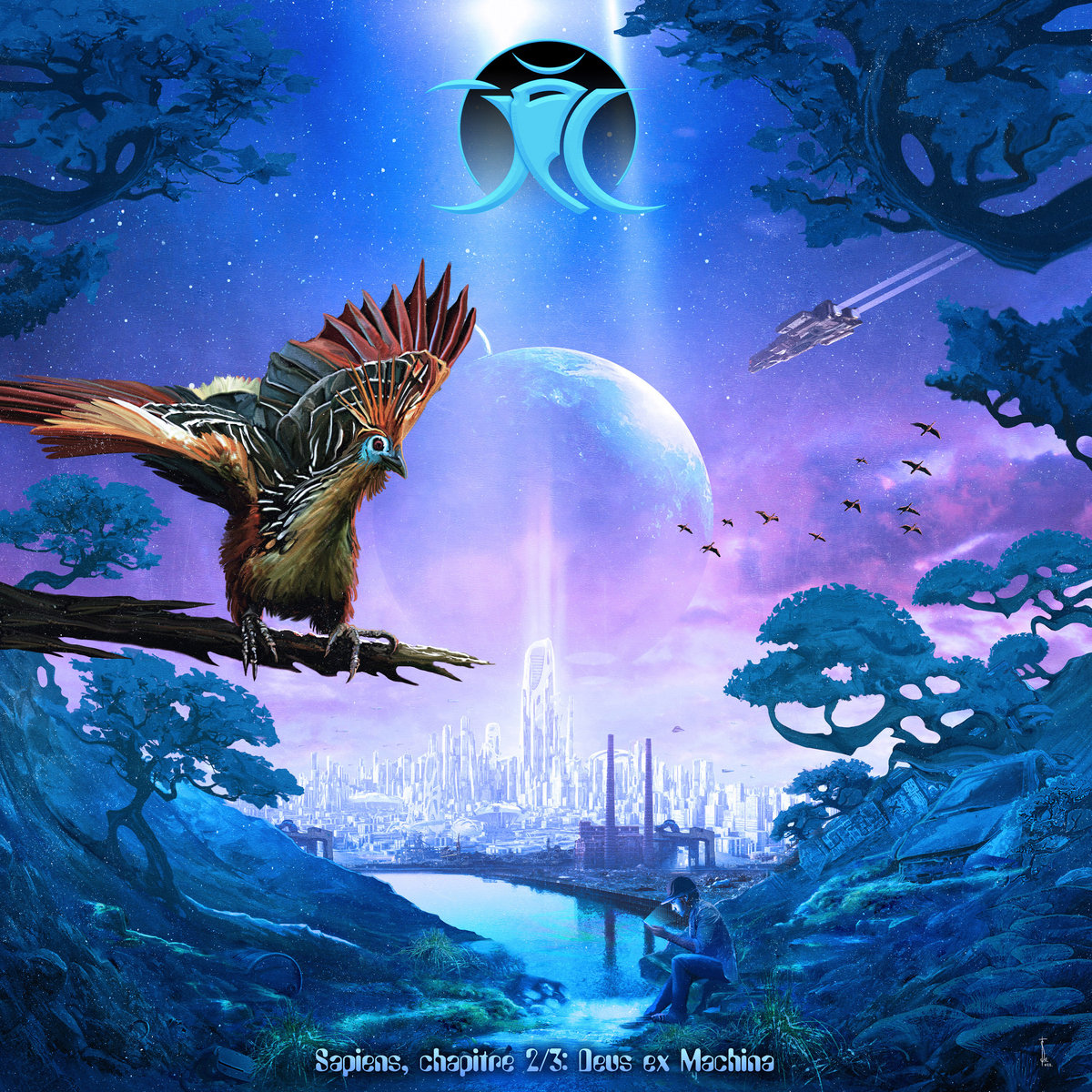
Artist: Jean Pierre Louveton (JPL) | Album: Sapiens – chaptire 2/3: Deus ex Machina | Genre: Progressive rock, Progressive metal, Jazz-fusion | Bandcamp

When I saw JPL is the leader of the band Nemo, I didn’t get my hopes up. Nemo is an alright act, but I classify them in the same group Spock’s Beard and other schlocky, overblown retro-prog acts. Thankfully, this album wound up being a pleasant surprise. Sapiens is a bit more metallic than Nemo’s usual fare, and while there’s plenty of pomp and show-off-y instrumental moments, it mostly avoids needless indulgence. Jazzy touches are present throughout, and the overall bloat is minimal.

Score: 75/100

Continue reading “Odds & Ends: April 5, 2021” →

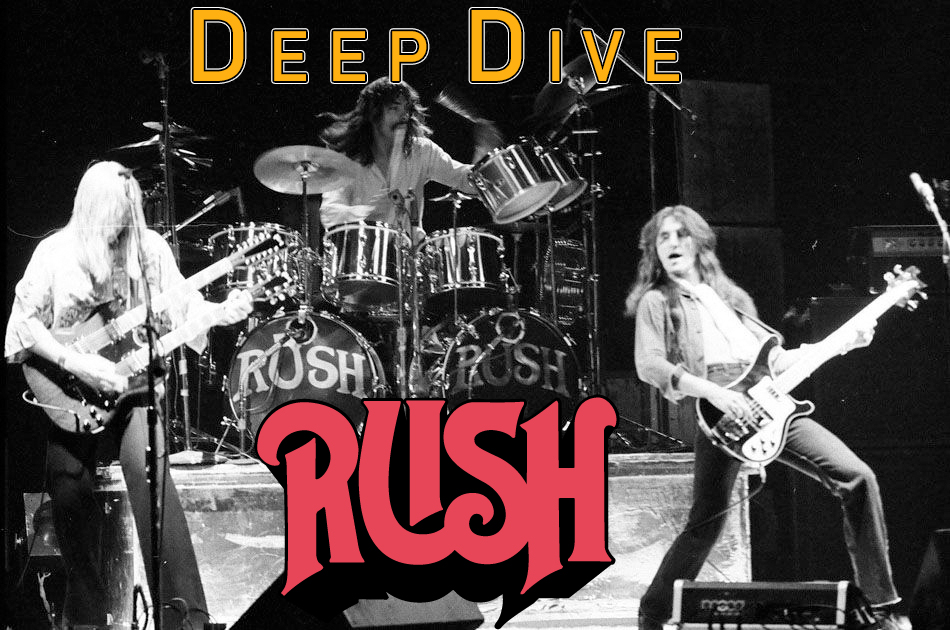
Deep Dive: Rush

Welcome to the fourth installment of Deep Dive, where I take an in-depth look at the studio discographies of some of the giants of progressive rock and progressive metal.

For those who don’t feel like reading this massive entry, I’ve included a TL;DR and ranking of albums at the end. I’m opting to explore albums chronologically, as opposed to a ranked-list format. The context in which albums were made is important, and that is an element often missed in a ranked list.

Rush is a band I’d always planned to eventually cover in this series. I’d made no firm plans as to when, exactly, but they were undoubtedly on the docket. Originally, this Deep Dive was slated to be a look at Genesis, but Neil Peart’s unfortunate passing earlier this year prompted me to push off the Genesis entry for a later date.

In the early 1970s, acts like Emerson, Lake & Palmer and Atomic Rooster had demonstrated that trios could produce excellent progressive rock, but Rush pushed the capabilities of that limited format to its extreme with complex suites containing massive tonal variation. Even once Rush moved past their prog rock heyday, their music was mostly inventive, energetic, and—above all—distinct. Over the years, Rush became one of the best-known and most-successful rock acts of all time, particularly in their native Canada.

Subdivision I: The Early Years (1968-1974)

Rush formed in 1968 and originally consisted of guitarist Alex Lifeson (born Zivojinovich; “Lifeson” is an English translation of his Serbian name), bassist/vocalist Jeff Jones, and drummer John Rutsey. These early years saw a high degree of volatility in the band’s lineup, with Lifeson remaining the one constant. Jones left shortly after the band formed, soon replaced by Geddy Lee, and even Geddy was briefly out of the band in 1969. Continue reading “Deep Dive: Rush” →