Welcome to The Elite Extremophile’s Top Prog EPs of 2023. The two-part Top 50 Albums list will be posted in the coming days.
As I stated last year, due to the variable number of short releases I run across year-to-year, this list is not limited to a firm number. This year, there were eight EPs I felt worth highlighting.
And where last year had all releases clocking in at under 30 minutes, this year’s collection is a bit more vibes-based. Some EPs fall within last year’s parameters, but others are noticeably longer. I’ve always taken an “I’ll know it when I see it” approach to categorizing EPs and LPs.
Welcome to the fifth annual installment of The Elite Extremophile’s Top Prog Releases. 2023 was an exceptional year for prog and prog-adjacent genres, and I was left with a glut of good music that wasn’t going to make my year-end lists. Even in less-stellar years, there are often records that I’m overall unimpressed with, which just so happen to have a great song or two on them. Thus, from a desire to not give such releases the short shrift, I’ve decided to highlight ten Cool Songs from this year.
This segment is meant to show off great tracks that otherwise do not appear on my year-end lists. If a release makes my best EPs or best albums list, it is disqualified from appearing in this particular segment.
Band: Frankie and the Witch Fingers | Album:Data Doom | Genre: Progressive rock, Krautrock | Bandcamp
Frankie and the Witch Fingers remind me a lot of Osees. The music is fierce, energetic, and shot-through with punk influences. But the riffs are usually weird and angular, with uncommon meters. Despite a lot of the overt, aggressive tendencies of this band, the music remains relatively accessible. There are plenty of melodic hooks and catchy riffs and themes. “Syster System” is one hell of an earworm, and “Doom Boom” has a groovy, King Gizzard-esque feel to it.
Score: 80/100
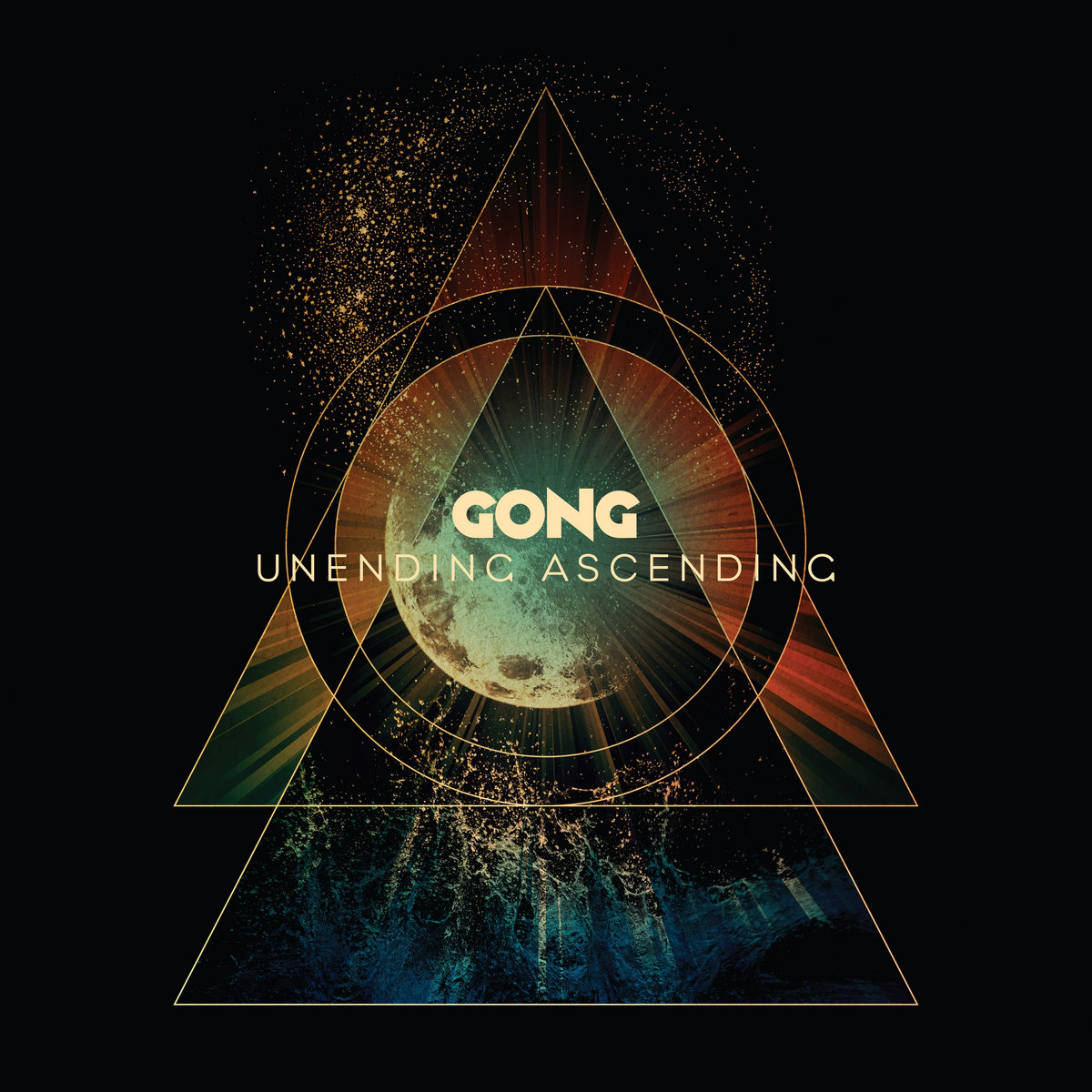
Band: Gong | Album:Unending Ascending | Genre: Progressive rock | Bandcamp
Once you get outside the very big names of progressive rock (Yes, Pink Floyd, Genesis, etc), Gong is one of the better-known second-echelon prog acts. I’m honestly not that familiar with their output beyond their Pot Head Pixie trilogy of the early 1970s. Looking over their Wikipedia article however, they have been incredibly prolific, with numerous projects labeled “So-and-so’s Gong” also being considered part of their oeuvre. Maybe I’ll eventually do a Gong Deep Dive, but seeing all the various Gong-adjacent projects makes that a daunting prospect. I’ve also discussed Yes being a ship of Theseus, but they ain’t got nothin’ on Gong. There’s a whole damn Wikipedia article on the topic. Just look at this graphic!
Moving onto the music of Unending Ascending, it’s pretty decent. It’s psychedelic in feel, with a lot of space rock elements. The playing and compositions are complex and thoughtful. There are some weaker moments, like the sleepy and overlong “Ship of Ishtar”, but most of the record manages to be engaging and entertaining. Despite none of the current members of Gong having been in the band prior to 2007, they do a great job of maintaining the spirit of the classic Gong sound.
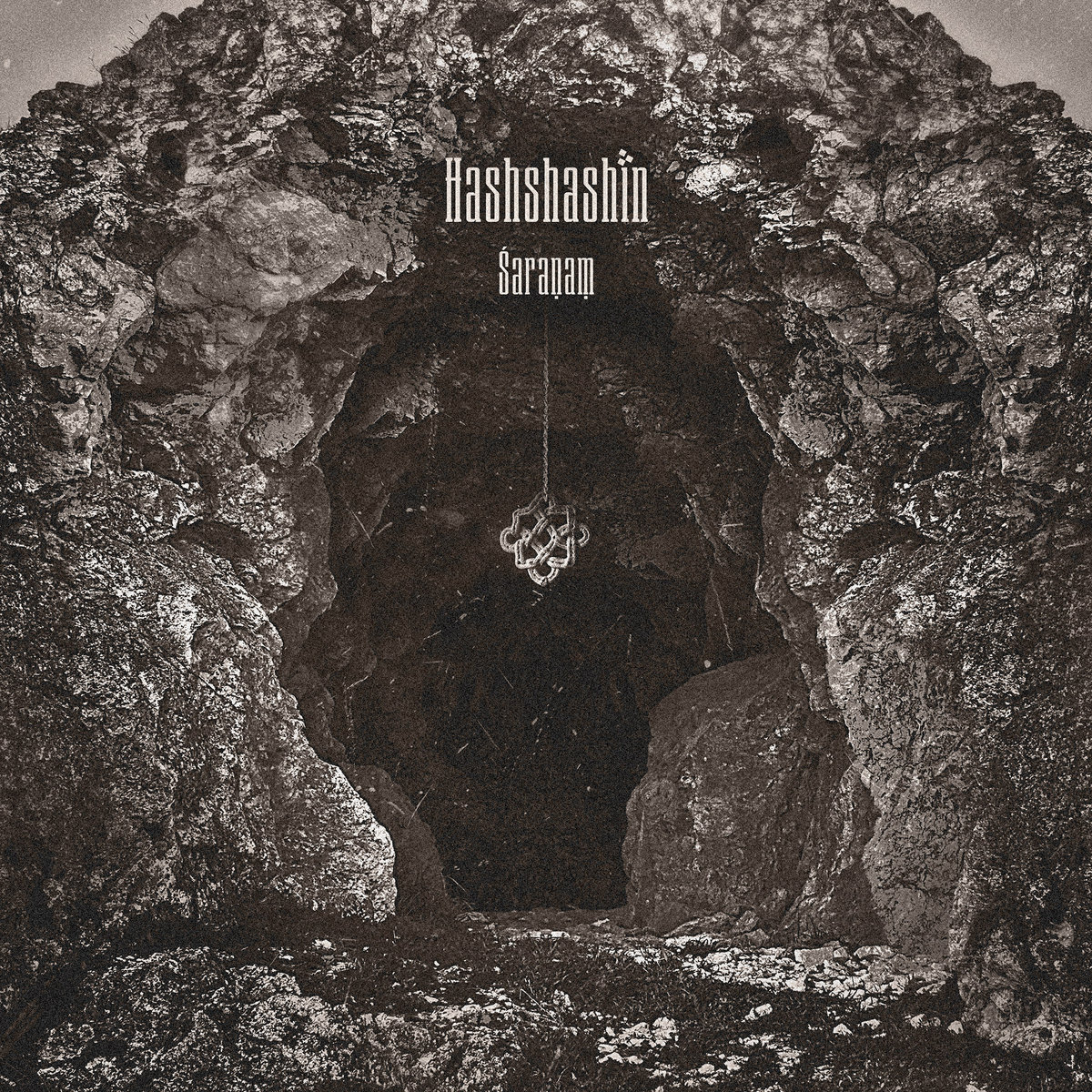
The latest release from this Australian act draws upon the Central Asian folk-meets-progressive metal flavors of their last release and hones them even more. Here, much of the focus is on an Afghan instrument, the rubab. It lends a distinct folky and esoteric character to these three songs. This EP is both meditative and impactful, drawing from Afghan folk traditions and modern progressive and post-rock scenes.
Score: 74/100
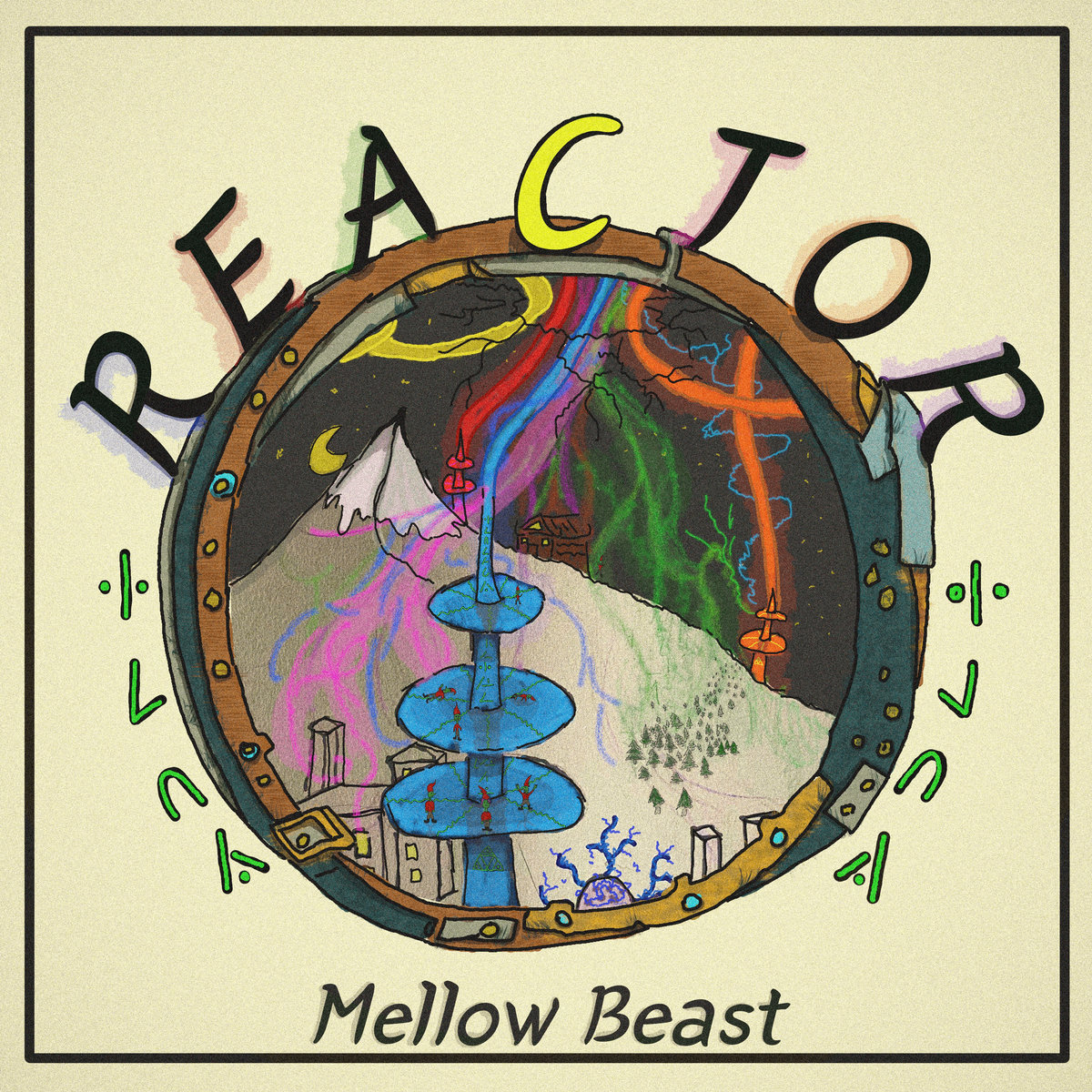
Band: Mellow Beast | Album:Reactor | Genre: Space rock, Progressive rock | Bandcamp
Mellow Beast’s third release of the year is their strongest of the bunch. Many of this band’s releases are interconnected and tell the story of the land of Hyperion. As such, this release focuses on the story of a gnome trying to save Hyperion after a great cataclysm. The music is psychedelic and awash in effects-laden guitar lines. There’s a fine line being tread here between tight, focused, melodic passages and a desire to stretch things out and jam. It all works together excellently, and I love the way musical themes are occasionally repeated to give everything a sense of continuity.
CHROMB!’s appropriately-titled fifth album, Cinq, is a solid return to what I love about them. I wasn’t nuts about their 2020 release, Le livre des merveilles. One of their trademark characteristics is their frenetic, madcap energy, but that release saw them try to trim back those elements of their sound. Cinq has that irrepressible oddness and liveliness I love, but it’s been distilled into shorter, more focused compositions. As much as I love their sprawling 2016 release, 1000, sometimes you just want 33 minutes of to-the-point avant-prog.
Score: 78/100
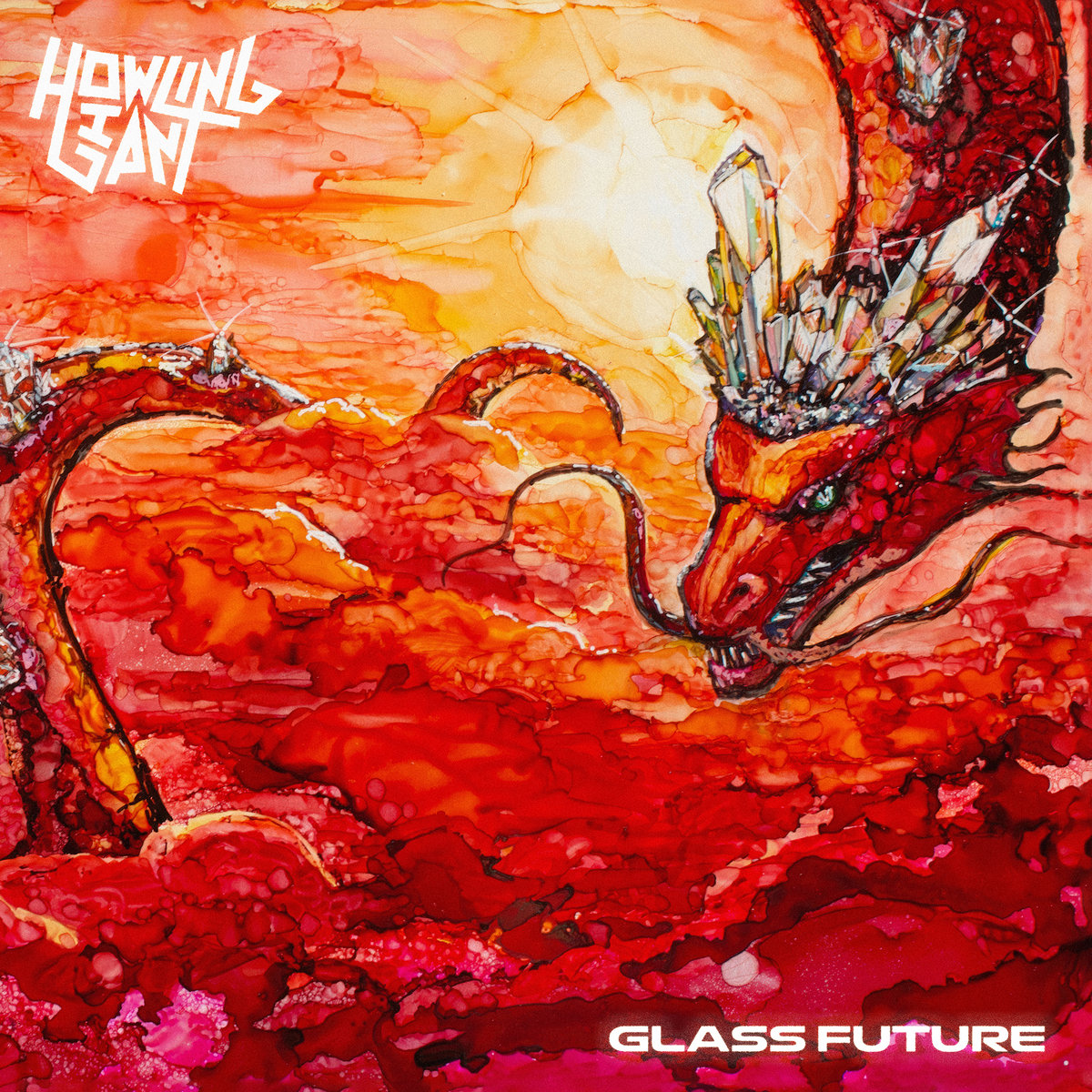
Band: Howling Giant | Album:Glass Future | Genre: Heavy psych, Progressive rock | Bandcamp
Though nothing here matches the scope or scale of their 2020 epic, “Masamune”, Glass Future provides plenty of solid music. Hints of the band’s stoner roots can be heard in their riffs, but the arrangements are lush, thoughtful, and complex. Organ adds a powerful richness to the sound, and the vocal performances are strong. Melodies are catchy, yet inventive and unique. The songs on this album are all relatively short, but they don’t feel rushed.
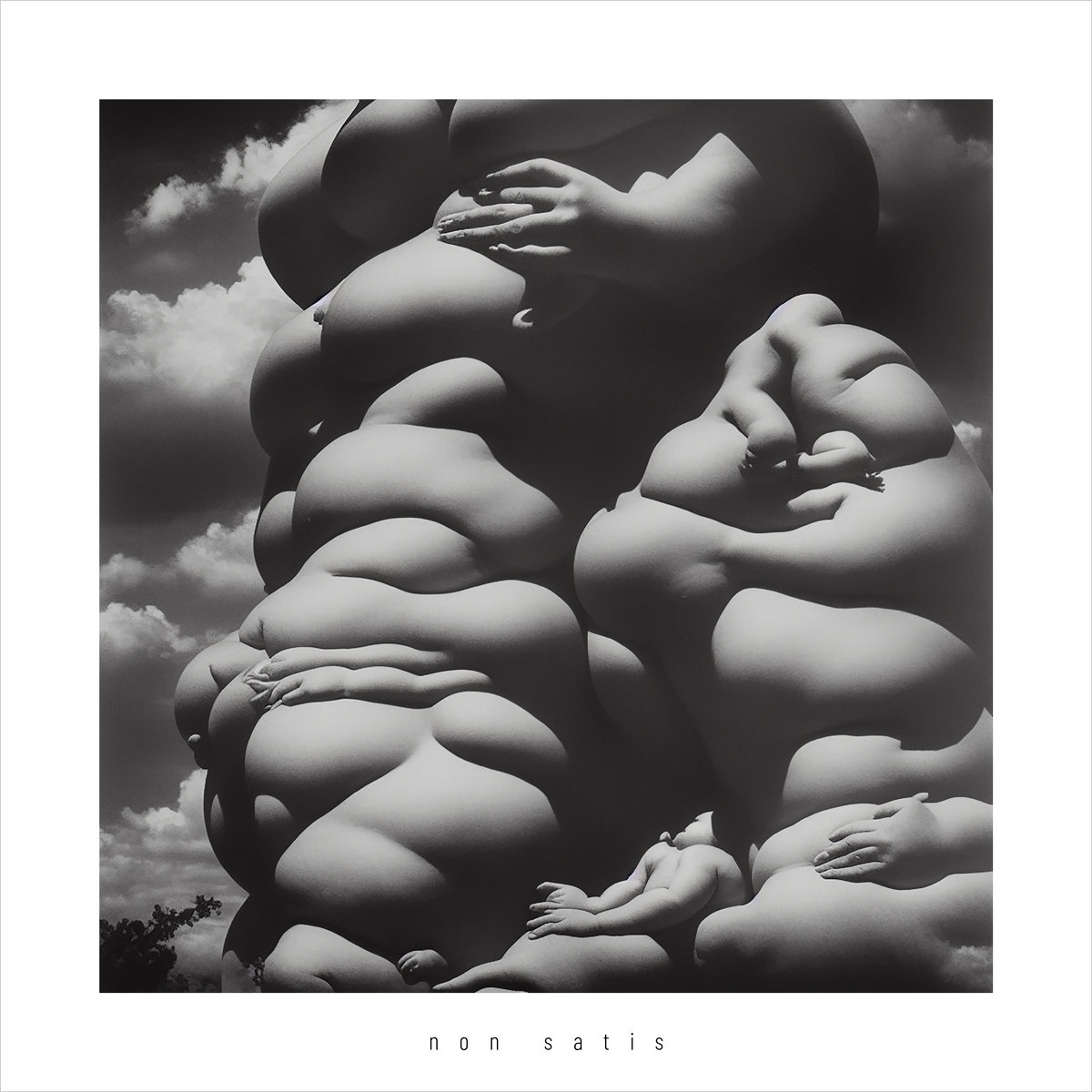
Band: Antisoph | Album:non satis | Genre: Progressive metal | Bandcamp
This German band’s latest release is a pretty neat 3-song EP. The riffs are inventive, weird, and abstract, and the vocal performance is pretty strong as well. I like the bits of jazz and post-metal influence they included in this release. The one downside is that not all of these songs needed to exceed seven minutes.
Score: 72/100
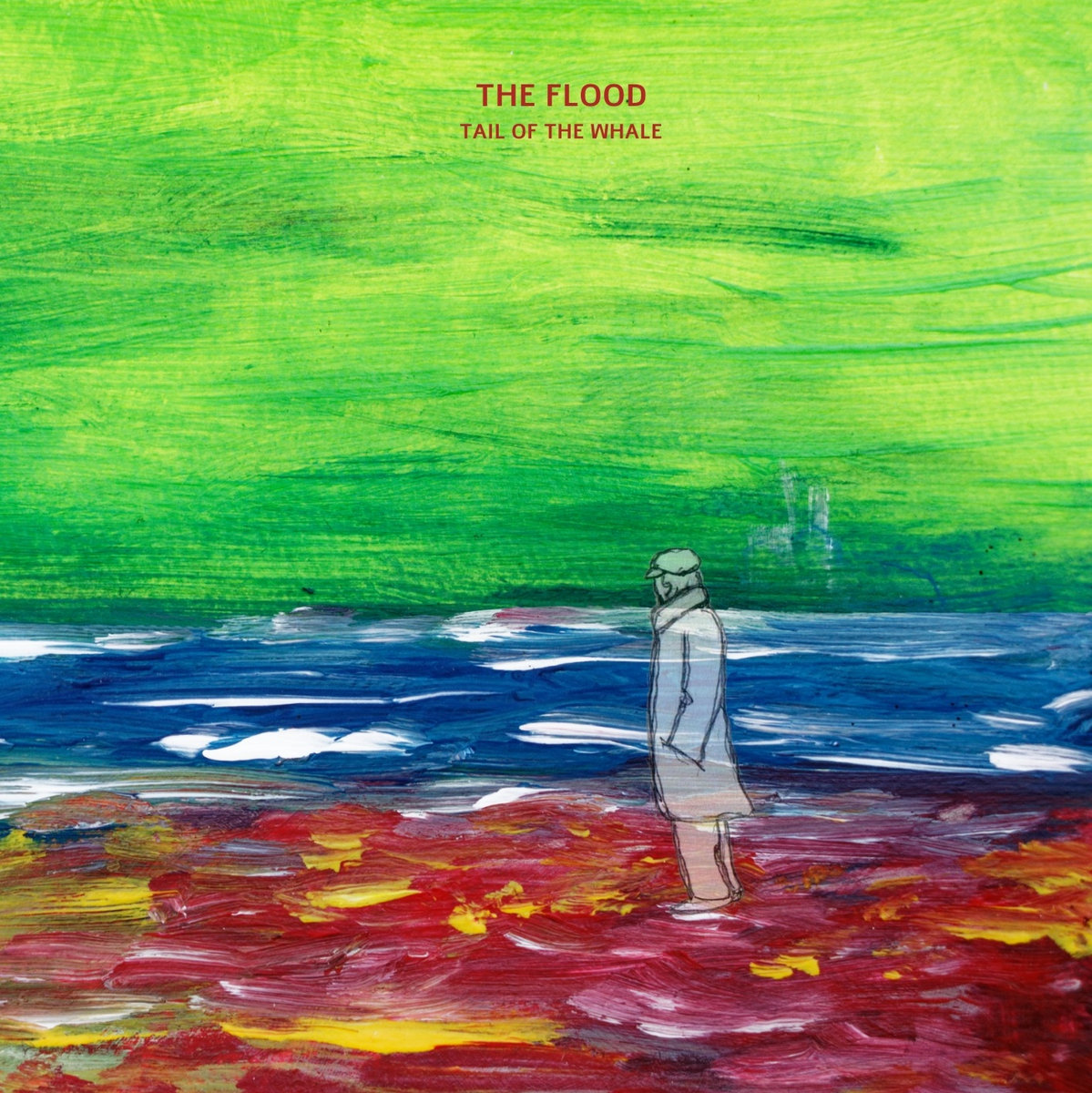
Band: The Flood | Album:Tail of the Whale | Genre: Progressive rock | Bandcamp
I like this album a lot; probably more than most folks, and for pretty specific-to-me reasons. The music here is solid, even tossing aside my own specific fondness. It’s often slow-moving, lush, and impassioned. Jazz and classical touches are incorporated quite nicely. The vocals are a bit weak though, and I could see them grating on some people. But that’s honestly part of the reason why I like this album. When I was first really getting into progressive rock, I did it primarily through a number of now-long-dead-or-defunct Blogspot sites with links to Mediafire or Rapidshare. And The Flood reminds me a lot of the bands I discovered through those sites: rich, symphonic prog from mainland Europe with slightly-rough production and a vocalist with a noticeable accent. (For a few examples of bands like this, check out Prof. Wolfff, P2O5, Womega, or Phylter.) It’s a very specific sort of nostalgia from my high school and college years that I don’t expect many to relate to. But this is my site, and you’re here to read my opinion.
I do my best to avoid falling into ruts on this site. I’m purposely vague about what constitutes “progressive rock,” “progressive metal,” or any other “weird and/or experimental” music I cover on this site. This approach also extends to my attempts to highlight a lot of different record labels. At times, I feel like this site can border on being a showcase for Spinda, Karisma, or InsideOut. One of those labels I frequently feature–and possibly my favorite metal-focused label at the moment–is I, Voidhanger. This Italy-based label focuses on experimental and extreme metal, and their page always makes up a significant portion of my Bandcamp wishlist. I’ve covered multiple acts of theirs in the past, including Creature, Neptunian Maximalism, and Fleshvessel.
Bekor Qilish is another of I, Voidhanger’s acts that I’ve covered before. Their release from last year, Throes of Death from the Dreamed Nihilism, was one of my favorite short releases of 2022. The Flesh of a New God continues in a similar sonic vein, featuring scourging black metal and rich keyboard tones.
I like Merlin. I’ve covered them a couple times before. The Mortal is a pretty solid stoner metal release with healthy doses of prog and psych, and “Merlin’s Bizarre Adventure” is a mind-bending cavalcade of incongruous musical ideas that somehow gel. I’m also pretty fond of their albums The Wizard and Christ Killer. (The latter is based on Nick Cave’s bonkers idea for a sequel to the film Gladiator; read about it!) In addition to putting out good music, they’ve got one of the best social media presences I’ve run across. Their Facebook page consists of scores of strange, self-deprecating memes that always amuse. (One such meme, posted probably a year ago or so, said something to the effect of of, “Yeah, we’re into NFTs: Not Fucking Touring.” Though Merlin might not tour, I apparently missed an opportunity to see them live early in their career. I lived in Lawrence, KS, from late 2012 until late 2014, and they posted some photos from a show in 2014 they had at The Bottleneck, a live music venue in Lawrence. I went to a good number of live shows while I lived out there, so I am bummed I never happened to see them.)
Moving on to the substance of Grind House, their sixth LP, it’s tough to figure out where to start. Historically, they’ve been a stoner doom band with some artsy leanings. But back in 2020 or 2021, they put out this strange, jazzy single, “Master Thief ‘77”, which presaged the aggressive move away from the stoner doom they championed on “Merlin’s Bizarre Adventure”. In a Facebook exchange I had with the band’s vocalist, Jordan Knorr, he explained Merlin’s next album was going to be based around the theme music to a series of fictional films and that it would be completely different from the band’s prior output. And true to his word, this is a bizarre, unexpected, and very fun release.
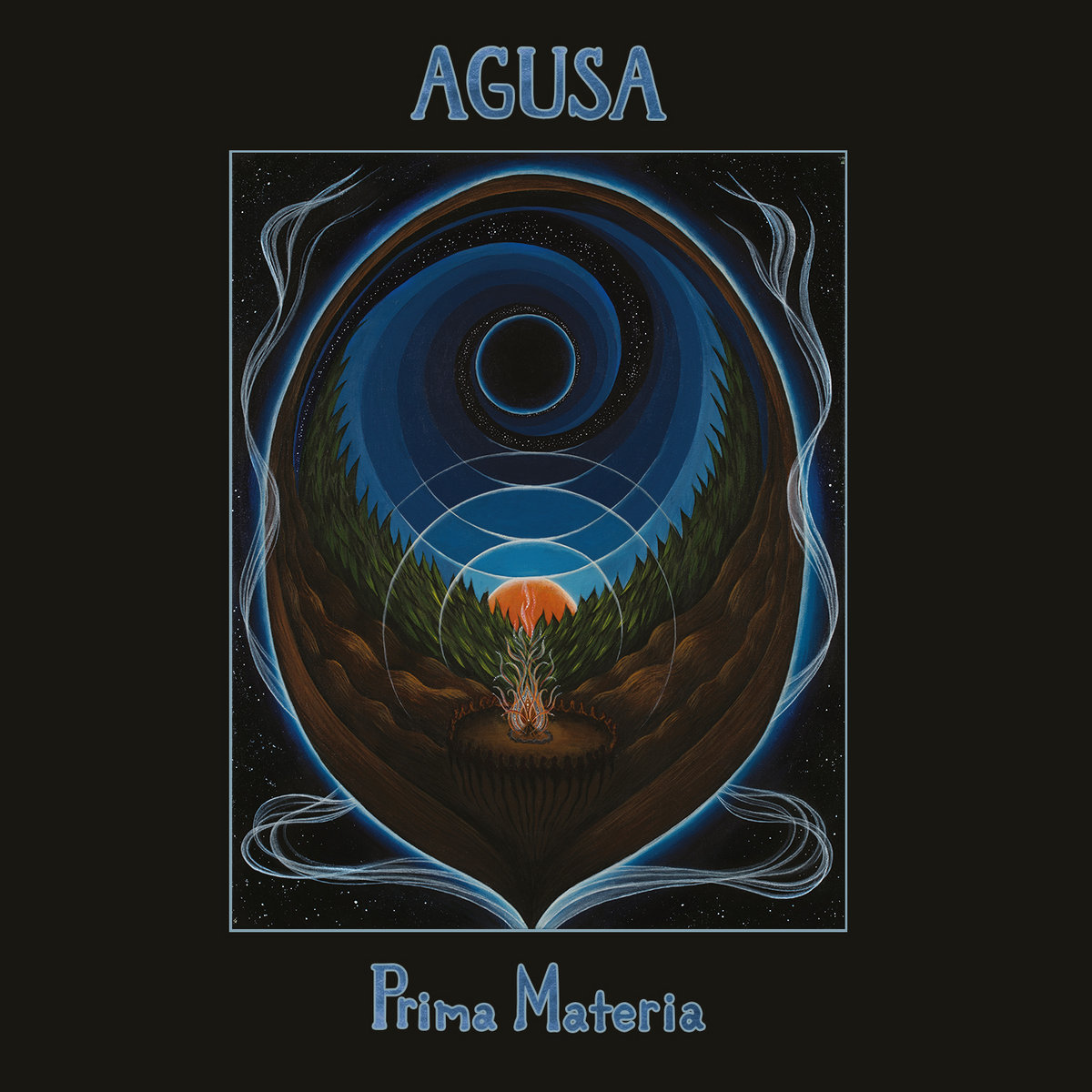
Band: Agusa | Album:Prima Materia | Genre: Progressive rock, Psychedelic rock | Bandcamp
The newest release from this (mostly) instrumental Swedish act sees them push in a more overtly psychedelic direction. In the opening track, blues flavors are prominent alongside jazzy flourishes. “Under bar himmel” has a dreamier feel to it; it strongly channels Camel’s gentlest moments. This cut features a great slow build, and it’s probably my favorite on the album. “Ur askan” is bouncy and organ-forward, and the closing “Så ock på jorden” has some fun, funky wah-wahed guitar that complements the band’s usual Camel-isms quite well. Parts of this album can run a bit long, but it’s overall another solid release from this band. If you like Camel or some of the jazzier classic prog acts, you’ll probably like this one a lot.
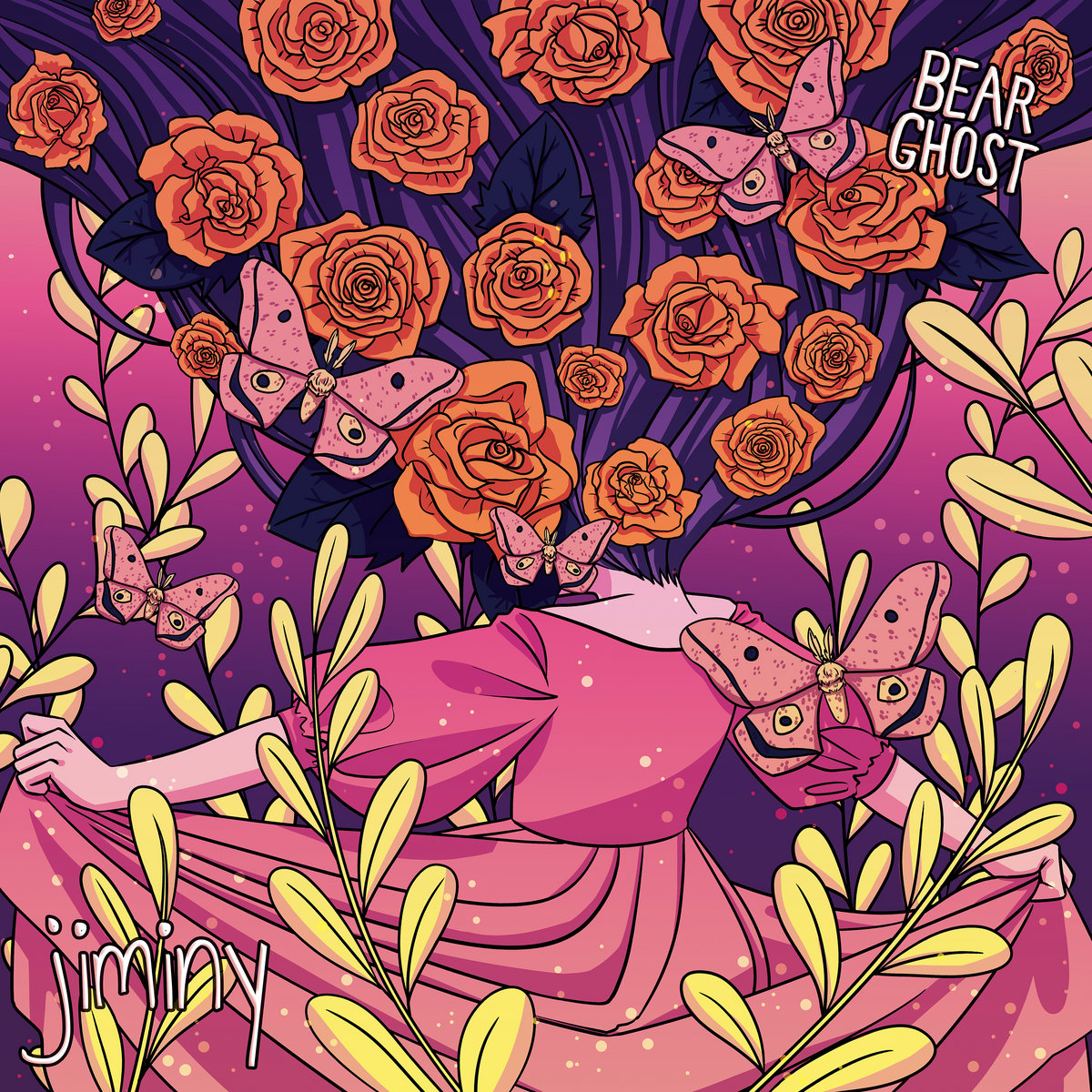
Bands like Bear Ghost always split my opinion. On the one hand, there is no denying that they’re fantastic musicians who write unique, creative music full of twists and surprises. On the other hand, there’s an overwhelming atmosphere of camp, corniness, and self-aware goofiness. I don’t need my prog to be as dour as King Crimson, but I’m not looking for something with its tongue always and invariably in-cheek. In that way, they remind me a lot of Devin Townsend, an artist for whom I have similarly mixed feelings. Despite their technical prowess, a lot of this material comes off as purposelessly weird-for-weirdness’s-sake. (The vocals are also just way too over-enunciated, and that gets under my skin. It reminds me of children’s music at times.) So, I would say, if you like the overt silliness of acts like Cheeto’s Magazine, or Devin Townsend’s cartoonier music (such as Z2), you’ll probably like this a lot. But if you’re like me, and you tend to be more annoyed than enthused by kitchen-sink weirdness, you might want to skip it.
PoiL is back for a second round of collaboration with Japanese musician Junko Ueda. I thought their last album–PoiL Ueda, from March of this year–would simply be a quirky, one-off thing. I was certainly hoping for more, as my one real gripe about PoiL Ueda was that, at only 31 minutes, it felt kind of short. I really liked the madcap fusion of PoiL’s avant-garde RIO stylings with Ueda’s singular vocal style and sharply-plucked biwa.
Yoshitsune picks up where PoiL Ueda ended, both lyrically and musically. Taking place after the naval battle described on their last album in “Dan-no-Ura”, this album tells the story of Minamoto no Yoshitsune, a military commander forced into exile.






 The Elite Extremophile