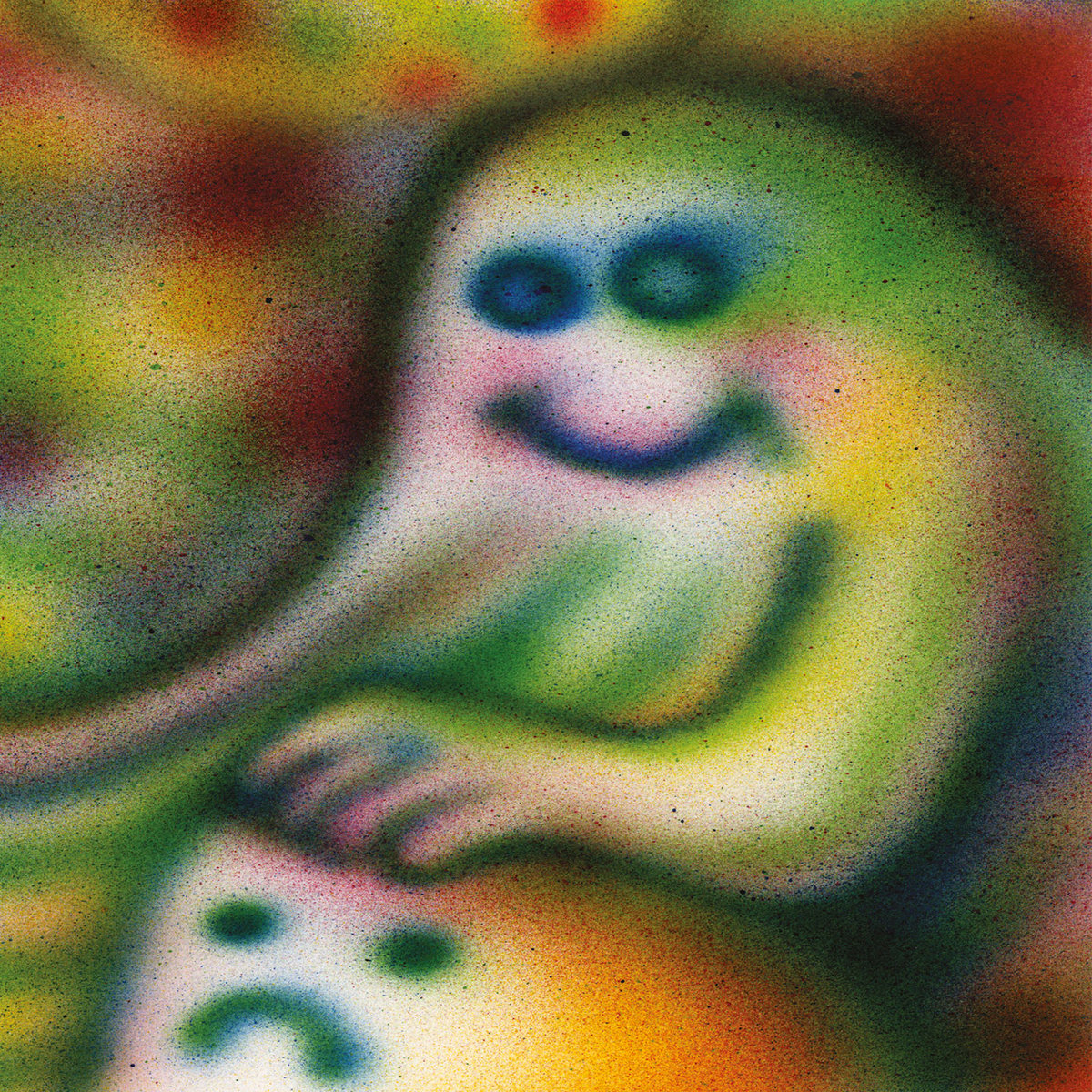
CHROMB!’s appropriately-titled fifth album, Cinq, is a solid return to what I love about them. I wasn’t nuts about their 2020 release, Le livre des merveilles. One of their trademark characteristics is their frenetic, madcap energy, but that release saw them try to trim back those elements of their sound. Cinq has that irrepressible oddness and liveliness I love, but it’s been distilled into shorter, more focused compositions. As much as I love their sprawling 2016 release, 1000, sometimes you just want 33 minutes of to-the-point avant-prog.
Score: 78/100
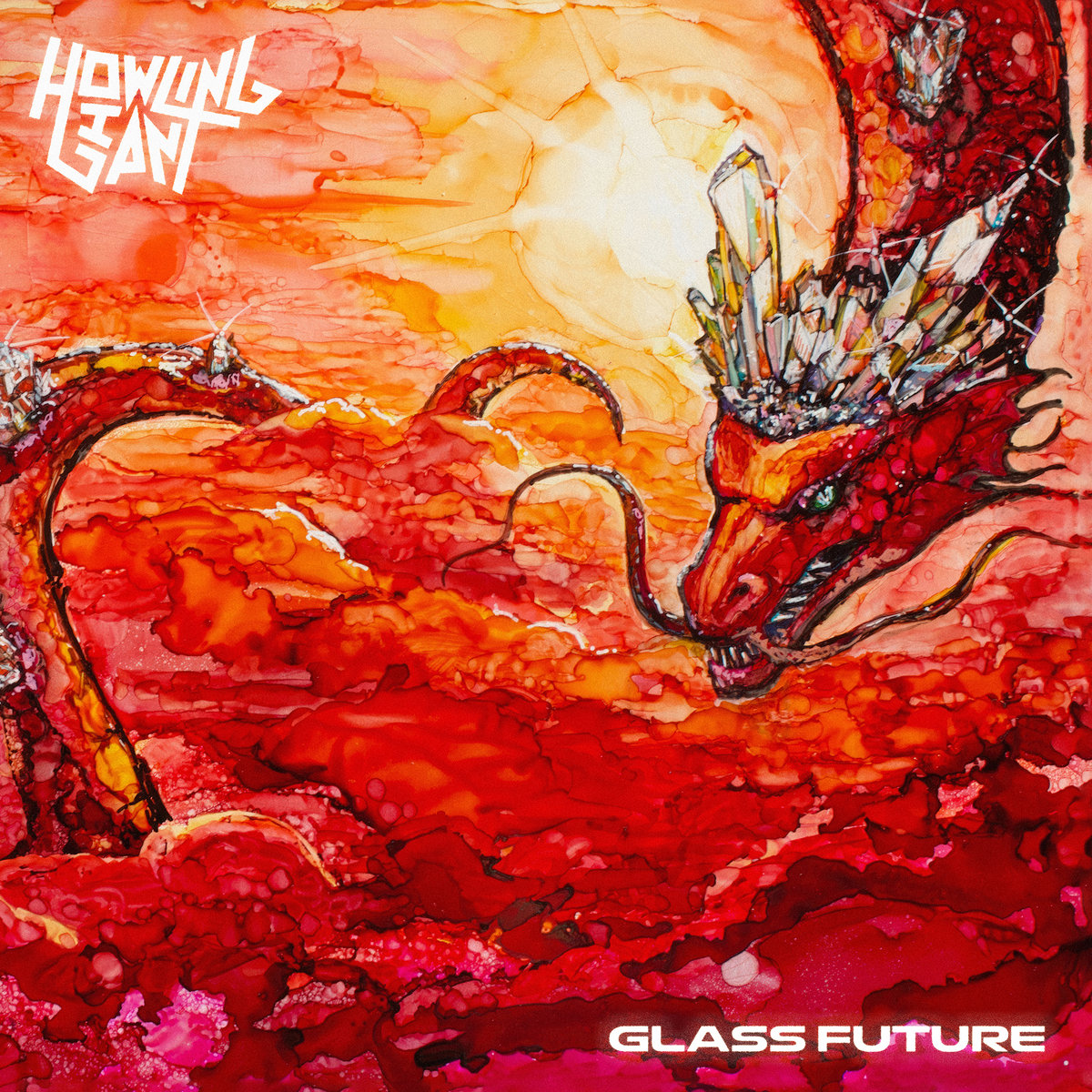
Band: Howling Giant | Album:Glass Future | Genre: Heavy psych, Progressive rock | Bandcamp
Though nothing here matches the scope or scale of their 2020 epic, “Masamune”, Glass Future provides plenty of solid music. Hints of the band’s stoner roots can be heard in their riffs, but the arrangements are lush, thoughtful, and complex. Organ adds a powerful richness to the sound, and the vocal performances are strong. Melodies are catchy, yet inventive and unique. The songs on this album are all relatively short, but they don’t feel rushed.
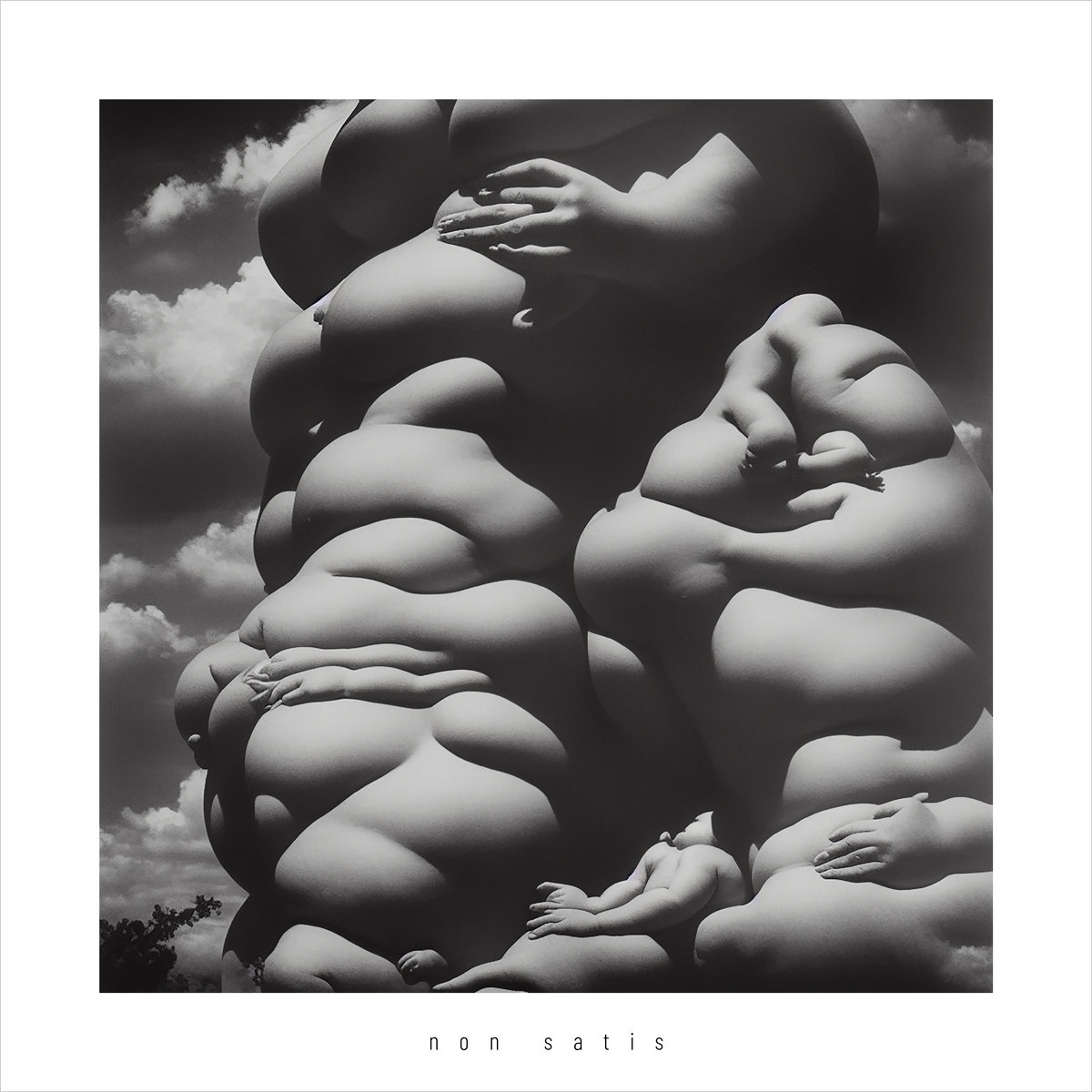
Band: Antisoph | Album:non satis | Genre: Progressive metal | Bandcamp
This German band’s latest release is a pretty neat 3-song EP. The riffs are inventive, weird, and abstract, and the vocal performance is pretty strong as well. I like the bits of jazz and post-metal influence they included in this release. The one downside is that not all of these songs needed to exceed seven minutes.
Score: 72/100
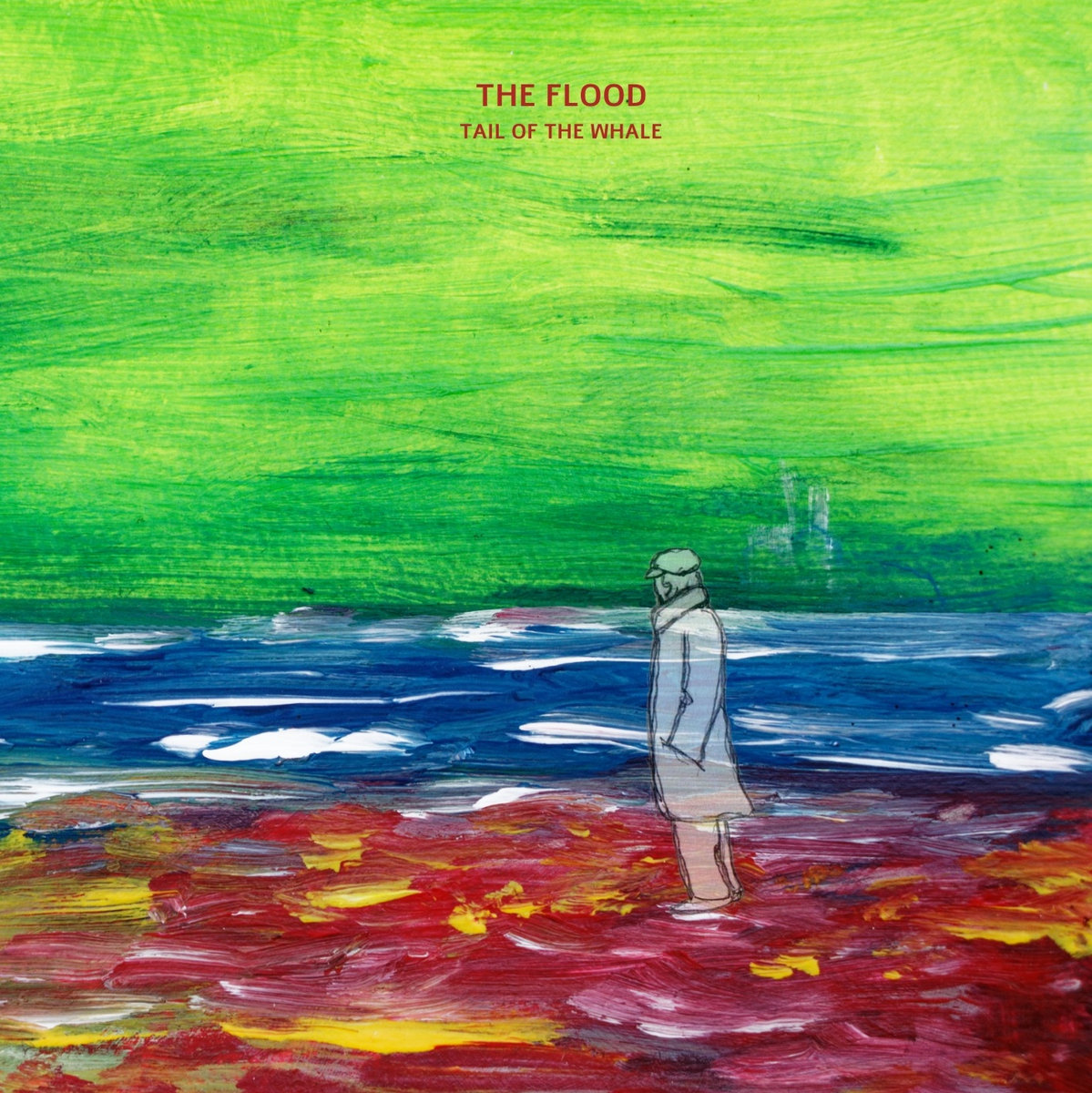
Band: The Flood | Album:Tail of the Whale | Genre: Progressive rock | Bandcamp
I like this album a lot; probably more than most folks, and for pretty specific-to-me reasons. The music here is solid, even tossing aside my own specific fondness. It’s often slow-moving, lush, and impassioned. Jazz and classical touches are incorporated quite nicely. The vocals are a bit weak though, and I could see them grating on some people. But that’s honestly part of the reason why I like this album. When I was first really getting into progressive rock, I did it primarily through a number of now-long-dead-or-defunct Blogspot sites with links to Mediafire or Rapidshare. And The Flood reminds me a lot of the bands I discovered through those sites: rich, symphonic prog from mainland Europe with slightly-rough production and a vocalist with a noticeable accent. (For a few examples of bands like this, check out Prof. Wolfff, P2O5, Womega, or Phylter.) It’s a very specific sort of nostalgia from my high school and college years that I don’t expect many to relate to. But this is my site, and you’re here to read my opinion.
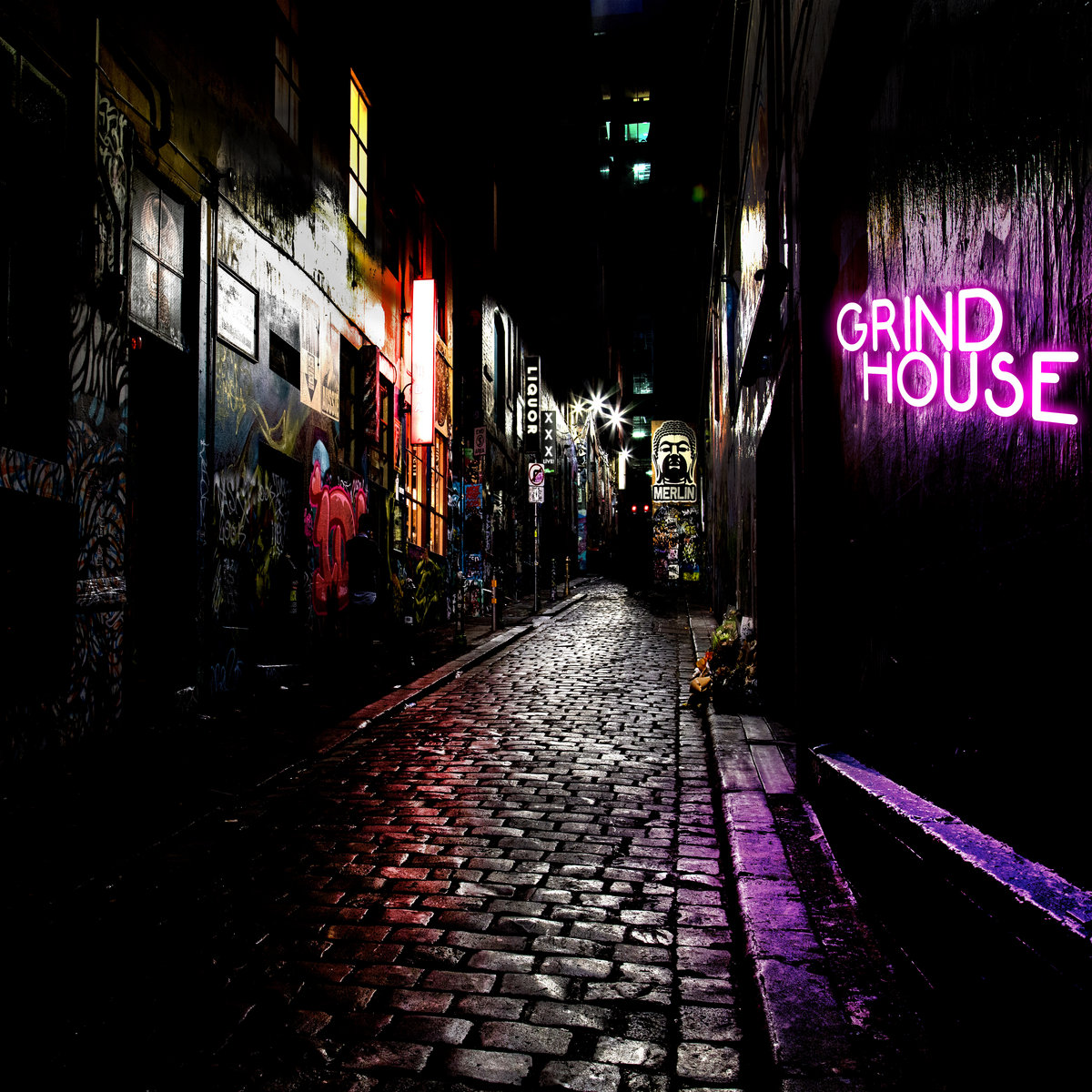
I like Merlin. I’ve covered them a couple times before. The Mortal is a pretty solid stoner metal release with healthy doses of prog and psych, and “Merlin’s Bizarre Adventure” is a mind-bending cavalcade of incongruous musical ideas that somehow gel. I’m also pretty fond of their albums The Wizard and Christ Killer. (The latter is based on Nick Cave’s bonkers idea for a sequel to the film Gladiator; read about it!) In addition to putting out good music, they’ve got one of the best social media presences I’ve run across. Their Facebook page consists of scores of strange, self-deprecating memes that always amuse. (One such meme, posted probably a year ago or so, said something to the effect of of, “Yeah, we’re into NFTs: Not Fucking Touring.” Though Merlin might not tour, I apparently missed an opportunity to see them live early in their career. I lived in Lawrence, KS, from late 2012 until late 2014, and they posted some photos from a show in 2014 they had at The Bottleneck, a live music venue in Lawrence. I went to a good number of live shows while I lived out there, so I am bummed I never happened to see them.)
Moving on to the substance of Grind House, their sixth LP, it’s tough to figure out where to start. Historically, they’ve been a stoner doom band with some artsy leanings. But back in 2020 or 2021, they put out this strange, jazzy single, “Master Thief ‘77”, which presaged the aggressive move away from the stoner doom they championed on “Merlin’s Bizarre Adventure”. In a Facebook exchange I had with the band’s vocalist, Jordan Knorr, he explained Merlin’s next album was going to be based around the theme music to a series of fictional films and that it would be completely different from the band’s prior output. And true to his word, this is a bizarre, unexpected, and very fun release.
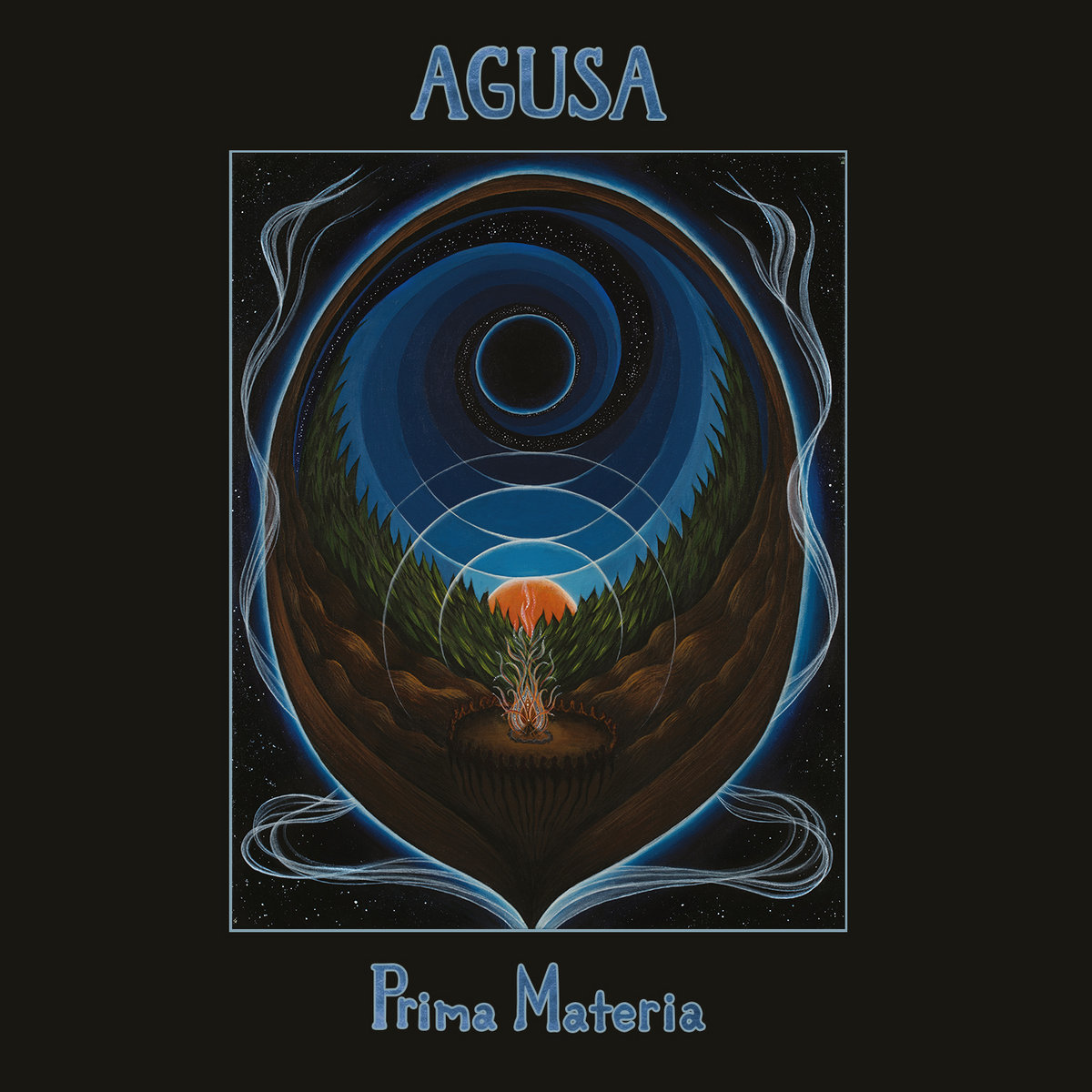
Band: Agusa | Album:Prima Materia | Genre: Progressive rock, Psychedelic rock | Bandcamp
The newest release from this (mostly) instrumental Swedish act sees them push in a more overtly psychedelic direction. In the opening track, blues flavors are prominent alongside jazzy flourishes. “Under bar himmel” has a dreamier feel to it; it strongly channels Camel’s gentlest moments. This cut features a great slow build, and it’s probably my favorite on the album. “Ur askan” is bouncy and organ-forward, and the closing “Så ock på jorden” has some fun, funky wah-wahed guitar that complements the band’s usual Camel-isms quite well. Parts of this album can run a bit long, but it’s overall another solid release from this band. If you like Camel or some of the jazzier classic prog acts, you’ll probably like this one a lot.
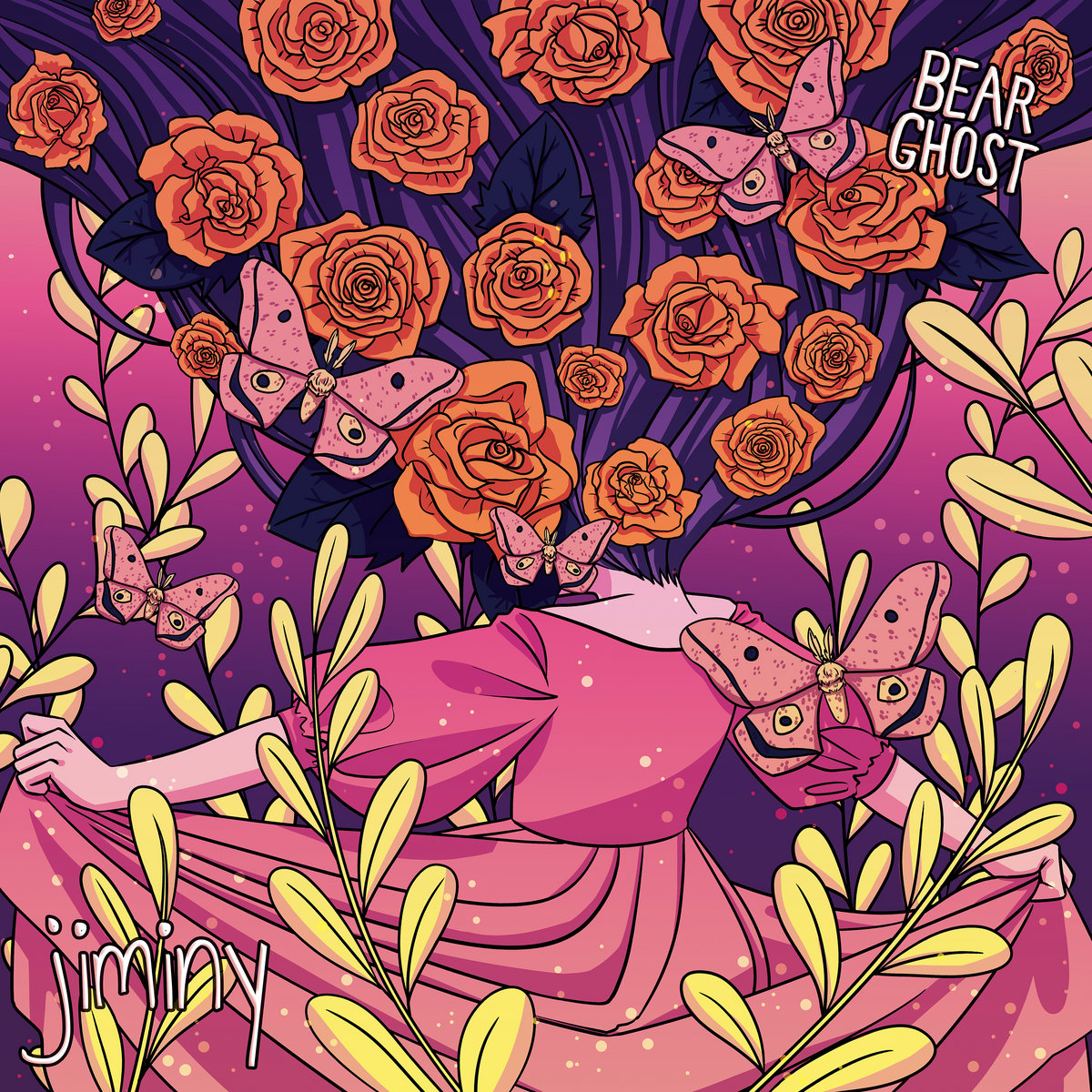
Bands like Bear Ghost always split my opinion. On the one hand, there is no denying that they’re fantastic musicians who write unique, creative music full of twists and surprises. On the other hand, there’s an overwhelming atmosphere of camp, corniness, and self-aware goofiness. I don’t need my prog to be as dour as King Crimson, but I’m not looking for something with its tongue always and invariably in-cheek. In that way, they remind me a lot of Devin Townsend, an artist for whom I have similarly mixed feelings. Despite their technical prowess, a lot of this material comes off as purposelessly weird-for-weirdness’s-sake. (The vocals are also just way too over-enunciated, and that gets under my skin. It reminds me of children’s music at times.) So, I would say, if you like the overt silliness of acts like Cheeto’s Magazine, or Devin Townsend’s cartoonier music (such as Z2), you’ll probably like this a lot. But if you’re like me, and you tend to be more annoyed than enthused by kitchen-sink weirdness, you might want to skip it.
PoiL is back for a second round of collaboration with Japanese musician Junko Ueda. I thought their last album–PoiL Ueda, from March of this year–would simply be a quirky, one-off thing. I was certainly hoping for more, as my one real gripe about PoiL Ueda was that, at only 31 minutes, it felt kind of short. I really liked the madcap fusion of PoiL’s avant-garde RIO stylings with Ueda’s singular vocal style and sharply-plucked biwa.
Yoshitsune picks up where PoiL Ueda ended, both lyrically and musically. Taking place after the naval battle described on their last album in “Dan-no-Ura”, this album tells the story of Minamoto no Yoshitsune, a military commander forced into exile.
I generally do my best to be positive on this site. I cover music I like (mostly), and I aim to give acts the benefit of the doubt when possible. I’ve heard it said that critics should be curators, not gatekeepers, and that is an ethos I strive for. But every now and then, you run across a flaming pile of shit so spectacularly bad, you have to stop and gawk. It’s a trainwreck with bodies strewn everywhere, and the mere sight of it makes you sick, but you can’t look away. And to top it all off, the person driving the train is a notoriously unpleasant curmudgeon. When a situation like this arises, it’s hard not to react to the spectacle.
Having a nice, long hate on an album can be a fun, cathartic exercise on occasion. I haven’t really done that on this site before now, but it’s something I did a number of times when I was writing reviews on my personal Facebook page. The Astonishing, Dream Theater’s overblown, under-thought rock opera, was a particularly fun record to bash. I’m looking forward to expanding on that in my eventual Dream Theater Deep Dive. (I did bash Leprous’s last two albums pretty hard, but even my Aphelion review found some limited good.)
I touched on this briefly in my Pink Floyd Deep Dive, but Roger Waters is pretty easy and fun to dislike. He often comes off as a self-important douche who is deeply unpleasant to spend time around. Normal, likable people don’t get married five times or have irreparable rifts with coworkers. Sure, his politics are not too terribly different from my own on most fronts, but his sanctimony goes a long way in making me second-guess those overlapping views.
He only seems to have gotten more unpleasant in his old age, too. His spats with David Gilmour, which seemed to have quieted down a bit in the mid-2000s, have only flared back up as nasty as ever in recent years. And the dude is even on Russia’s side in the ongoing Russian invasion of Ukraine. Add into that mix some additional ridiculous, egotistical statements–like his bitter, petulant outburst that he is “far, far, far more important” than The Weeknd when the Canadian press didn’t give his tour enough attention–and it’s easy to see why it’s hard to look away from his nonsense.
Now, to Roger’s credit, he’s not intending for this to be a replacement for The Dark Side of the Moon. This work is presented as a different take on things. The album is a reflection on life and death, and re-recording it with another fifty years of life experience sounds like a concept that could work… theoretically. The problem is, Roger’s best work was always strongly reliant on David Gilmour and Rick Wright providing significant musical input. This manifestation of Dark Side simply lacks that ineffable spark that made the original one of the greatest rock albums of all time. In many ways, this release feels like him attempting to diminish the importance of the other members of Pink Floyd and cast himself as the act’s true creative force.
It’s been a decade since Steven Wilson’s last good solo album. (I almost said just “album,” but Closure/Continuation was good. Not great, but good.) Especially considering the trajectory of his last two solo releases, I did not have high hopes for The Harmony Codex. He’s been teasing this album for a while as a return to form, and he had repeatedly said it’s less pop-oriented than The Future Bites. Then again, I’m sure that Roger Waters also thinks his dogshit re-recording of The Dark Side of the Moon is good. Needless to say, I took Steven’s word with a (large) grain of salt.
And I am pleased to say my skepticism was mostly misplaced. The Harmony Codex is notably stronger than The Future Bites and To the Bone. Its album art is even an improvement over both those works! In addition to being his most interesting album in a while, it’s also his most electronic since his (quite crappy) 2004 collection of electronic music. Latter-era Porcupine Tree often dabbled with electronic elements, and Wilson is part of the electronic duo Bass Communion, so this pattern isn’t unprecedented.
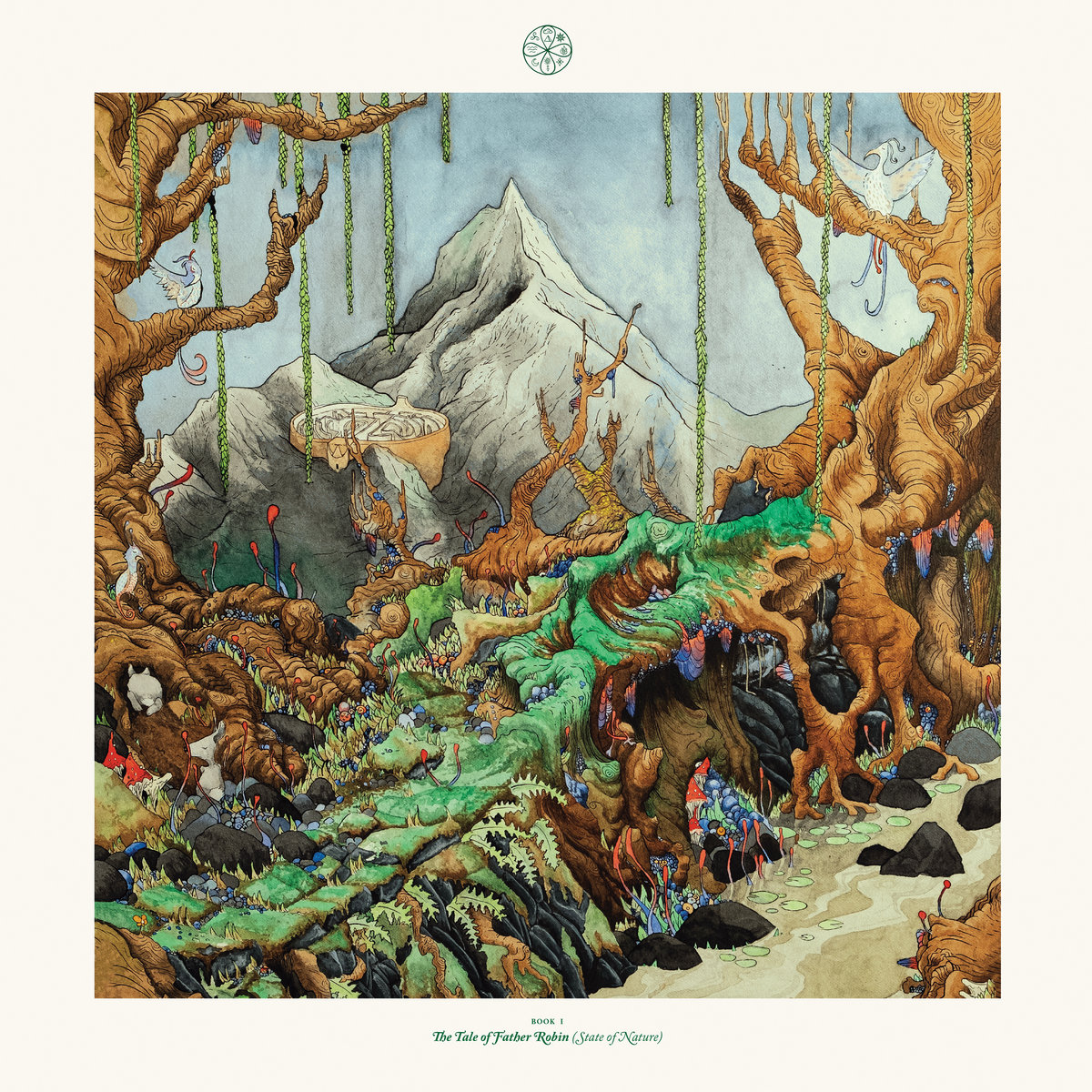
The Chronicles of Father Robin are a band that dates back to the inception of Scandinavia’s modern prog scene. (The Nordic countries also put out some good material in the 1970s, but bands like Kaipa, Friendship Time, and Haikara don’t have much of a direct connection to the modern scene.) Originally formed in 1993, they made plans for a sprawling triple album built around one unifying story thread. Nothing came of it at the time, and the band members went on to be in major acts, like Wobbler, Tusmørke, and Jordsjø, among others. Now, nearly 30 years later, the band has reunited.
The Songs & Chronicles of Airoea – Book 1 is the first part of this planned three-part album arc. Multi-album story arcs are nothing new to me, not that I ever give much mind to lyrics. I am curious to hear just how musically cohesive this project winds up being across subsequent releases. I’m hoping it’ll be something a bit more interesting than just the same album three times over, but only time will tell.
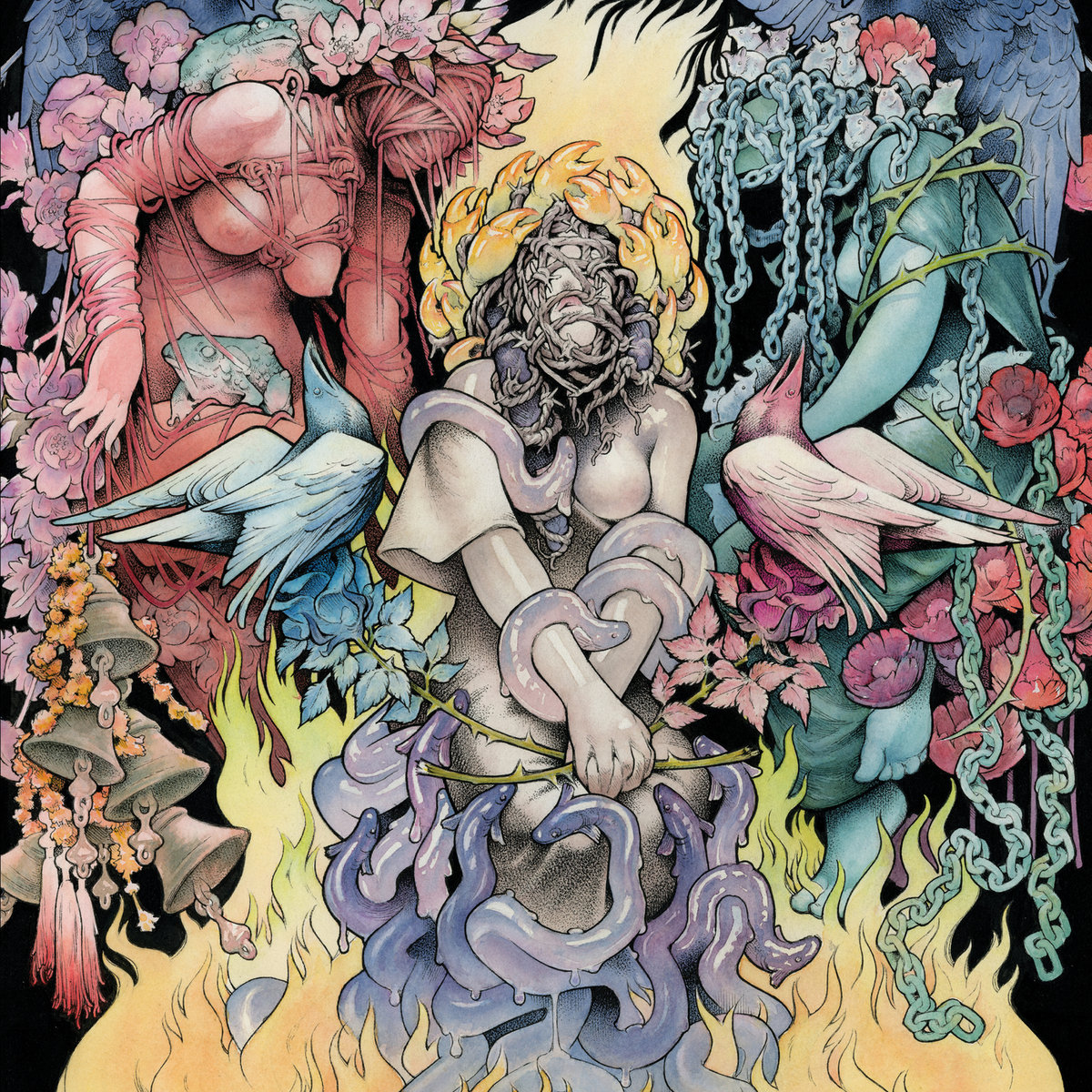
Band: Baroness | Album:Stone | Genre: Progressive rock, Sludge metal | Bandcamp
Baroness’s first non-color-themed album is an improvement over the miserable Gold & Grey. The production is much better here; I can actually distinguish different instruments in the mix! The songwriting sees Baroness try a few new things, to mixed results. “Beneath the Rose” and “Choir” both see the band integrate some alt-metal influence, and “Magnolia” features some excellent evolution through its runtime. Stone still sees the band trying to be both pop-friendly radio rock and prog-sludge, and that prevents either side from truly shining.
Score: 71/100
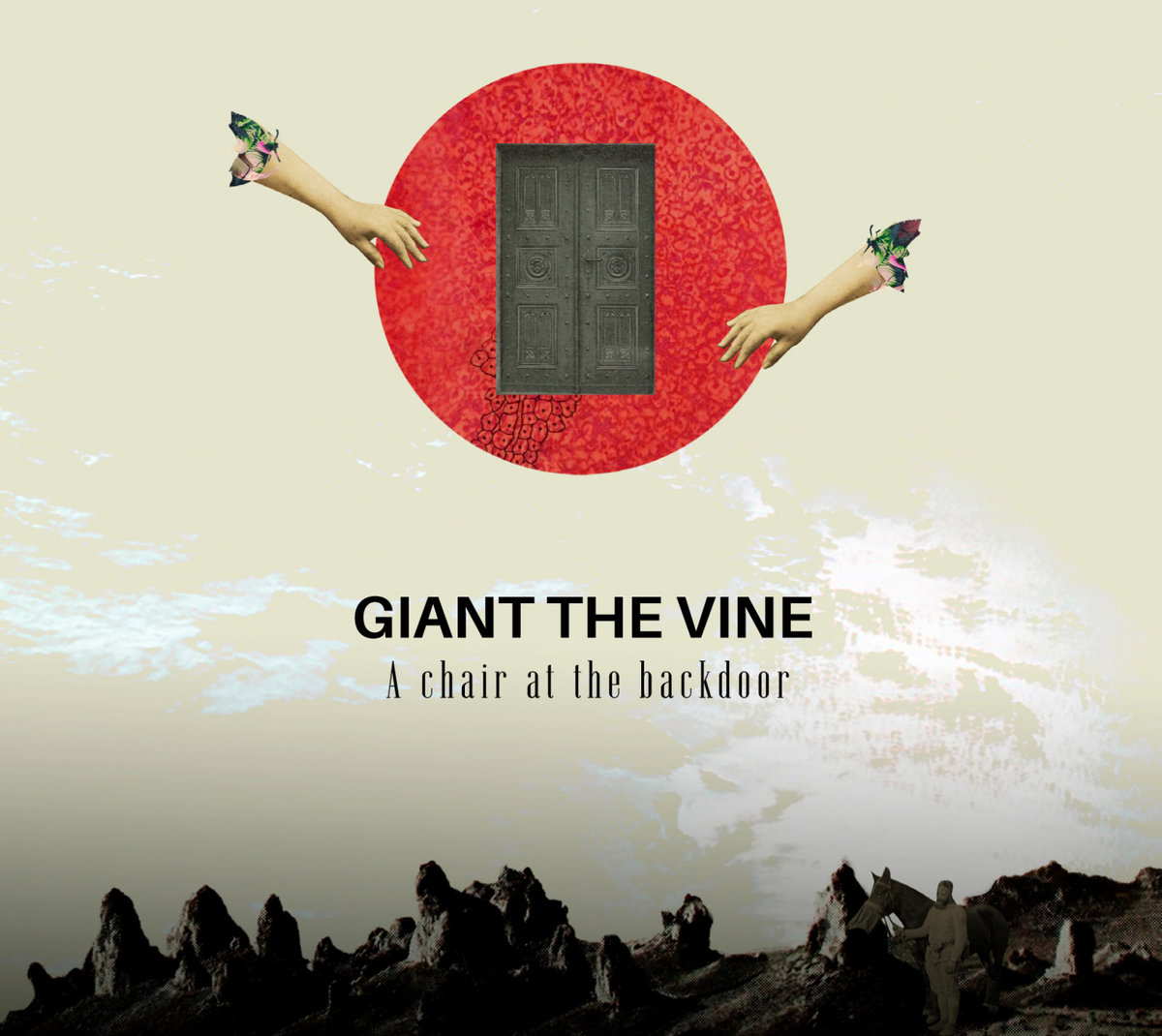
Band: Giant the Vine | Album:A Chair at the Backdoor | Genre: Progressive rock, Post-rock | Bandcamp
This instrumental Italian act usually plays at an unhurried pace. This gives the music a chance to build and take its time in making its point. In their best moments, the channel strains of Porcupine Tree and Dream Theater’s less-metallic side. On the flip side, Giant the Vine has a tendency to let their music become aimless or repetitive. On the whole, this is decent, enjoyable instrumental prog, but the bloat does detract from it somewhat.
I really couldn’t find too much about The Anchoret. “Canada” is the extent of what I could find about their origin, and their record label doesn’t have much more information on them. This is a five-piece band that plays a melodic variety of progressive metal, with a number of notable jazz inclusions. With such a scarcity of information, let’s jump right into their debut record, It All Began with Loneliness.
Despite the title, it actually begins with “An Office For…” This features some jazzy–if somewhat overwrought–guitar soloing before launching into a slow-moving, languid verse. The saxophone which shows up is also a bit on the corny end of things. But don’t worry, things improve after this somewhat weak opening!






 The Elite Extremophile