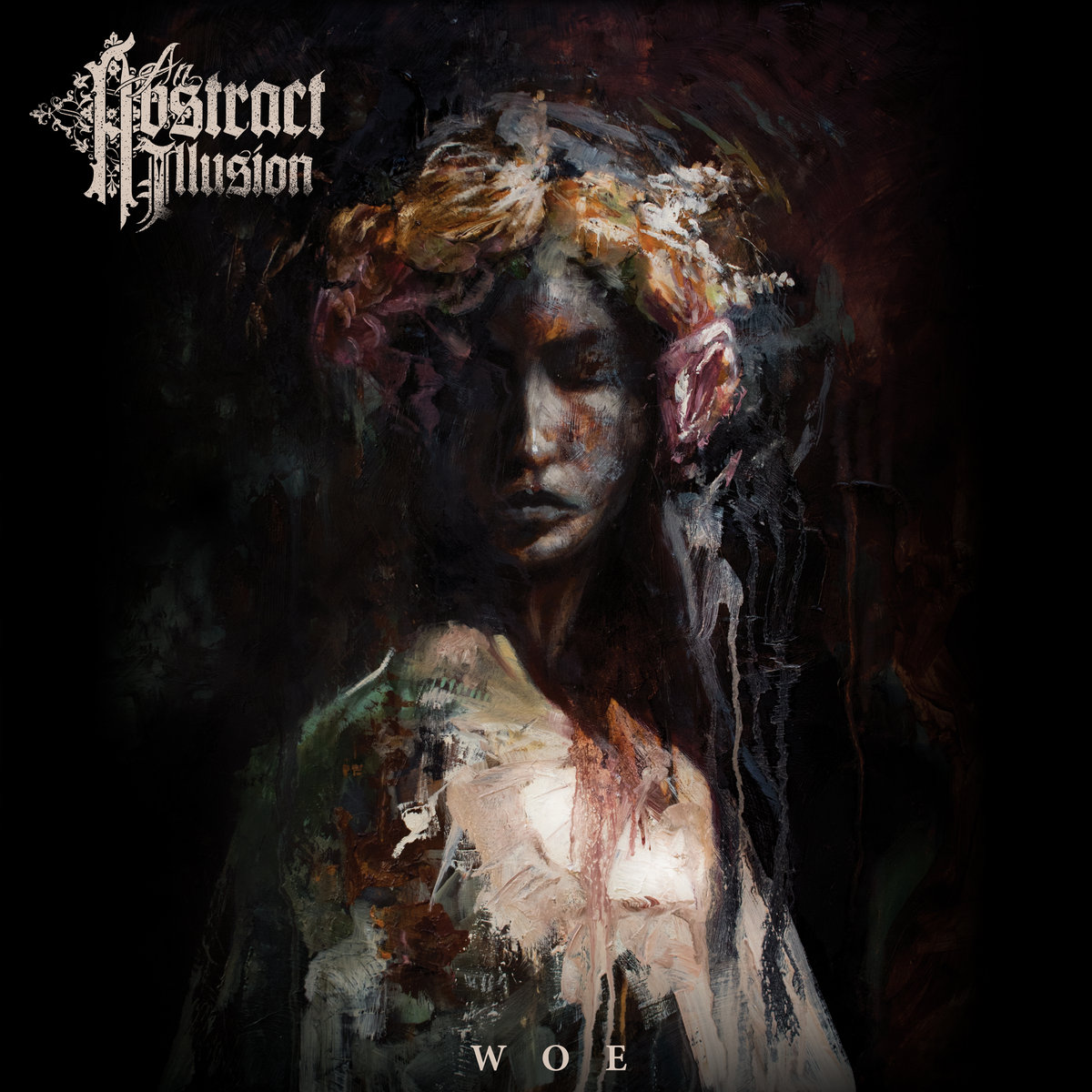
There are a lot of proggy melodic death metal bands from Sweden. Many can run together or simply sound like Opeth clones, but there are some acts that manage to stand out from the crowd. One such band is An Abstract Illusion. In addition to all the genre hallmarks, this band does an excellent job of integrating bits of non-metallic styles to keep their songs fresh and interesting.
Woe, the band’s second full-length release, is a massive hourlong piece subdivided into seven more-digestible tracks. The sound palette of this album ranges from archetypal melodeath guitar leads to hints of dark jazz, dashes of electronica, and classic prog flashiness.
Mostly-acoustic Detroit band Custard Flux is back with their fourth full-length album (and their third to be named after an element), Phosphorus. Following 2020’s fantastic Oxygen, Phosphorus doubles down on some of the band’s previous innovations. The songs are longer and more complex, and electric instrumentation is integrated fluidly.
This is also Custard Flux’s longest release to date, and by a wide margin. At 80 minutes in length, it’s nearly 20 minutes longer than their debut and almost twice as long as either of their last two records. And though the melodies and overall ideas remain as strong as ever, this album isn’t without its excesses. There is a lot of bloat, with certain ideas being repeated over and over for much too long.
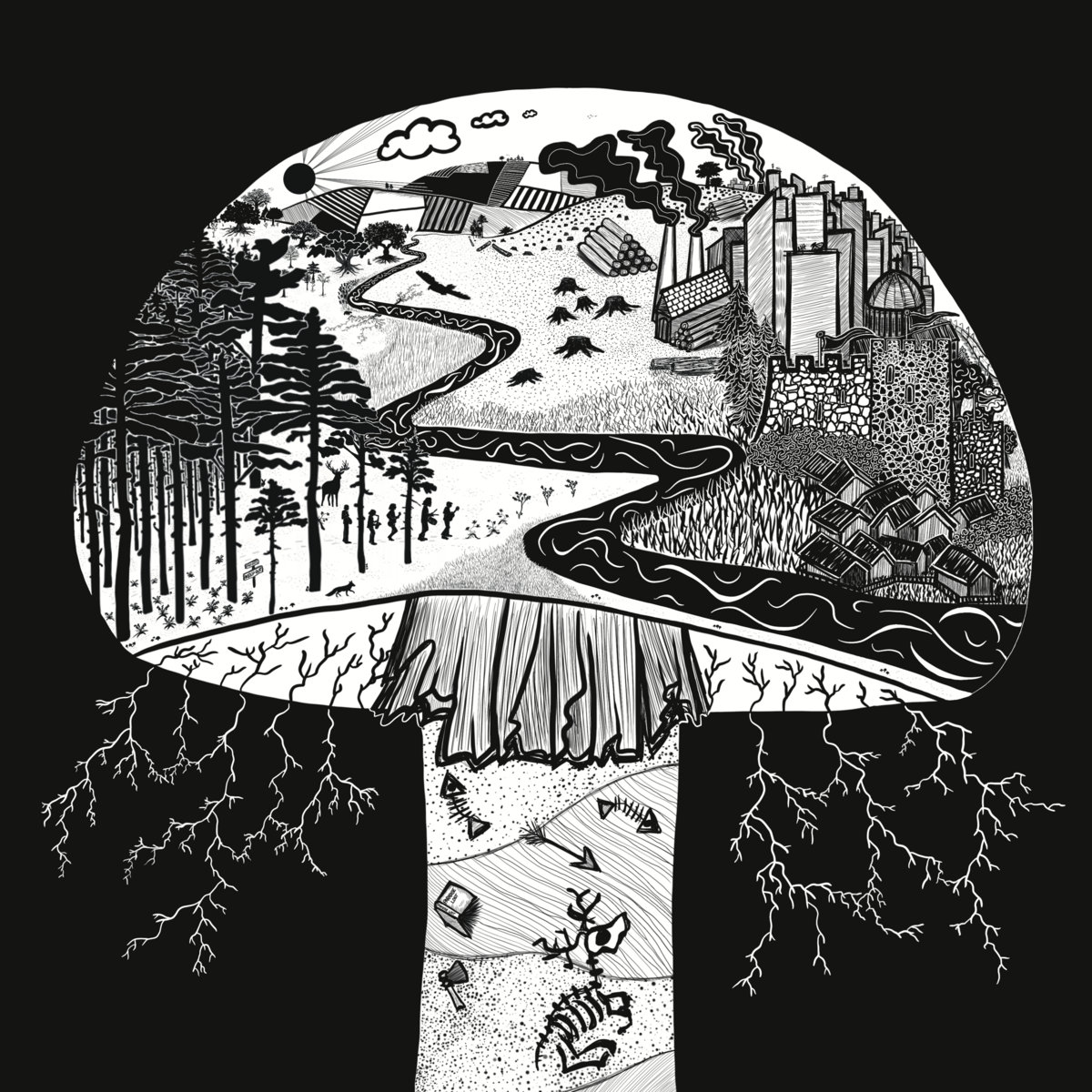
Band: The Mighty Orchid King | Album:Mycelium Music Volume I: “Pinedemonium Awakes” | Genre: Progressive rock, Folk rock, Psychedelic rock | Year: 2022
From: Saint Albans, UK | Label: Independent
For fans of: Yes, Phideaux, The Beatles, King Gizzard
I’ve run across a lot of quirky genre descriptions on Bandcamp. Mellow Beast bill themselves as “wizard rock;” Louison’s latest album was described as “cyberprog;” and That 1 Guy has called his music “experimental ‘earthshaking future funk’ from the future maybe.” Despite their oddness, I could vaguely imagine what those might sound like. The UK-based quintet The Mighty Orchid King,on the other hand, dubs their music “mushroom-prog.”
Reading the phrase “mushroom-prog,” my mind immediately went to psilocybin and psychedelics–a not-unreasonable leap, if you ask me. However, reading the band’s description of this album, they intended that phrase much more literally. This album tells the story of a mushroom king and the spirits of the dead things he has consumed. It’s quite a clever concept which explicitly draws inspiration from John Milton’s Paradise Lost and carries a strong environmentalist message.
The band says they aimed to create “an entangled musical ecology,” and Mycelium Music Volume I is a veritable clonal colony of amazing music. The album has an impressive degree of sonic cohesion and continuity, and the individual songs flow together in brilliant, creative ways.
The Mars Volta, along with acts like Porcupine Tree and Dream Theater, helped revive the world of progressive rock in the early 2000s. They were one of the most beloved and influential prog acts of the 21st century. Their 2003 full-length debut–De-Loused in the Comatorium–and its 2005 successor–Frances the Mute–are two of the best prog albums of all time, irrespective of era. In addition to past prog influences, they incorporated post-hardcore, jazz, and electronic elements. Their classic sound is striking and immediately recognizable.
Now, ten years after their last album–2012’s Noctourniquet–they’ve reunited to put out their seventh full-length release. The core of the band remains the same; Omar Rodriguez-Lopez is still on guitar, and Cedric Bixler-Zavala is still the vocalist. Beyond that, though, there has been churn in the lineup. Bassist Eva Gardner has returned to the band after last appearing on their 2002 Tremulant EP. Omar’s younger brother Marcel–formerly the band’s percussionist through 2010–covers keyboard duties. (Longtime TMV keyboardist Ikey Owens passed away in 2014, though he did not appear on Noctourniquet.)
In reading about this album’s background, I found that Omar (always the lead (and usually sole) songwriter) consciously made an effort to move away from prog. This strikes me as a perplexing move. Just because Omar and Cedric are recording together, that does not make it The Mars Volta. Prior to forming TMV, they were both in the post-hardcore band At the Drive-In; and the two had collaborated in the one-off band Antemasque in 2014. If they wanted to make a non-prog album, reviving this band’s name doesn’t strike me as a smart move. They’ve got enough clout in the modern music world that they could have announced a new project and built hype off their reputations.
Denver’s Dreadnought are back with their fifth full-length album, The Endless. Their previous release, 2019’s Emergence, was a wonderful evolution in their sound. It demonstrated continuity with the sounds of their prior records while also being distinct within their discography.
In many ways, my assessment of The Endless is pretty similar. This album sees the band moving slightly away from their doom metal roots and incorporating a greater amount of post-metal influence. The band continues to demonstrate excellent compositional skill, and the interplay of the dual vocalists is wonderful. The songs here are slightly terser than usual, with none topping 10 minutes.
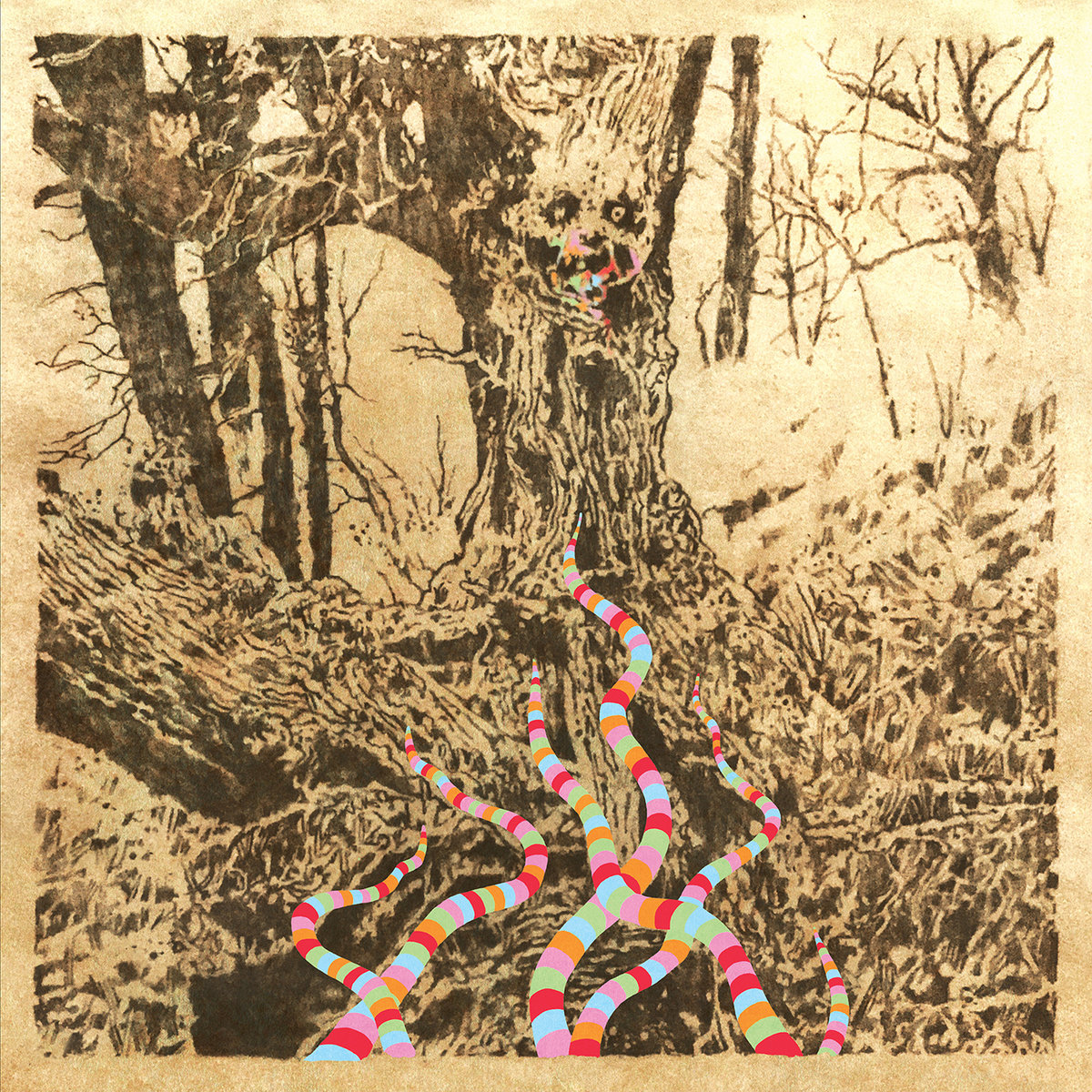
Jarrod Gosling (also known by the alias of Varrod Goblink) is back with another album under the Regal Worm moniker. Last year’s The Hideous Goblink was a wonderful piece of buzzy, progressive psychedelia with a clear sonic throughline.
On Worm!, Regal Worm’s fifth full-length release, the sound palette is a bit more diverse, but this pays dividends. While the songs don’t flow together seamlessly like on the last Worm release, there’s still a unique energy to Gosling’s music. The overall feel of Worm! Is lighter and more playful than its predecessor; there’s no 19-minute opus called “The Satan” on this one.
Certain albums click with me immediately. Some of them I wind up absolutely loving, like Moura’s self-titled or Papangu’s Holoceno. Others fall from my graces fairly quickly, like Hand. Cannot. Erase. or Devin Townsend’s Deconstruction. Yet other releases, meanwhile, take a while to sink in. Even if I didn’t totally love it on the first listen, I keep feeling drawn back to it; and on subsequent spins, my enjoyment only grows deeper.
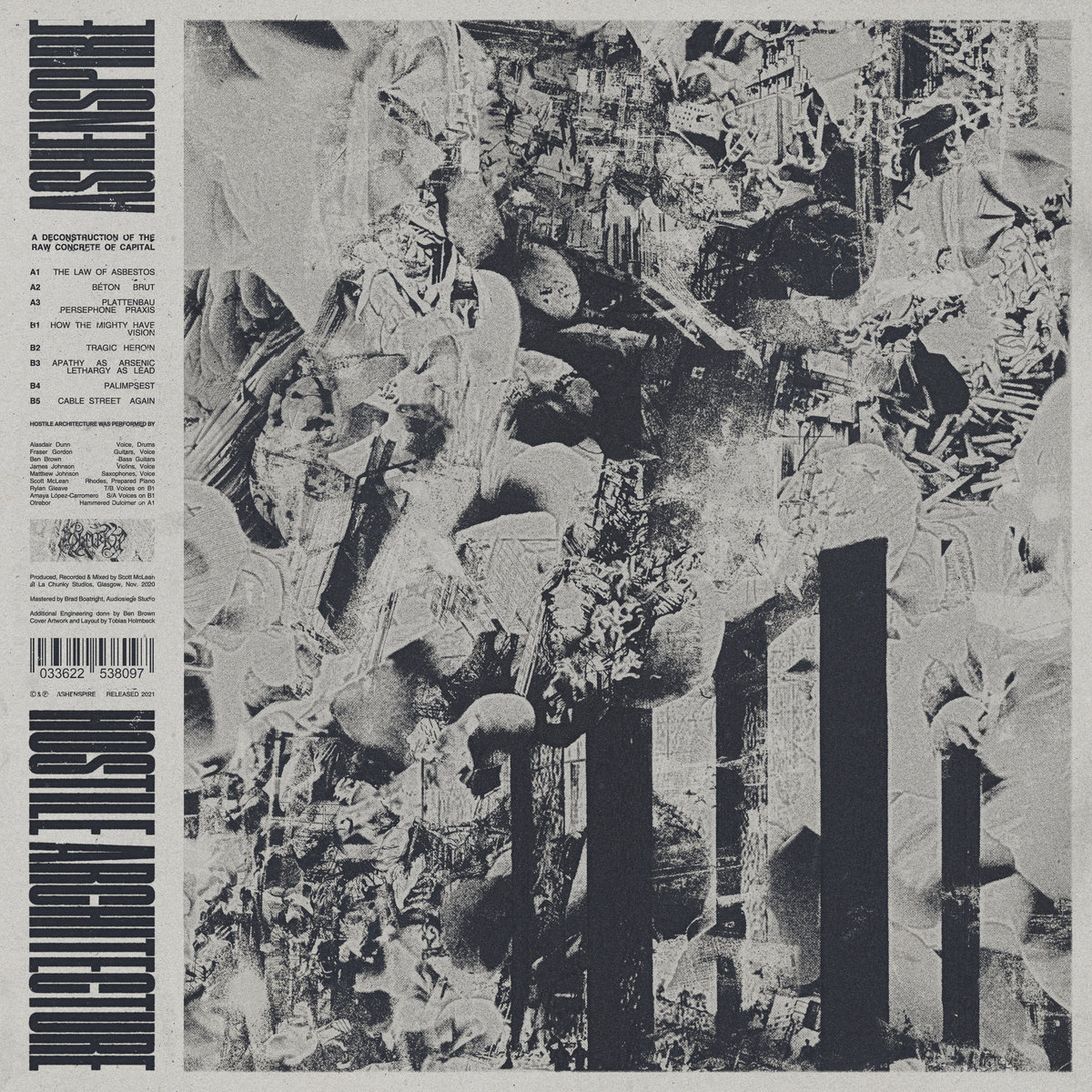
The second full-length album from Scotland’s Ashenspire is one of those albums that really grew. On the first listen, I liked it. It’s an incredibly dense record, so I knew I was going to need to revisit it. By the third time I made my way through this opus, it had become a serious contender for my album of the year. The blend of black metal and avant-garde influences is incredible, and the raw anger of this record truly shines through.
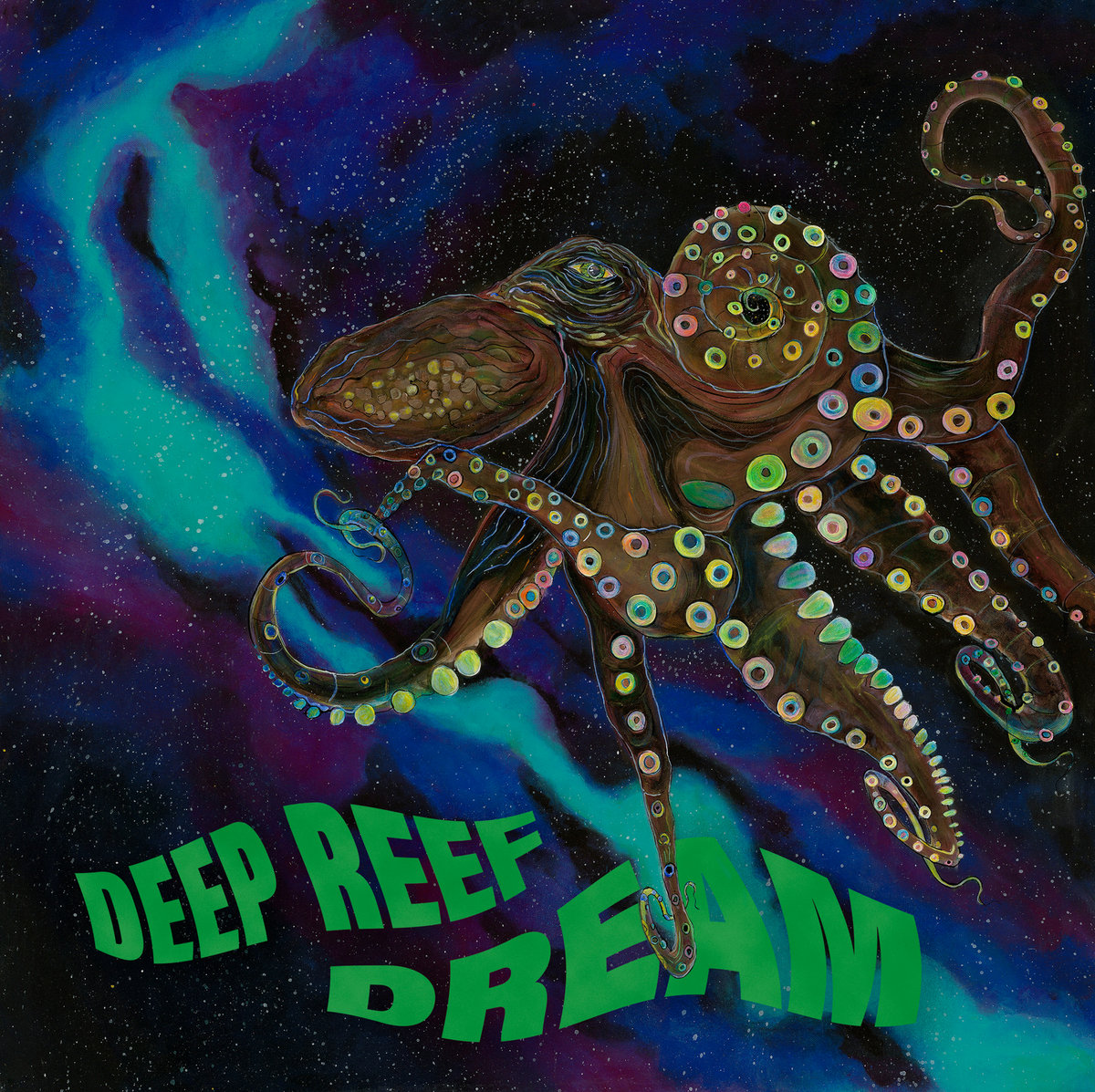
The Light in the Ocean is a Minneapolis-based quartet with a penchant for sea life. Both this record and their prolix 2020 album–The Pseudo-Scientific Study of Oceanic Neo-Cryptid Zoology–have featured cephalopods on the album art; and their 2019 debut heavily focused on seafaring. I wouldn’t have expected such themes from a band based in a landlocked state. (Then again, many a Hawkwind song is about space, yet they live on Earth.)
The music on Deep Reef Dream feels like a logical next step in their sound, based on what I heard on their last album. This release has more heavy moments than its predecessor, and the band has fully integrated both violin and trumpet into their songwriting. The music remains both complex and accessible, though. The album is also much less lyrically-focused, with six of the nine songs being instrumental.
Phaneronaut is a one-man project out of Germany with an inclination for weird, experimental electronics and sharp contrasts in tone. In the three years the project has been active, they have been quite prolific, so I have not listened to their whole back catalog. What I have heard, though, is strongly reminiscent of early krautrock acts, often landing somewhere between Neu! and The Cosmic Jokers.
This album, then, marks something of a shift in Phaneronaut’s sound. Originally envisioned as having two contrasting halves–a “wood” side and a “metal” side–the project evolved into something else, though the “metal” concept remained. Thus, where previous works are synth heavy and quite electronic, Anabasis features sounds (synthesized or otherwise) that use metal in their production. So the celestial synths of earlier works are reduced, and now there are much earthier tones, meant to portray a (possibly hallucinatory) journey to heaven.
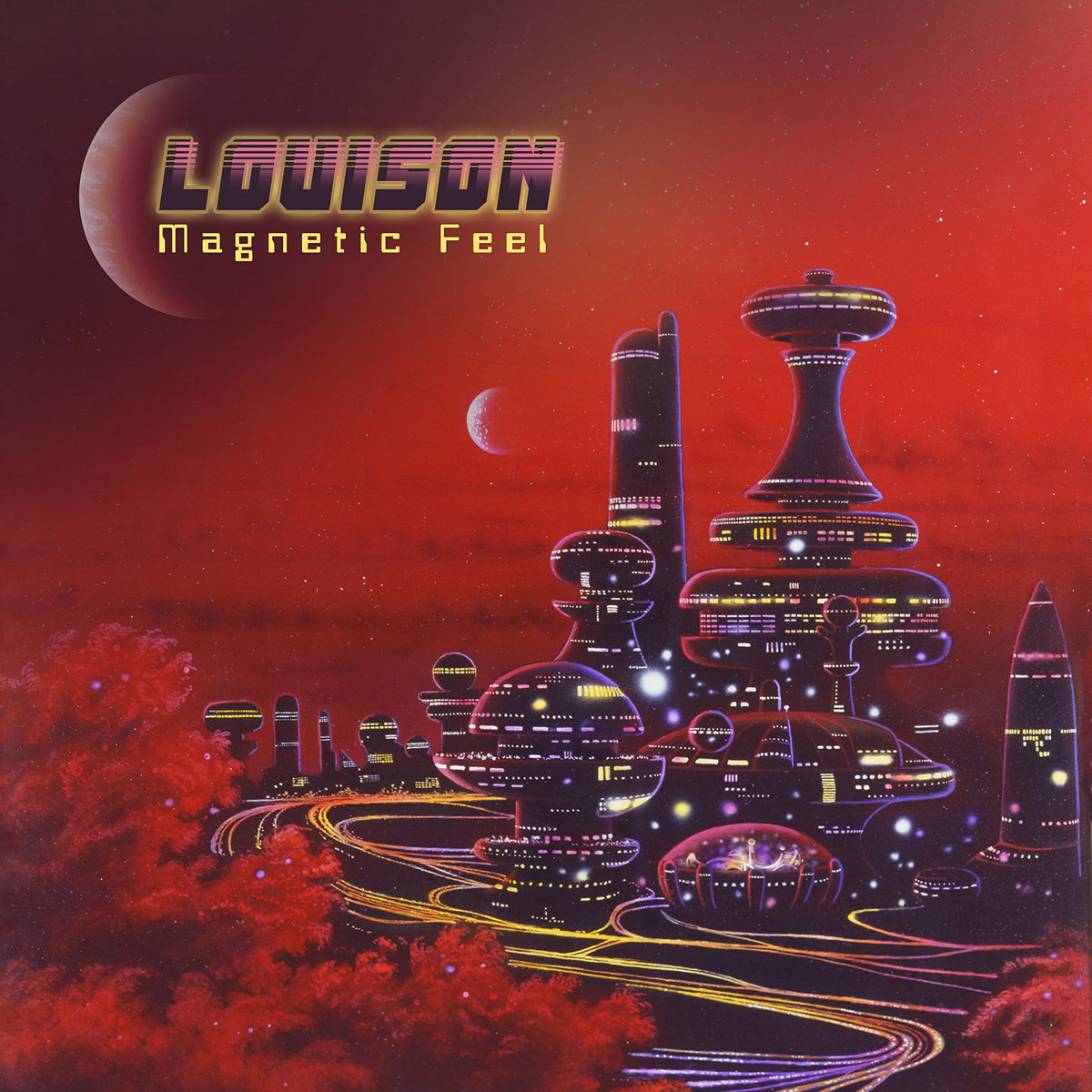
Louis de Mieulle is a multi-instrumentalist and composer I’ve previously coveredtwice on this site. Since his last outing, there have been a few changes. He’s moved from the US back to France and rebranded as “Louison.” His new album, Magnetic Feel, is much more electronic and synth heavy than either of his Sideshow albums. He also performs (almost) all the instruments, whereas those two prior releases were recorded with bands. This solo approach has also forced him to be more structured in his songwriting, and considering some of my comments on Sid€show 2, that’s probably a net good.
Not everything is different on Magnetic Feel. Though de Mieulle bills this album as “cyberprog” and “retrofuture,” there is a grounding in jazz-rock, math rock, and the contemporary prog scene. Like the two Sideshow albums, this is entirely instrumental, and there’s a strong sense of sonic continuity across the ten songs here.





 The Elite Extremophile